Inspiration Gallery
Blog
Tile Calculator
08065423741



.svg)


Wooden Flooring vs Tiles - Which is Better?
ByBiren Agrawalla

Tue , Aug 18 , 2026

Read Time: 5 Min


 Copied!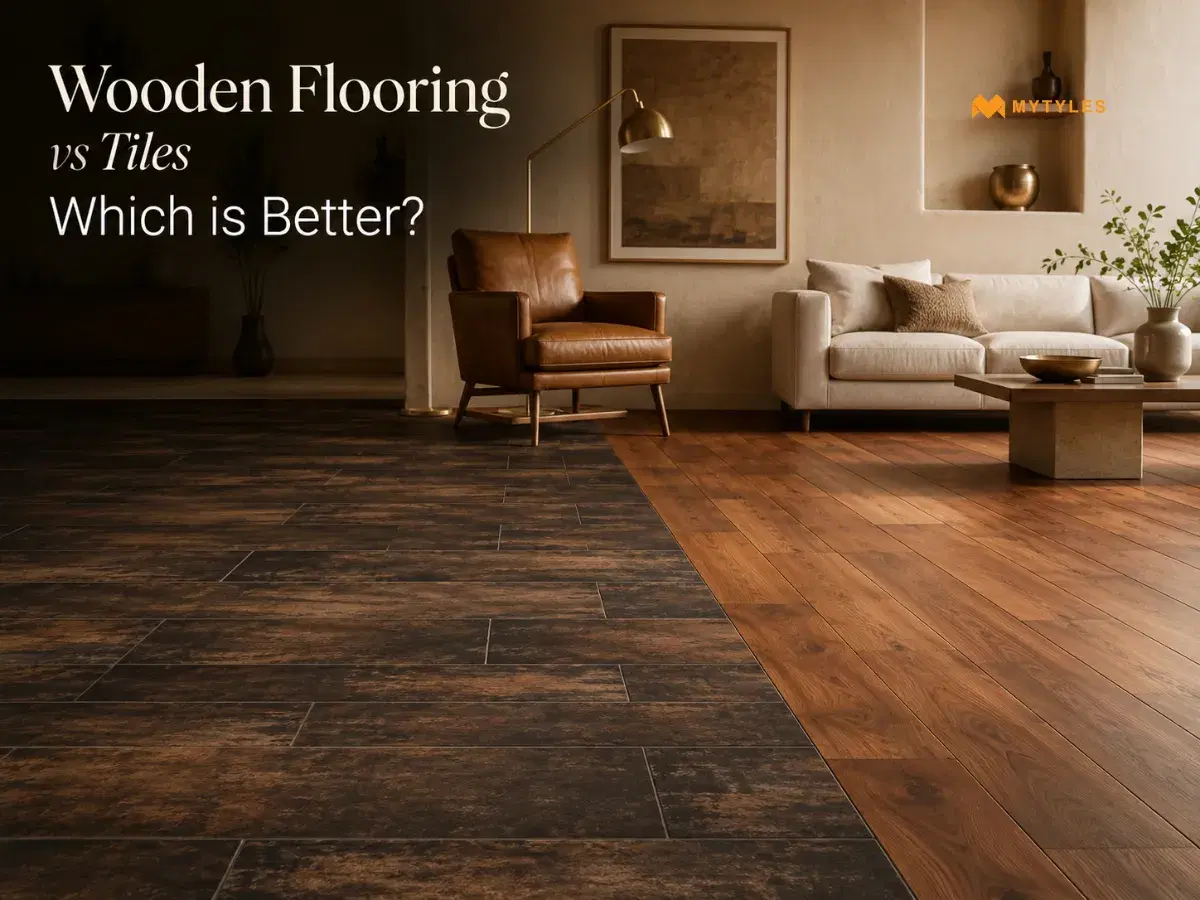
When planning a new home or renovating an existing one, flooring becomes one of the biggest decisions you make. It influences how a space looks, feels, and performs over time. Two of the most popular flooring options in India today are wooden flooring and tiles. Both look great and bring their own strengths, but the real question is, which one is better for long-term use, daily comfort, and practical maintenance?
This detailed comparison breaks down every important factor: durability, maintenance, cost, installation, day-to-day comfort, moisture resistance, safety, resale value, and suitability for Indian climatic conditions. By the end, you’ll have a clear idea of which one fits your lifestyle and home more effectively.
How Do Indian Climate and Home Use Shape the Choice?
India’s climate varies widely, but many regions face humidity, heavy monsoon rains, and hot summers. Real wood reacts to moisture and temperature shifts, it can expand, contract, warp, or gap if not installed and maintained perfectly. Tiles, ceramic, porcelain, vitrified, or natural stone, are far less sensitive to moisture and temperature. For homes in humid cities, coastal areas, kitchens, bathrooms, and utility spaces, tiles are the practical winner.
Durability and Lifespan
- Wooden flooring: Solid hardwood can last decades if maintained carefully. Engineered wood handles humidity better than solid wood but still has limits. Susceptible to scratches, dents, and water damage unless sealed and cared for.
- Tiles: Porcelain and vitrified tiles are extremely durable; they resist scratches, stains, and heavy foot traffic. Natural stone needs sealing but still handles wear better than wood. Overall, tiles offer a longer trouble-free lifespan in most Indian homes.
Maintenance and Cleaning
- Wooden flooring: Requires regular cleaning with specially formulated wood cleaners. Spills must be wiped promptly to avoid stains or swelling. Periodic polishing or refinishing is needed to restore surface protection and appearance.
- Tiles: Simple to clean with mild detergents and water. Grout needs periodic attention to prevent staining, but modern low-porosity tiles and epoxy grouts reduce cleaning hassles. For busy households or homes with pets and kids, tiles are far less demanding.
Aesthetics and Style Flexibility
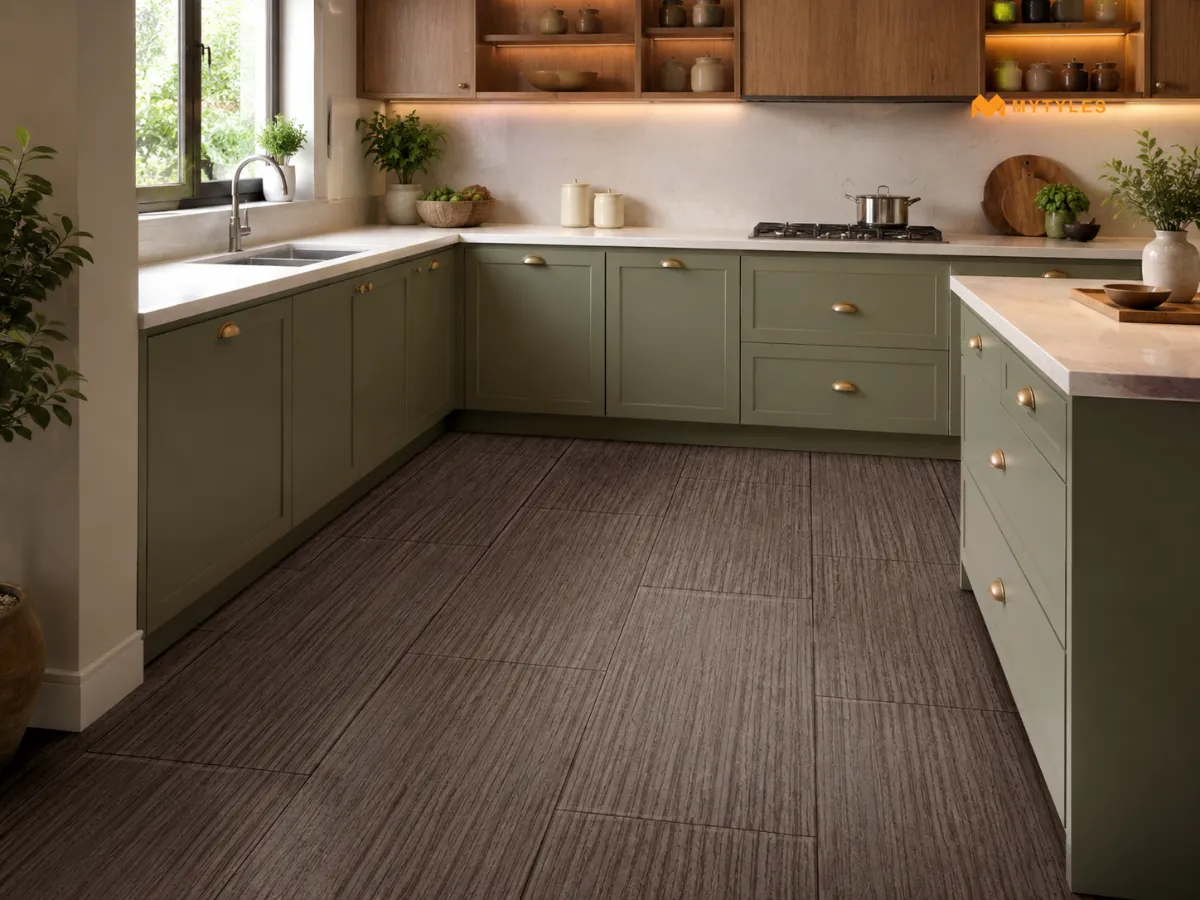
Wood offers a timeless, upscale look. However, tiles today provide astonishing variety, wood-look porcelain and vitrified tiles can mimic grain, texture, and plank sizes while delivering tile-level resilience. Tiles also allow large-format slabs, geometric patterns, and bold textures that are difficult or costly with real wood. If you want the look of wood without the maintenance worries, wood-effect tiles are an excellent compromise.
Comfort and Underfoot Feel
Natural timber feels warmer underfoot than cold tiles. But modern tiles can be paired with underfloor heating (rare in many Indian homes but an option) or used with area rugs to soften living spaces. For bedrooms where a softer walking surface is a priority, engineered wood or thicker wood-look tiles with rugs are a good pairing.
Water Resistance and Moisture Management
Tiles win decisively here. Porcelain and vitrified tiles are highly water resistant, making them ideal for bathrooms, kitchens, balconies, and utility areas. Even if you prefer wood in living areas, consider tiles for areas exposed to moisture. Using the same tile across multiple zones helps visual continuity while offering performance where it matters.
Installation and Subfloor Requirements
- Wooden flooring: Installation often requires a well-leveled subfloor and, for solid wood, acclimatization to indoor conditions before fitting. Engineered wood can be floated or glued, but professional installation is vital to avoid gaps or buckling.
- Tiles: Require a properly prepared bed and accurate levelling, especially for large-format tiles. While grout lines need attention, tile installation is generally straightforward for skilled masons and offers long-term stability.
Cost Comparison
Initial costs depend on material choice and finish:
- Solid hardwood: high upfront cost plus ongoing maintenance costs.
- Engineered wood: moderate to high, depending on veneer and core.
- Ceramic/vitrified tiles: wide price range; many affordable options provide excellent performance.
- Porcelain stoneware and high-end natural stone: higher upfront cost but less maintenance.
When you factor in life-cycle costs, maintenance, refinishing, repairs, and replacement, tiles usually prove more economical for most Indian households.
Safety and Slip Resistance
Tiles offer a range of finishes for slip resistance. Look for anti-slip ratings for bathrooms and balconies. Wooden floors can become slippery if polished excessively and may show watermarks after spills. For homes with elderly members or young children, textured tiles or anti-slip finishes are safer choices.
Environmental Impact and Sustainability
Solid hardwood sourced from responsibly managed forests can be sustainable but requires certification (FSC, PEFC). Engineered wood uses less top-layer timber. Tiles require energy to manufacture, but many manufacturers now use recycled content and energy-efficient kilns. Wood-effect tiles avoid deforestation while delivering the look of timber, a good sustainable compromise.
Resale Value and Market Perception
Quality wooden flooring still commands appeal in premium listings. However, well-selected tiles, especially large-format or designer tiles, add strong perceived value, are easier to maintain, and appeal to a broader pool of buyers who prioritise practical living. In many Indian markets, durable, low-maintenance flooring is a key selling point.
Best Use Cases Room-by-Room
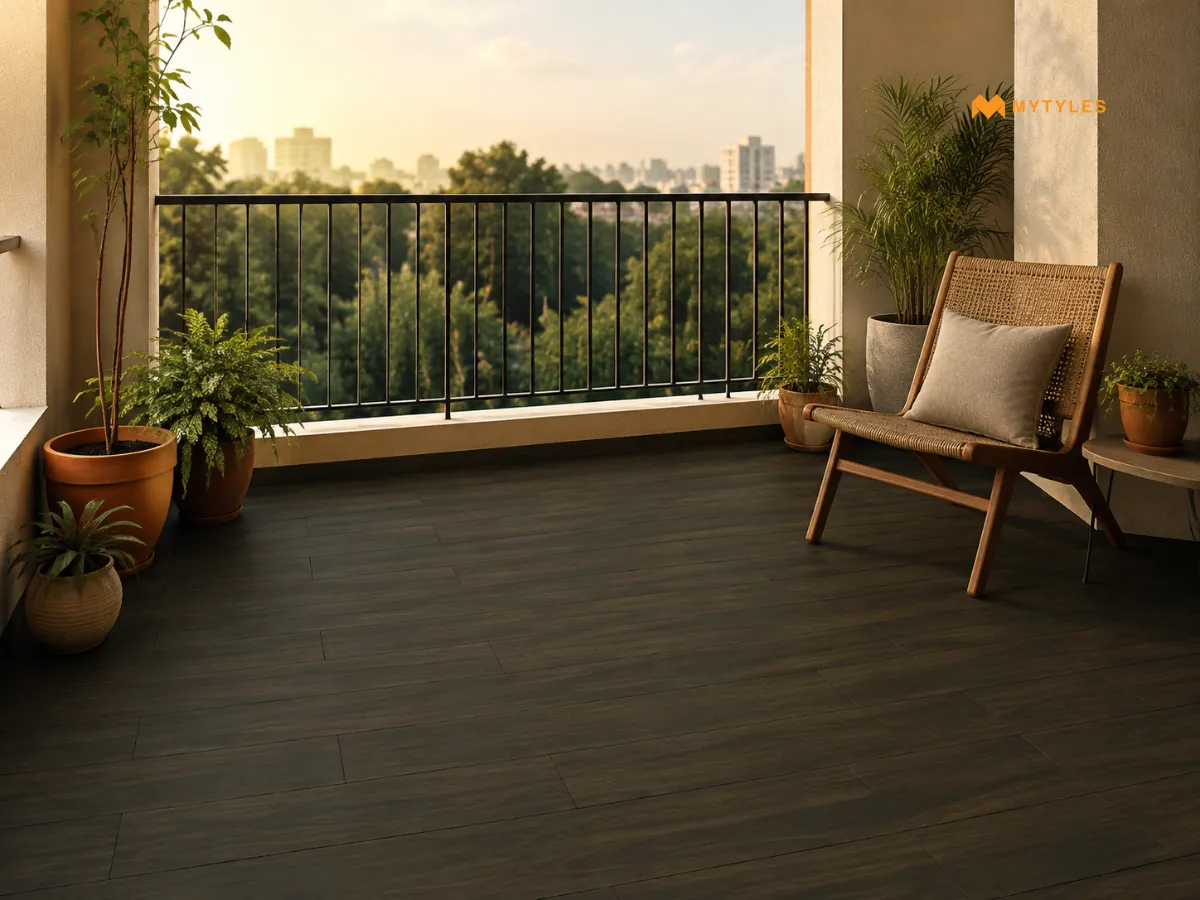
Choosing hard surfaces for each area depends on usage, foot traffic, and long-term upkeep. Here’s a room-wise breakdown to help you make confident, practical choices:
- Living Room: Large-format tiles or realistic wood-look tiles create visual continuity, are easy to maintain, and support multiple styling directions. Add area rugs to soften the seating zone.
- Bedroom: Engineered wood works, but thicker tiles paired with plush rugs deliver durability without daily maintenance concerns. They stay stable in humid or coastal climates too.
- Kitchen: Tiles take the lead here. Their stain resistance, effortless cleaning, and ability to handle spills make them ideal for cooking zones.
- Bathroom: Tiles are indispensable thanks to their water resistance, hygiene benefits, and compatibility with anti-skid finishes.
- Balcony & Outdoor Areas: Anti-slip tiles or natural stone perform extremely well in exposed areas, ensuring safety, longevity, and weather tolerance.
Tiles Are the Smarter Flooring Choice
Comparing both flooring types makes one point very clear, tiles deliver superior practicality, long life, and incredible value. Their stability across seasons, resistance to spills, effortless cleaning, and massive range of styles make them an ideal fit for modern homes. Wooden flooring may offer a classic look, but its high maintenance, sensitivity to climate, and limited durability make it less suitable for most homes today. Wood-look tiles perform better in Indian living conditions, handle daily use easily, and require almost no upkeep. MyTyles brings you premium-quality tiles, unique patterns, smooth finishes, and long-lasting performance, all at honest prices. Find the perfect tile for your space and start your flooring journey with confidence.

Is Wooden Flooring or Tile Better for Indian Homes?

Tiles are generally better for moisture resistance, heavy traffic, easy cleaning, and long-term durability, while wooden flooring offers natural warmth, softness, and visual character. The better choice depends on the room, climate, budget, and maintenance expectations. Indian homes with humidity, spills, pets, or frequent cleaning may find porcelain or vitrified tiles more practical overall for daily use.
Which Flooring Option Is More Durable?
Porcelain and vitrified tiles resist scratches, stains, dents, and regular foot traffic better than many wooden floors. Natural wood can scratch, fade, dent, or require refinishing, although good-quality hardwood may last for decades with proper care. Tiles can chip under heavy impact, so both materials depend on product quality, substrate preparation, installation, and household usage.
Which Flooring Handles Water and Humidity Better?
Tiles usually perform better in kitchens, bathrooms, balconies, entrances, and humid regions because suitable options have low water absorption. Natural wood may swell, warp, or develop gaps after prolonged moisture exposure. Engineered wood offers improved stability but is not automatically waterproof. Spills should be cleaned promptly, and product-specific water-resistance guidance must be checked before installation.
Which Flooring Feels More Comfortable Underfoot?
Wooden flooring feels warmer, quieter, and slightly softer underfoot, making it comfortable for bedrooms and relaxed living areas. Tiles feel harder and cooler, which may benefit homes in hot Indian climates but feel cold during winter. Rugs, footwear, acoustic underlays, or compatible underfloor heating can improve comfort, depending on the selected flooring system and regional conditions.
Which Flooring Is Easier to Clean and Maintain?
Tiles generally require sweeping, mopping, mild cleaner, and occasional grout care. Wooden flooring needs controlled moisture, quick spill removal, suitable wood cleaners, protection from scratches, and periodic polishing or refinishing depending on its type. Tiles should not be cleaned with harsh acids, while wood should never be soaked. Following manufacturer guidance preserves either floor longer.
Which Flooring Option Is More Affordable?
Tile costs vary by material, size, finish, and installation complexity, but vitrified or ceramic options often provide lower long-term maintenance expenses. Wooden flooring may have a higher purchase price and require polishing, refinishing, moisture protection, or board replacement. Compare total costs for materials, labour, wastage, base preparation, maintenance, and expected service life rather than initial price alone.
Which Rooms Suit Wooden Flooring and Tiles Best?
Choose tiles for wet areas, busy kitchens, balconies, entrances, and homes requiring easy maintenance. Consider wooden flooring for dry bedrooms, studies, or living rooms where warmth and comfort matter more. Before deciding, compare climate, moisture exposure, foot traffic, pets, cleaning habits, installation time, repair options, and budget, then inspect samples under actual room lighting before purchase.

ABOUT THE AUTHOR
Biren Agrawalla
Biren Agrawalla is the Founder of MyTyles, driven by a passion for making tile buying simpler, smarter, and more customer-friendly. With a background in technology and a strong interest in how homes are designed, he built MyTyles to bridge the gap between traditional tile retail and modern customer needs. Biren focuses on understanding what people truly look for when creating their spaces, from practical choices to design inspiration. His work is centred on building thoughtful online solutions that help homeowners discover the right tiles with more confidence, convenience, and clarity.
Latest Blogs By MyTyles