.svg)


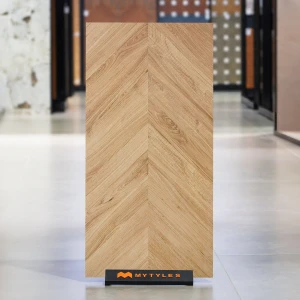
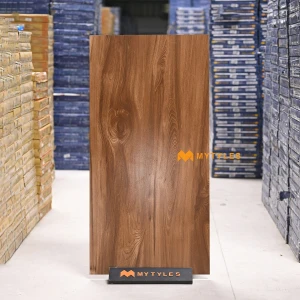
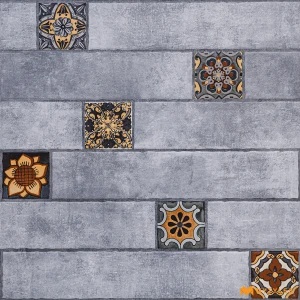
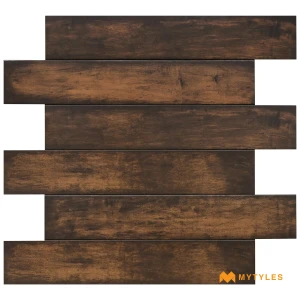
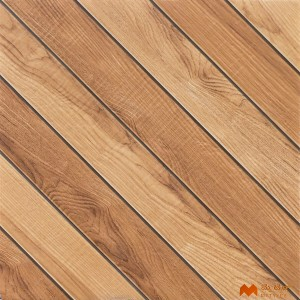
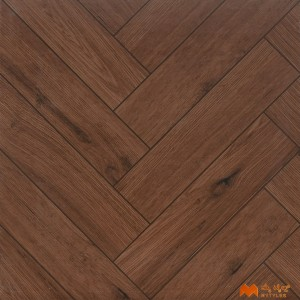

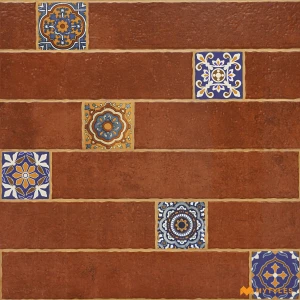
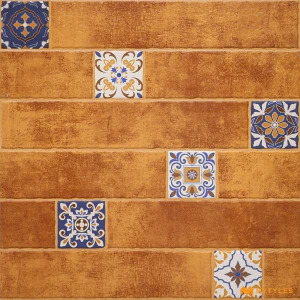
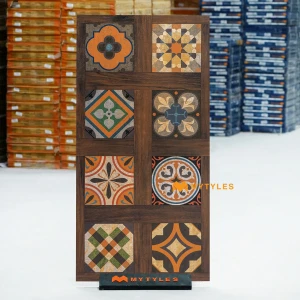
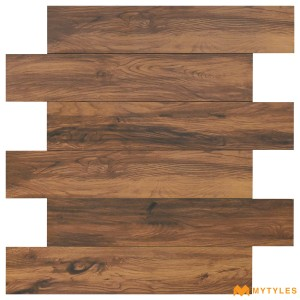
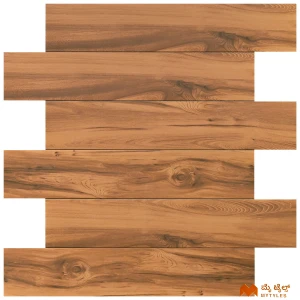
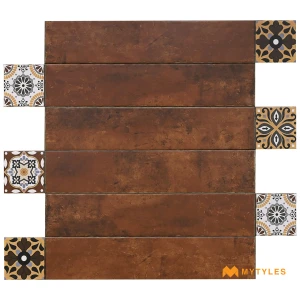
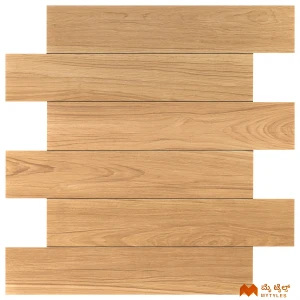
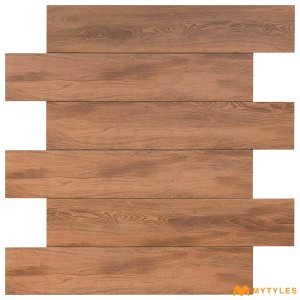
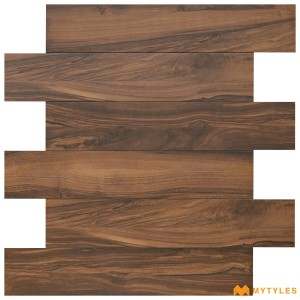
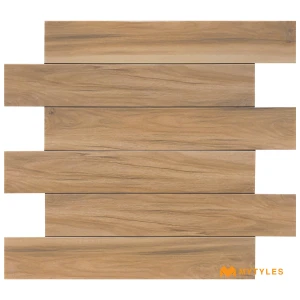
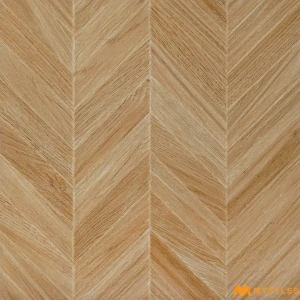
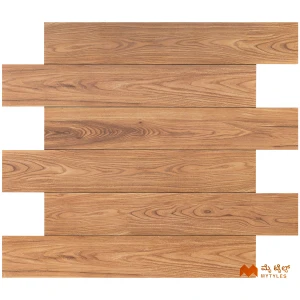
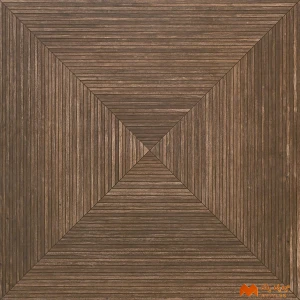
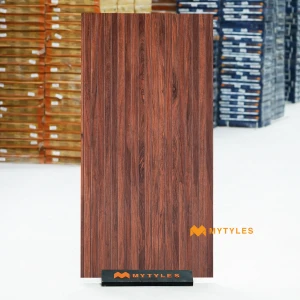
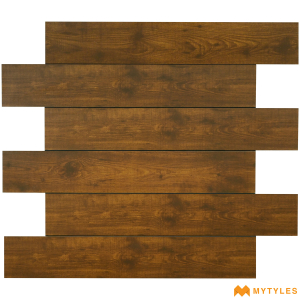
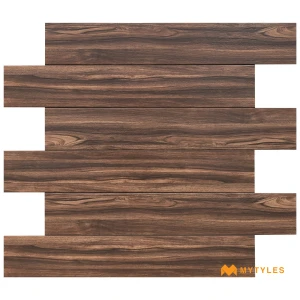
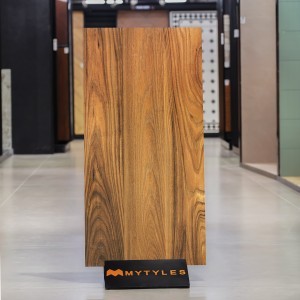
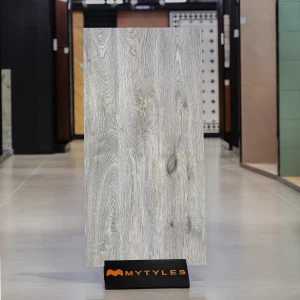
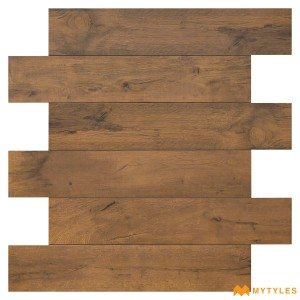
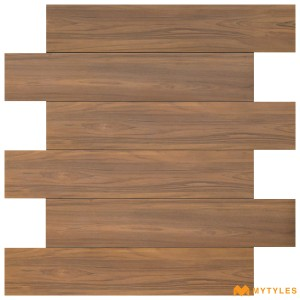
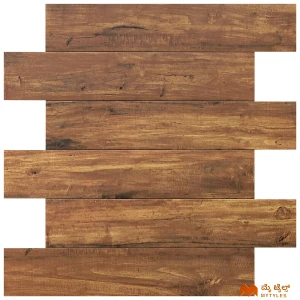
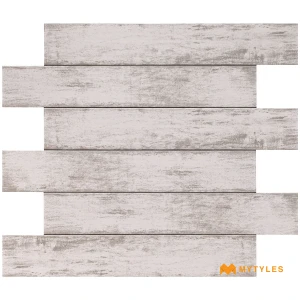
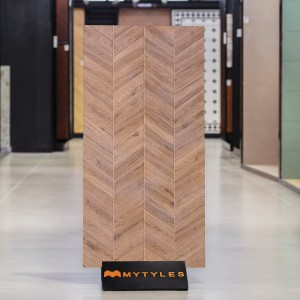
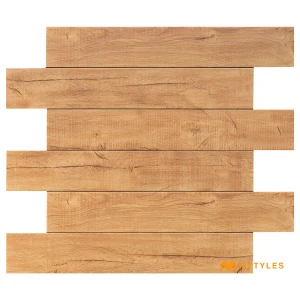
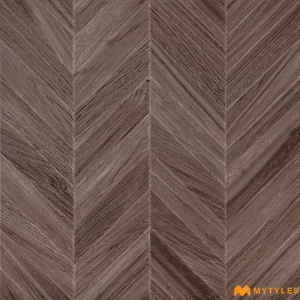
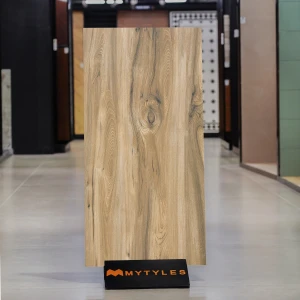
Wooden Tiles for Floors and Walls
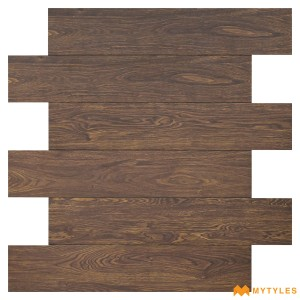
Wooden tiles use a manufactured tile body to mimic the grain, warmth, and linear character of timber. At MyTyles, ceramic, vitrified, and porcelain options are listed in wood-look tiles for floors, walls, and feature areas. Each product carries its own application rating, so that is worth checking before anything else. Additionally, colour is just one part of the selection process. When comparing wooden tiles, it’s important to factor in surface texture, finish, size, slip resistance, moisture exposure, and installation conditions, as they may affect the final choice.
Wood-look formats can suit living rooms, bedrooms, kitchens, balconies, stairs, and accent walls, but a product intended for a wall should not automatically be treated as a floor tile. Use the sections below to compare applications, materials, wood-grain styles, finishes, sizes, and indicative prices before shortlisting a design.
Wooden Tiles by Application
Every space has different requirements. A bedroom leans on aesthetics while a balcony demands closer attention to grip, moisture, and installation. Knowing what your space needs makes the selection process a lot more straightforward.
Floors and Living Areas
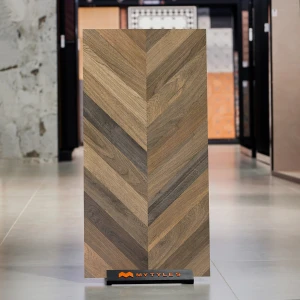
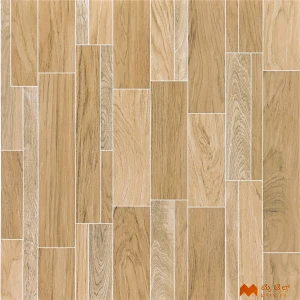
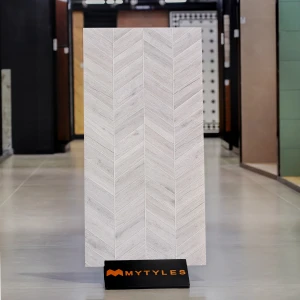
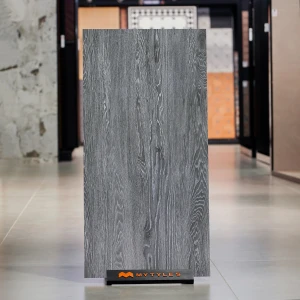
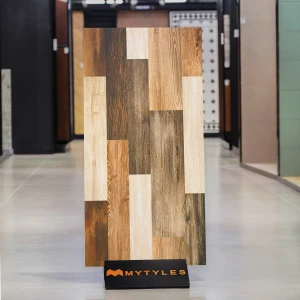
Wood-look tiles on floors carry the plank aesthetic without actual timber. Long rectangular formats tend to emphasise the grain direction more clearly. Larger square formats spread the wood-inspired texture across a broader area.
For living rooms and bedrooms, check the floor suitability rating, tile thickness, and foot traffic the product is designed to handle. In kitchens or areas where spills are likely, surface grip and cleaning behaviour matter as much as how the tile looks.
Walls and Feature Surfaces
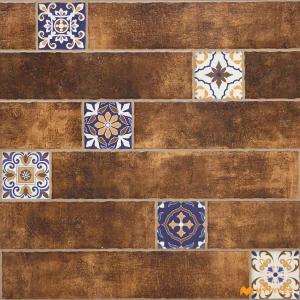
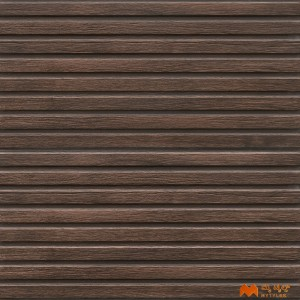
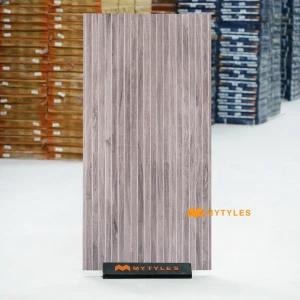
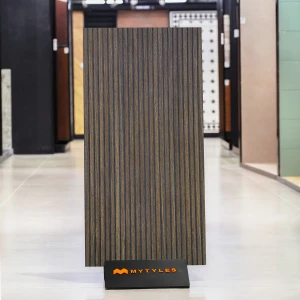
On walls, wood-grain tiles can be used for TV backdrops, headboard walls, kitchen highlights, passage panels, and other feature areas. Wooden wall tiles do not need the same slip requirements as floor tiles, so the focus can shift to visual texture, finish, tile weight, substrate preparation, and fixing method. Carving or textured finishes produce deeper shadow lines on the surface, while glossy finishes make the printed grain appear sharper and more reflective.
Stairs
Stair treads see repeated foot traffic, and a finish unsuitable for that level of use can create safety concerns over time. Wooden tiles for stairs should be verified for floor use, slip-resistance ratings, edge detailing, and installation method. A matt appearance does not automatically confirm anti-skid performance. Risers, being vertical, can carry more decorative grain patterns. Treads, however, require closer attention to grip and edge finish before a selection is finalised.
Balconies and Semi-Outdoor Areas
For balconies and semi-outdoor spaces, confirm outdoor suitability before ordering. Rain, dust, sunlight, drainage, and temperature changes can affect the installation system and day-to-day use. A tile's wood-like appearance does not determine its weather or slip performance. Wet areas also need a correctly prepared substrate, drainage and, where required, a complete waterproofing system; the tile and grout alone do not create waterproofing.
Materials Used in Wooden Tiles
Ceramic, vitrified, and porcelain are the material groups listed in the current wooden tile range. Ceramic products are commonly considered for interior walls and selected light-use surfaces, subject to the individual rating. Vitrified wooden tiles have a dense tile body and are used across many residential floor and wall applications when product specifications allow them. Porcelain options also have a dense body and are often selected where lower porosity is useful. However, any water-absorption figure or wet-area claim must be confirmed from the individual specification rather than assumed for the whole category.
Wooden Tile Finishes
Finish changes reflection, surface feel, and cleaning behaviour. Matt wood finish tiles reduce strong glare and usually make the printed grain feel more natural, but matt does not automatically mean anti-skid. Glossy finishes increase reflection and can sharpen the printed grain, so they are commonly considered for walls and selected dry interior surfaces.
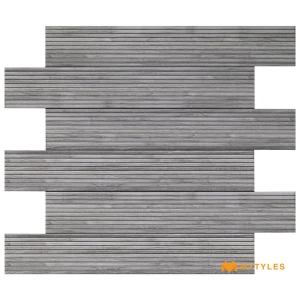
Carving finishes add raised or recessed detail and work well on feature walls. Essentially, for any floor, balcony, kitchen, bathroom, or staircase application, check the product's slip-resistance information and intended use before selection.
Wooden Tile Colours
Brown remains the closest visual reference to conventional timber, while beige, cream, and ivory create a lighter wood-inspired palette. Grey and black offer a more contemporary interpretation. Wooden shade tiles should be compared under the lighting of the intended room because print contrast, grout colour, and surrounding furniture can change how warm or cool the surface appears. At MyTyles’ site, you can use current product filters to confirm which colours are actually available in the chosen size and finish.
Sizes Available in Wooden Tile
Wooden tiles are available in small, medium, and large formats to suit different layouts. They can range from 75x400 mm to 600x1200 mm. The table below gives an overview of the tile sizes.
Size in mm | Size in inches | Size in feet |
|---|---|---|
75x450 mm | 3x18 inches | 0.25x1.5 feet |
150x900 mm | 6x36 inches | 0.5x3 feet |
200x1000 mm | 8x40 inches | 0.67x3.33 feet |
200x1200 mm | 8x48 inches | 0.67x4 feet |
300x300 mm | 12x12 inches | 1x1 feet |
300x600 mm | 12x24 inches | 1x2 feet |
300x1200 mm | 12x48 inches | 1x4 feet |
400x400 mm | 16x16 inches | 1.33x1.33 feet |
600x600 mm | 24x24 inches | 2x2 feet |
600x1200 mm | 24x48 inches | 2x4 feet |
Note: Check exact product dimensions before ordering, or use the MyTyles Tile Calculator to estimate quantity.
Wood Price Range for Wooden Tiles
At MyTyles, the wooden tiles' price starts from ₹54 per sq ft and goes up to ₹356 per sq ft. This usually depends on material, finish, size, tile thickness, and design. So, to get a better idea of the price range, you can go through the table below.
Tile/ Material | Price Range | Pricing Unit |
|---|---|---|
Vitrified Wooden Tile | ₹64 to ₹356 | per sq ft |
Ceramic Wooden Tile | ₹88 to ₹238 | per sq ft |
Porcelain Wooden Tile | ₹54 to ₹170 | per sq ft |
Matt Wooden Tile | ₹54 to ₹238 | per sq ft |
Carving Wooden Tile | ₹72 to ₹88 | per sq ft |
Note: Prices are indicative and may change by design, size, finish, stock and pricing unit. Verify the latest product-page price before publishing or ordering. Some products may be sold per piece or per set, so always show the correct unit beside the price.
How to Choose Wooden Tiles
- Start by confirming the product is rated for your space: floor, wall, stair, balcony, or wet area
- Look at material, finish, thickness, size, and slip-resistance details together, not in isolation
- Product images and physical samples help judge grain direction and shade variation better than descriptions
- Sketch the layout beforehand so tile cuts don't land in a way that disrupts the plank pattern
- Larger format tiles need an installer experienced with base prep, adhesive coverage, and lippage control
- Work out the area needed with a cutting allowance and cross-check stock, box coverage, and pricing on the product page
Find the Right Wooden Tile for Your Space at MyTyles
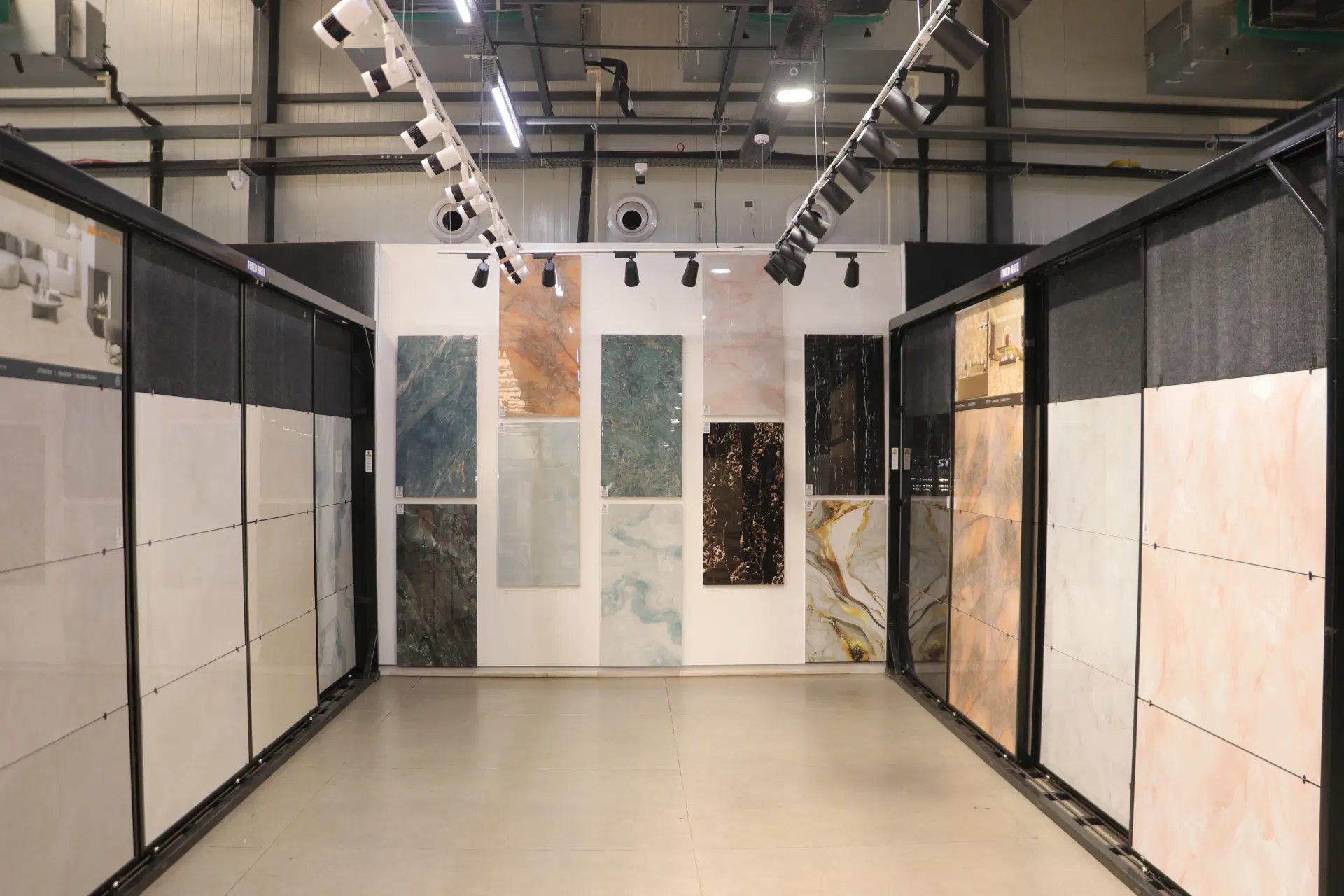
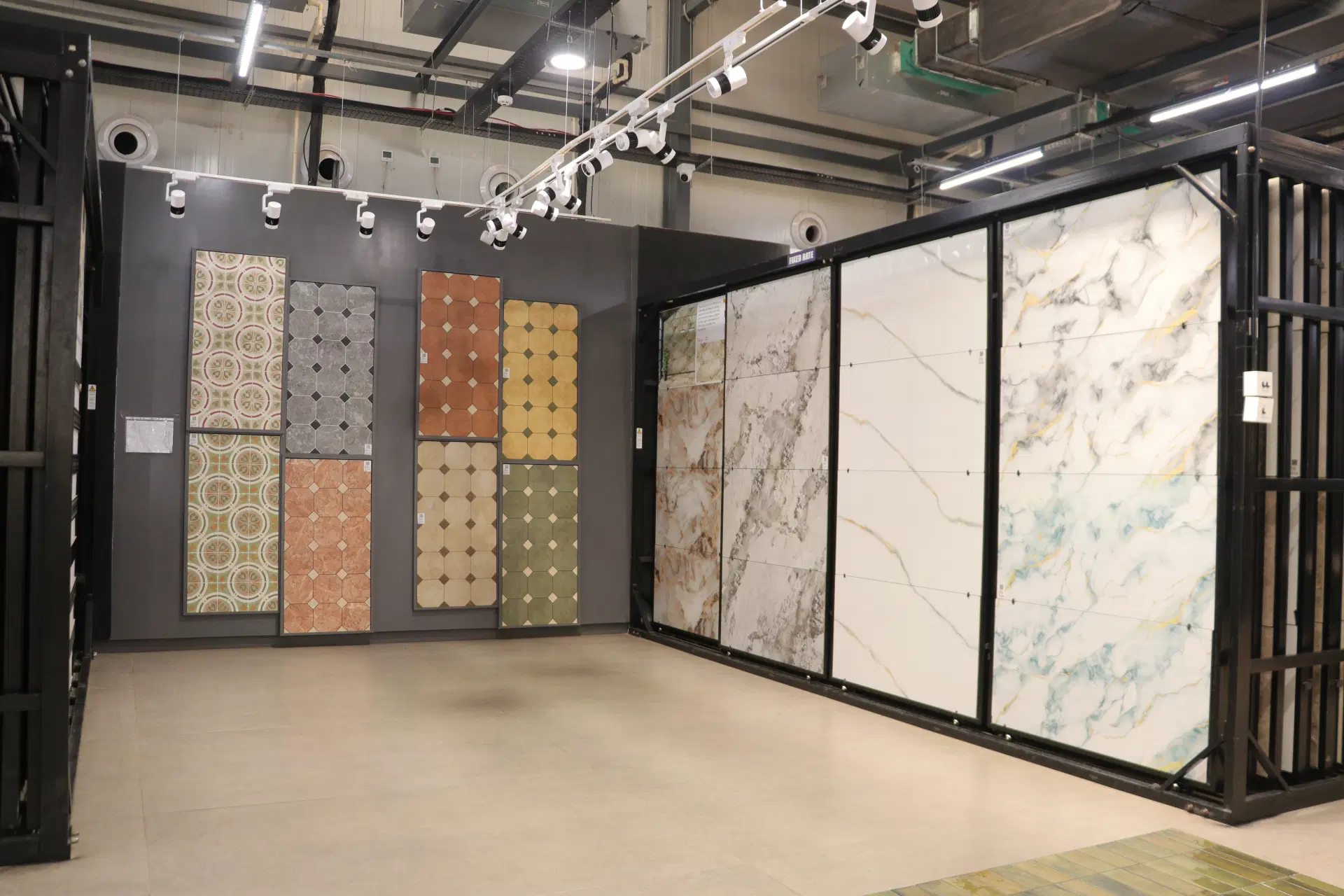
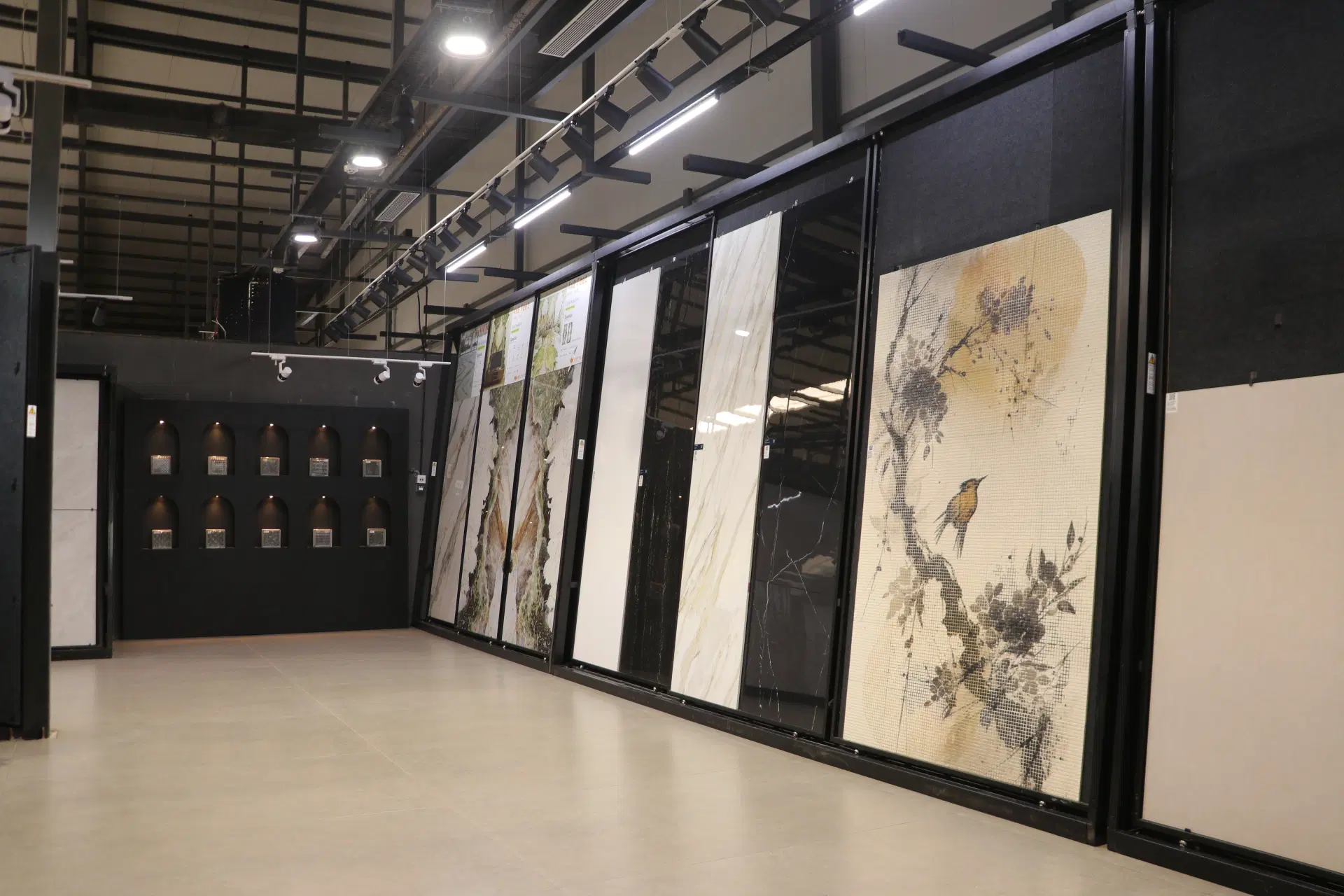
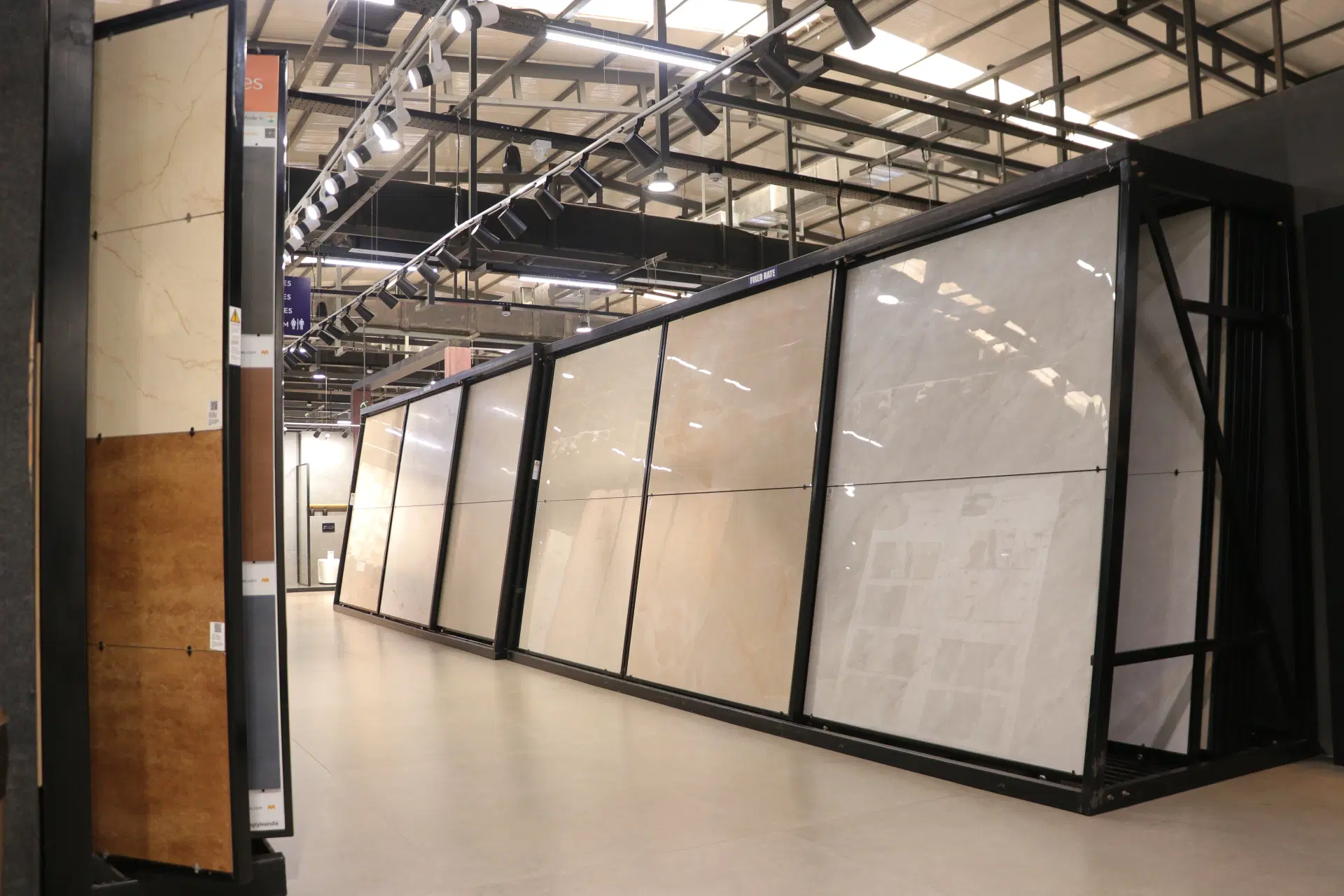
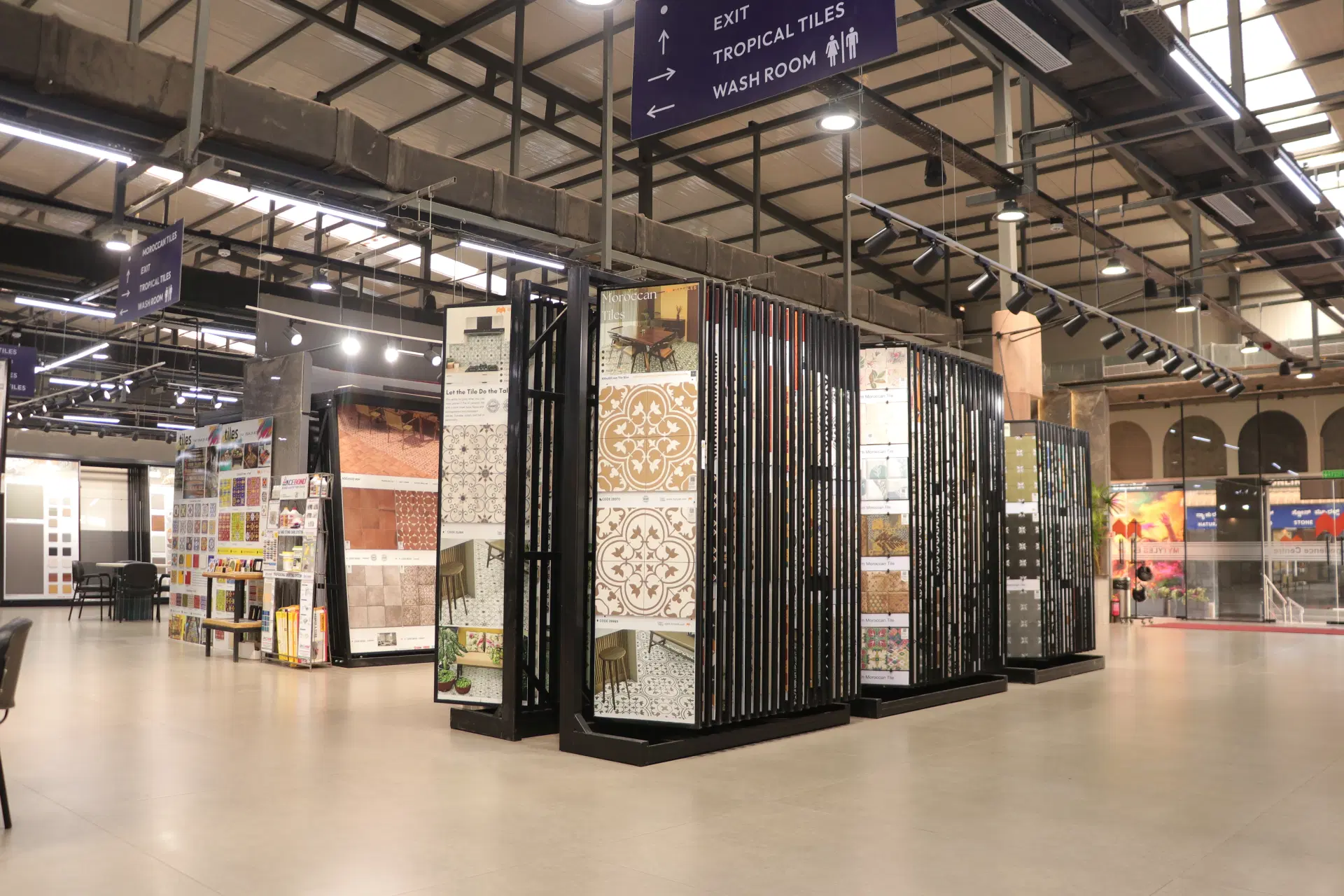
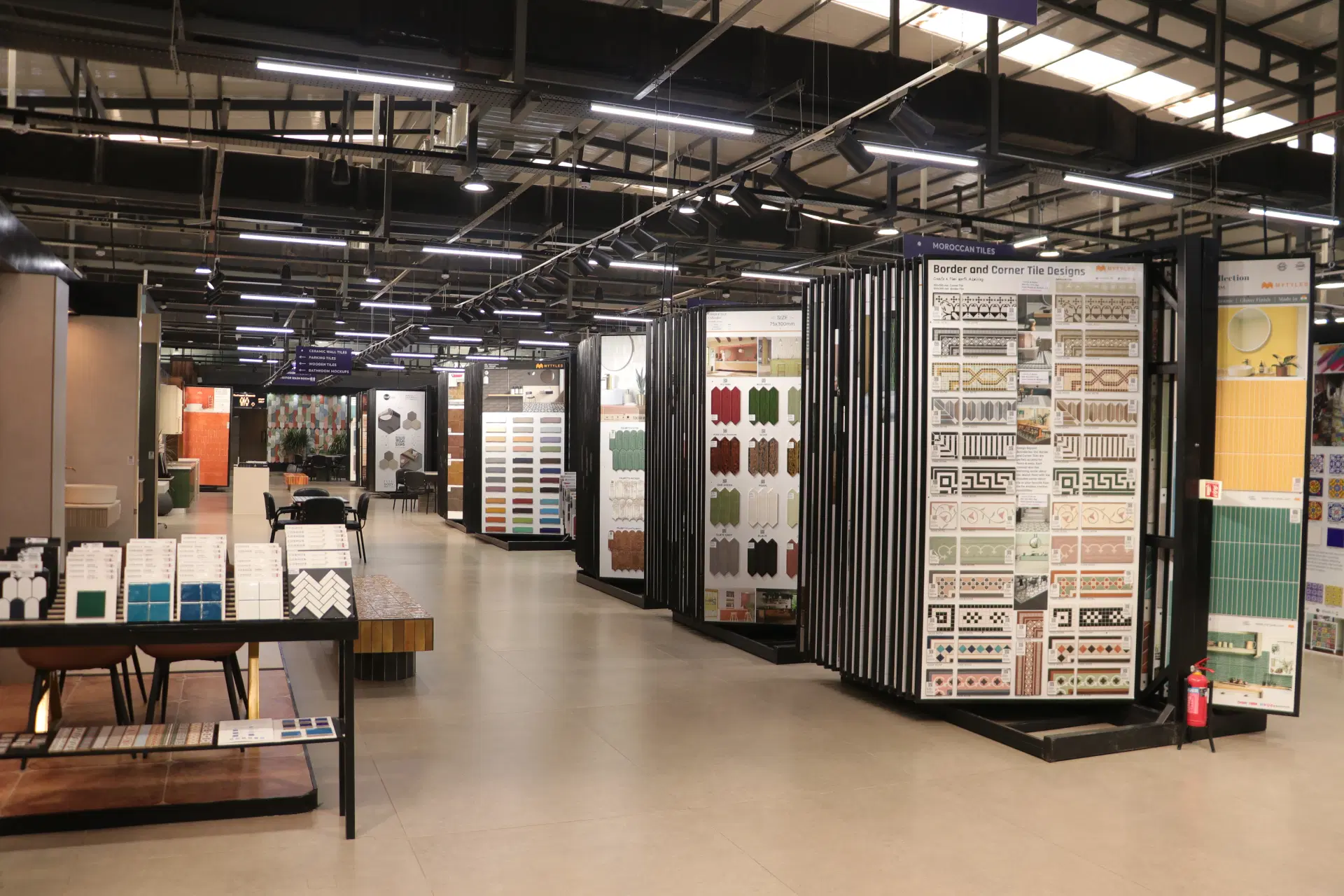
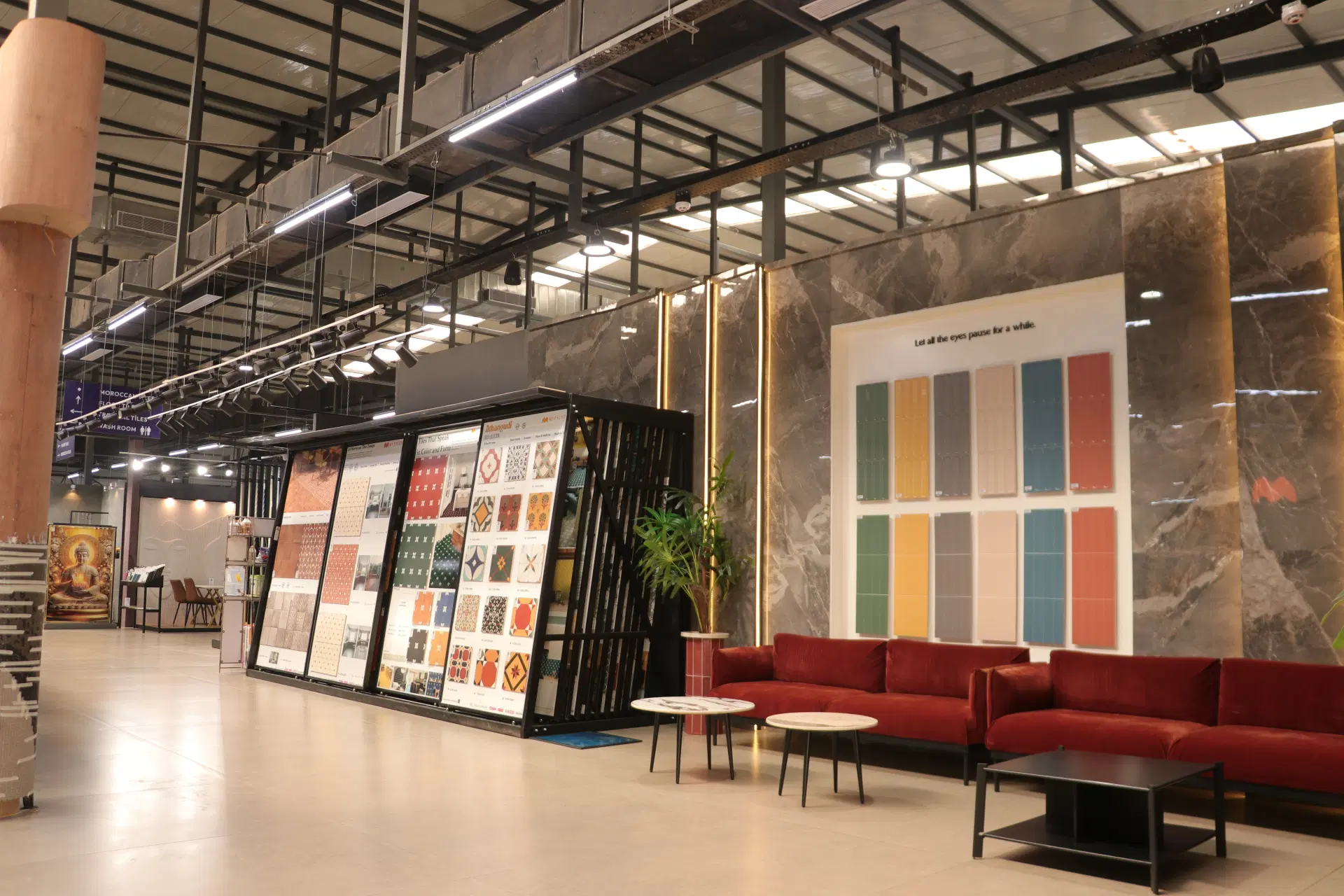
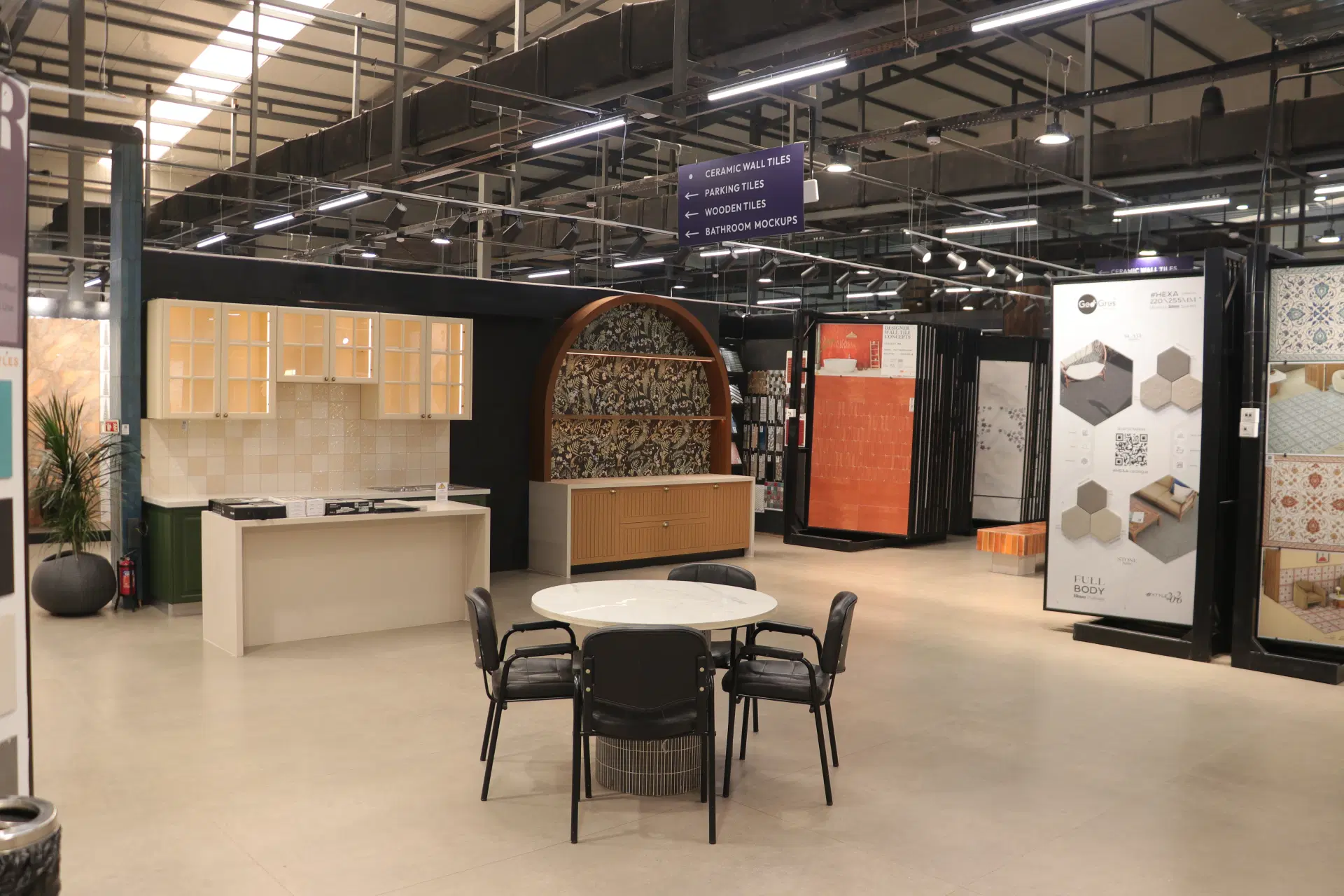
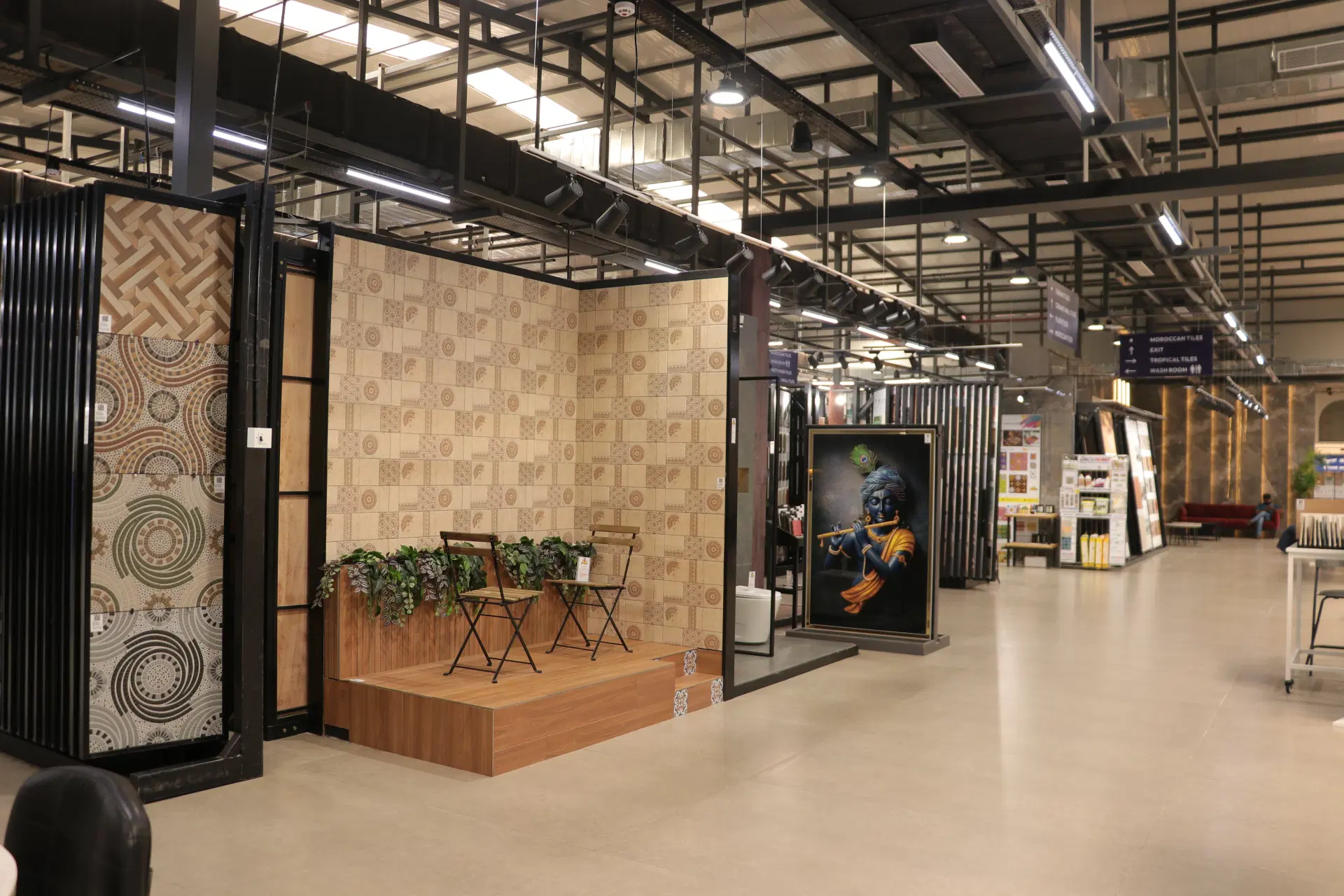
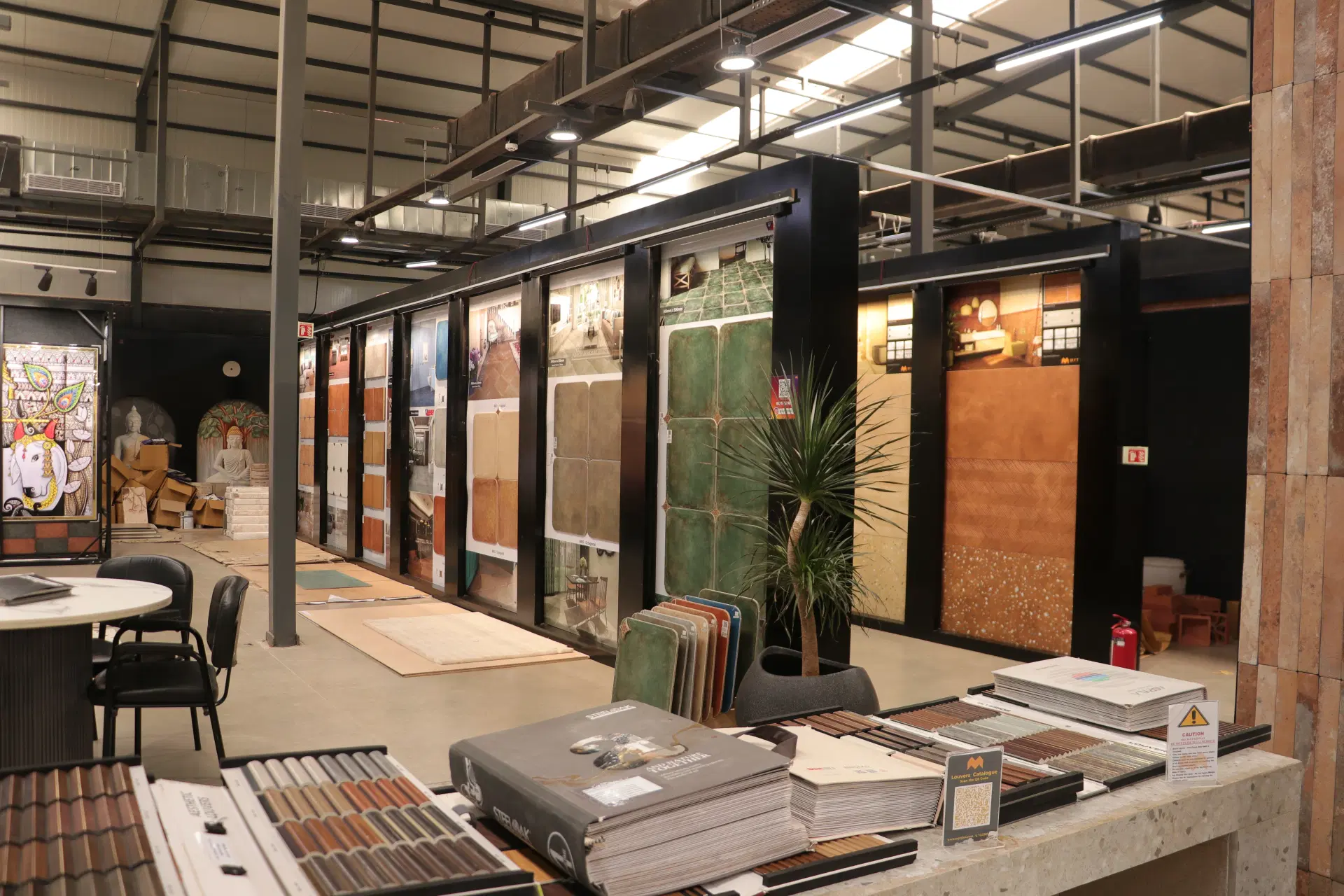
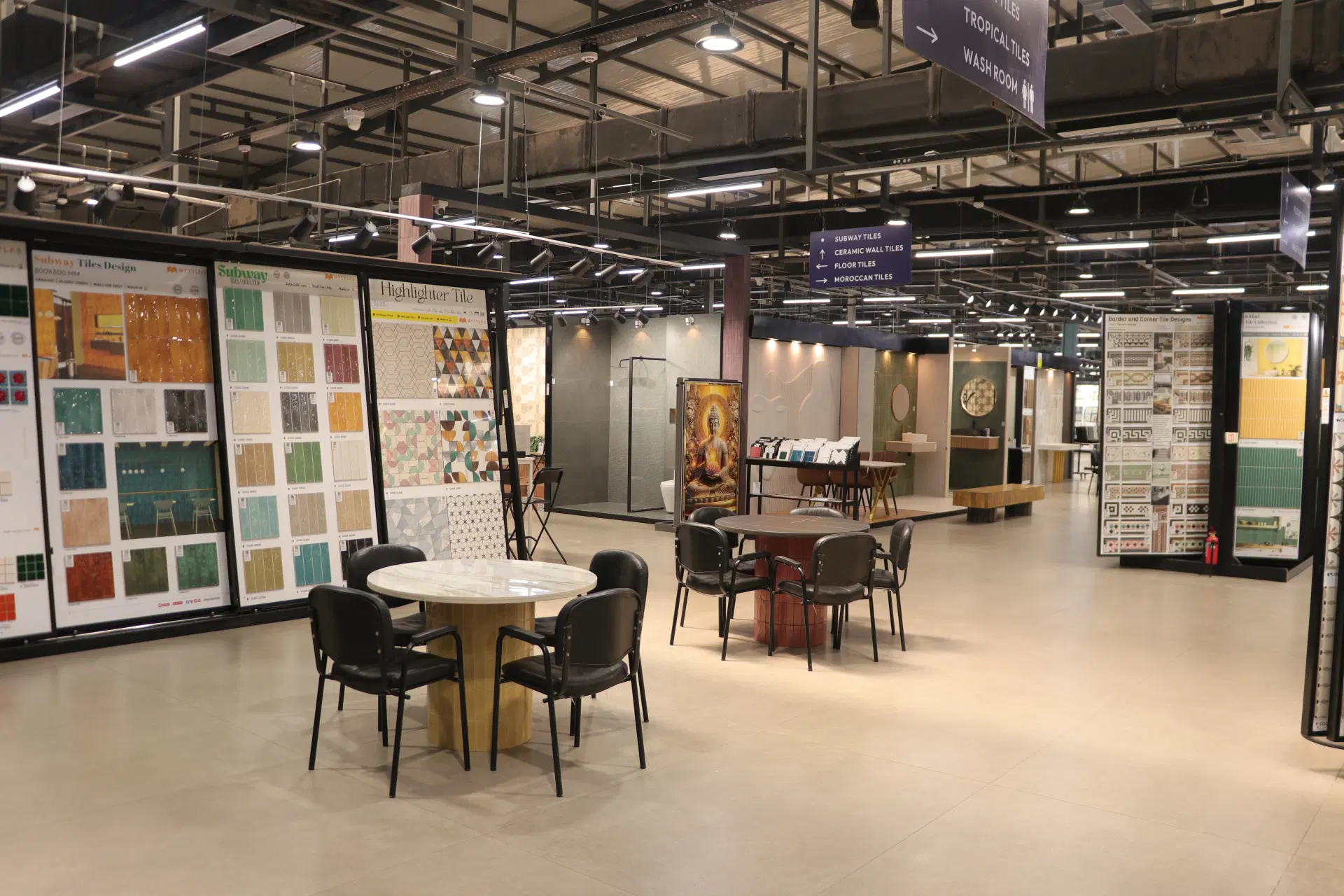
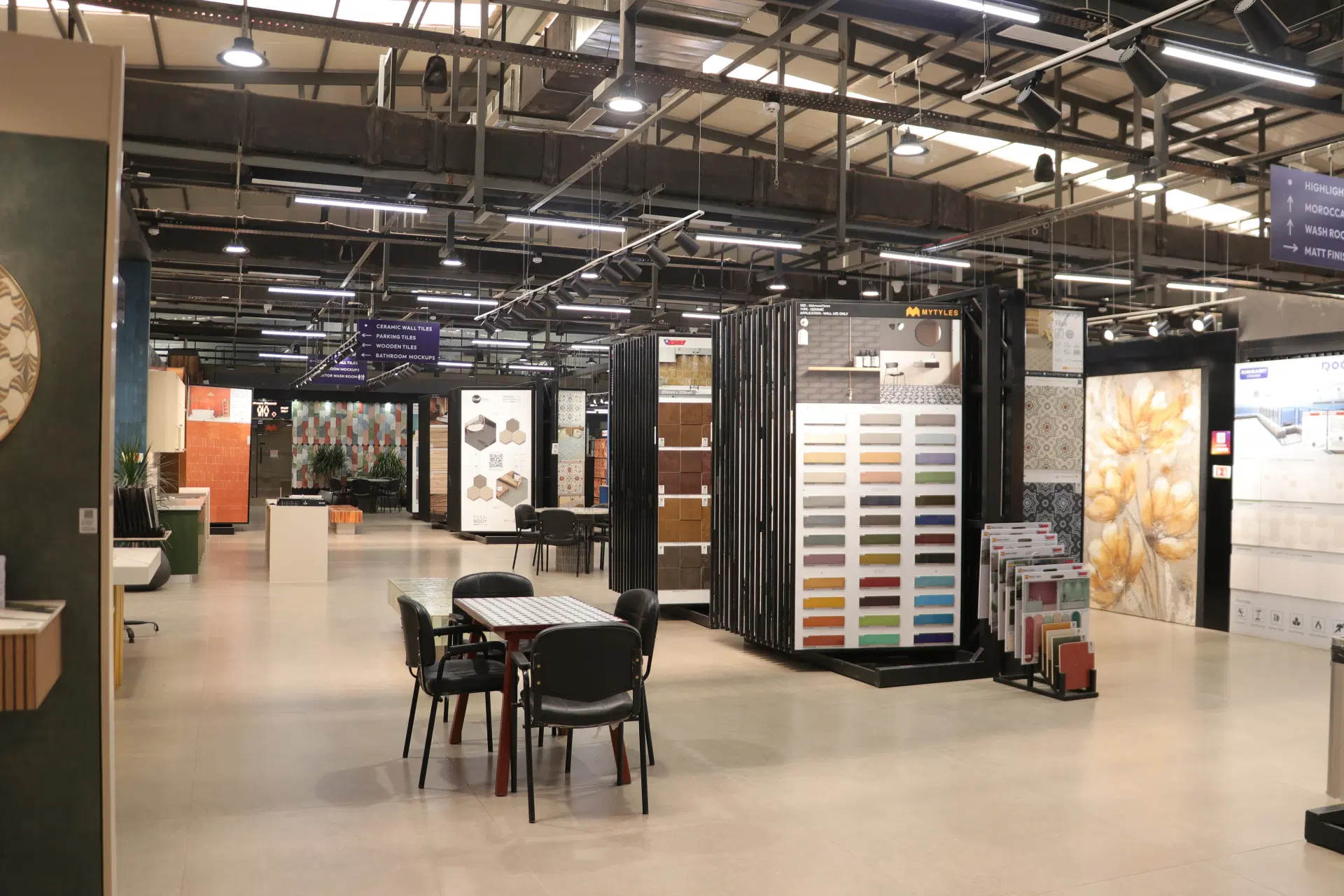
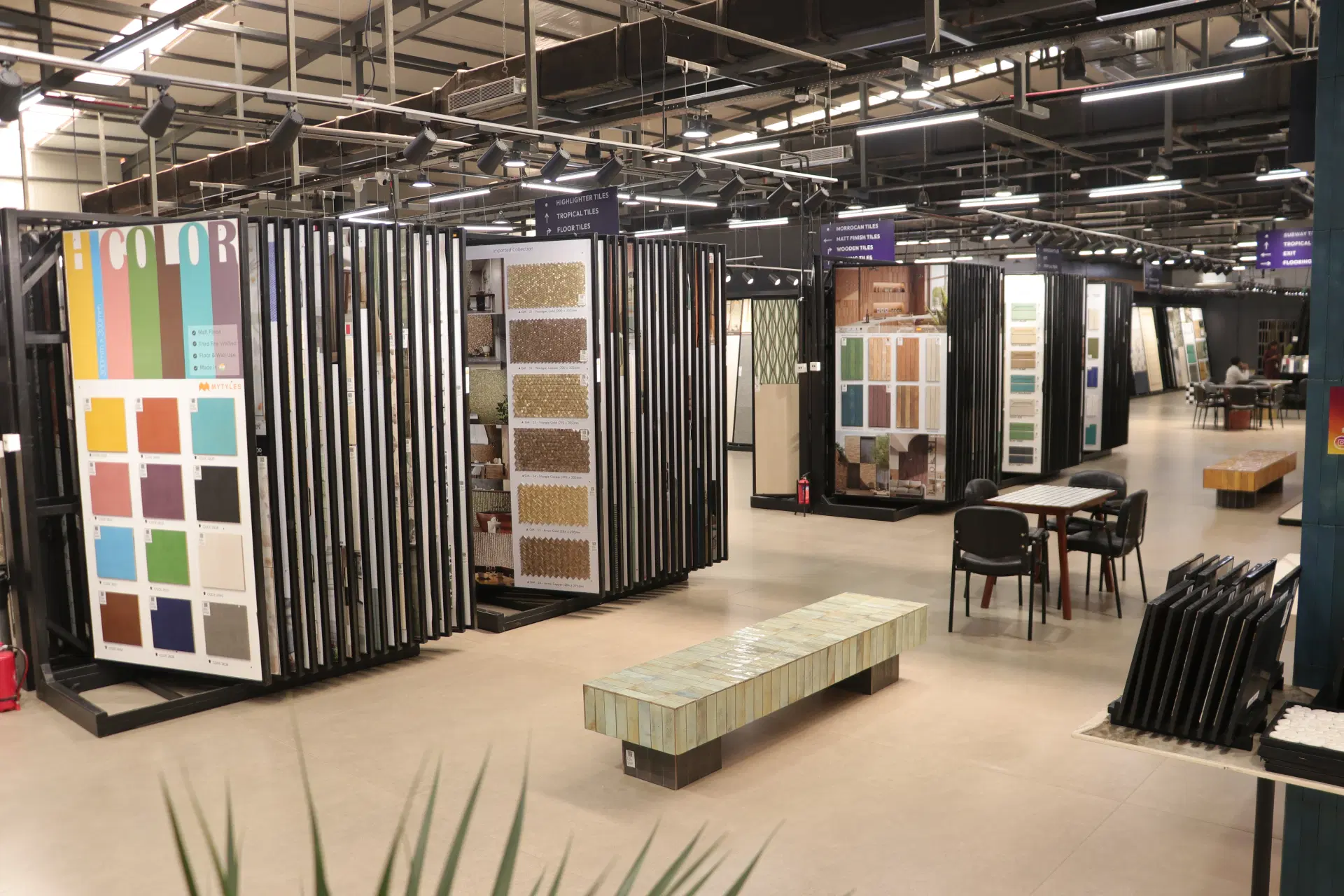
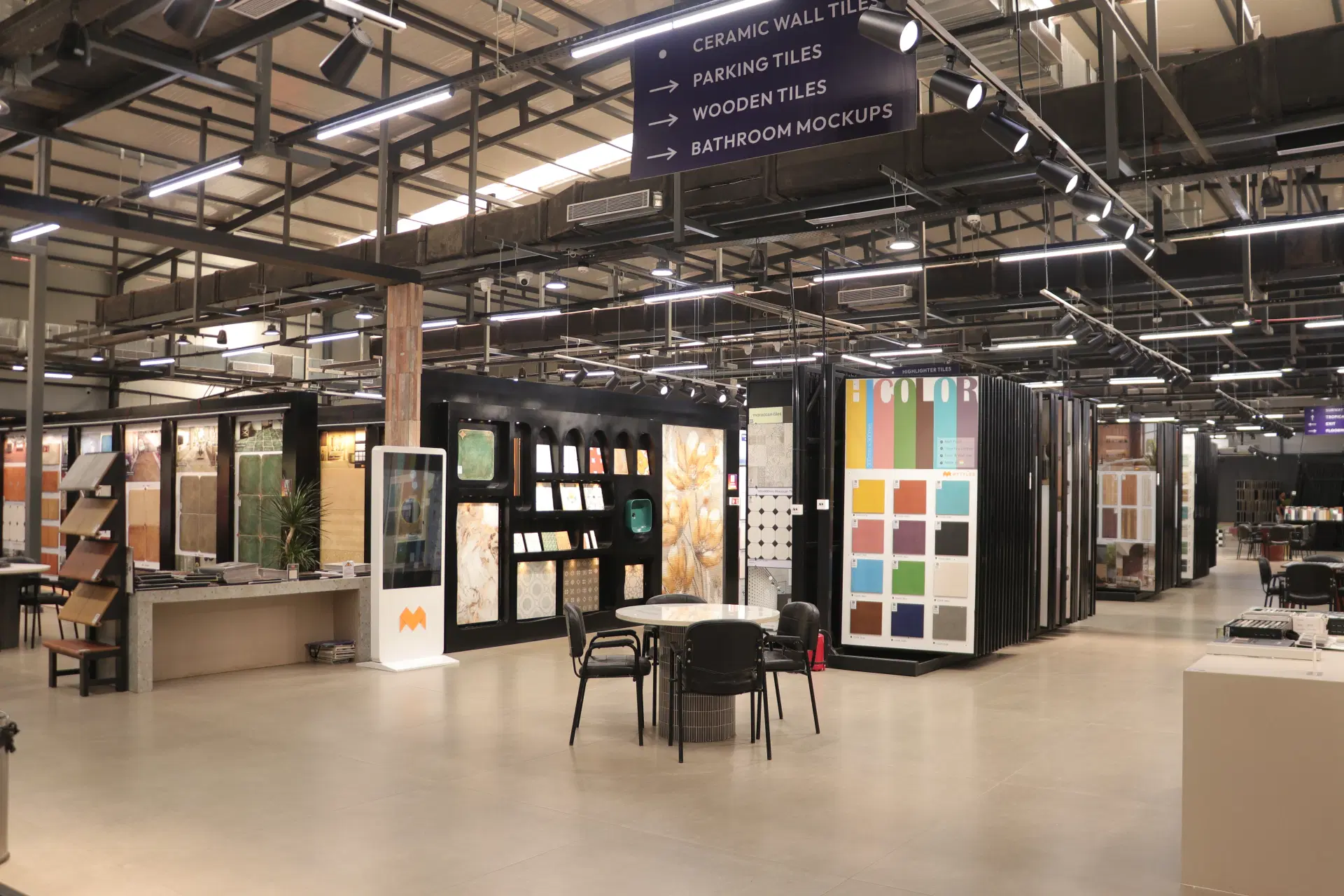
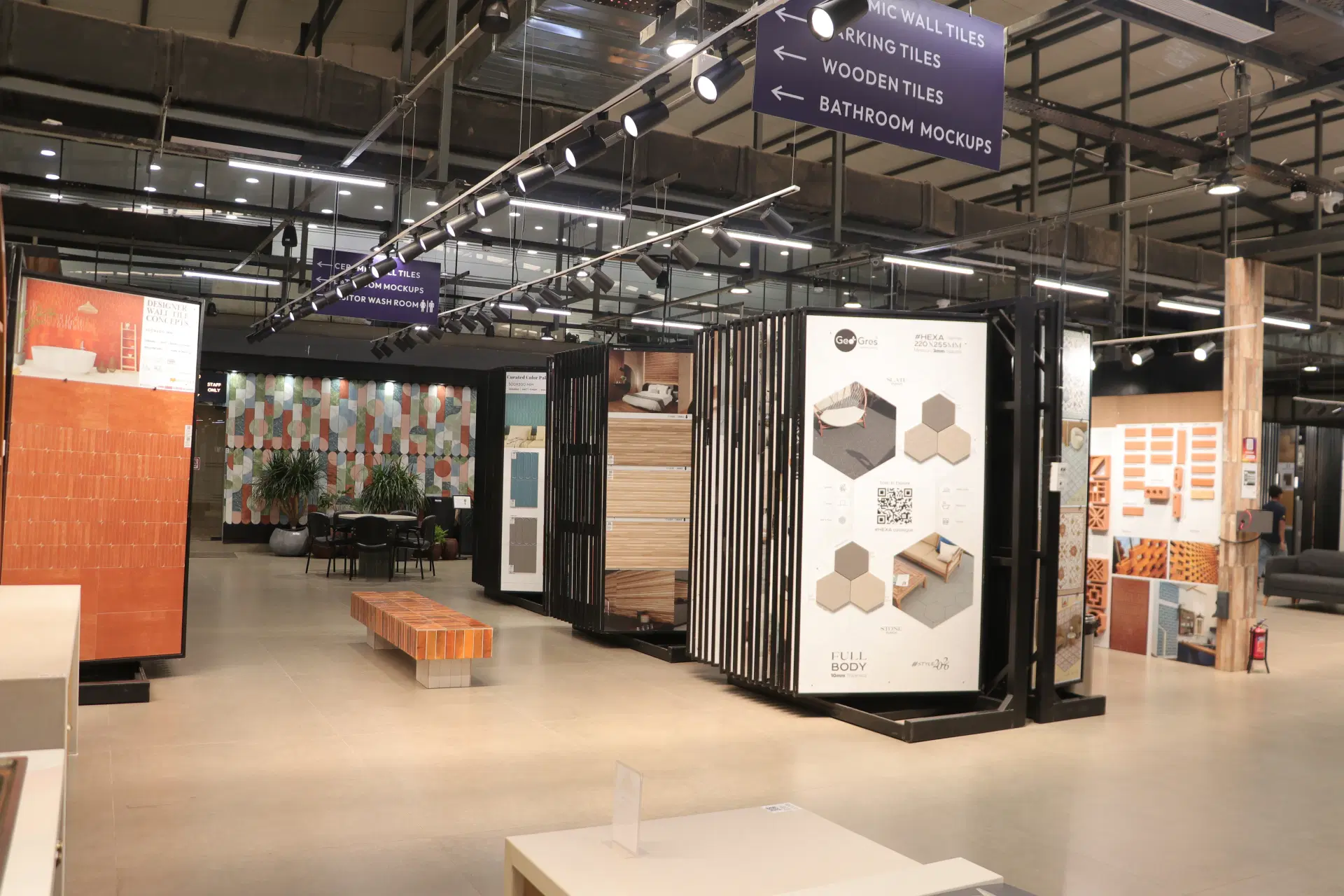
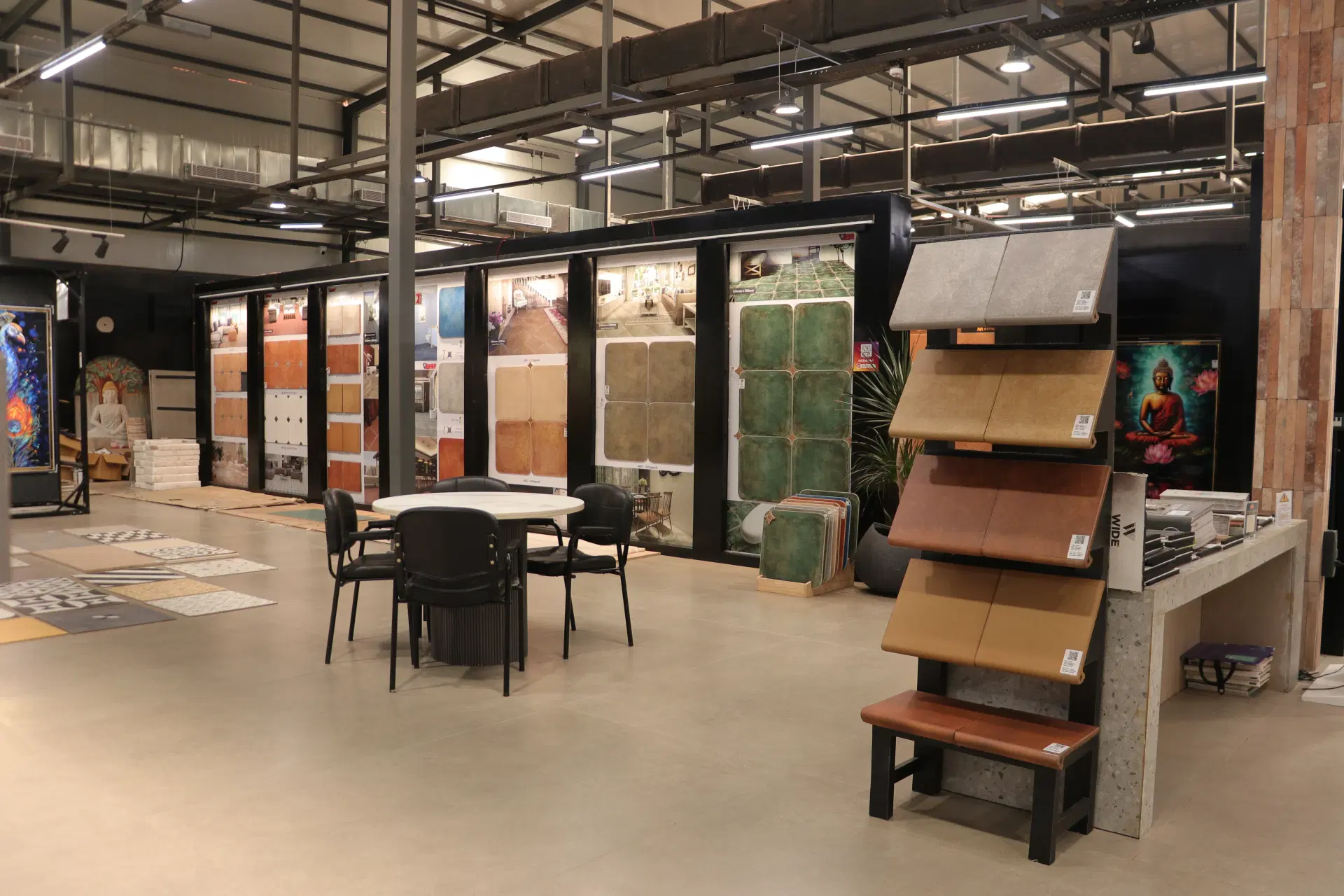
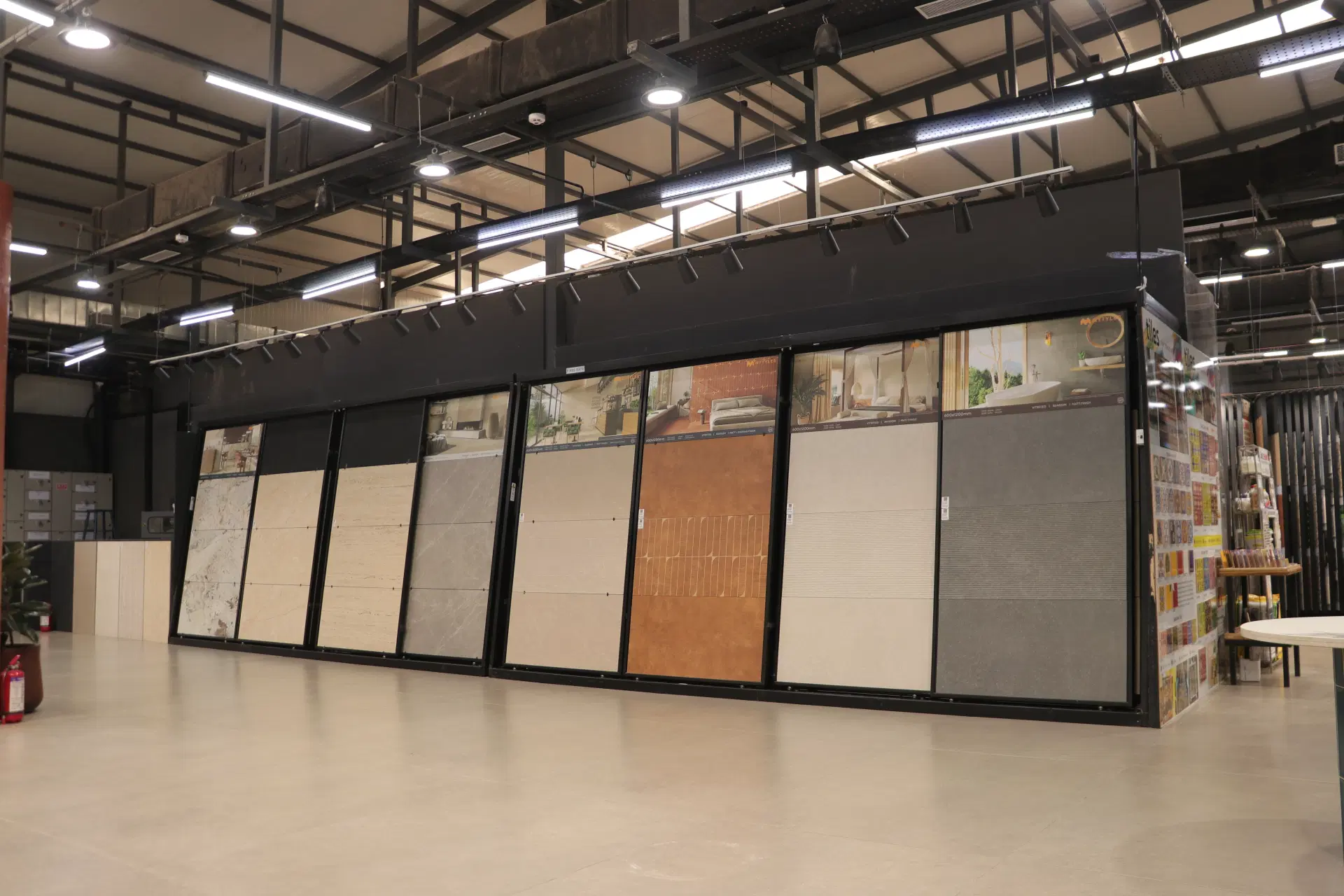
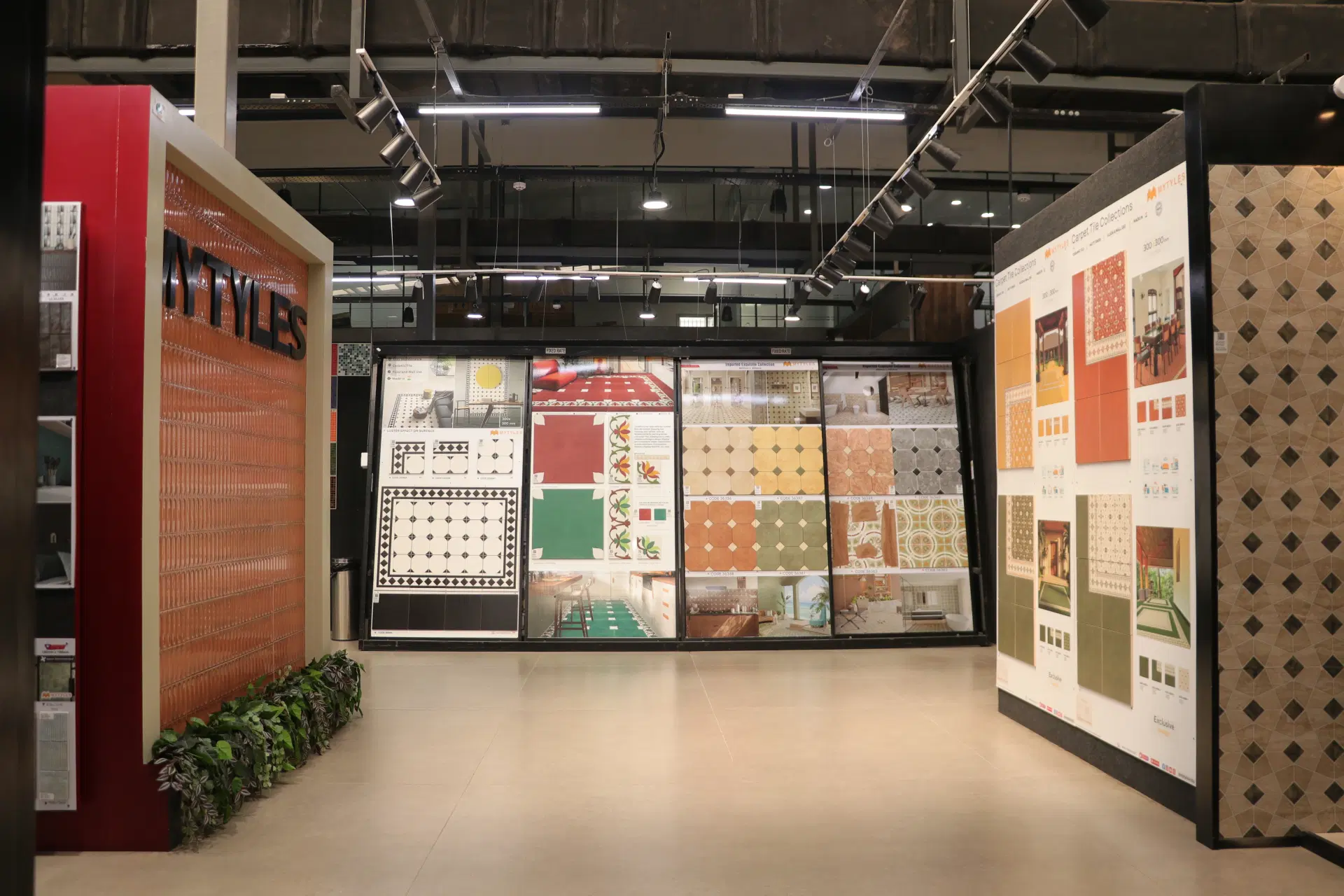
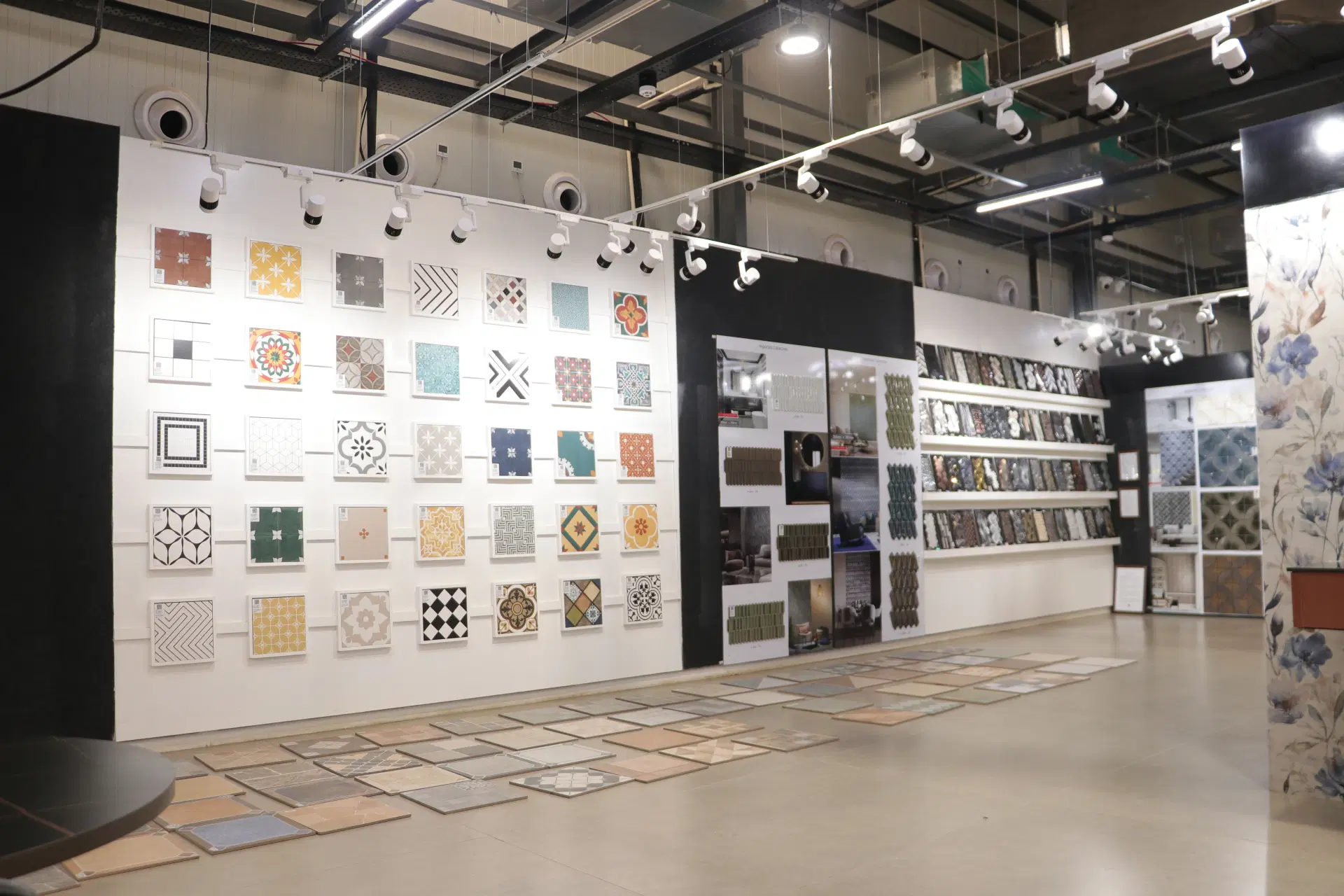
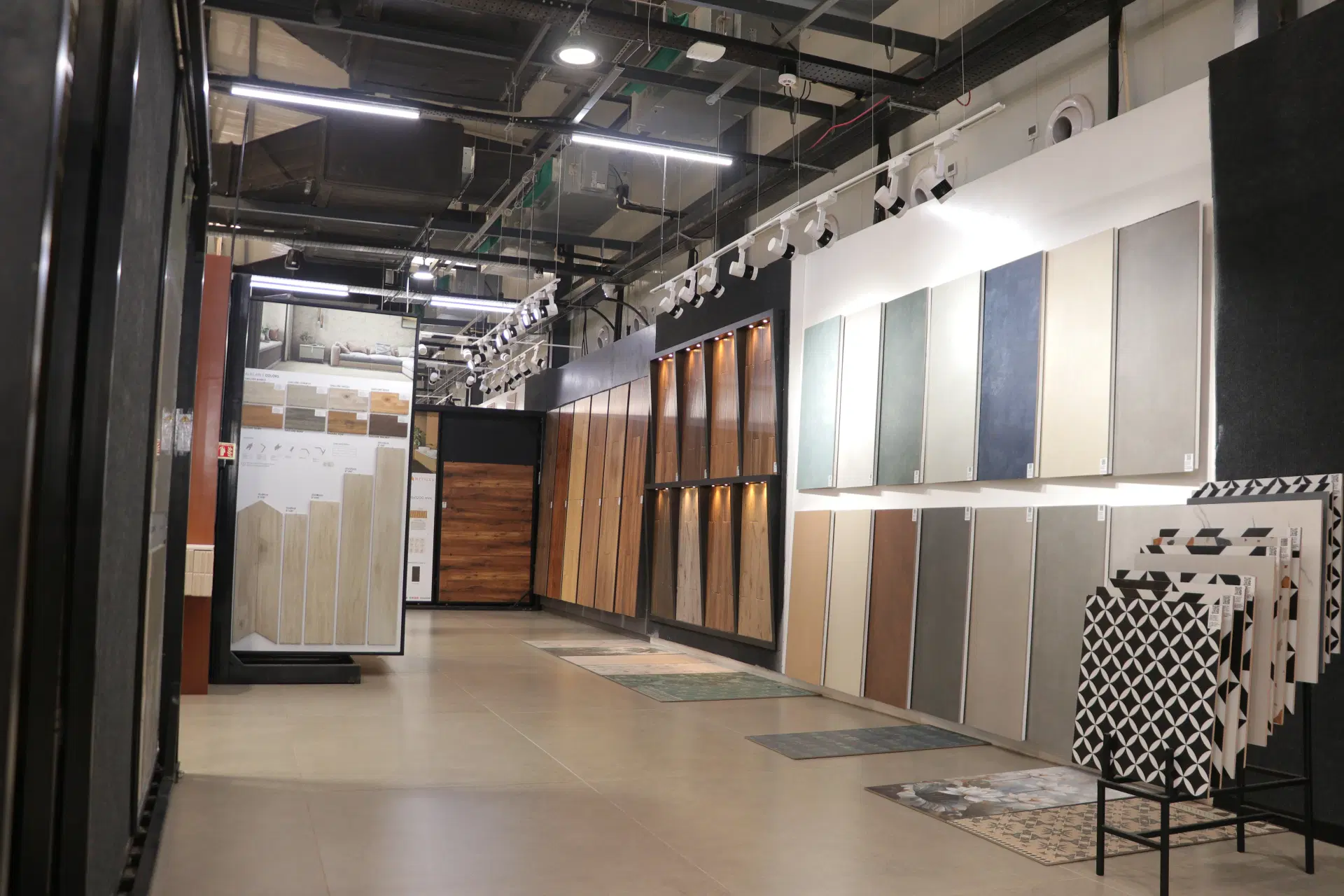
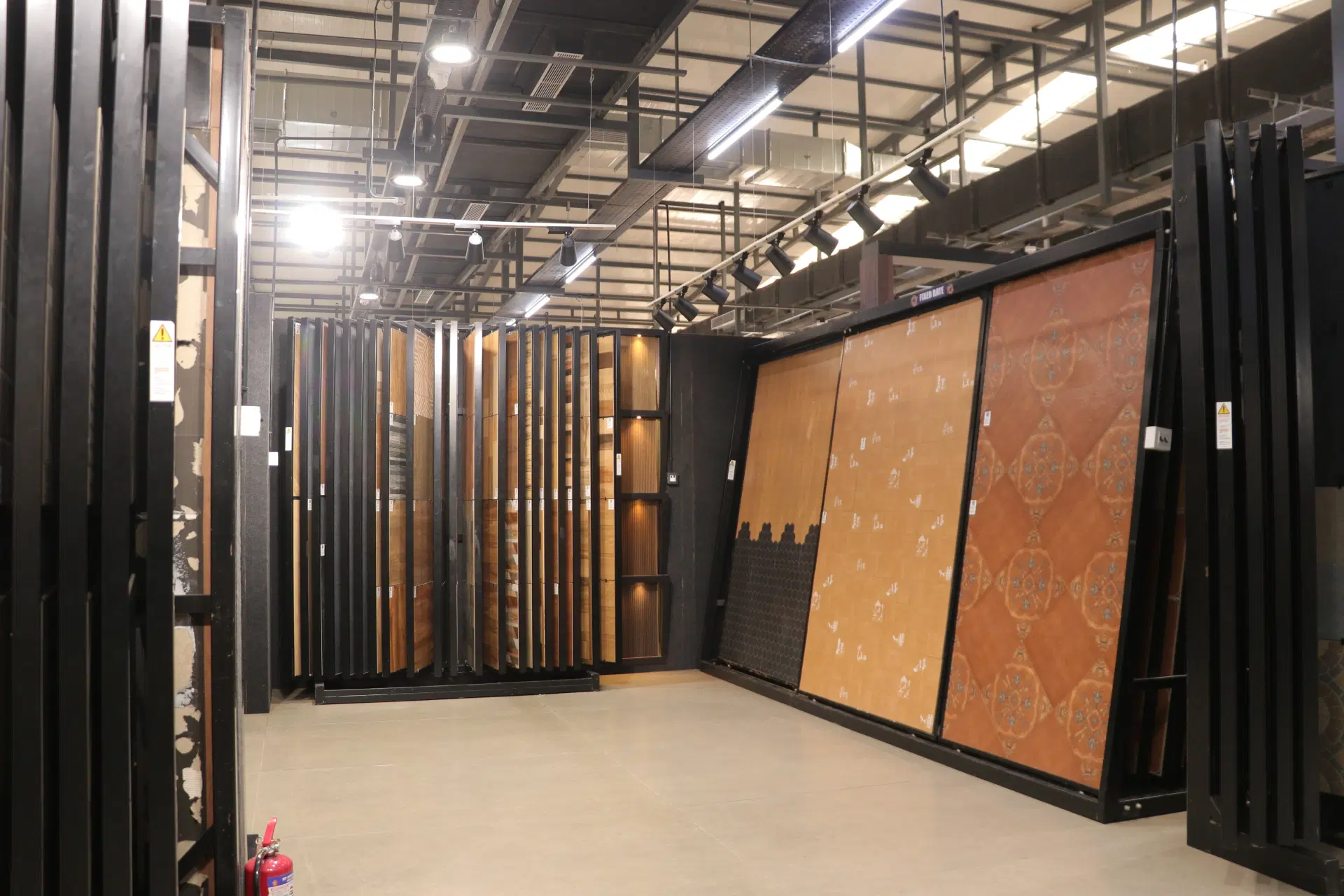
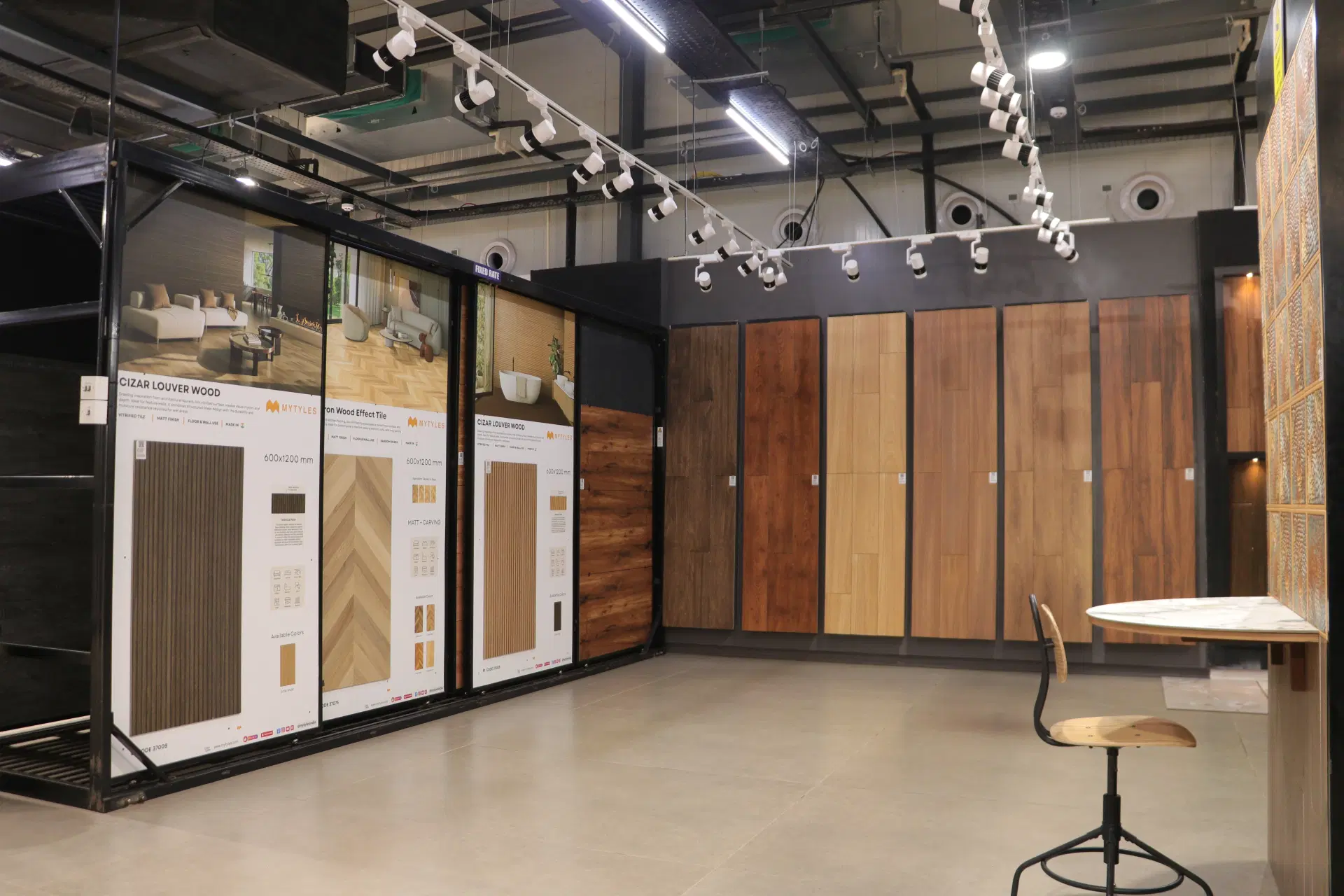
The MyTyles Experience Centre lets you view wooden tiles across different materials, colours, sizes, finishes, and designs before making a decision. The range is also available to browse online, and the team can be reached for specification queries or to discuss suitability for a specific space.