.svg)


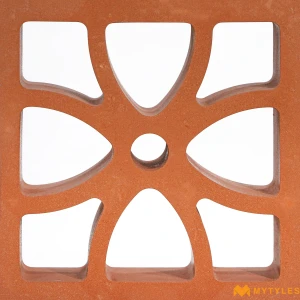

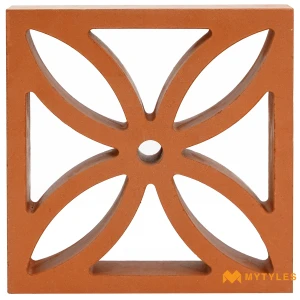
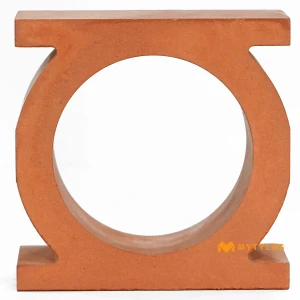
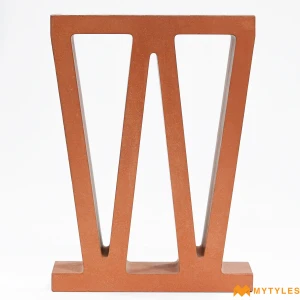
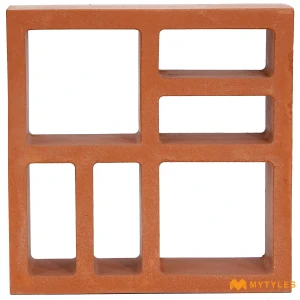
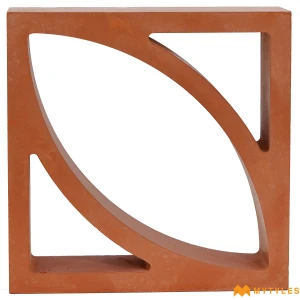
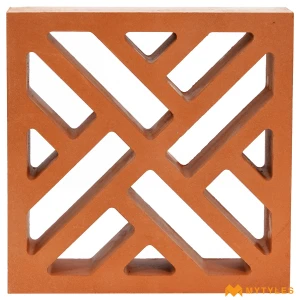
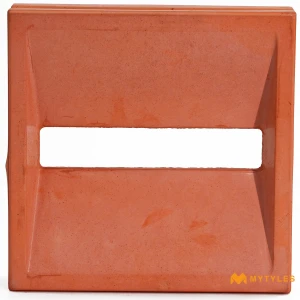
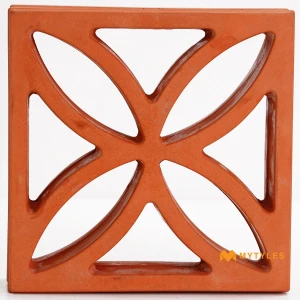
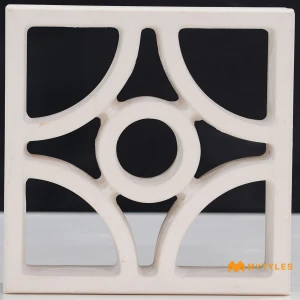
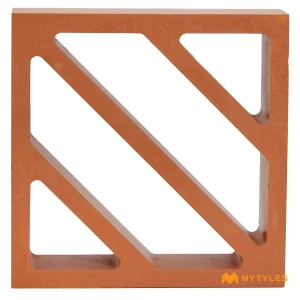
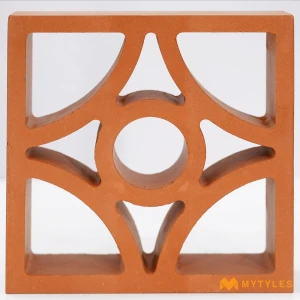
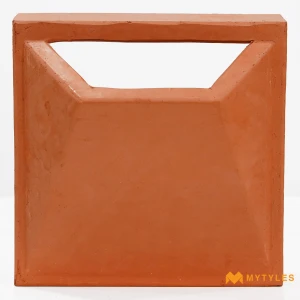
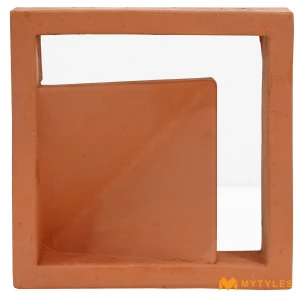
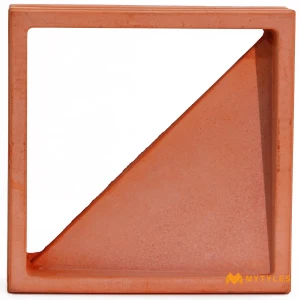
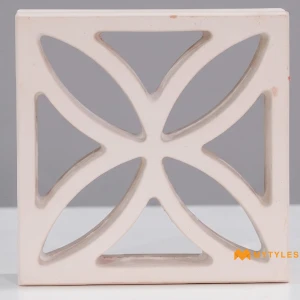
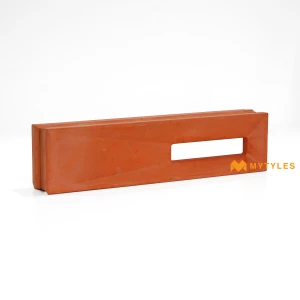
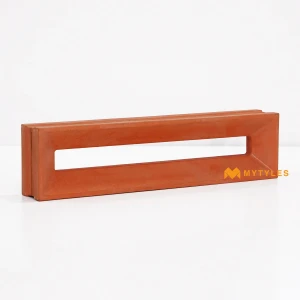
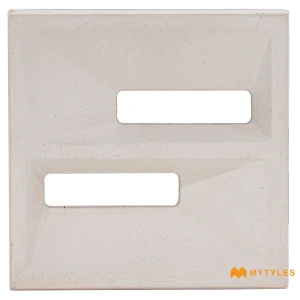
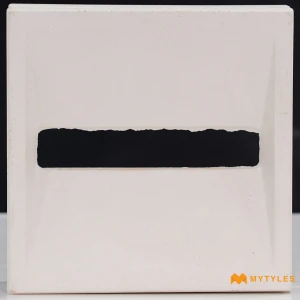
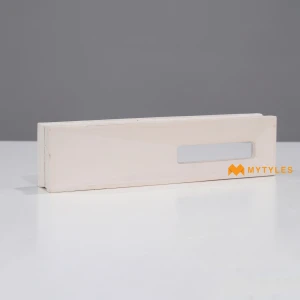
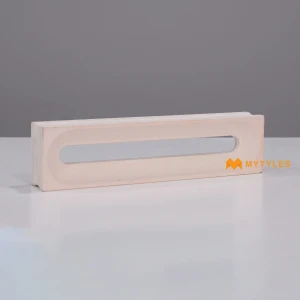
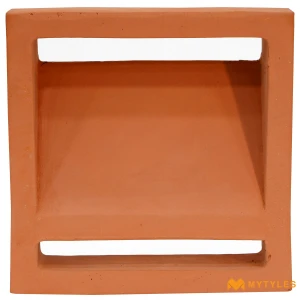
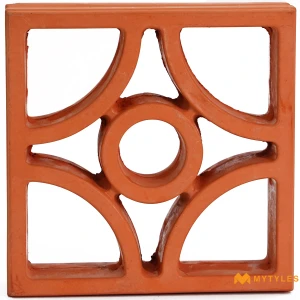
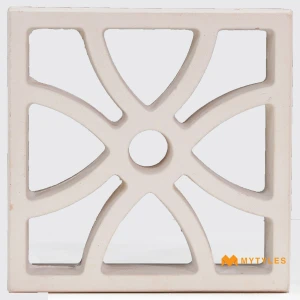
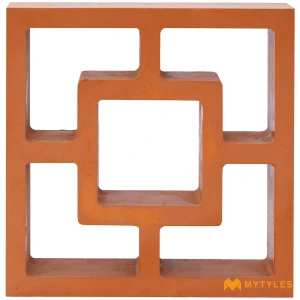
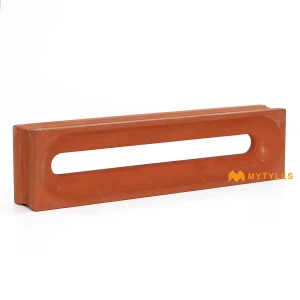
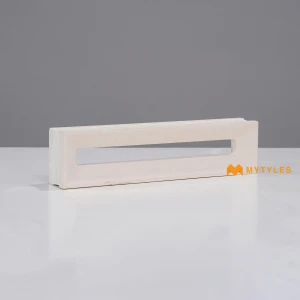
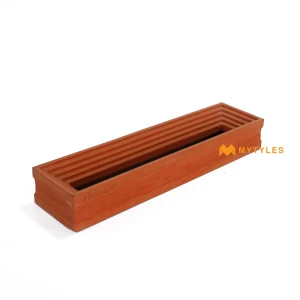
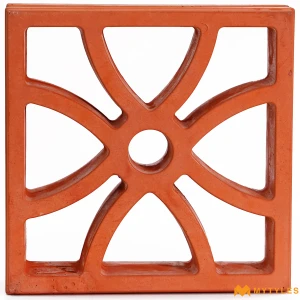
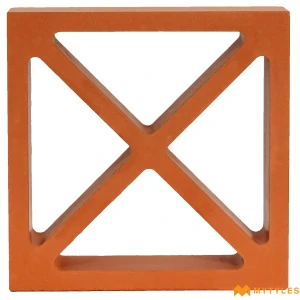
Terracotta Clay Jali For Walls and Facades
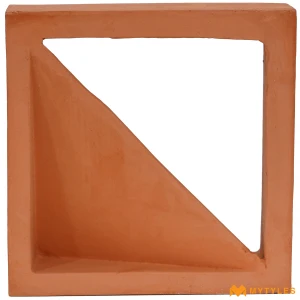
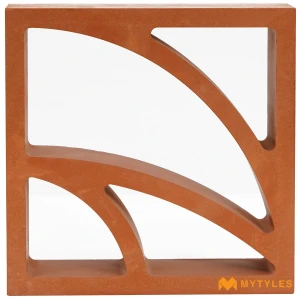
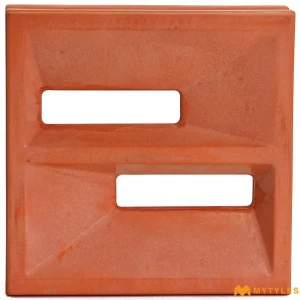
Terracotta clay jali brings pattern, filtered light, and visual separation into a space without the appearance of a fully solid wall. The current MyTyles range includes open-screen terracotta jali designs along with selected two-hole terracotta brick formats, making the category useful for exterior facades, balcony screens, compound-wall features, pooja-room dividers, and interior partitions. Buyers comparing terracotta jali can choose by pattern, opening size, block dimensions, finish, application, and price per piece.
For exterior or taller installations, the design decision should also account for structural support, fixing method, and exposure to rain and wind. Because a jali screen is an architectural element rather than a conventional wall tile, installation should be planned with the contractor before ordering the required quantity.
Terracotta Jali Designs for Walls, Facades, and Partitions
A terracotta jali design can change how much light, air, and visual screening a wall provides. Larger openings create a more open appearance, while denser patterns can provide stronger visual separation. However, the right option depends on the wall position, viewing distance, and the purpose of the screen rather than on pattern alone.
Exterior Facades and Elevation Screens
On a facade or elevation, terracotta jali can add depth to an otherwise flat surface and create changing light-and-shadow patterns through the day. It may be used across a complete screen or as a controlled feature within a larger elevation. Before choosing terracotta jali for facade use, confirm that the selected product and support system are suitable for the intended exterior location. Wind exposure, rain, fixing details, wall height, and maintenance access should be considered during planning.
Balcony and Compound-Wall Applications
Terracotta jali for balcony areas can be used along a side screen, planter edge, or seating zone where some separation is useful without fully closing the space. Similar screens can be considered for selected compound-wall sections when the structural design supports them. Also, since the amount of privacy depends on the pattern, opening size, viewing angle, and distance, a sample or layout mock-up is useful before finalising a large installation.
Interior and Pooja-Room Partitions
Inside the home, terracotta jali for partition use can define a foyer, separate living and dining areas, frame a staircase, or create a lighter divider around a pooja space. An open jali wall can maintain a visual connection between adjoining areas while giving each zone a clearer boundary. You can also explore Pooja Room Tiles for surrounding surfaces. For indoor jali installations, check the finished wall thickness, edge treatment, frame or masonry support, alignment, and how electrical points, skirting, or adjacent furniture will meet the screen.
Terracotta Jali Blocks, Clay Jali, and Brick Formats
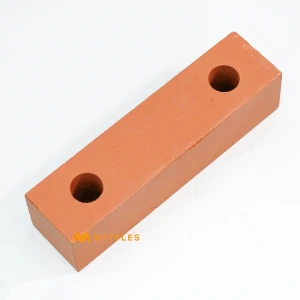
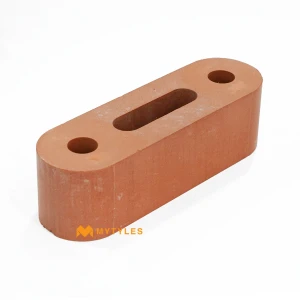
Searches for clay jali, jali bricks, and terracotta bricks often overlap because these products can share a fired-clay appearance and perforated construction. On the current category page, MyTyles lists patterned terracotta jali screens as well as two-hole terracotta brick formats.
The screen products are better suited to decorative jali wall layouts, while brick formats create a more linear, architectural look. Buyers looking specifically for decorative brick-look tiles should explore the separate brick tiles category rather than treating the two products as interchangeable.
Natural fired materials can show small differences in tone and surface appearance between pieces. For a more even finished wall, inspect pieces from the order before installation and distribute visible shade variation across the layout instead of grouping similar tones in one area.
Clay Jali Tiles Vs. Terracotta Jali Bricks
There is a meaningful difference between clay jali tiles and terracotta jali bricks or terracotta block jali formats. Clay jali tiles are typically flat decorative screen panels, while terracotta block jali and terracotta jali bricks are three-dimensional fired-clay blocks with perforations that form the pattern through the full thickness of the block. The block format gives greater structural integrity, while clay jali tiles are often better suited to lightweight interior installations.
Buyers searching for jali bricks or a jali brick format should note that some results may also return conventional two-hole terracotta bricks, which are a masonry product rather than a decorative screen. Confirm the product type before ordering.
Terracotta Clay Jali Sizes
Understanding terracotta jali dimensions is essential before calculating quantity and laying out the wall. At MyTyles, terracotta clay jali blocks are available in compact square and rectangular formats, starting from 50x175 mm and going up to 600x1200 mm. The table below gives you an approximate idea of the sizes in terracotta clay jali.
Size in mm | Size in inches | Size in feet |
|---|---|---|
50x175 mm | 2x7 inches | 0.17x0.58 feet |
50x200 mm | 2x8 inches | 0.17x0.67 feet |
75x225 mm | 3x9 inches | 0.25x0.75 feet |
200x600 mm | 8x24 inches | 0.67x2 feet |
300x450 mm | 12x18 inches | 1x1.5 feet |
300x550 mm | 12x22 inches | 1x1.83 feet |
300x600 mm | 12x24 inches | 1x2 feet |
400x600 mm | 16x24 inches | 1.33x2 feet |
600x1200 mm | 24x48 inches | 2x4 feet |
Note: Always verify the exact terracotta jali dimensions on the individual product page before ordering. Use the MyTyles Tile Calculator to estimate quantity, and factor in joint widths, edge cuts, and any structural framing when calculating the final number of pieces.
Terracotta Jali Colour Options & Finish
The terracotta jali colour range from MyTyles currently includes two tones: natural terracotta and white, each suited to a different aesthetic direction. Selecting the right terracotta jali colour early in the design process helps ensure consistency with adjacent wall finishes, flooring, and joinery.
Natural Terracotta
The natural fired-clay shade ranges from a warm burnt orange to a deeper rustic red depending on firing temperature and clay composition. This terracotta jali colour option is the first choice when the goal is to let the material's earthy character dominate, ideal for biophilic interiors, heritage elevations, or any space where an organic, grounded palette is required.
White Finish
A white-finish terracotta jali colour softens the same textured pattern into something calmer and more contemporary. It suits lighter interiors and minimal facades where the jali pattern needs to stay understated. White is particularly effective as terracotta jali for partition use in open-plan apartments where the screen should recede rather than become a focal point.
Matt Finish
All clay jali tiles in the current MyTyles range carry a matt finish. This keeps the clay surface low in sheen so the texture and natural colour remain the focus. The low reflectivity also ensures that the patterned openings read clearly, allowing the depth and shadow of each terracotta block jali or screen unit to stand out without a glare or overly polished look.
Terracotta Clay Jali Blocks Price
Terracotta jali prices start from ₹65 per piece and go up to ₹285 per piece, depending on size, thickness, design, pattern complexity, and area of application. The approximate price range is given in the table below.
Tile Type | Price Range per piece | Pricing Unit |
|---|---|---|
Clay Terracotta Jali | ₹98 to ₹285 | Per piece |
Matt Finish Terracotta Jali | ₹65 to ₹285 | Per piece |
Note: Prices are indicative and may change by design, size, finish, stock and pricing unit. Verify the latest product-page price before publishing or ordering. Some products may be sold per piece or per set, so always show the correct unit beside the price.
How to Choose a Terracotta Jali Design
Start with the function of the screen. If the priority is filtered light and a more open feel, compare patterns with larger openings. If visual separation is more important, a denser repeat may suit the space better.
Consider the scale of the wall: compact patterns can work well on smaller partitions, while a large facade may need a repeat that remains visually balanced when viewed from a distance.
Also check how the pattern finishes at corners, columns, doors, and ceiling lines. Uneven cut pieces can disturb a repeated jali design, so setting out the wall before installation is important.
For long or tall screens, ask the installer how the blocks will be supported and whether a frame, masonry reinforcement, or another engineered solution is required. Do not assume the jali itself replaces a structural wall or weatherproofing layer.
Discover Terracotta Jali Online at MyTyles
Use the Terracotta Clay Jali category to compare current patterns, sizes, and per-piece prices, then open the individual product page to confirm dimensions, finish, and availability. If the project also needs broader terracotta surfaces, explore Terracotta Tiles. For conventional decorative brick-look wall products, use the Brick Tiles category. Matching the product type to the actual construction requirement helps keep the design intent clear and reduces installation changes later.