.svg)



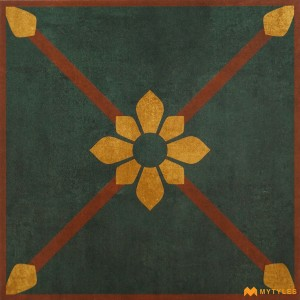
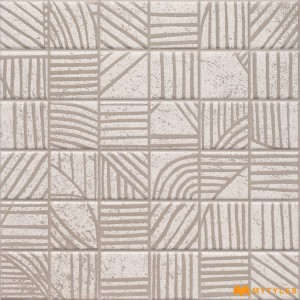
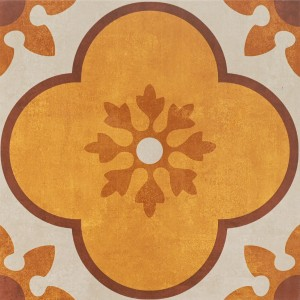
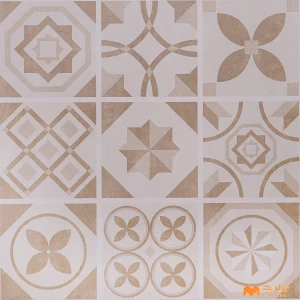
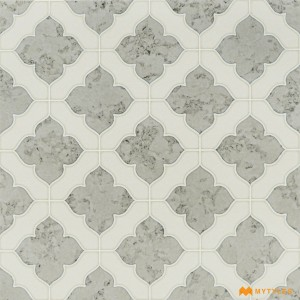
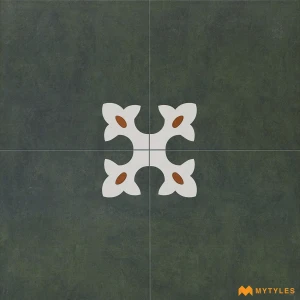
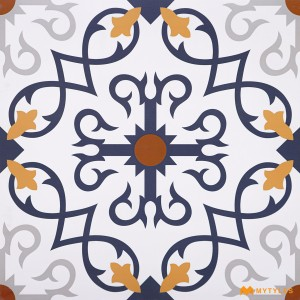
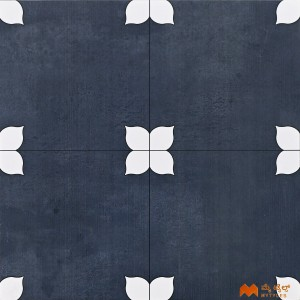
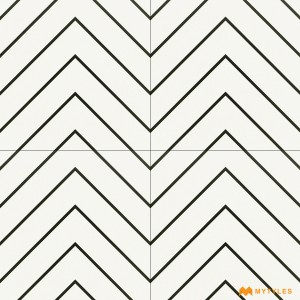
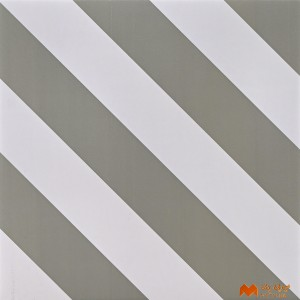
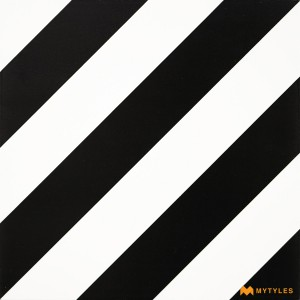
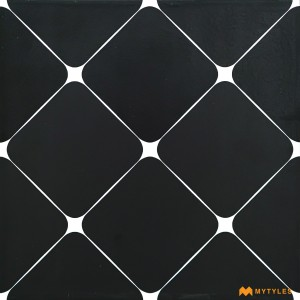
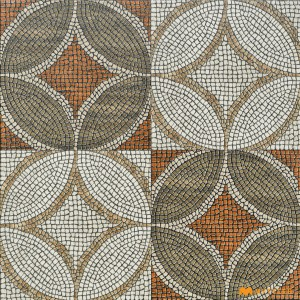
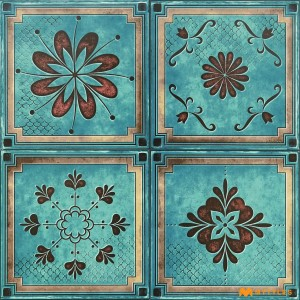
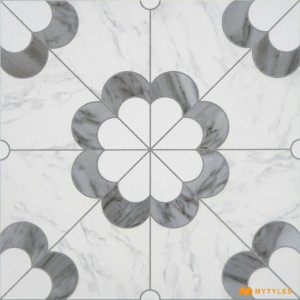
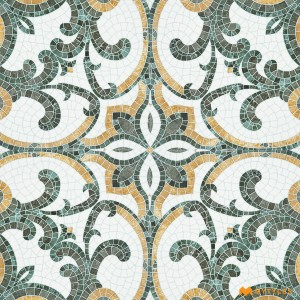
Moroccan Tiles for Patterned Floors and Walls
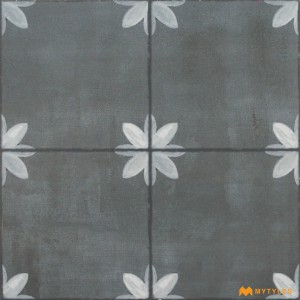
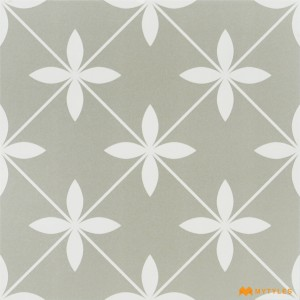
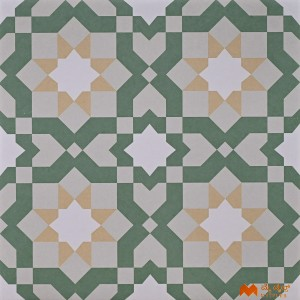
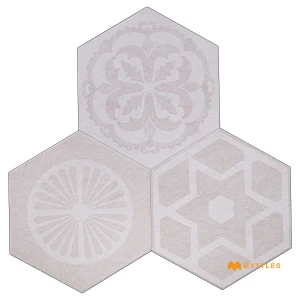
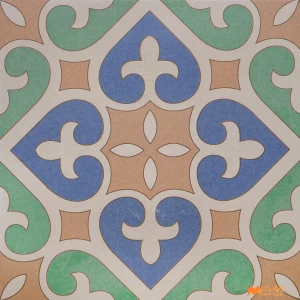
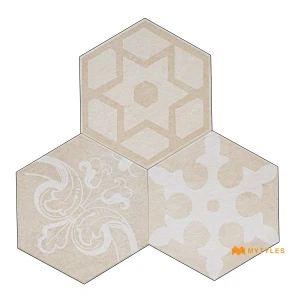
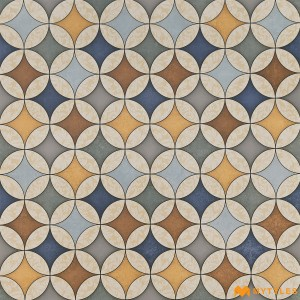
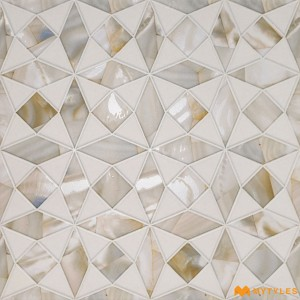
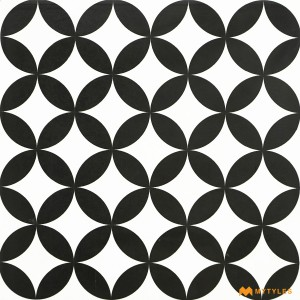
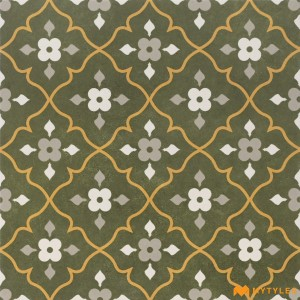
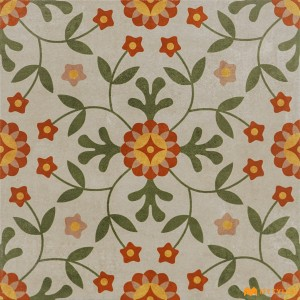
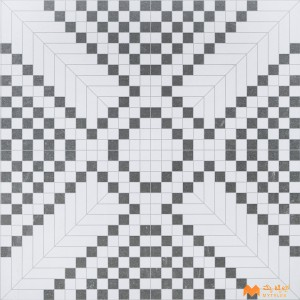
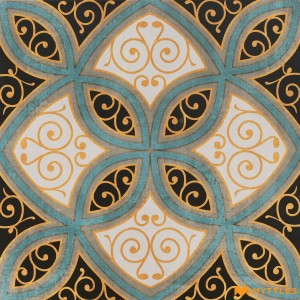
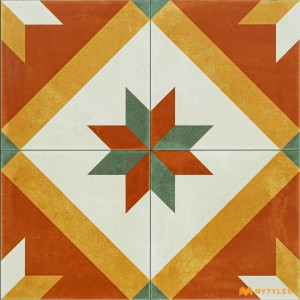
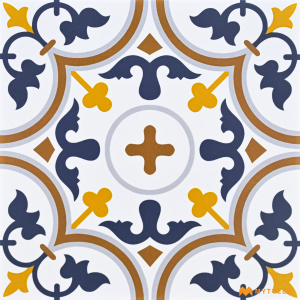
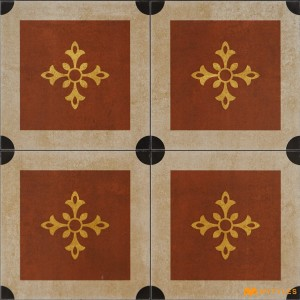
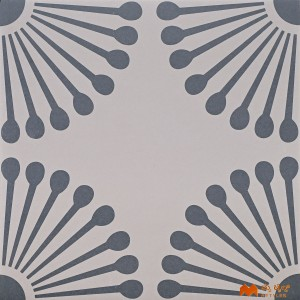
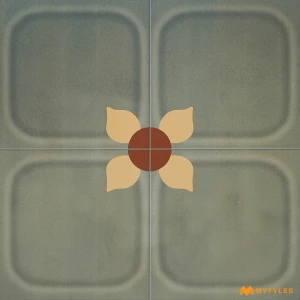
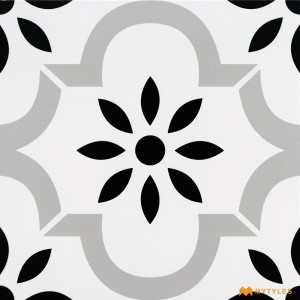
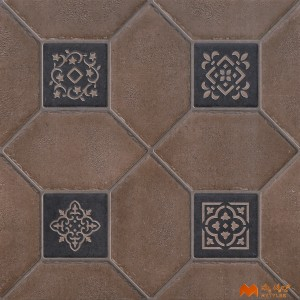
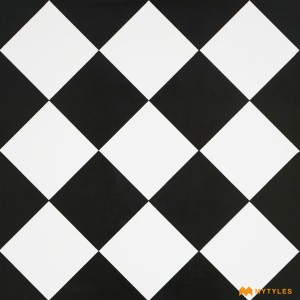
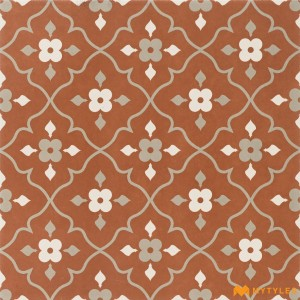
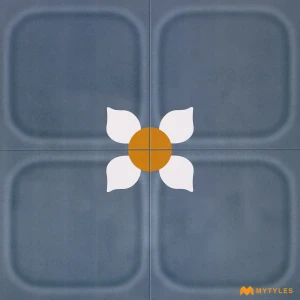
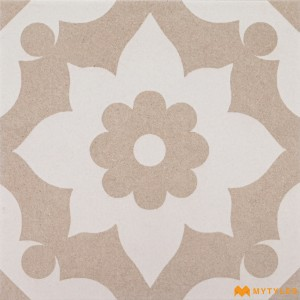
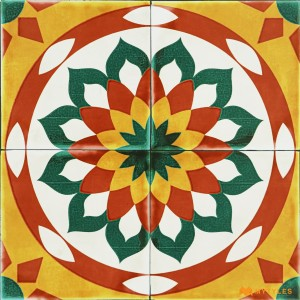
Moroccan tiles are known for bold patterns, balanced symmetry, and rich visual detail. Moroccan tile design often combines geometric symmetry, floral motifs, and colourful pattern work, making it suitable for both traditional interiors and modern Moroccan tile designs. These tiles are ideal for adding character to walls, floors, backsplashes, bathrooms, kitchens, living rooms, and selected outdoor spaces. Available in ceramic, vitrified, and porcelain options, they suit both decorative and functional needs. Choose them for feature walls, patterned flooring, backsplash highlights, or accent corners where the surface needs to stand out without compromising on durability or easy maintenance.
Applications Of Moroccan Tiles
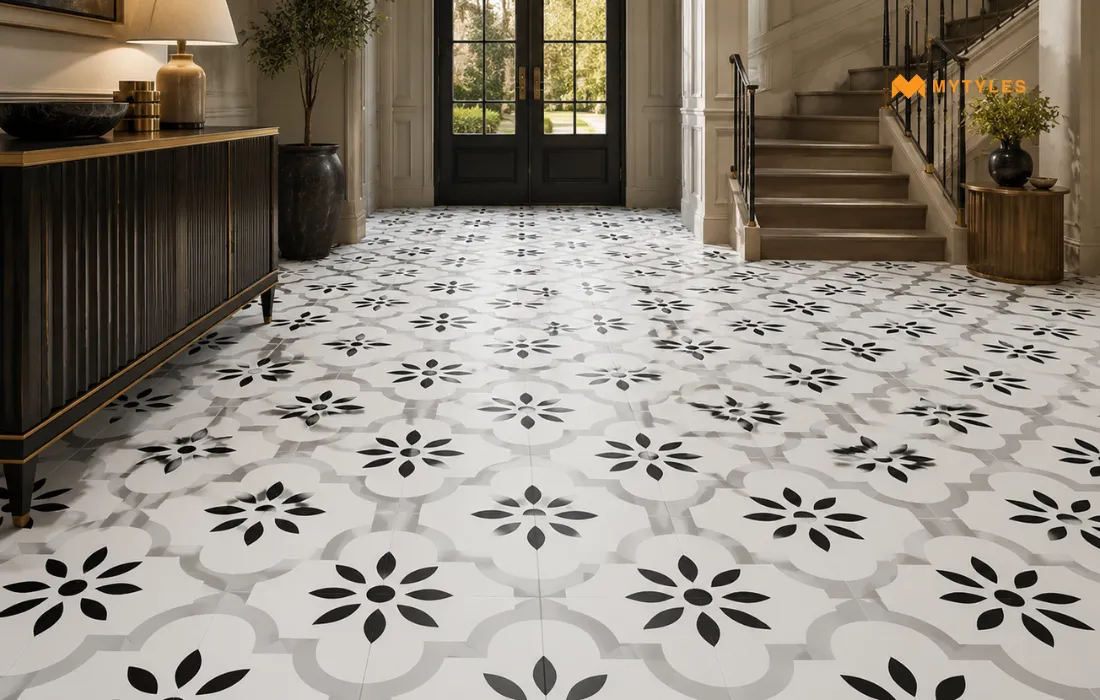
Moroccan tiles can be used on floors, walls, backsplashes, bathrooms, living room walls, and selected outdoor areas, depending on the material and finish. Their patterned surface makes them suitable for areas where the tile design is meant to create a focal point or add contrast to plain interiors.
Application | Recommended Use |
|---|---|
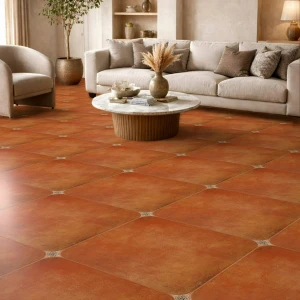
| Flooring Spaces | Moroccan tiles for floors work well where patterned flooring is part of the design plan. For regular foot traffic areas, choose durable Moroccan tiles for flooring in vitrified or porcelain materials. |
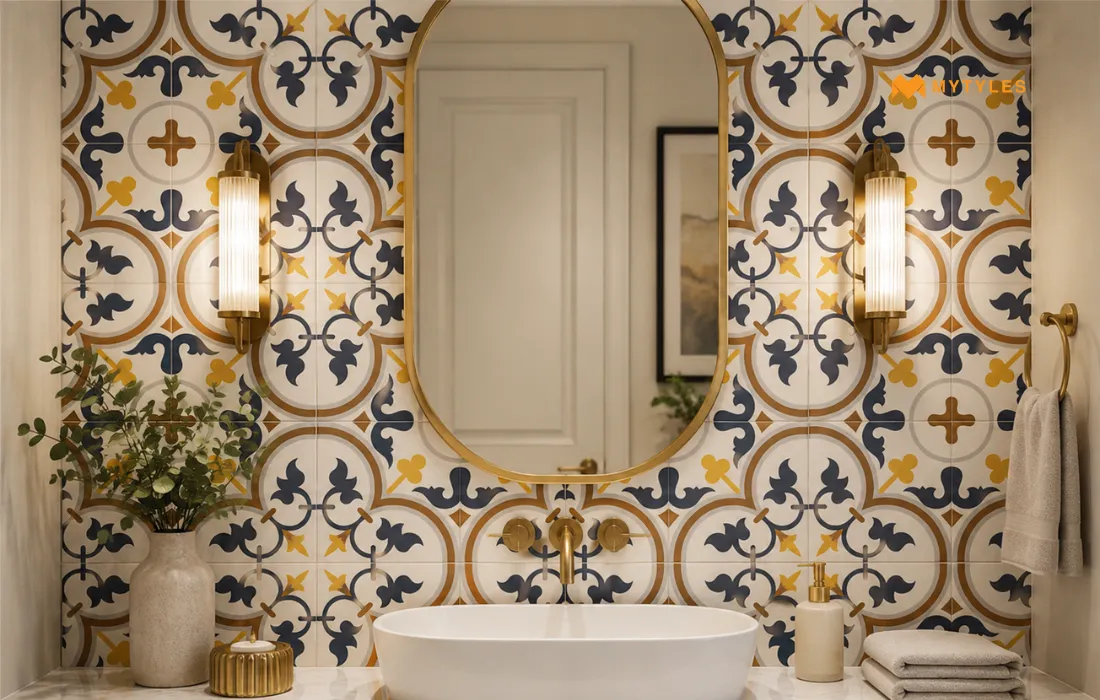
| Statement Walls | Moroccan tiles for walls can turn plain walls into feature surfaces, especially in living rooms, dining areas, foyers, and passage walls. |
| Bathroom Designs | Moroccan tiles for bathrooms can add pattern and colour to bathroom walls, niches, or selected floor areas. For wet zones, choose suitable finishes with better grip and moisture resistance. |
| Kitchen Areas | Moroccan tiles for kitchens work well on backsplashes, hob walls, and sink-side wall areas because they add design detail while protecting walls from stains and splashes. |
| Living Room Walls | Moroccan tiles for the living room can be used as accent tiles behind TV units, seating areas, or display walls where a patterned surface is needed. |
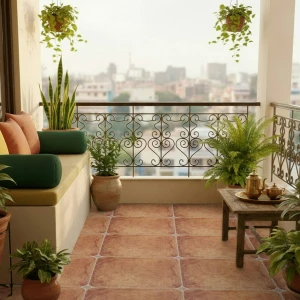
| Outdoor Areas | Moroccan tiles for outdoor spaces can be used in covered balconies, patios, or semi-outdoor spaces when the material and finish are suitable for outdoor exposure. Always check product suitability, surface grip, and outdoor exposure recommendations before installation. |
| Decorative Installations | Patterned tiles, including Moroccan mosaic tiles, add artistic detail to borders, niches, and accent corners. |
Explore Moroccan Tiles By Material Type
Moroccan-style tiles are available in different materials based on where they will be used and how much durability the space needs. Ceramic, vitrified, and porcelain options each offer different benefits for walls, floors, backsplashes, and high-traffic areas.
Material Type | Best Use |
|---|---|
| Ceramic Moroccan Tiles | Suitable for walls, backsplashes, and light-use floor areas. They are easier to cut and install, making them useful for decorative sections and patterned wall applications. |
| Vitrified Moroccan Tiles | Dense, durable, and low in water absorption. They work well for floors and high-traffic areas where strength, stain resistance, and easy maintenance are important. Anti-skid Moroccan floor tiles in vitrified material are suitable where better grip is needed. |
| Porcelain Moroccan Tiles | Strong, moisture-resistant, and suitable for indoor and selected outdoor applications. Porcelain is a good choice when Moroccan-style patterns need higher durability and long-term performance. |
If you are looking for the look of Moroccan cement tiles or Moroccan encaustic tiles, modern ceramic, vitrified, and porcelain options can offer similar pattern appeal with easier maintenance and more consistent sizing.
.webp)
Recommended Moroccan Tile Sizes
The dimensions of a tile can completely change the appearance and feel of a space. Moroccan tiles are available in compact formats such as 100x100 mm for detailed patterns and decorative sections, while larger sizes up to 600x600 mm create a more continuous surface with fewer grout lines.
Moroccan Tiles in Feet | Moroccan Tiles in Inches | Moroccan Tiles in MM |
|---|---|---|
0.3x0.3 Feet | 4x4 Inches | 100x100 mm |
0.5x0.5 Feet | 6x6 Inches | 150x150 mm |
0.6x0.6 Feet | 8x8 Inches | 200x200 mm |
1x1 Feet | 12x12 Inches | 300x300 mm |
2x2 Feet | 24x24 Inches | 600x600 mm |
Note: Actual measurements, thickness, finish, and suitability may vary by product. Please check the MyTyles product pages or contact the team before ordering. You can also use the MyTyles Tile Calculator to calculate your tile requirement and plan your order more accurately.
Which Moroccan Tile Finishes Should You Choose
Moroccan tile finishes affect the look, grip, and maintenance of the surface. Matt finishes work well for subtle walls and patterned floors, while glossy finishes are better for backsplashes, bathroom walls, and feature areas. Textured, metallic, carving, or sugar finishes can be used in accent spaces where the tile design needs more depth.
Finish | Best Use |
|---|---|
Matt Finish | Matt finish Moroccan tiles have a soft, non-reflective surface that works well for subtle walls and patterned floors. They are useful where reduced glare and easier day-to-day maintenance are important. |
Metallic Finish | Metallic Moroccan tiles add a slight shimmer and are best used for accents, borders, or focal areas. |
Carving Finish | Carving-finish tiles have textured patterns that add depth to walls or feature sections. |
Sugar Finish | Sugar-finish Moroccan tiles have a slightly grainy surface and work well in decorative areas. |
Glossy Finish | Glossy Moroccan tiles reflect light and are suitable for backsplashes, bathroom walls, and feature walls. They are easier to wipe clean, making them practical for splash-prone wall areas. |
Choose The Perfect Moroccan Tile Color Palette
Moroccan tiles are known for bold patterns and varied color combinations. Colorful Moroccan tiles can change how a room feels, from warm and traditional to calm, bright, or modern.
- Warm Colors: Yellow, cream, beige, and ivory Moroccan tiles work well in living rooms, foyers, and dining areas where a softer and more welcoming look is needed.
- Cool Colors: Blue and green Moroccan wall tiles are suitable for bathrooms, kitchens, and relaxed interiors because they create a cleaner and calmer effect.
- Earthy Shades: Brown Moroccan tiles work well in traditional interiors, passages, and semi-outdoor spaces where a grounded and natural look is preferred.
- Modern Neutrals: Black and grey Moroccan tiles are useful for feature walls, borders, and accent areas where a stronger contrast is needed.
- Bright Classics: White Moroccan tiles are suitable for small rooms, backsplashes, and narrow areas because they help the space look lighter and more open.
Moroccan Tile Price
Moroccan tiles price starts from around ₹60 per sq. ft. and goes up to ₹468 per sq. ft., depending on material, size, finish, design detail and availability. Custom design, embossed surfaces, and high-quality materials can affect the Moroccan tiles' price. You can choose the one that fits the budget and the style you want, whether it is a small part of the accent or a complete renovation.
Moroccan Tiles Types | Price Range (₹/sq. ft) |
|---|---|
Ceramic Tiles | ₹71-₹375 |
Vitrified Tiles | ₹65-₹468 |
Porcelain Tiles | ₹60-₹95 |
Note: Depending on the size, finish, and availability, the price may differ. Details are available on individual product pages or by contacting our team.
Things To Consider When Buying Moroccan Tiles
When selecting Moroccan tiles, consider where they will be installed, how much traffic the area receives, and how easy the surface needs to be to clean. Since Moroccan tiles usually have detailed patterns, the right material, finish, and layout will help the space look balanced while supporting daily use. For more styling inspiration, explore our detailed guide on how to use Moroccan tiles in Indian homes.
Buying Factor | Recommendation |
|---|---|
| Purpose and Placement | Decide whether the tiles will be used for floors, walls, backsplashes, bathrooms, or accent areas. Each space needs a different level of durability, grip, and maintenance. |
| Design and Pattern | Moroccan pattern tiles work best when the scale of the design matches the size of the area, especially for feature walls, backsplashes, and compact floors. |
| Material Strength | For high-traffic floors, choose durable Moroccan tiles such as vitrified or porcelain options. Ceramic tiles are better suited for walls, backsplashes, and light-use areas. |
| Maintenance Requirements | Choose easy-to-maintain Moroccan tiles with glazed or suitable sealed surfaces, especially for kitchens, bathrooms, and splash-prone areas. |
| Style Compatibility | Select modern Moroccan tiles that match the rest of the room. Pair bold patterns with plain tiles or neutral surfaces to avoid making the space look too crowded. |
| Layout Scale | Use bold Moroccan pattern tiles in smaller sections if the room is compact. For larger floors, choose patterns that repeat cleanly without making the room feel crowded. |
| Grout Color | Matching grout creates a softer, more seamless look, while contrast grout highlights the Moroccan pattern more clearly. |
Explore MyTyles Moroccan tiles collection to find patterned tiles for floors, walls, backsplashes, bathrooms, living rooms, feature walls, and selected outdoor spaces. Compare ceramic, vitrified, and porcelain options across finishes, sizes, colours, and prices, or connect with the MyTyles team for guidance before you buy.