.svg)


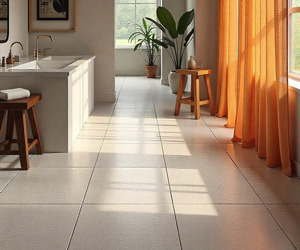
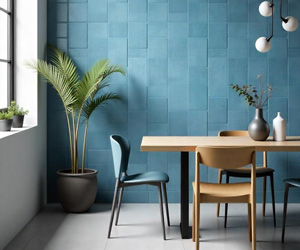
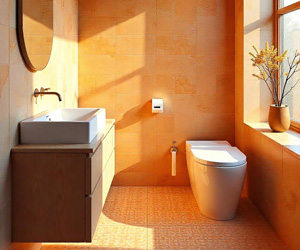
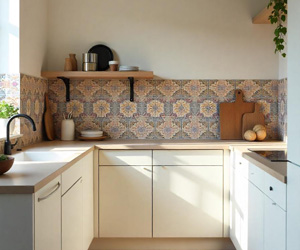







Skirting Tile Designs: Size & Height Guide for Perfect Interiors
ByAditi Bardhan


Fri , Feb 14 , 2025

Read Time: 5 Min


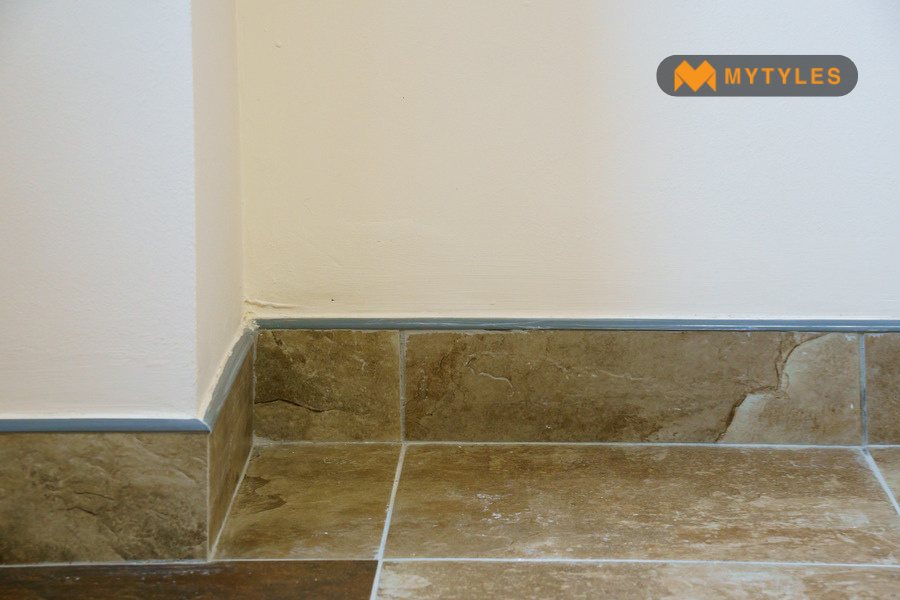
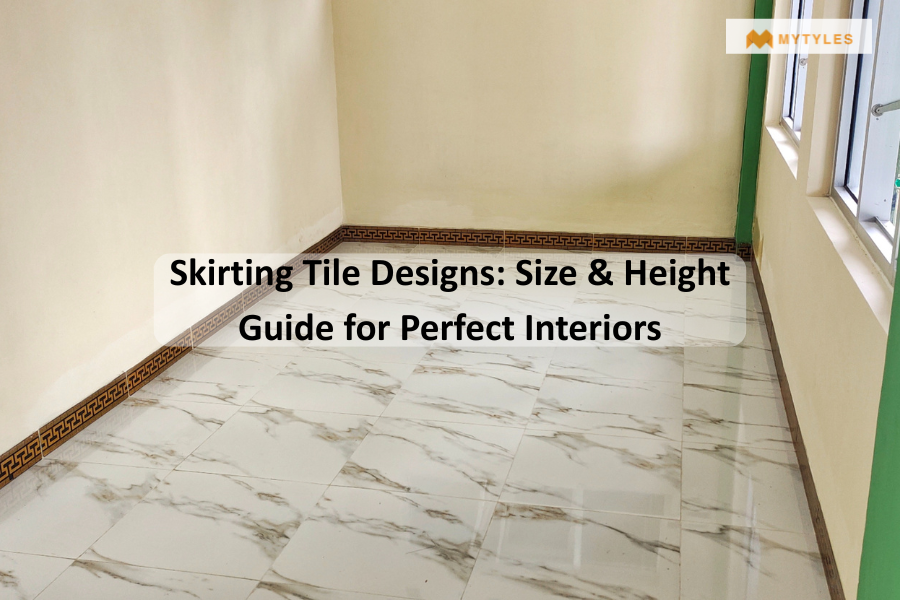
Skirting tiles may seem small and unimportant, but their presence in your home has a drastic impact on the overall appearance of the entire decor. It’s extremely essential to keep certain factors in mind when choosing the skirting tile for your home. Skirting height, size and type should be given proper consideration.
Every room of your home has its own set of requirements, which must be kept in mind while going on the skirting tiles’ shopping spree. In this blog, we’ll guide you about different types of skirting tiles, their sizes and their heights. From the living room to the kitchen, we’ve got you covered. So, read along!
What Are Skirting Tiles?
Skirting tiles, meaning baseboards or kickboards at the bottom of your walls, are tiles installed along the base of walls where they meet the floor. They serve both functional and aesthetic purposes, acting as a transition between the walls and the flooring. These tiles are typically thinner than regular floor tiles and come in various designs, colors, and materials to complement different interior styles.
Why Do You Need Skirting Tiles?
Skirting tiles are more than just decorative elements. They offer several practical benefits that make them a valuable addition to any space:
- Protects Walls: Skirting tiles shield your walls from daily wear and tear, such as scratches, dirt, and water splashes, especially in high-traffic areas.
- Hides Gaps: They cover the expansion gaps between the floor and walls, ensuring a seamless and professional finish.
- Enhances Aesthetics: Skirting tiles add a touch of elegance to interiors, creating a well-defined border that enhances the overall visual appeal.
- Eases Cleaning: They prevent dust and debris from accumulating in corners, making cleaning more efficient and straightforward.
- Prevents Damage: Furniture often causes scuffs or dents on walls. Skirting tiles act as a barrier, safeguarding your walls from such damage.
Types of Skirting Tiles
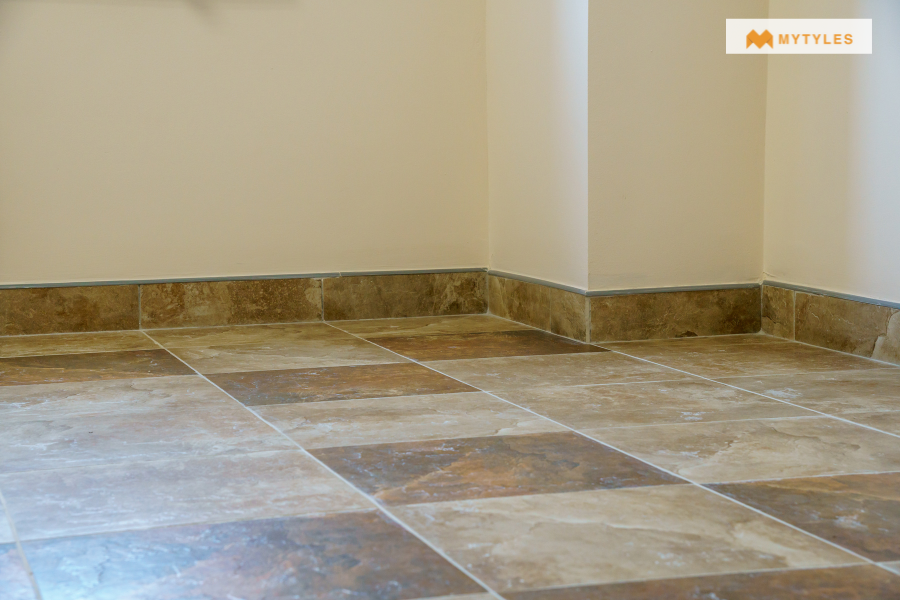
Skirting tiles are available in various materials to match different flooring types and design preferences. Some of the most common types include:
- Ceramic Skirting Tiles: Affordable and easy to maintain, ceramic tiles are a popular choice for skirting. They come in a variety of colors and patterns, enabling you to choose the perfect fit for your aesthetic taste.
- Vitrified Skirting Tiles: Known for their durability and resistance to moisture, vitrified tiles are ideal for both residential and commercial spaces. They require low maintenance and offer high longevity, presenting a strong case to be used as the foundation of your walls.
- Marble Skirting Tiles: Exuding luxury and sophistication, marble skirting tiles complement high-end interiors. They show high-end quality and can easily become the focal point of the entire room.
- Wooden Skirting Tiles: These tiles mimic the look of natural wood, adding warmth and elegance to the room. They give a natural vibe to the interiors of the home.
- PVC Skirting: Lightweight and budget-friendly, PVC skirting is perfect for areas prone to moisture, such as kitchens and bathrooms.
- Stone Skirting Tiles: Tiles made from natural stones like granite or sandstone are durable and add a rustic charm to interiors.
Skirting Tiles Sizes and Heights
The size and height of skirting tiles are crucial factors that impact their functionality and aesthetics. Here’s a quick overview of skirting height and size :
Aspect | Details | Recommended Use / Notes |
| Standard Heights | 70–150 mm | 70–100 mm suits traditional interiors; 120–150 mm complements modern, taller spaces. |
| Custom Heights | Adjustable based on room scale | Taller skirting works best for large rooms or spaces with high ceilings. |
| Tile Length | 600–800 mm | Longer tiles reduce joints, creating a cleaner, seamless wall-to-floor transition. |
| Skirting Thickness | Thinner than standard floor tiles | Prevents the skirting from protruding too far and maintains a neat wall alignment. |
Popular Skirting Tiles Designs
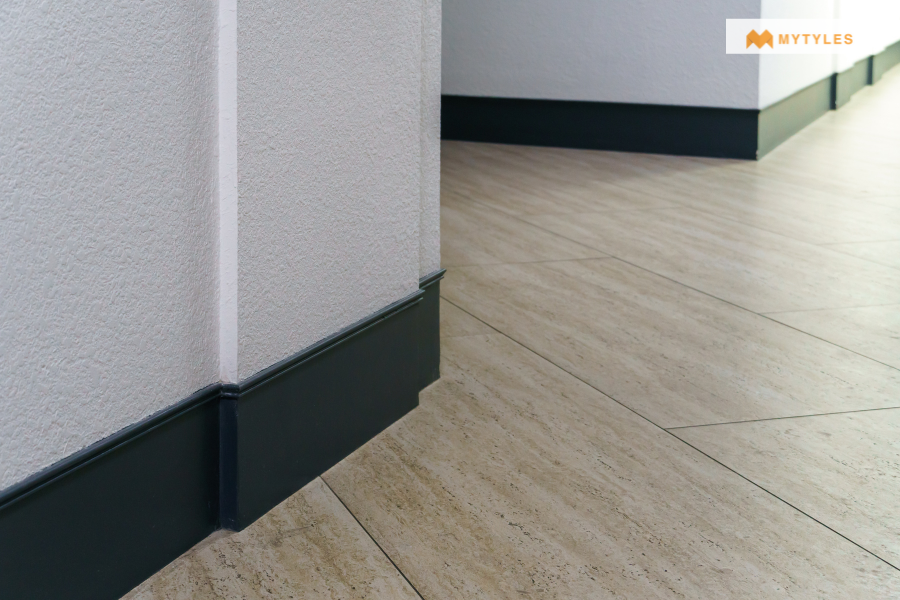
When it comes to skirting tile designs, there is a wide array of options to suit various interior themes. Here are some popular designs:
- Plain Skirting: Minimalistic and versatile, plain skirting tiles work well in modern and contemporary interiors.
- Beaded Skirting: Featuring a slightly raised design, these tiles add a decorative touch to traditional or classic spaces.
- Contrasting Skirting: Using skirting tiles in a color that contrasts with the flooring creates a bold and striking look.
- Textured Skirting: Textured tiles, such as those with wood or stone finishes, add depth and character to the space.
- Printed Skirting: Tiles with intricate patterns or motifs can be used to create artistic interiors. They offer a sense of uniqueness, which helps them stand out from the rest of the home decor.
Skirting Tiles in Different Spaces
Skirting tiles can be used in various areas of your home or office to enhance both functionality and style. Let’s explore their applications:
- Living Rooms: Use decorative or textured skirting tiles to create a focal point in your living space.
- Bedrooms: Subtle and neutral-toned skirting tiles provide a calming effect, complementing the cozy ambiance of bedrooms.
- Kitchens: Moisture-resistant skirting tiles like porcelain or PVC are ideal for kitchens to prevent water damage.
- Bathrooms: Opt for tiles with anti-slip properties and high moisture resistance for added safety and durability.
- Hallways and Corridors: Durable and easy-to-clean skirting tiles are essential for high-traffic areas like hallways.
- Commercial Spaces: In offices or retail spaces, skirting tiles with a polished finish create a professional and clean look.
Common Mistakes To Avoid
While selecting skirting tiles, certain mistakes can lead to mismatched designs, impractical choices, or even future maintenance headaches. Avoiding these mistakes can ensure your home achieves a flawless, cohesive look.
- Ignoring the Right Height and Size: Skirting tiles should match your room’s proportions. Oversized tiles can dominate small spaces, while short ones fade away. Always choose heights that complement wall and ceiling dimensions.
- Choosing the Wrong Material: Each room needs tiles suited to its purpose. Glossy finishes look great in living areas but can be slippery in bathrooms. Pick durable, moisture-resistant options for practical longevity.
- Forgetting Color Harmony: The right color ties the entire room together. Skirting that contrasts too sharply with walls or flooring disrupts balance. Choose complementary or subtle tones for a cohesive finish.
- Focusing Only on Looks: Skirting tiles do more than look good, they protect walls from everyday wear. Balance beauty with function by choosing designs that are both stylish and sturdy.
- Overlooking Maintenance: Some tiles require constant upkeep to stay clean. Select easy-to-maintain materials that retain their appearance with minimal effort, keeping your space elegant and stress-free over time.
Complete Your Space with the Perfect Skirting Finish
Skirting tiles may seem like a minor detail, but they play a crucial role in protecting your walls, enhancing your interiors, and adding a polished finish to your spaces. By considering factors like material, design, size, height, and color, you can select the perfect skirting tiles for your home or office. Whether you prefer a classic, modern, or eclectic look, skirting tiles offer endless possibilities to elevate your interiors. At MyTyles, we offer a large variety of exquisite skirting boards. Do check out our products and connect with us because we would love to help you design the magical bridge between your floor and walls.
FAQs On Skirting Tiles
Question: What is the ideal height for skirting tiles? |
| Answer: The ideal height ranges between 4 and 6 inches, depending on the room’s proportions and your design preferences. |
Question: How do I choose the color of skirting tiles? |
| Answer: Consider the flooring and wall colors. Neutral tones blend well, while contrasting or accent colors can create a striking look. |
Question: Can skirting tiles be replaced without damaging the walls? |
| Answer: Yes, with proper tools and techniques, skirting tiles can be replaced without causing significant damage to the walls. |
Question: What material is best for high-traffic areas? |
| Answer: Porcelain or stone skirting tiles are ideal for high-traffic areas due to their durability and resistance to wear. |
Question: Do skirting tiles come in custom sizes? |
| Answer: Many manufacturers offer custom sizes to suit specific design needs, particularly for unique spaces. |
Latest Blogs By MyTyles