Inspiration Gallery
Blog
Tile Calculator
08065423741



.svg)


Stone Cladding : How to Use & Maintain Stone Cladding Tiles
ByKanchan Agarwal

Sun , Jul 05 , 2026

Read Time: 5 Min


 Copied!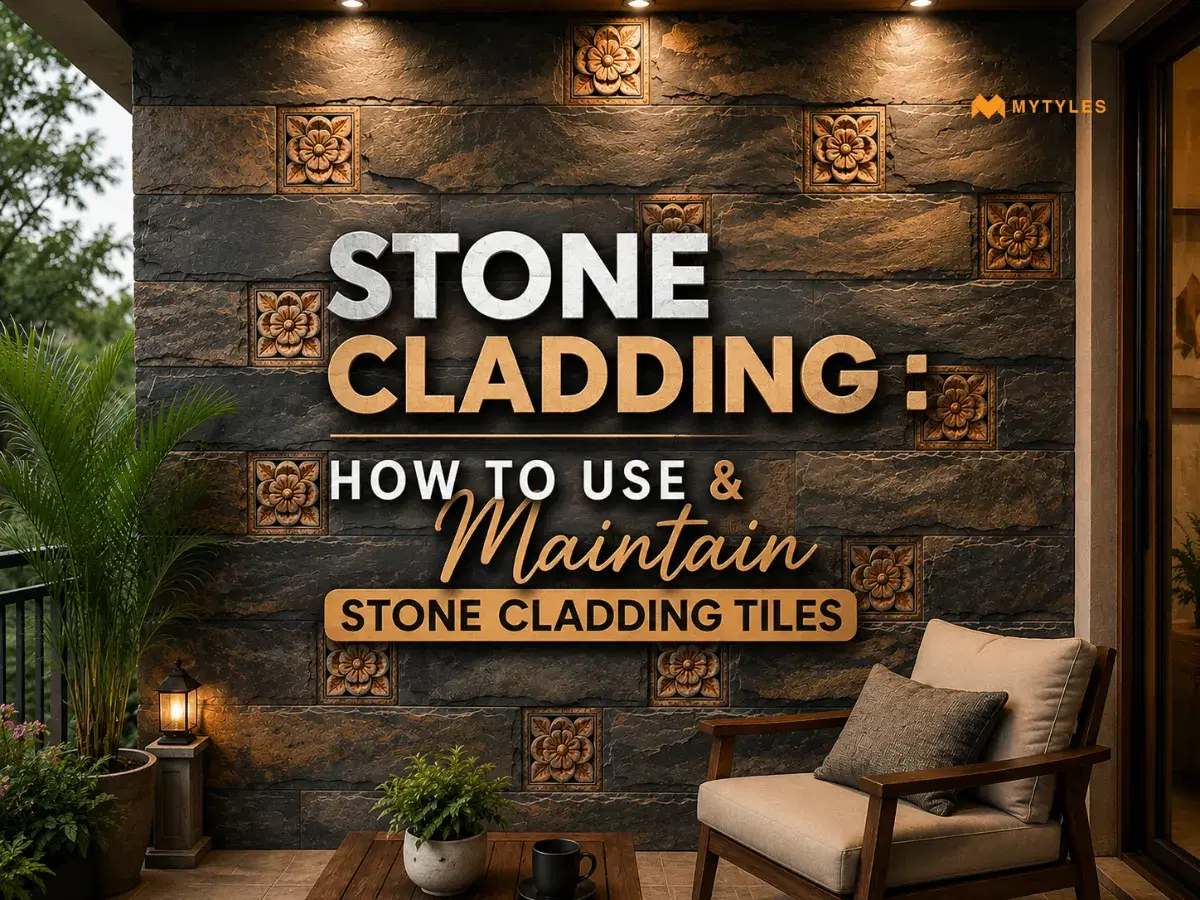
Stone cladding tiles have become a popular choice for homeowners, architects, and designers seeking a blend of natural beauty and durability. They bring the rugged charm of real stone into modern spaces, adding depth, texture, and character to walls, façades, and outdoor landscapes. Beyond their visual appeal, stone cladding tiles also serve a functional purpose by protecting surfaces, offering insulation, and requiring minimal upkeep.
However, to truly enjoy their timeless allure, understanding how to use and maintain stone cladding tiles is essential. In this blog, we’ll guide you through the best practices for using stone cladding tiles, share simple maintenance tips, and highlight how you can keep your walls looking elegant and strong for years to come.
Choose the Right Type of Stone

Selecting the right type of stone cladding tile is the foundation of any successful design. Each stone brings its own texture, tone, and performance qualities, making it essential to match the material with your intended use and aesthetic.
Slate Cladding
Slate cladding gives interiors a rich, layered texture that instantly makes them look deeper and more interesting. Its natural colors, which range from grey to rust, make it great for accent walls, fireplaces, and other areas that stand out. Slate is strong and beautiful, and it has a raw, earthy charm that works well with both modern and rustic design styles.
Sandstone Cladding
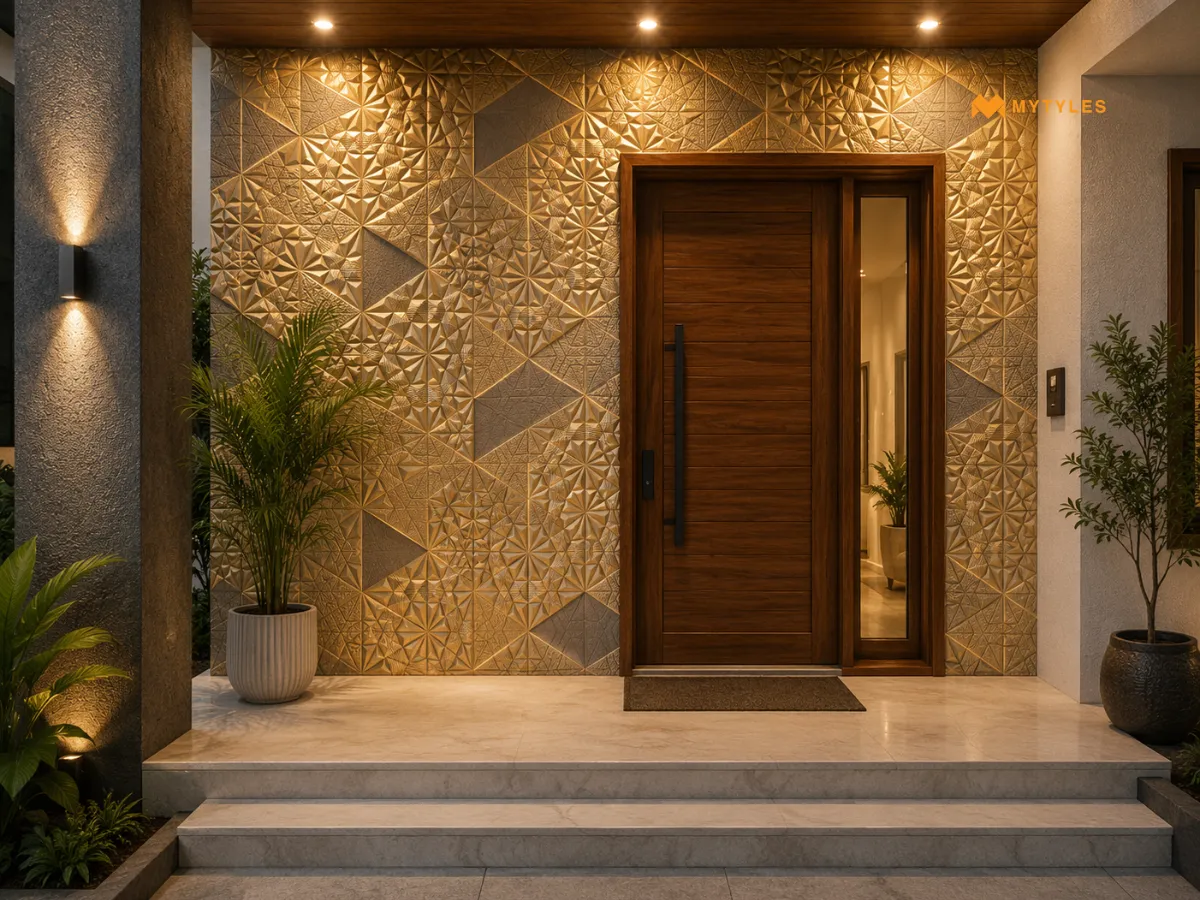
Sandstone cladding has a warm, earthy tone that looks great on outdoor spaces and façades. It is great for outdoor use, boundary walls, and garden features because it can withstand the weather. Sandstone has a natural grain and subtle color changes that give it a timeless, organic look that makes buildings look better without any effort.
Quartzite Cladding
This cladding is thick, long-lasting, and naturally water-resistant, making it perfect for use in bathrooms, kitchens, and outside. It has a natural strength and a subtle shimmer that make it both beautiful and useful. Quartzite cladding comes in soft greys, whites, and beiges and gives a refined, elegant look to areas that are prone to moisture or heavy use.
Granite Cladding
Granite cladding is strong and beautiful at the same time. Its tough, smooth surface doesn't get stained, scratched, or affected by changes in temperature, so it's great for walls outside or in busy areas. Granite comes in a wide range of colors and patterns, making it a great choice for both modern and classic designs. It also adds strength that lasts.
Marble Cladding
Marble cladding stands for luxury and class. Its smooth surface, detailed veining, and shiny finish make a statement of elegance in any room. Marble is great for feature walls and high-end spaces because it makes them brighter and more stylish. Its polished look never goes out of style or sophistication.
How can Stone Cladding Tiles be Used?
Stone cladding tiles have great decorative and economic value. Their aesthetic value has been affirmed throughout the ages. Therefore, they are excellent choices for a variety of spaces due to their aesthetic value. From indoor spaces to outdoor external walls, stone cladding can be a brilliant option. They can also be used with other elevation tiles for exteriors or beaders and printed tiles. Each combination gives its own distinct flavor to your decor.
However, stone cladding cannot be used as kitchen or bathroom backsplashes purely because the increased exposure to debris and moisture corrodes the sealant faster. Besides that, the undying sophistication of stone cladding can be embraced in a multitude of ways.
How are Stone Cladding Tiles Installed?
Installing stone cladding tiles isn’t complicated, but it does need attention to detail. The process ensures your tiles stay secure and look flawless over time. Below, we’ll discuss the key steps involved in installing stone cladding tiles the right way for lasting results.
- Foundation: A suitable surface for cladding tiles should be rough and clean, providing ample texture for the mortar or adhesive to adhere properly. At this stage, a rubber mallet or an angle grinder may be used. All the dust and debris must be dusted off before the application says begins.
- Layout Mapping: Mapping out the layout consists of laying the tiles in a definite arrangement of your choice to ensure that the final result reflects your taste.
- Adhesive: After laying the adhesive or the mortar, lay the tiles flat on the surface and press it firmly to avoid any voids or air bubbles. The tiles are often late in 2mm joint width. Back butter if the cladding and the adhesive do not have good contact. Excess mortar or adhesive should be removed swiftly.
- Grout: While grouting is often seen as an optional step with stone cladding, epoxy grout can be used to seal the gaps and further strengthen the integrity of the surface
- Finishing: Based on the geographics or the fluctuation of temperatures in the Indian subcontinent, finishing the tiles with the sealant is an important step. You can opt for either wet or dry sealant based on your preferences. This allows you to incentivise the integrity of the surface and thus gives you lasting results.
While the installation of traditional stone cladding with individual stones is seen as a labor-intensive process, stone cladding mosaic tiles eliminate the element of complication and ease the process. However, the intricacies should be considered for a seamless design.
How are Stone Cladding Tiles Maintained?
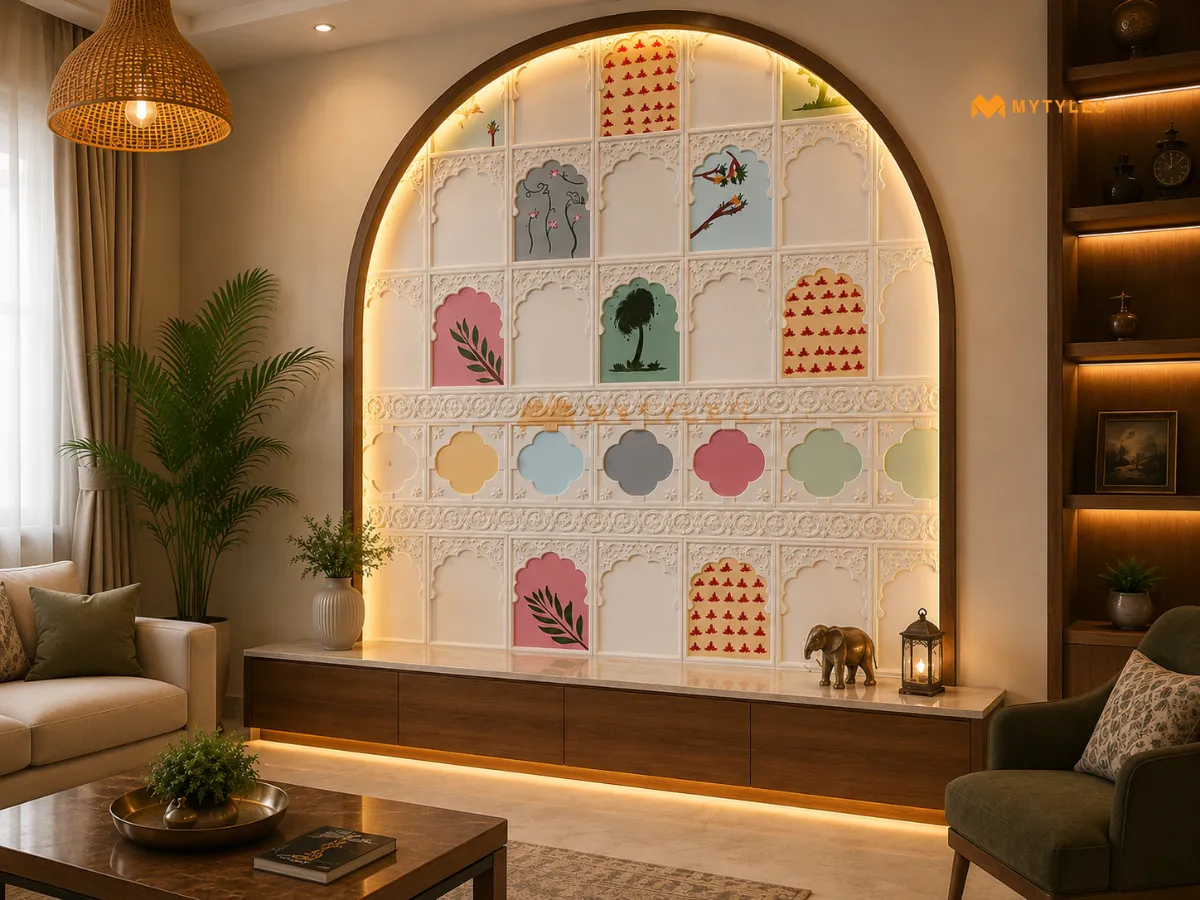
Stone cladding tiles add a natural and elegant touch to both the inside and outside of a home, but they need regular care to stay looking their best. Here are some good ways to take care of them:
- Regular Dusting and Cleaning: To keep dust from building up, wipe surfaces down often with a soft cloth or brush. For general cleaning, use warm water and mild soap. Strong chemicals can make the stone's finish dull.
- Seal the Surface Periodically: You need to seal most stone cladding tiles every one to two years. A good sealant keeps the stone's natural color while keeping out moisture, stains, and efflorescence.
- Avoid Acidic or Abrasive Cleaners: Acid, bleach, or ammonia-based cleaners can damage the surface. Always use products that are pH-neutral and made for stone surfaces.
- Promptly Clean Spills: To keep stains from setting in, wipe up liquids like oil, coffee, or wine right away. This is especially important on lighter stones like marble or limestone.
- Inspect for Cracks or Damage: Check the edges and joints every now and then for cracks or loose tiles. Fixing things early stops water from getting in and causing problems with the structure.
- Maintain Outdoor Cladding: Occasional pressure washing (on low settings) can help get rid of dirt and algae on exterior tiles without hurting the surface.
How to choose the right stone cladding tile?
Selecting the right stone cladding tile can completely transform the look and feel of a space. Beyond appearance, the right choice also ensures durability, functionality, and long-term value. Here’s how to choose wisely:
- Identify the Purpose and Location: Decide where the cladding will be used , indoors, outdoors, or in moisture-prone areas. Exterior spaces need weather-resistant stones like granite or sandstone, while interiors can use lighter options like marble or slate.
- Consider the Overall Aesthetic: Match the stone’s color, texture, and finish with your design theme. Rough textures suit rustic or natural spaces, while smooth finishes enhance modern and minimal interiors.
- Check Durability and Maintenance Needs: Choose stones that can withstand your environment. For example, granite and quartzite are highly durable and easy to maintain, while softer stones like limestone may require more care.
- Assess Weight and Installation Surface: Ensure your walls can handle the tile’s weight. Lightweight cladding tiles are ideal for interior or false wall applications.
- Set a Realistic Budget: Factor in not just tile cost but also installation, sealing, and maintenance expenses.
- Inspect Quality Before Purchase: Always check for cracks, color consistency, and surface finish. Investing in quality ensures lasting beauty and performance.
Add Timeless Character to Your Walls
Stone cladding isn’t just about looks , it’s about adding durability, character, and natural depth to your spaces. Whether used indoors or outdoors, the right installation and maintenance can make your walls stand the test of time, beautifully. So, if you’re ready to bring the rugged elegance of nature into your design, explore a curated selection of premium stone cladding tiles at MyTyles, where quality meets creativity. Browse our exclusive range of natural and engineered stone cladding tiles today at MyTyles and transform ordinary walls into extraordinary statements.

What Are Stone Cladding Tiles Used For?

Stone cladding tiles are used to add natural texture, depth, and character to walls. They work well for exterior elevations, garden walls, balconies, living room feature walls, TV unit backdrops, and entryways. These tiles create a strong architectural look while protecting surfaces from regular wear, making them both decorative and functional for homes.
Where Can Stone Cladding Be Used At Home?
Stone cladding can be used in many areas, including exterior walls, compound walls, balconies, terraces, stair walls, and interior accent walls. It is especially useful where you want a natural, rustic, or premium look. For best results, use it on selected surfaces instead of every wall, so the texture stands out beautifully.
Is Stone Cladding Suitable For Exterior Walls?
Yes, stone cladding is highly suitable for exterior walls because it gives a durable and weather-resistant surface when installed correctly. It can handle sunlight, dust, and outdoor exposure better than many plain wall finishes. For exterior use, choose good-quality cladding tiles, proper adhesive, and correct grouting to prevent water seepage and long-term damage.
Can Stone Cladding Be Used Inside The Home?
Stone cladding can be used inside the home to create stylish feature walls and natural focal points. It looks beautiful behind a TV unit, in a foyer, dining area, stair wall, or living room. Since cladding has a strong texture, balance it with simple furniture, soft lighting, and plain surrounding walls for a clean look.
How Do I Maintain Stone Cladding Tiles?
Stone cladding tiles should be cleaned regularly with a soft brush, dry cloth, or mild water wash, depending on the area. Avoid harsh chemicals, acidic cleaners, or rough scrubbing that may damage the surface. Exterior cladding may need occasional deep cleaning to remove dust, stains, or algae. Proper sealing can also improve durability.
Does Stone Cladding Need Sealing?
Stone cladding may need sealing, especially when used outdoors or in moisture-prone areas. A good sealer helps reduce water absorption, stains, dust buildup, and surface discoloration. Natural stone cladding benefits more from sealing than manufactured options. Always choose the right sealer based on the tile material, finish, and installation location for better protection.
How Do I Choose The Right Stone Cladding Tiles?
Choose stone cladding tiles based on location, color, texture, size, and maintenance needs. For exteriors, pick durable and weather-suitable options. For interiors, choose textures and shades that match your décor style. Light tones create a soft natural look, while darker stones add drama. The right cladding should balance beauty, strength, and easy care.

ABOUT THE AUTHOR
Kanchan Agarwal
Kanchan Agarwal is the Director at MyTyles, where she brings together her love for design, colours, and beautiful homes. Having helped build MyTyles from the ground up, she has developed a deep understanding of what homeowners look for when creating spaces that feel personal, practical, and inspiring. With an engineering background and a natural interest in interiors, Kanchan enjoys turning simple ideas into thoughtful tile choices that suit real homes and real lifestyles. Her approach is warm, creative, and people-focused, helping customers feel more confident while choosing designs that reflect their taste and make their spaces truly their own.
Latest Blogs By MyTyles