.svg)









Guide to Terracotta Jali Blocks: Design, Sizes, Pricing & More
ByAditi Bardhan


Fri , Mar 21 , 2025

Read Time: 5 Min


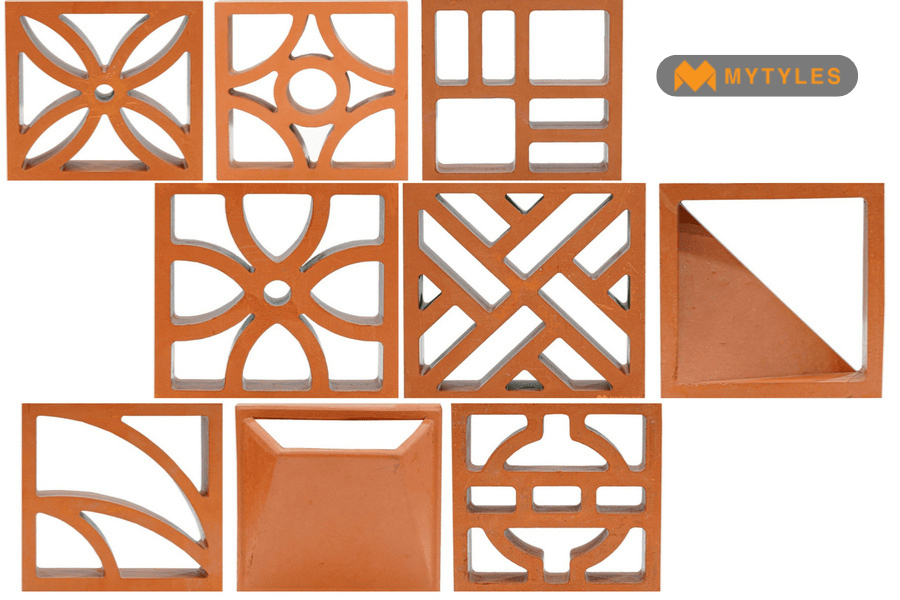
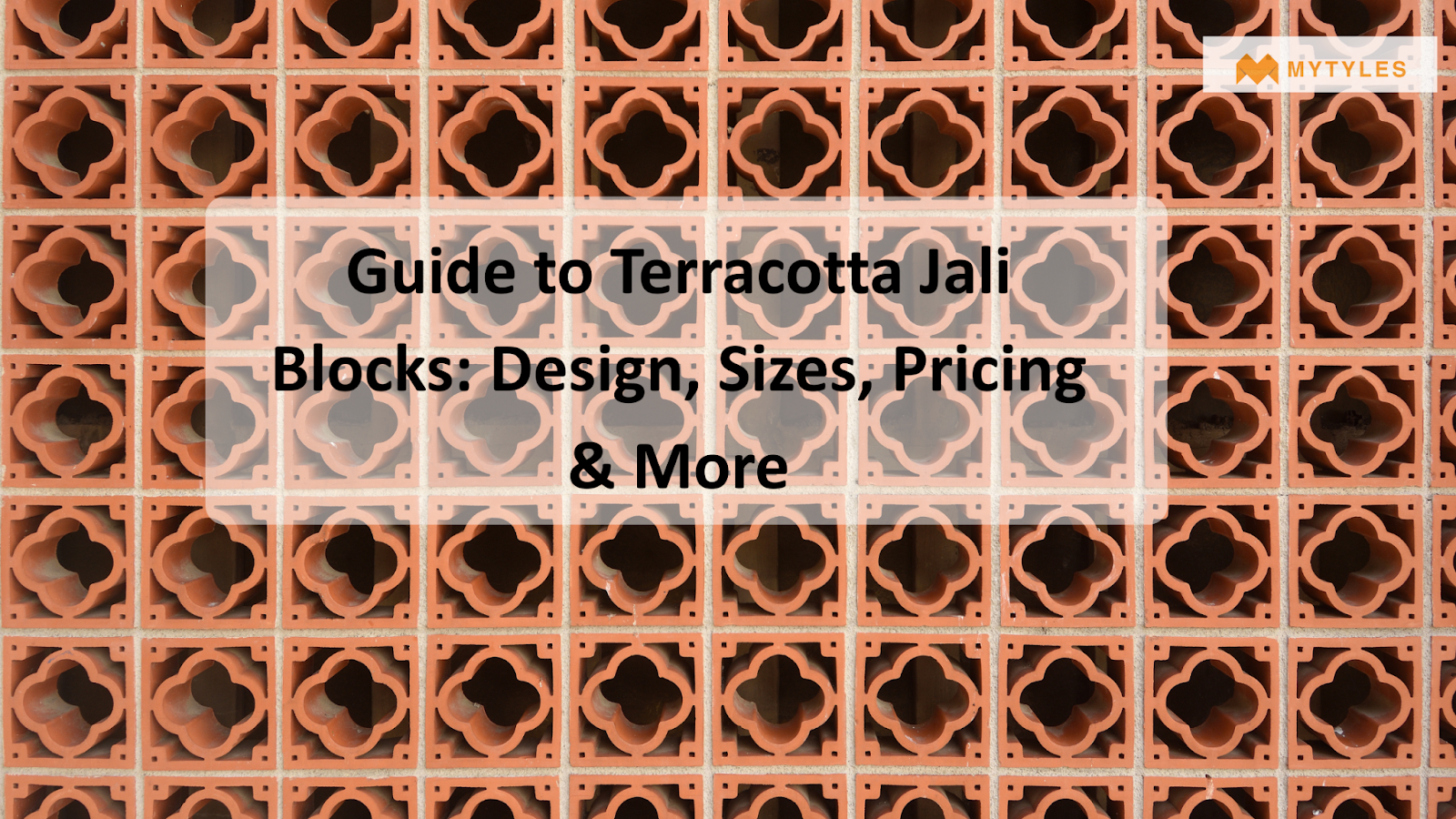
Terracotta jali blocks have been a part of architecture for centuries, adding both beauty and functionality to buildings. These decorative clay jali blocks aren’t just about aesthetics, originating from centuries-old craftsmanship, these perforated clay screens have been widely used in Indian, Middle Eastern, and Mughal architecture to enhance ventilation, privacy, and aesthetics. In this guide, we’ll take you through everything you need to know about terracotta jali blocks, their history, designs, sizes, pricing, and practical uses. Whether you’re planning to add a rustic charm to your home with a terracotta jali house or looking for sustainable architectural solutions, we’ve got you covered.
What are Terracotta Jali Blocks?
Terracotta Jali blocks are decorative screens made from natural clay, inspired by traditional Indian “jali” designs. These blocks feature intricate cut-out patterns that allow light and air to flow freely while maintaining privacy and structure. Known for their earthy tones and rustic charm, they add both aesthetic and functional value to buildings. Crafted by shaping and firing clay at high temperatures, the process makes a clay jali block sturdy and long-lasting. Some are handmade by skilled artisans, while others are created using moulds for uniform designs. The result is a breathable, lightweight material that looks beautiful and helps in keeping indoor spaces comfortable and well-ventilated.
Types of Terracotta Jali Blocks
Terracotta jali blocks have been a part of architecture for centuries, valued for their ability to bring in natural light, improve airflow, and add character to any space. Whether you’re looking for something sturdy or a design that enhances ventilation, there are different types of terracotta jali blocks to suit different needs.
Based on Structure
- Solid Terracotta Jali Blocks: These are strong, durable, and ideal for spaces where privacy and security matter. They allow controlled airflow and light while adding an earthy charm to facades, boundary walls, and partitions.
- Hollow Terracotta Jali Blocks: Designed to improve ventilation, hollow jali blocks create a breathable environment, making them perfect for warm climates. They reduce indoor heat while casting interesting light and shadow effects.
Based on Design Patterns
- Four Petal Jali: This floral-inspired terracotta jaali design brings a soft, natural aesthetic to any space. Ideal for courtyards, terrace partitions, or feature walls, it adds a subtle elegance to both traditional and modern settings.
- TV Jali: With its geometric and structured design, the TV clay jali block is perfect for contemporary homes and commercial spaces. It creates a bold visual impact while maintaining an airy, open feel.
- Amber Jali: If you’re drawn to classic, intricate patterns, Amber jali is an excellent choice. Its detailed craftsmanship makes it ideal for heritage buildings, temples, and spaces that embrace traditional architecture.
- Camp Jali: Modern yet versatile, Camp jali blends well with various architectural styles. Whether used indoors or outdoors, its balanced design adds a refined yet practical touch.
Available Sizes of Terracotta Jali Blocks
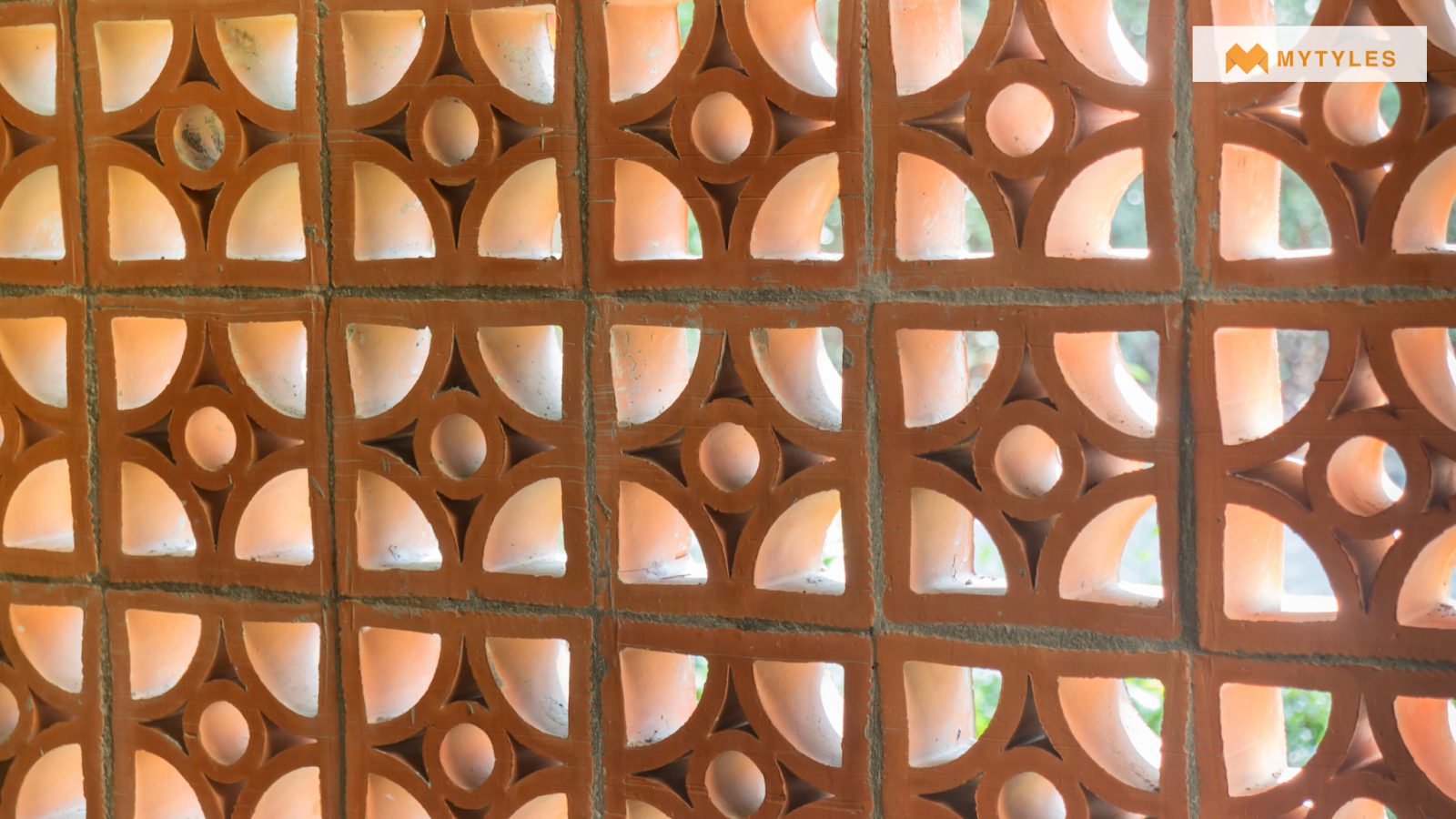
Terracotta Jali blocks come in two standard sizes: 200x200mm (8x8 inches) and 220x200mm, making them a versatile choice for various architectural applications. These terracotta jali dimensions offer an excellent balance of aesthetics and functionality, providing natural ventilation, light filtration, and a decorative touch. Their uniform size ensures seamless installation in both residential and commercial spaces. At MyTyles, you can find high-quality standard terracotta jali sizes in mm, available for purchase both online and offline.
Applications of Terracotta Jali in Modern Architecture
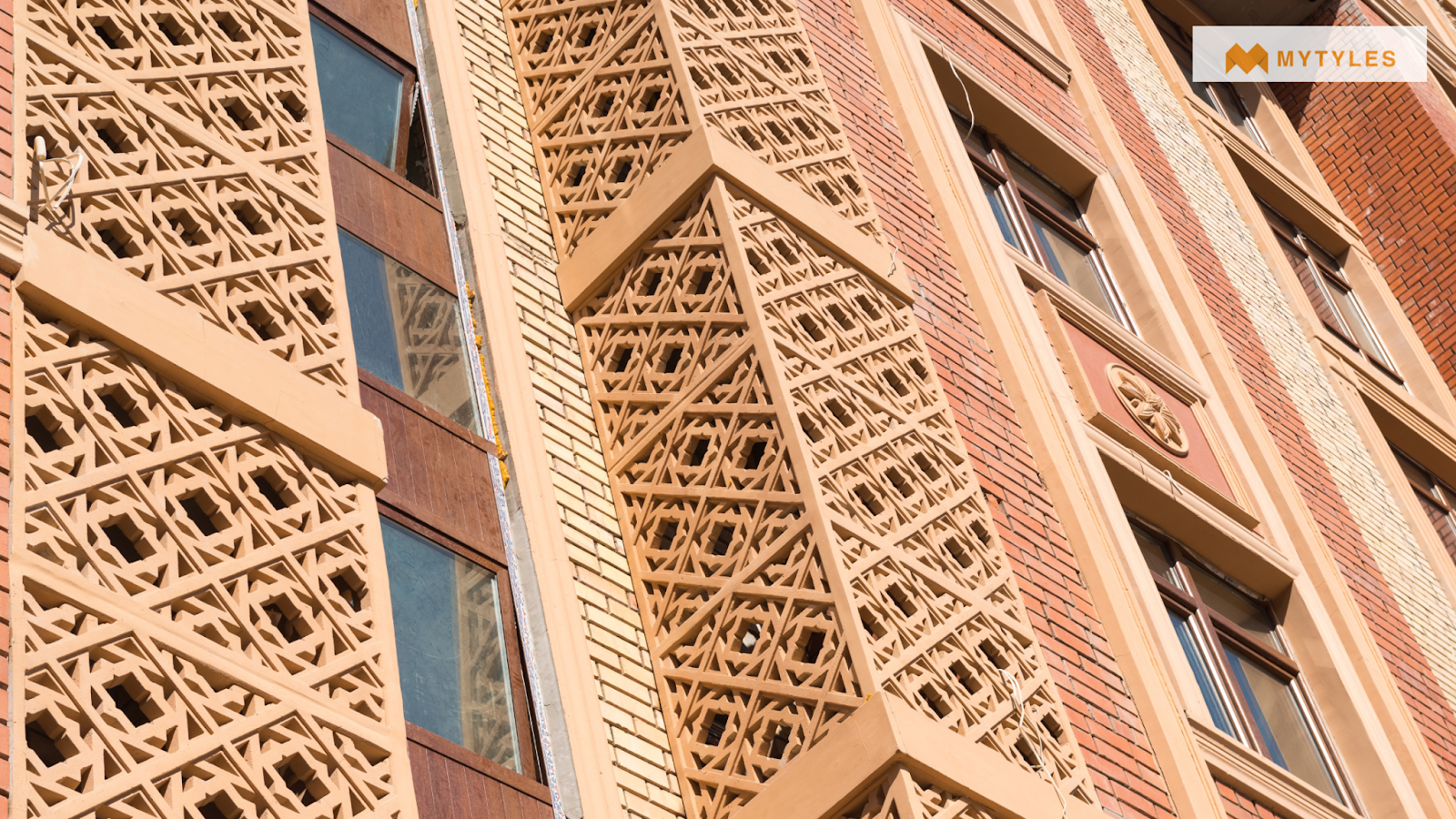
A timeless favourite in architecture, terracotta jali design is now redefining modern spaces. Used on building exteriors for ventilation and inside for stylish partitions, it brings a unique blend of artistry and functionality.
Exterior Applications
- Architectural Facades: Adding a distinctive artistic element, terracotta jali design for exterior enhances building exteriors while contributing to energy efficiency by reducing heat gain.
- Privacy Screens & Visual Barriers: These jalis provide seclusion without completely blocking light and air, maintaining an open yet private environment.
- Railings & Balustrades: Infusing traditional craftsmanship into contemporary design, terracotta jali enhances the aesthetic appeal of balconies, staircases, and terraces.
- Grand Entrances: Whether used for doorways or decorative gates, terracotta jali creates a visually inviting and elegant entrance.
- Landscape Integration: In garden spaces, these jalis serve as beautifully carved partitions or screens, blending nature with artistic craftsmanship.
Interior Applications
- Feature Walls: These intricately terracotta jali design add texture and depth, transforming plain walls into captivating focal points.
- Windows & Openings: Enhancing both aesthetics and functionality, terracotta jali allows for natural ventilation while reflecting cultural heritage in modern designs.
- Movable Partitions & Collapsible Gates: They function as sturdy yet elegant solutions for flexible space management in homes and commercial spaces.
- Internal Partitions: With their ability to regulate temperature and humidity, these partitions offer a breathable, visually connected space without compromising privacy.
Factors to Consider when Buying Terracotta Jali Blocks
Terracotta Jali blocks are more than just decorative elements; they bring a perfect balance of beauty, ventilation, and privacy to any space. But with so many options available, how do you pick the best? Here’s what you should keep in mind before making a purchase.
- Material Quality: Choose Jali blocks made from fine, high-density clay. They should feel sturdy, have a smooth texture, and show no signs of brittleness or cracks.
- Size and Thickness: Larger, open-pattern Jalis allow better ventilation, while smaller or thicker blocks offer more strength and decorative detailing.
- Design and Pattern: Pick a design that matches your purpose. Wider openings improve airflow, while denser patterns enhance privacy.
- Handmade vs Machine-Made: Handmade Jalis bring rustic charm and uniqueness; machine-made options are more uniform and easier to install.
- Finish Type: Go for natural terracotta for an earthy feel or glazed finishes for better moisture and stain resistance, ideal for outdoor use.
- Strength and Durability: If the Jalis serve a structural purpose, ensure they can bear the required load and pressure.
- Weather Resistance: For outdoor use, confirm the blocks are treated for water and frost resistance to prevent cracks or damage.
- Purpose of Use: Define your goal. Is it ventilation, decoration, or privacy? This will help you guide your selection of size, thickness, and pattern.
- Ease of Installation: Some intricate designs may require professional installation, while simpler ones can be DIY-friendly.
- Budget: Handmade or customised Jalis cost more; machine-made ones are budget-friendly. Balance cost with long-term durability and appearance.
- Design Compatibility: Ensure the chosen Jali design complements your home’s overall architectural theme, whether it is traditional, modern, or industrial.
Maintenance and Care for Terracotta Jali Blocks
Terracotta jali blocks bring a rustic charm to spaces while improving ventilation and aesthetics. However, since they are made from natural clay, they require proper care to maintain their beauty and durability. Regular maintenance can prevent common issues like moisture damage, stains, and cracks, keeping them in great condition for years.
- Keep Them Clean: Dust and dirt can settle in the patterns. Clean regularly with a dry cloth or soft brush. For deeper cleaning, use mild soap and water; avoid harsh chemicals.
- Protect from Moisture: Apply a waterproof sealant to prevent water absorption and damage. Ensure water doesn’t accumulate around the blocks to avoid fungal growth.
- Remove Stains and Deposits: White residue (efflorescence) can form due to minerals in water. Clean gently using a vinegar-water mix and keep the surface dry afterward.
- Repair Cracks and Chips: Use terracotta patching material for minor cracks. For severe damage, seek professional help to restore the design and structure.
- Seasonal Maintenance: In humid climates, ensure proper ventilation to prevent mold. In colder months, protect Jalis from frost or freezing conditions by covering exposed areas.
Redefine Spaces with the Artistic Touch of Terracotta Jali Block
Bring character to your interiors and exteriors with terracotta jali blocks, a masterpiece of craftsmanship and sustainability. These beautifully crafted blocks offer natural ventilation, reducing heat, allowing light to filter through, and creating mesmerizing patterns. At MyTyles, we bring you the best terracotta jali sizes, prices, and designs to match your needs. Whether you seek terracotta jali for walls, balconies, or exteriors, we’ve got you covered. Shop terracotta jali online or visit our Bangalore store for exclusive collections.
FAQs On Terracotta Jali Blocks
Question: Are terracotta jali blocks suitable for modern homes? |
| Answer: Yes, their timeless appeal blends well with both traditional and contemporary designs. They add a unique architectural element while offering functional benefits like shade and ventilation. |
Question: How do I maintain terracotta jali blocks? |
| Answer: Maintenance is simple. Regular dusting and occasional cleaning with water are enough to keep them looking good. Avoid harsh chemicals to preserve their natural texture and colour. |
Question: How much do terracotta jali blocks cost? |
| Answer: Terracotta jali prices vary based on design, size, and craftsmanship. MyTyles offers a diverse selection to fit different budget options. Whether you prefer a traditional or modern aesthetic, our high-quality terracotta jali blocks add both beauty and functionality to any space. |
Question: Do terracotta jali blocks improve ventilation? |
| Answer: Absolutely! Their perforated design allows natural airflow, keeping spaces cool and reducing the need for artificial cooling. This makes them an eco-friendly choice for homes and buildings. |
Question: Can terracotta jali blocks be painted? |
| Answer: Yes, they can be painted, but it’s best to use breathable, natural finishes to maintain their porous nature and enhance their aesthetic appeal. |
Latest Blogs By MyTyles