.svg)



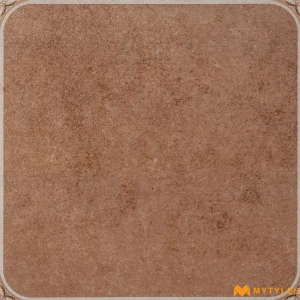
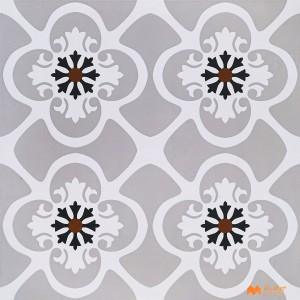
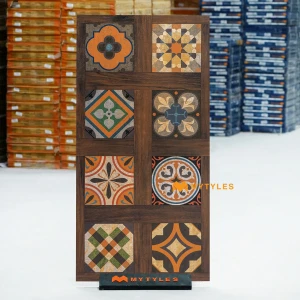
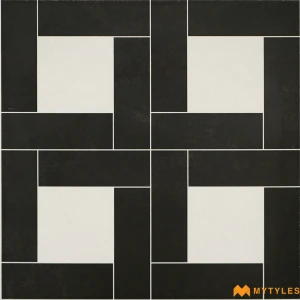
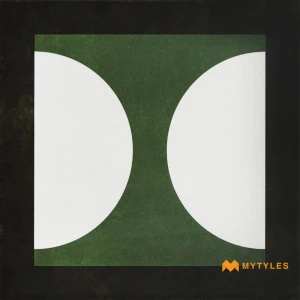
Traditional Tiles for Timeless Indian Interiors
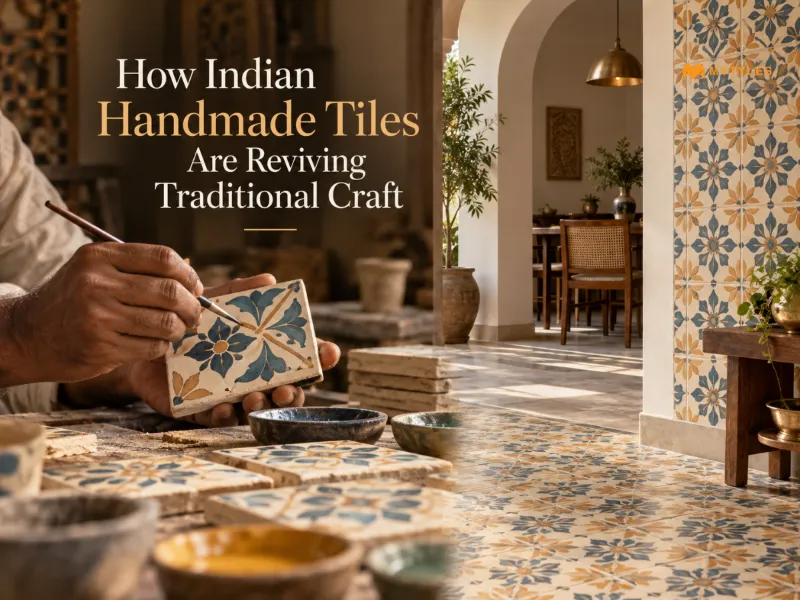
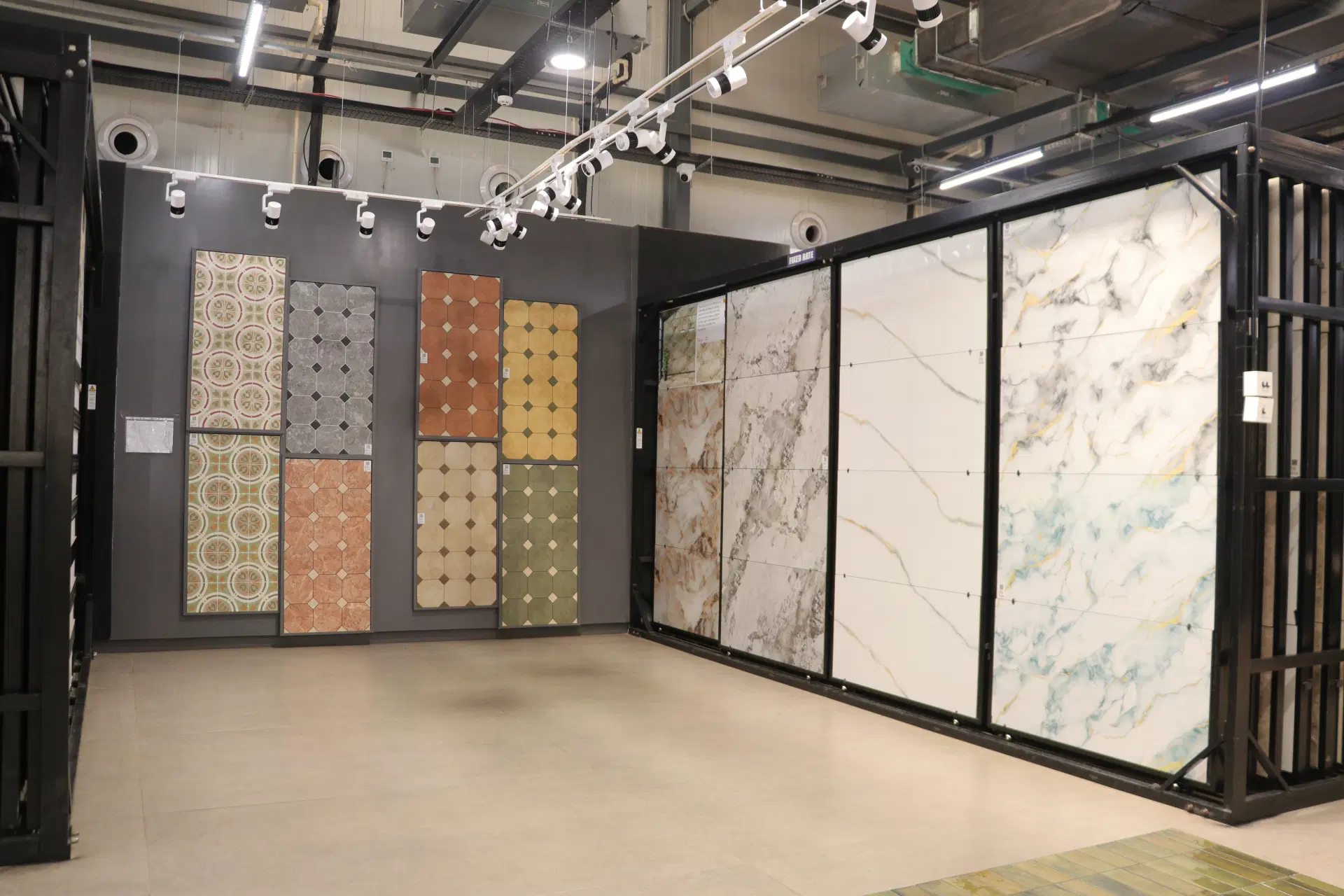
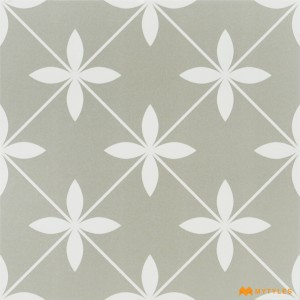
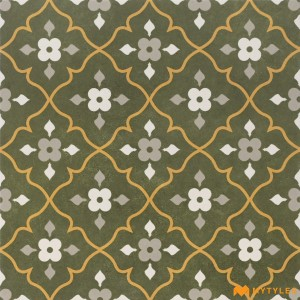
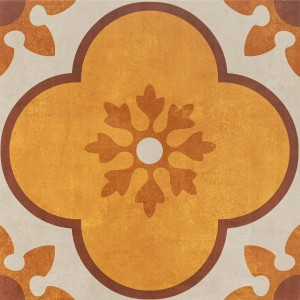
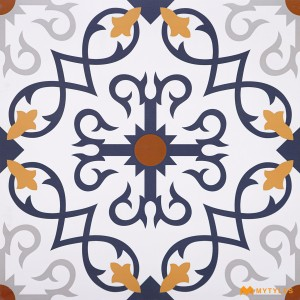
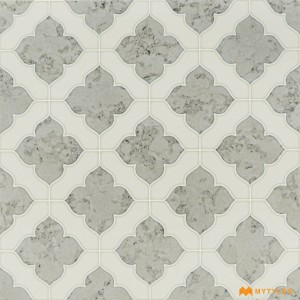
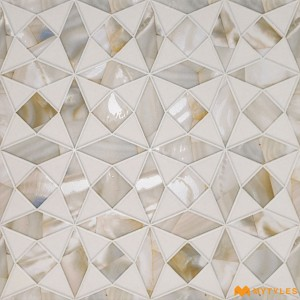
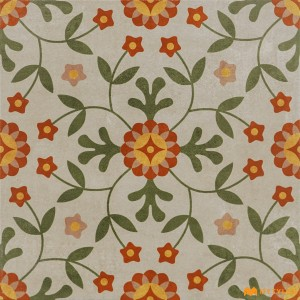
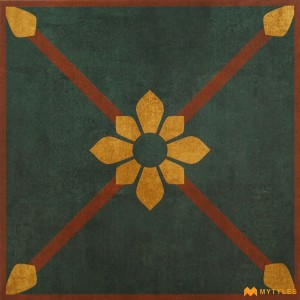
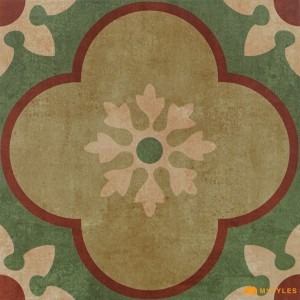
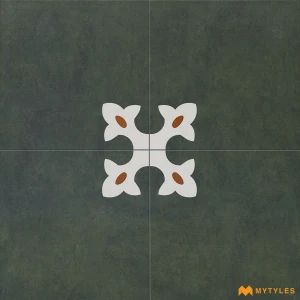
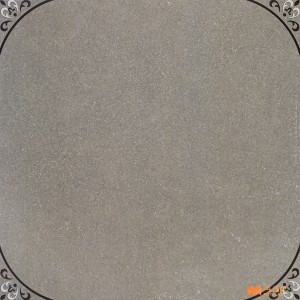
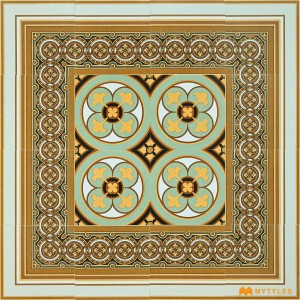
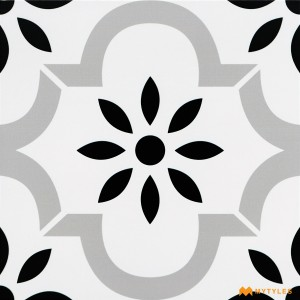
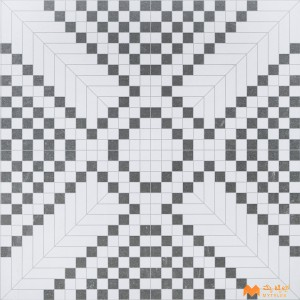
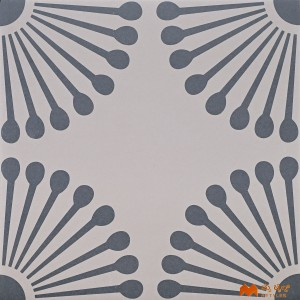
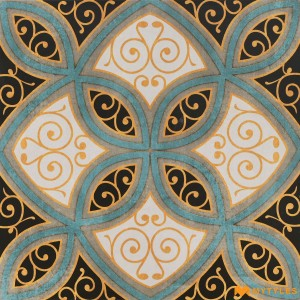
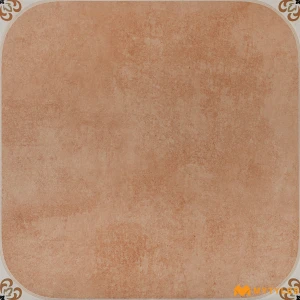
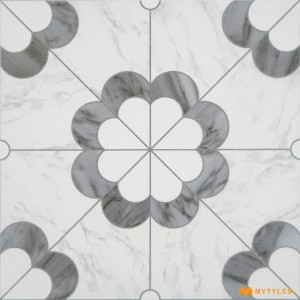
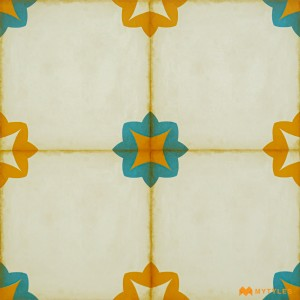
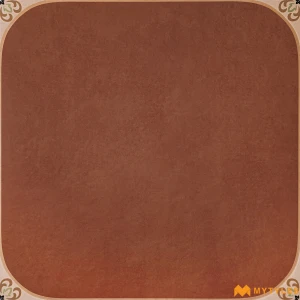
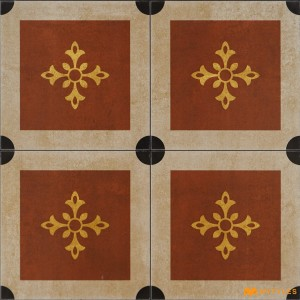
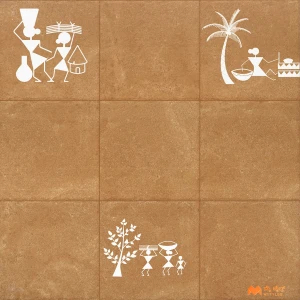
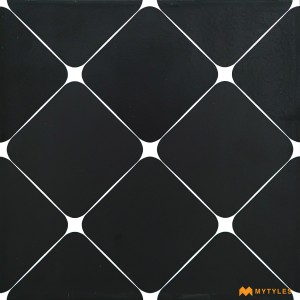
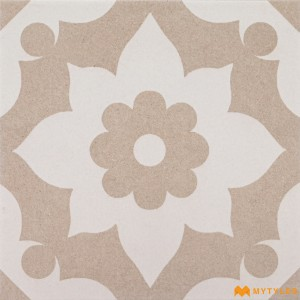
Indian traditional tiles add a sense of pattern, balance, and regional feel to the floors and walls. They are frequently found in houses with a presence of south India, particularly in small sizes, which are arranged neatly and have detailed surfaces. Available in ceramic, vitrified and porcelain materials, these tiles fit corners for decorative purposes and for intensive use. They are available in satin, carving, and matt finishes, so you can use them in classic homes as well as spaces with a slightly updated look. Their colors and motifs add detail to the room without pushing the budget too high.
Applications of Traditional Tiles
Traditional tiles work well on both floors and walls because they offer pattern, strength, and a clear Indian design feel. These can be used in functional rooms, such as kitchens and bathrooms, or for decorative purposes in pooja rooms, entrances, or accent walls. They introduce subtle detail without creating an overpowering atmosphere.
Flooring
Traditional floor tiles are commonly used in living rooms, bedrooms, hallways, and entrances, where their patterns help create a structured and visually rich base. Durable materials like vitrified and porcelain tiles are often preferred for traditional floor tiles in regular-use areas.
Walls & Accent Areas
Traditional wall tiles suit feature walls, dining corners, living room panels, and accent sections. A patterned strip or panel adds detail without crowding the room. It also helps one wall look more finished without extra styling.
Kitchen & Bathroom
Traditional kitchen tiles work well behind counters, near sinks, and on small wall highlights. Traditional bathroom tiles can be used on walls, vanity backsplashes and selected floor zones when the tile is suitable for wet areas and the finish provides the required grip.
Pooja Room & Decorative Spaces
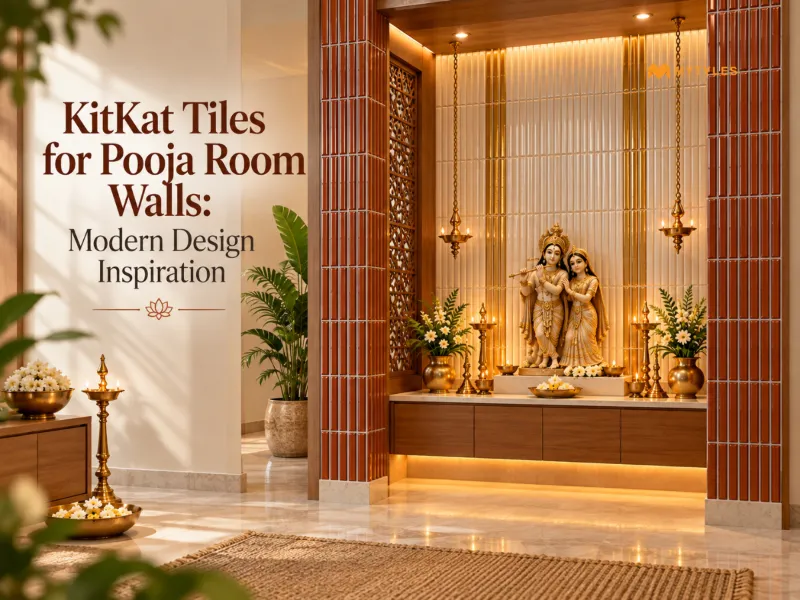
Traditional tiles feel natural in pooja rooms, niches, and small decorative corners. Place them behind the idol area or around a shelf to add an Indian touch without filling the space with too much detail.
Balcony & Semi-Outdoor Areas
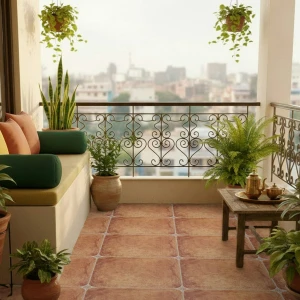
For balconies and verandahs, choose traditional tiles in vitrified or porcelain material. These options handle dust, light moisture, and outdoor movement better while keeping the surface patterned, practical, and easy to maintain.
Traditional Tile Materials: Ceramic, Vitrified & Porcelain
The choice of the tile material determines where the tile is most appropriate to use. It impacts strength, water resistance, cleaning, surface feel and everyday use. Traditional tiles are generally available in ceramic, vitrified or porcelain materials. Ceramic works well for decorative areas, vitrified suits regular-use spaces, and porcelain is a good pick where durability matters more.
Ceramic Traditional Tiles
Traditional ceramic tiles are a good option for decorative walls and floors that don’t get too much heavy use. They show prints, motifs, and old-style patterns clearly. They’re also easier to work with and usually more budget-friendly. Use them in kitchens, pooja rooms, backsplashes, and accent walls where the design matters most.
Vitrified Traditional Tiles
Traditional vitrified tiles are stronger and denser than regular ceramic tiles. They also absorb less water, which makes them easier to maintain in everyday spaces. Apply them on floors and walls in living rooms, bedrooms, passages and areas subject to frequent use. They provide traditional patterns without sacrifice of everyday strength.
Porcelain Traditional Tiles
If durability and low water absorption are a necessity, then traditional porcelain tiles are a good option. They are ideal for floors, walls, and spaces that experience frequent impact and use. The denser body makes the tile last longer and the surface ensures that traditional patterns maintain their sharpness and freshness over the longer term.
Standard Traditional Tile Sizes And Formats
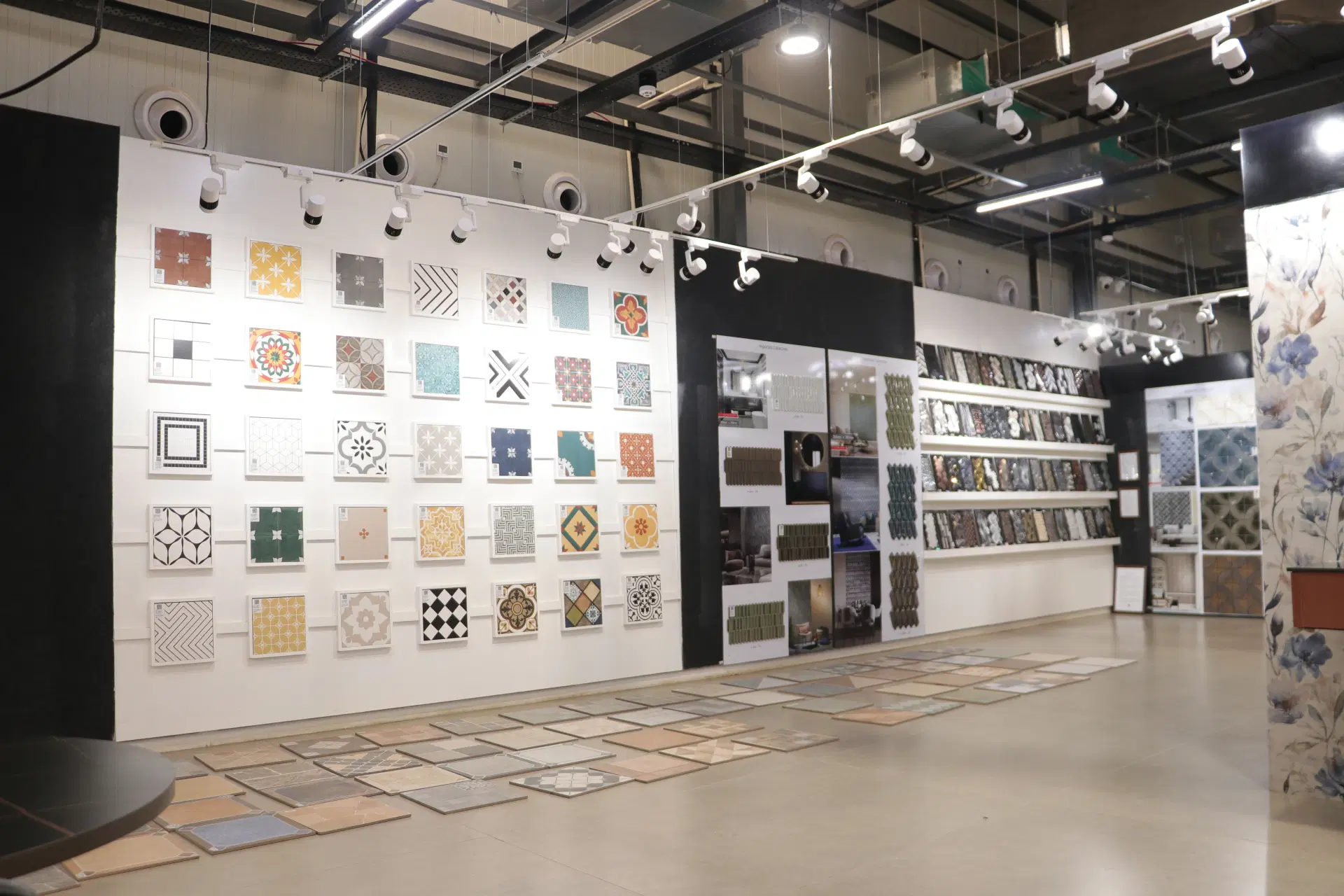
Traditional tiles mostly come in smaller, easy-to-place sizes. Common options start at 5x10 inches and go up to 12x12 inches. These smaller sizes make patterns look neat, balanced, and clear. The use of smaller tiles is suitable for borders, accent spaces, pooja rooms, kitchens, and traditional floor designs.Smaller formats are also useful for borders, repeated motifs, central medallions and patterned layouts.
Tiles in Feet | Tiles in Inches | Tiles in mm |
|---|---|---|
1x1 Feet | 12x12 Inches | 300x300 mm |
0.83x0.83 Feet | 10x10 Inches | 254x254 mm |
0.4x0.83 Feet | 5x10 Inches | 127x254 mm |
Note: The above sizes are commonly used reference sizes. The sizes and thicknesses may vary by product. For exact specifications, Please check individual product details on MyTyles or Use the Tile Calculator for accurate measurements, thickness, finish, and suitability.
Traditional Tiles Finishes: Matt, Satin & Carving
The finish of a traditional tile influences not only how it looks, but also how it feels, reflects light, and performs in daily use. In traditional tile designs, finish plays an important role because it can make motifs appear either softer, sharper, richer, or more textured.
Satin Finish
Satin finish traditional tiles have a soft sheen that enhances patterns without making the surface look overly glossy. Satin finish gives traditional motifs a soft sheen, making them look refined without becoming too glossy.These are perfect for accent walls, dining room and living room applications where lighting levels need to be controlled.
Carving Finish
Carving finish can add texture and depth to the surface to enhance the richness and detail of motifs. The use of this finish is particularly suitable for floral, medallion and ornamental designs where stronger visual impact is required. This finish is often used for feature walls and pooja spaces as well as decorative panels that require special focus.
Matt Finish
Matt-finish traditional tiles bring a natural, muted and grounded look to their interiors, making them ideal for classic and heritage designs. The surface is not shiny; therefore, it lowers the glare level and makes patterns less glaring. It is an excellent choice for floors and has timeless designs, visual comfort, and a natural finish.
Traditional Tiles Colors for Classic, Ethnic & Heritage Interiors
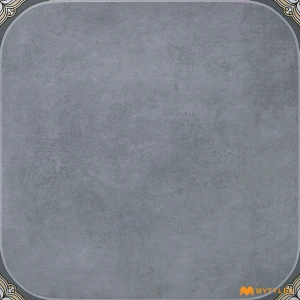
In traditional tiles, color plays a pivotal role in establishing the aesthetic atmosphere of the room and infusing it with depth and cultural context. Traditional tile colors are typically used for design purposes or to complement traditional styles, classic patterns, and any theme inspired by the area in which the tile is being installed. Some of the popular traditional tile color are: Red, cream, blue, white, gray, yellow, brown, green, terracotta and more.
Red Traditional Tiles
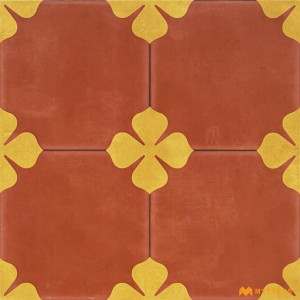
Red is one of the most identifiable colors in tile designs. It brings warmth, a sense of heritage, and a certain visual identity in the overall construct that defines classic Indian homes. Red rustic traditional tiles are ideal for spaces where a bold, rooted, and culturally rich look is desired.
Cream Traditional Tiles
Cream heritage tile designs offer a softer and lighter interpretation of classic design. They can support decorative patterning while providing an overall open, non-cluttered, and relaxing environment. The cream is a good option for those who like traditional styles but also appreciate the versatility and subtlety of a lighter tone.
White Traditional Tiles
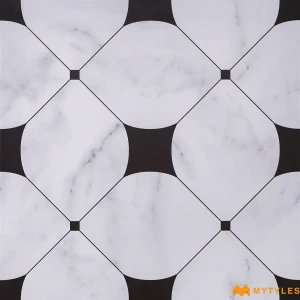
When high-traffic areas require pattern details to be clearly seen but do not want them to be perceived as being "heavy", white traditional tiles are helpful. They offer a clean and breezy look so that traditional motifs remain visible and elegant.
Yellow Traditional Tiles
Yellow traditional tiles are a source of warmth, brightness and decorative character. At all times they can make traditional spaces more colorful and energetic, particularly applied in accent zones, niche walls or smaller, highlighted spaces.
Green Traditional Tiles
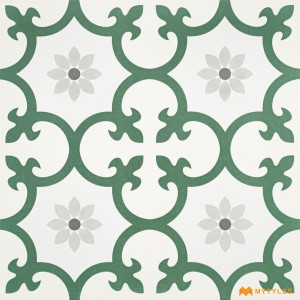
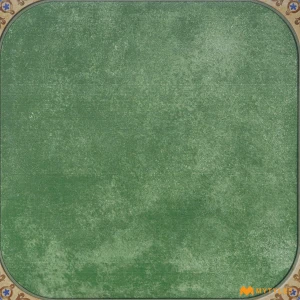
Green traditional tiles create a fresh but classic look. They work well in spaces that aim to feel calm, decorative, and slightly nature-inspired. In traditional settings, green can also add uniqueness without moving away from heritage styling.
Terracotta Traditional Tiles
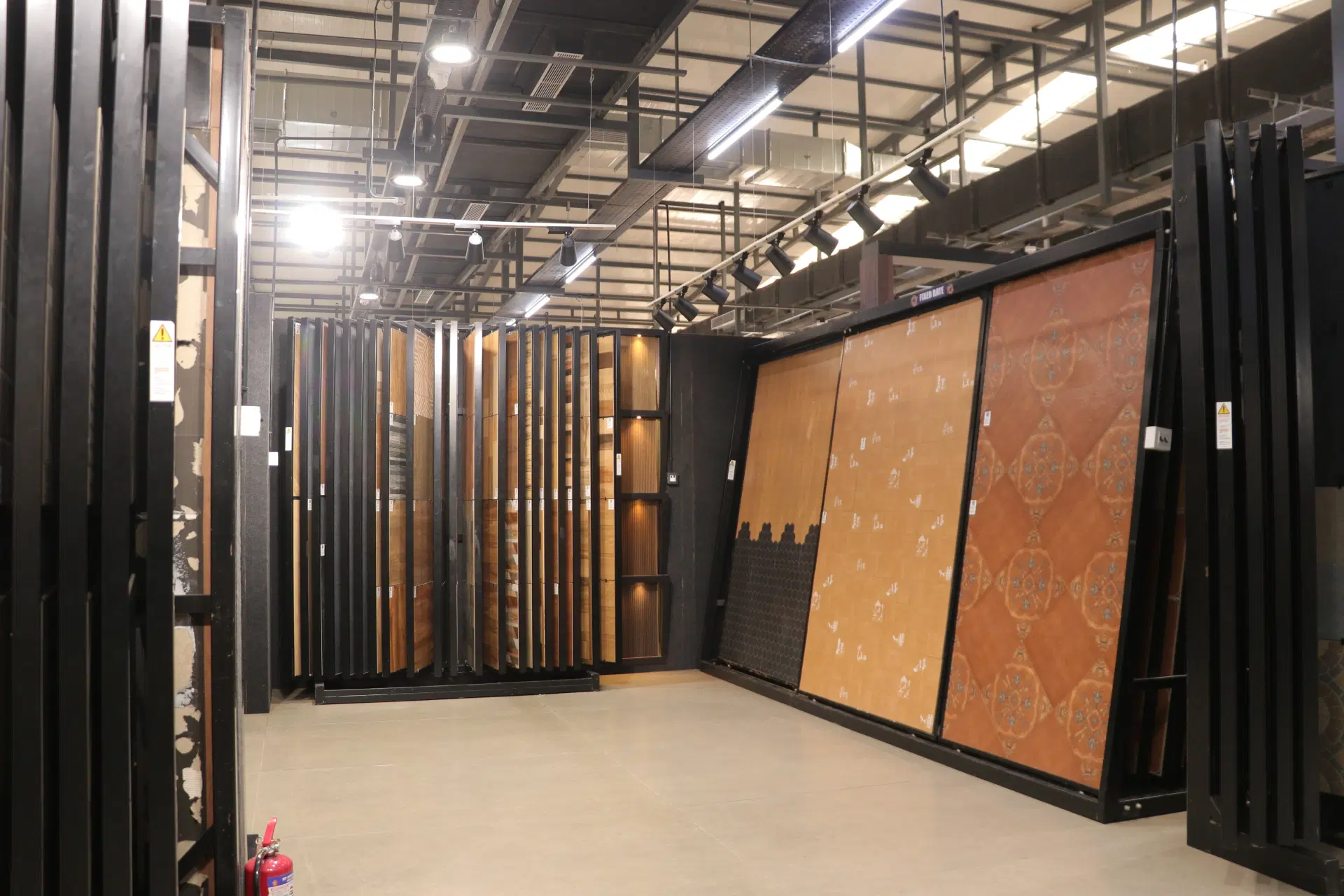
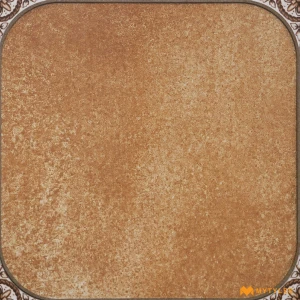
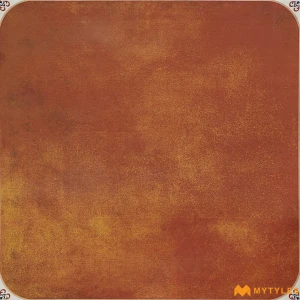
Terracotta is one of the most natural and authentic-looking choices in traditional tiles. It reflects earthy warmth and strong regional character, making it especially suitable for homes inspired by vernacular, rustic, or South Indian vintage tile design elements.
Traditional Tile Prices for Floors & Walls
Traditional tiles tend to come in a range of patterns and are generally less expensive than some of the imported patterns. In this category, most designs fall around the price of ₹150 to ₹162/sq.ft. Final prices may vary depending on material, finish, size and design features. The table below will assist you in comparing the approximate scale of the price of the tiles based on traditional tile styles.
Tile Category | Price Range (₹/sq. ft.) |
Floral Motifs | ₹150 – ₹162 |
Mandala-Inspired Patterns | ₹150 – ₹162 |
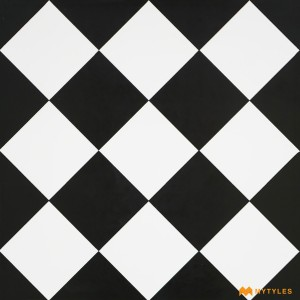
Geometric Grid Designs | ₹150 – ₹162 |
Border Tiles | ₹150 – ₹162 |
Central Medallion Designs | ₹150 – ₹162 |
Note: All prices shown are suggestive and may change with size, material, finish and design. Please refer to individual product pages for current prices.
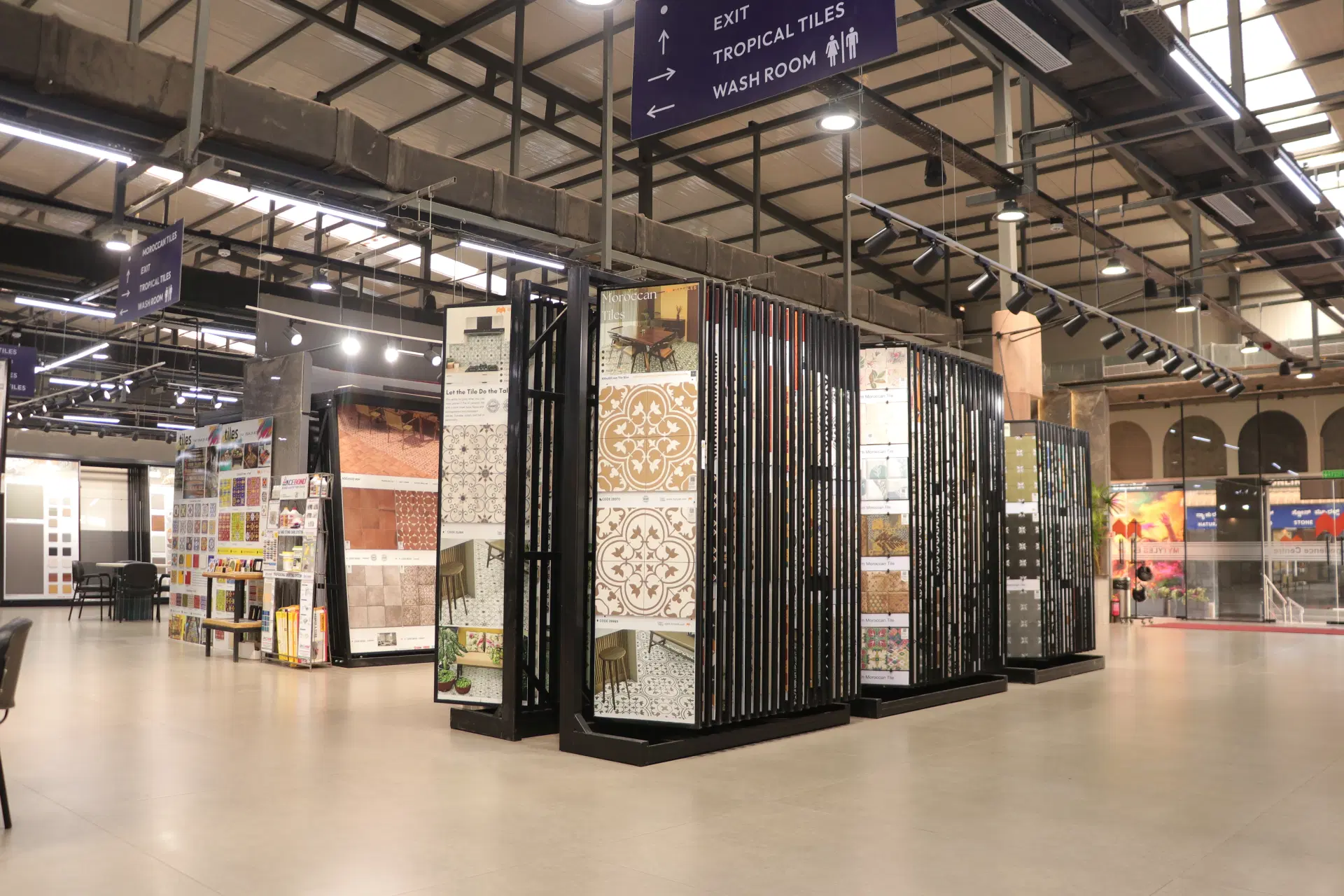
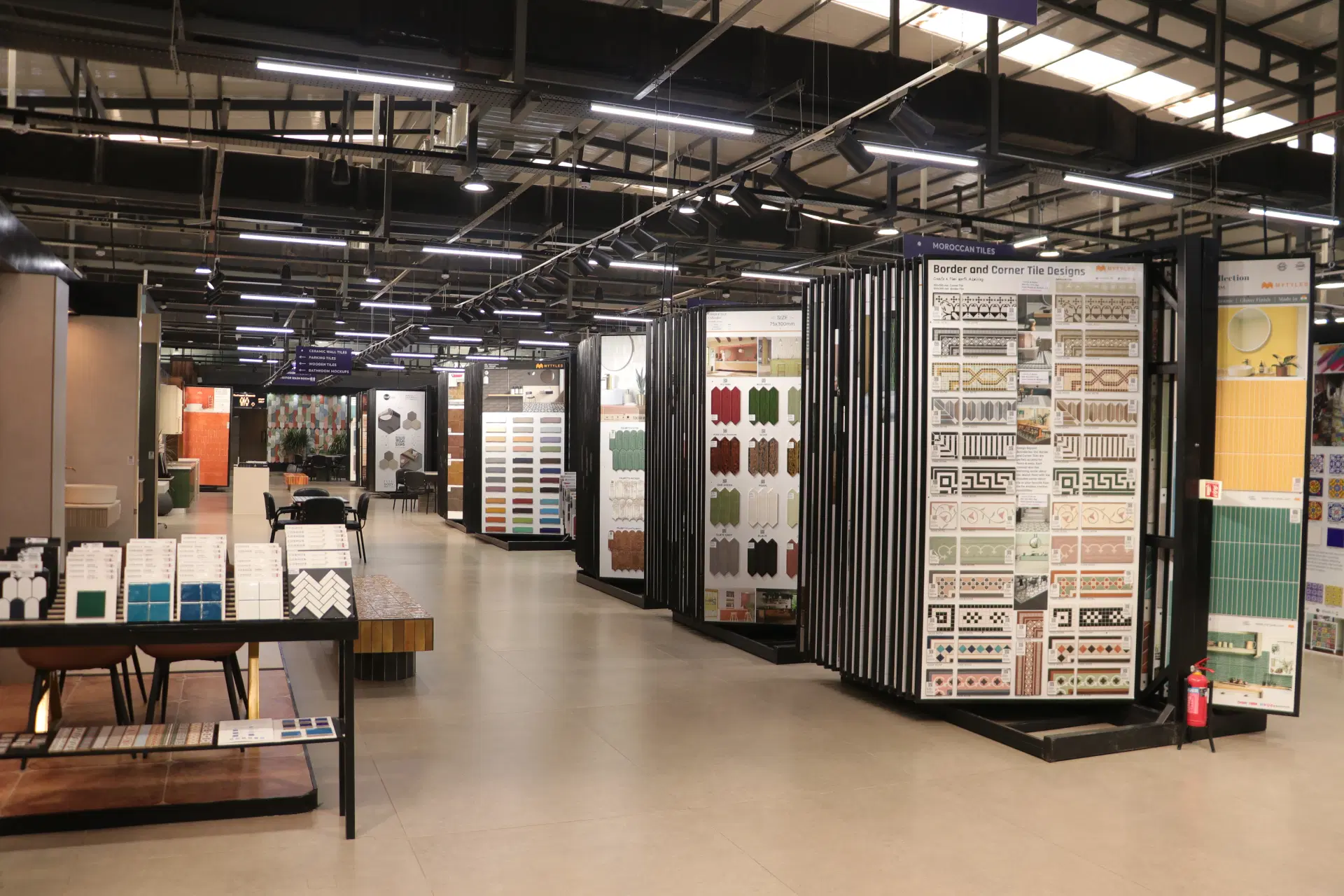
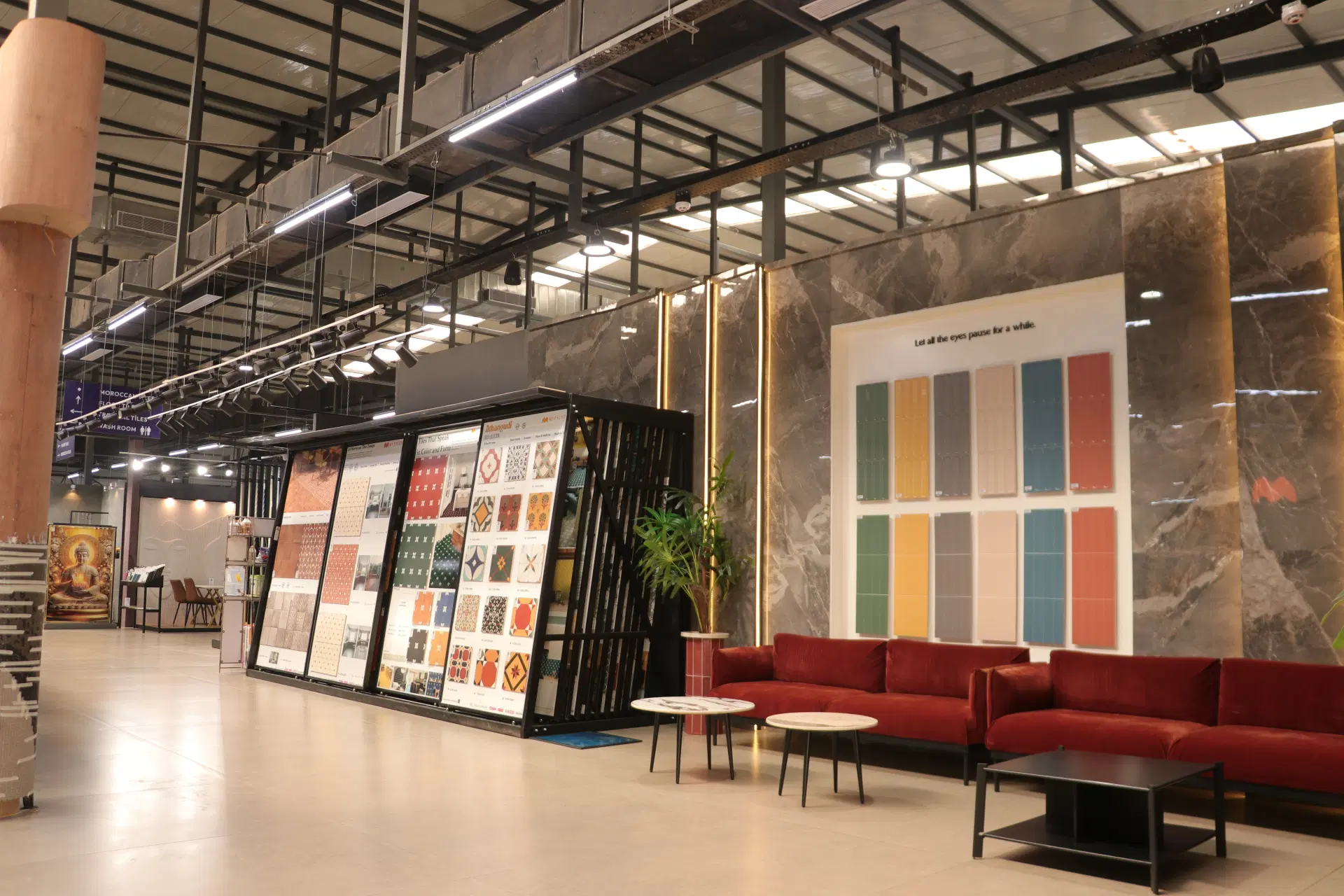
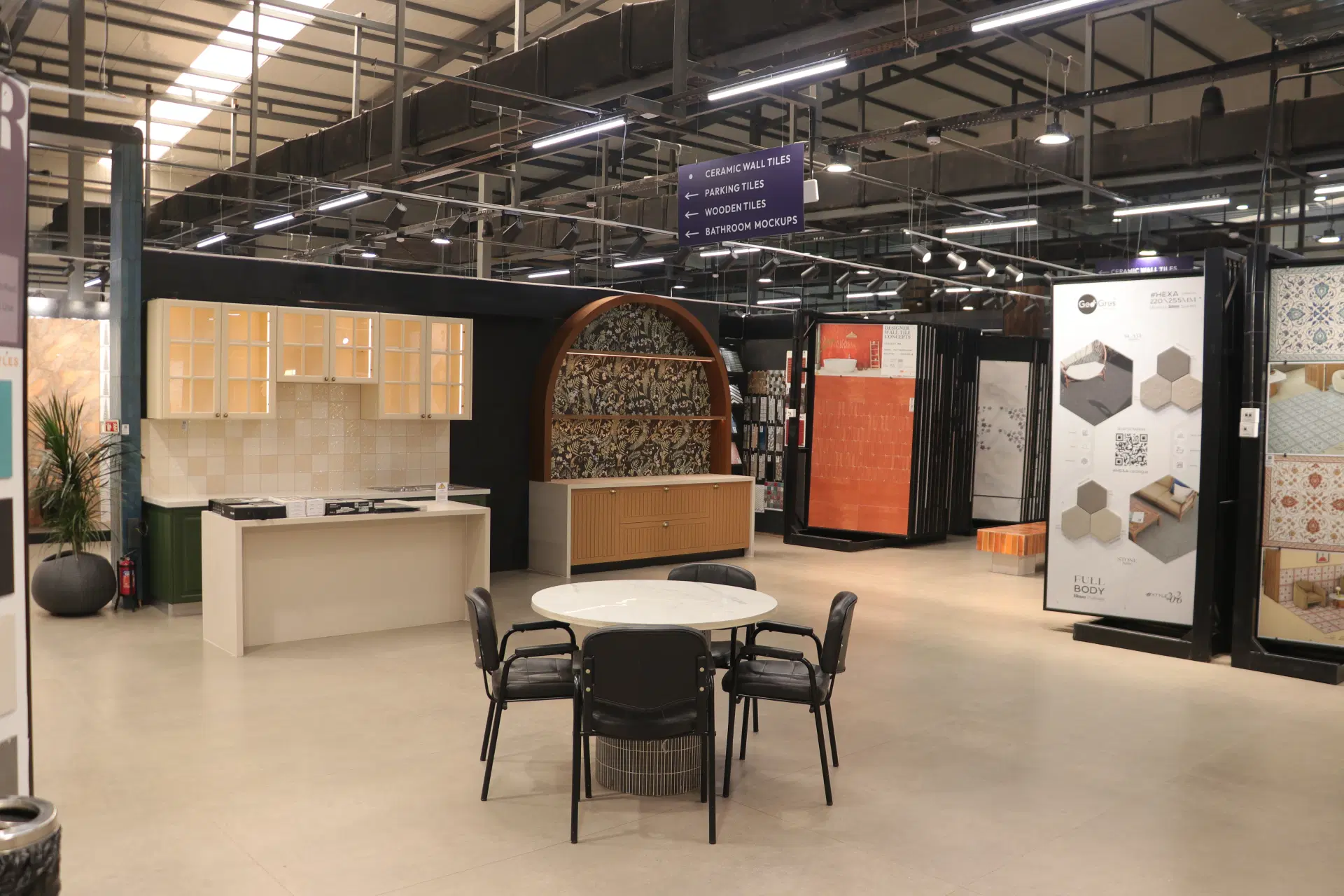
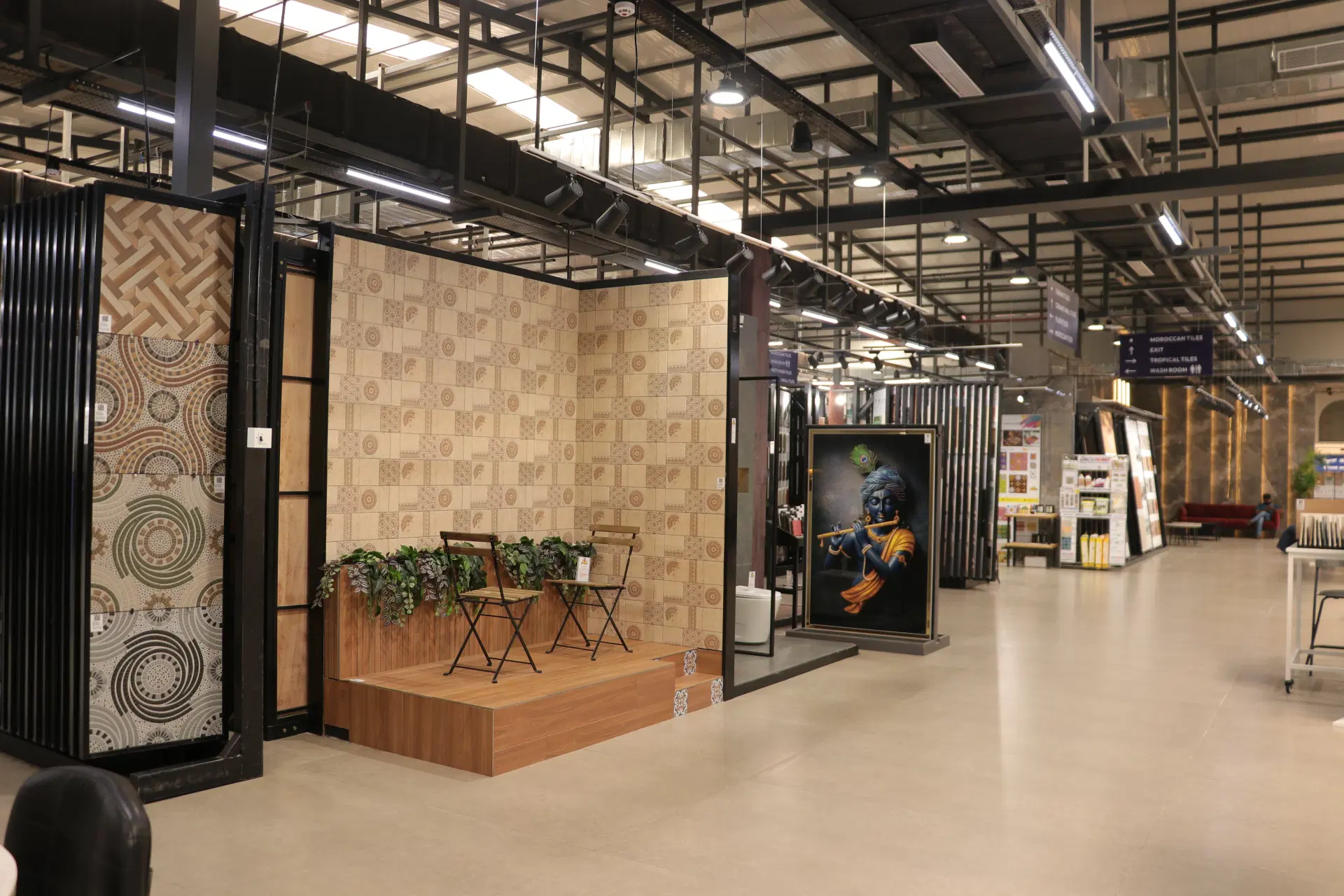
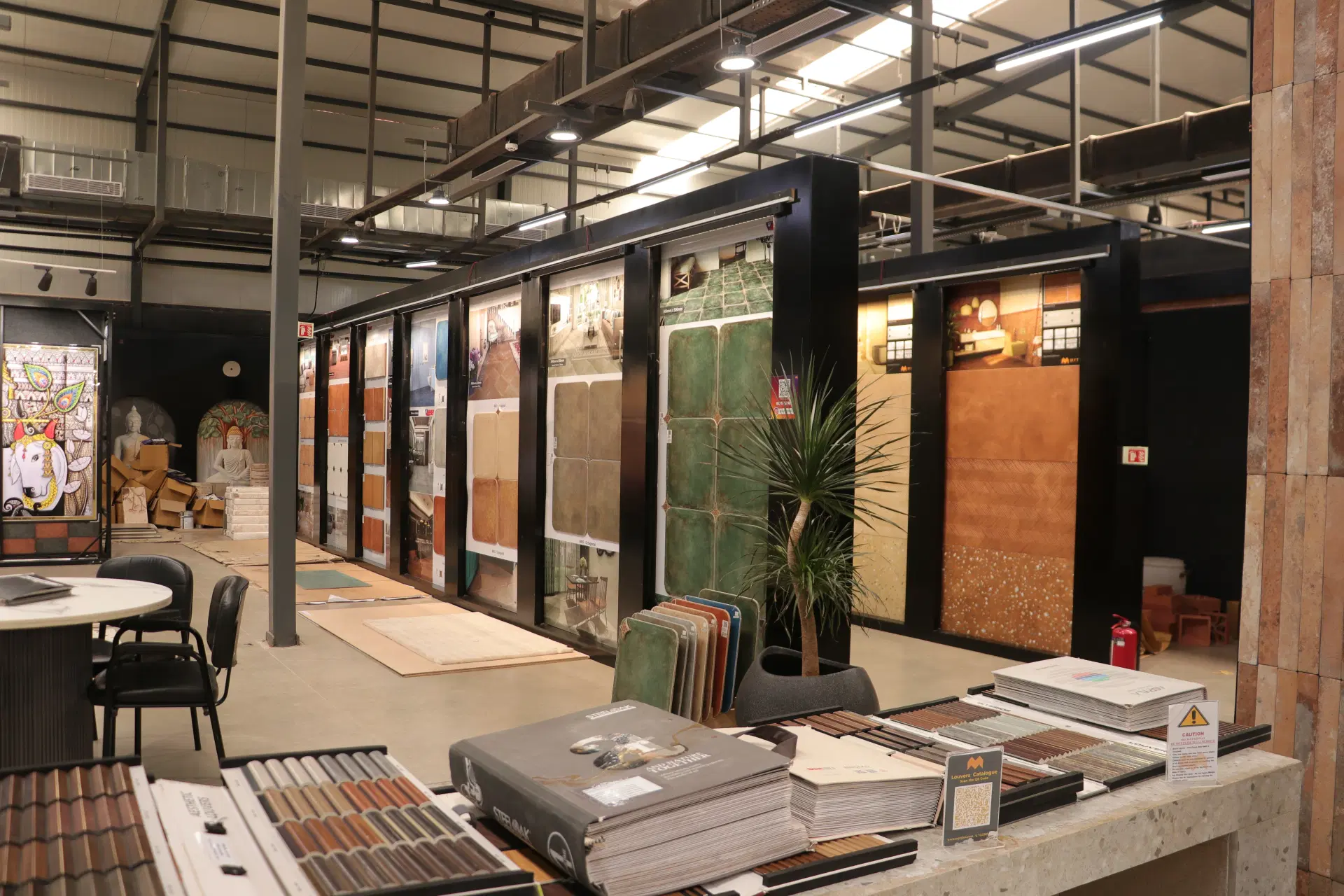
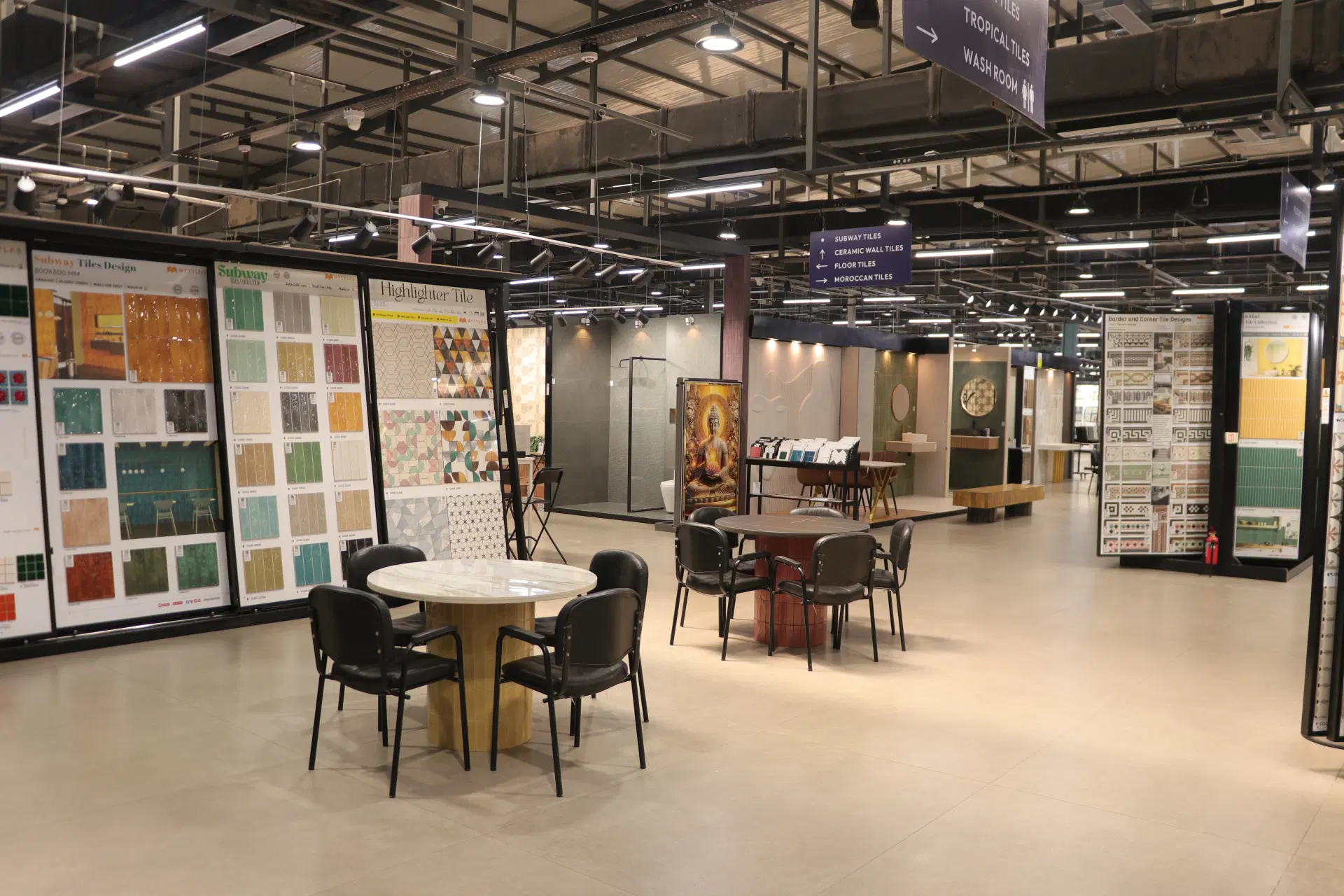
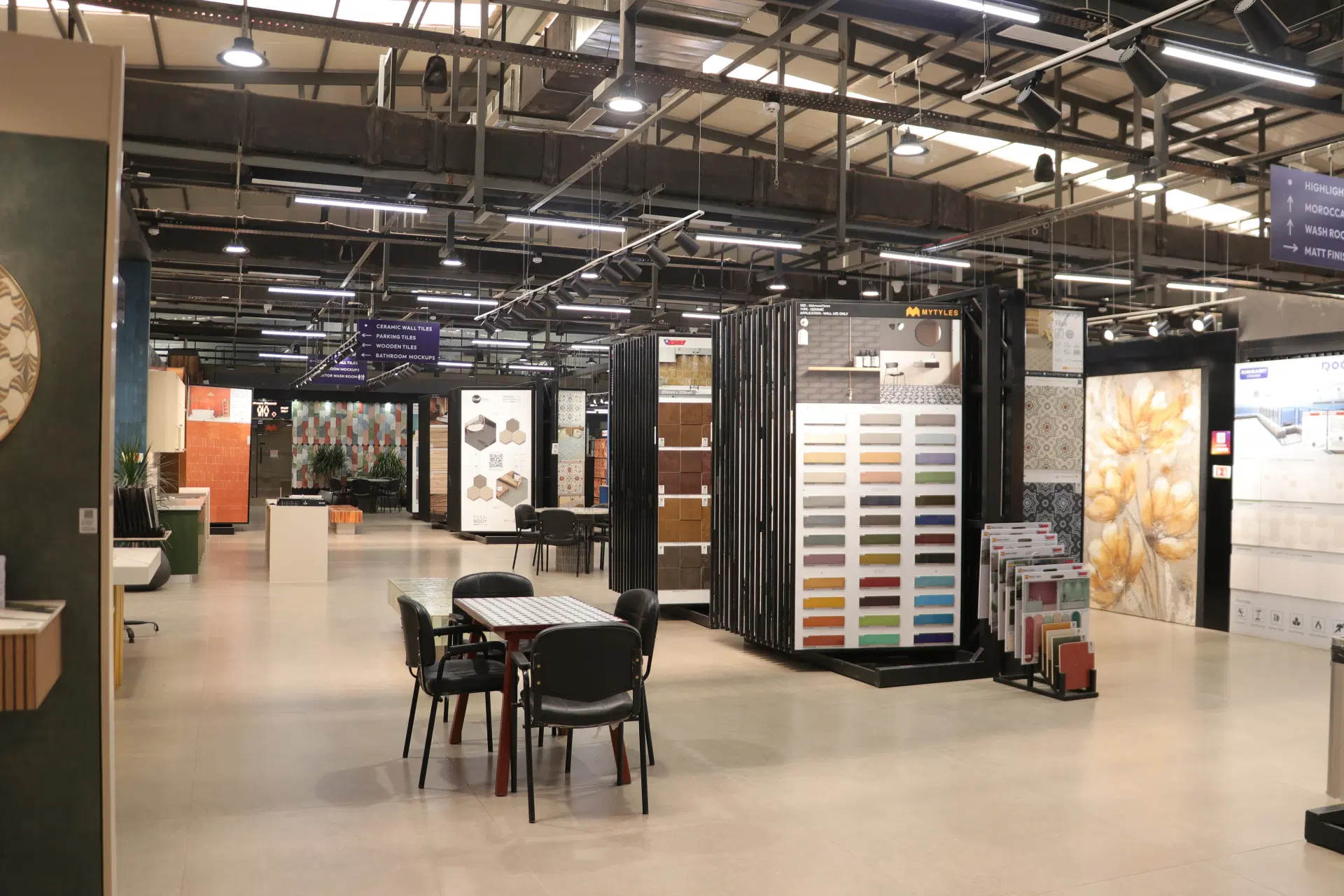
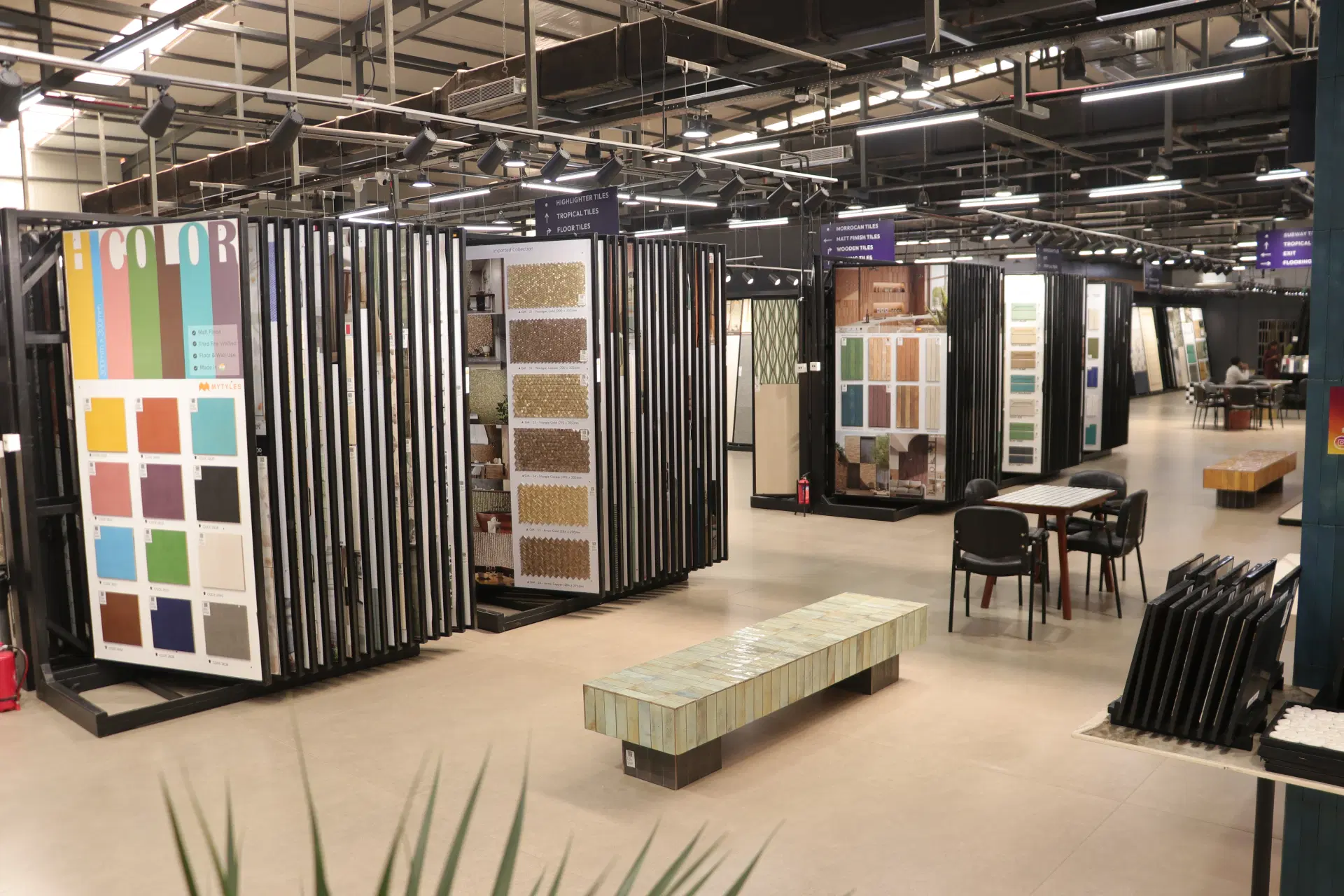
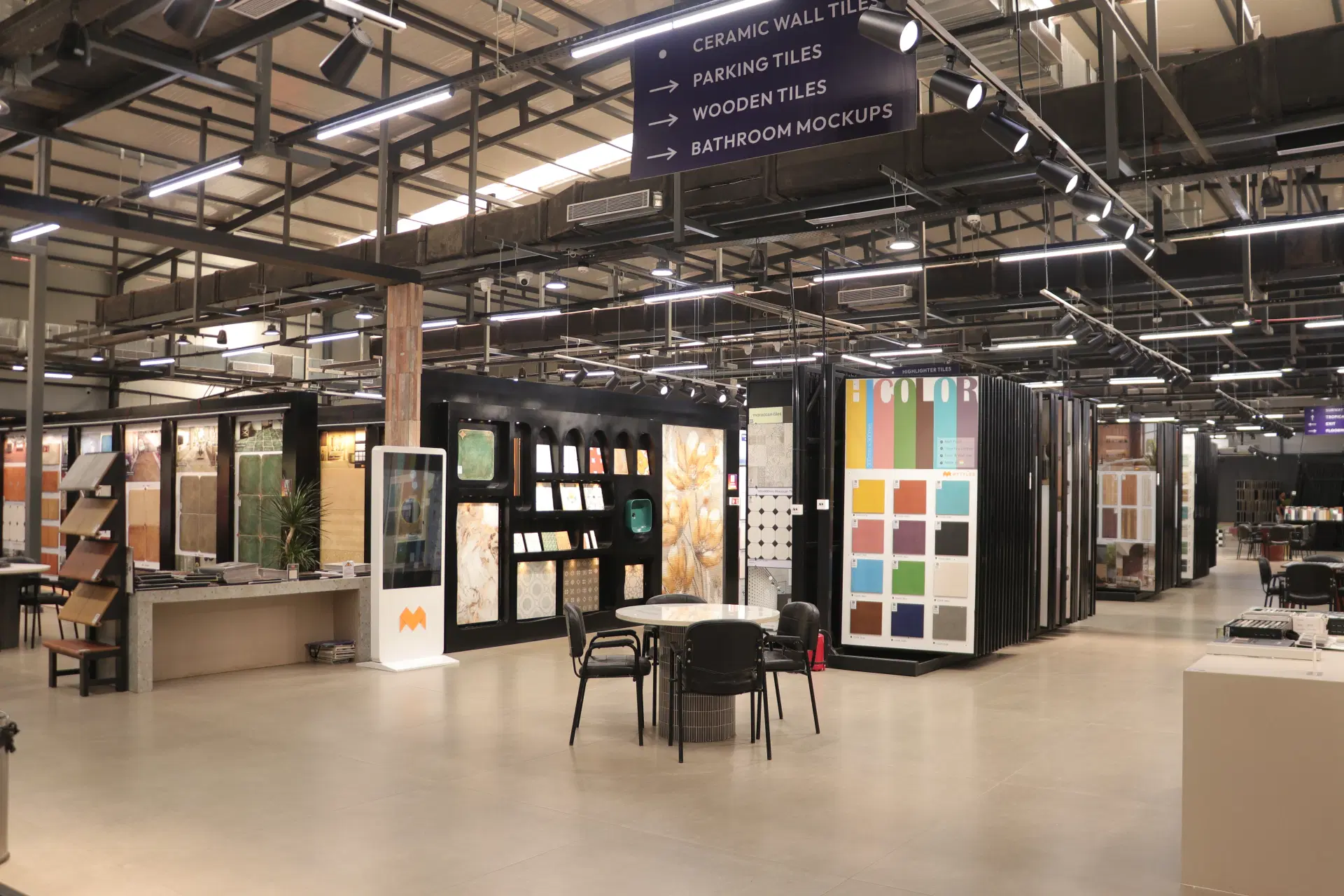
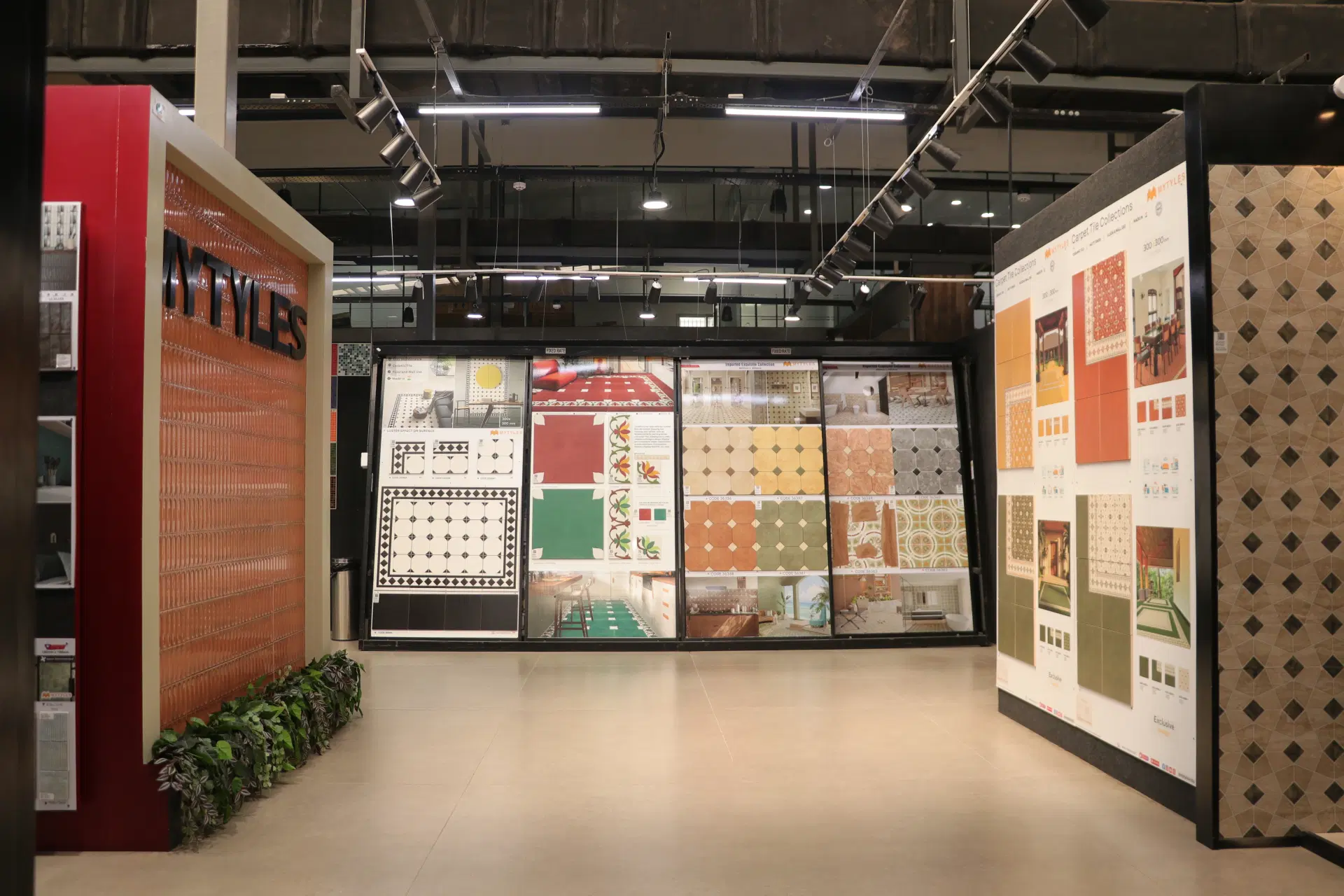
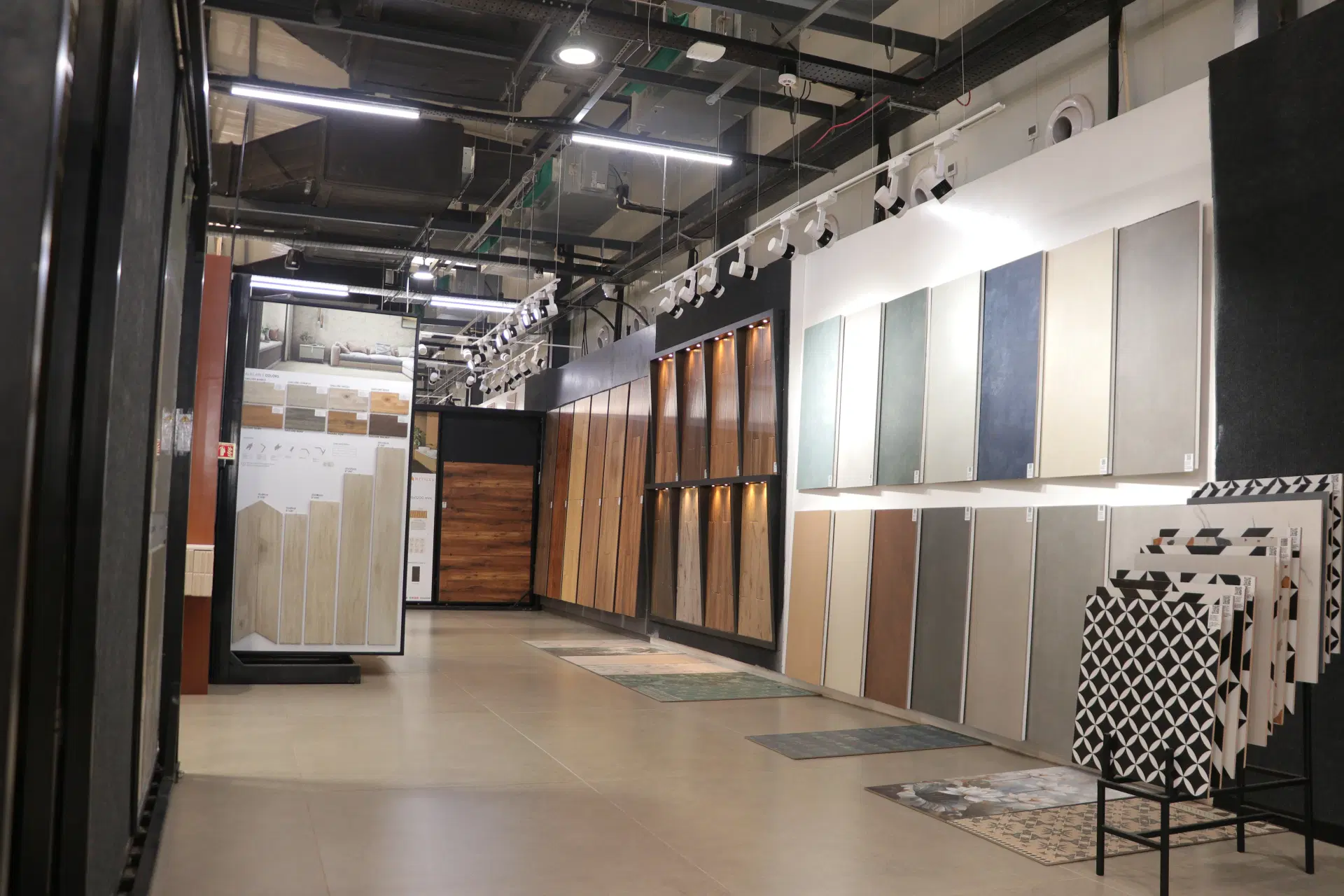
Find the right traditional tiles at MyTyles with buying support designed to make selection easier. Visit MyTyles experience centre to explore designs, colors, finishes, and sizes in person. If visiting is not possible, you can buy online with expert guidance and benefit from dependable Pan-India delivery across locations.