Inspiration Gallery
Blog
Tile Calculator
08065423741



.svg)


Ceramic Tiles vs Vitrified Tiles: 21 Key Differences
ByBiren Agrawalla

Tue , Aug 18 , 2026

Read Time: 5 Min


 Copied!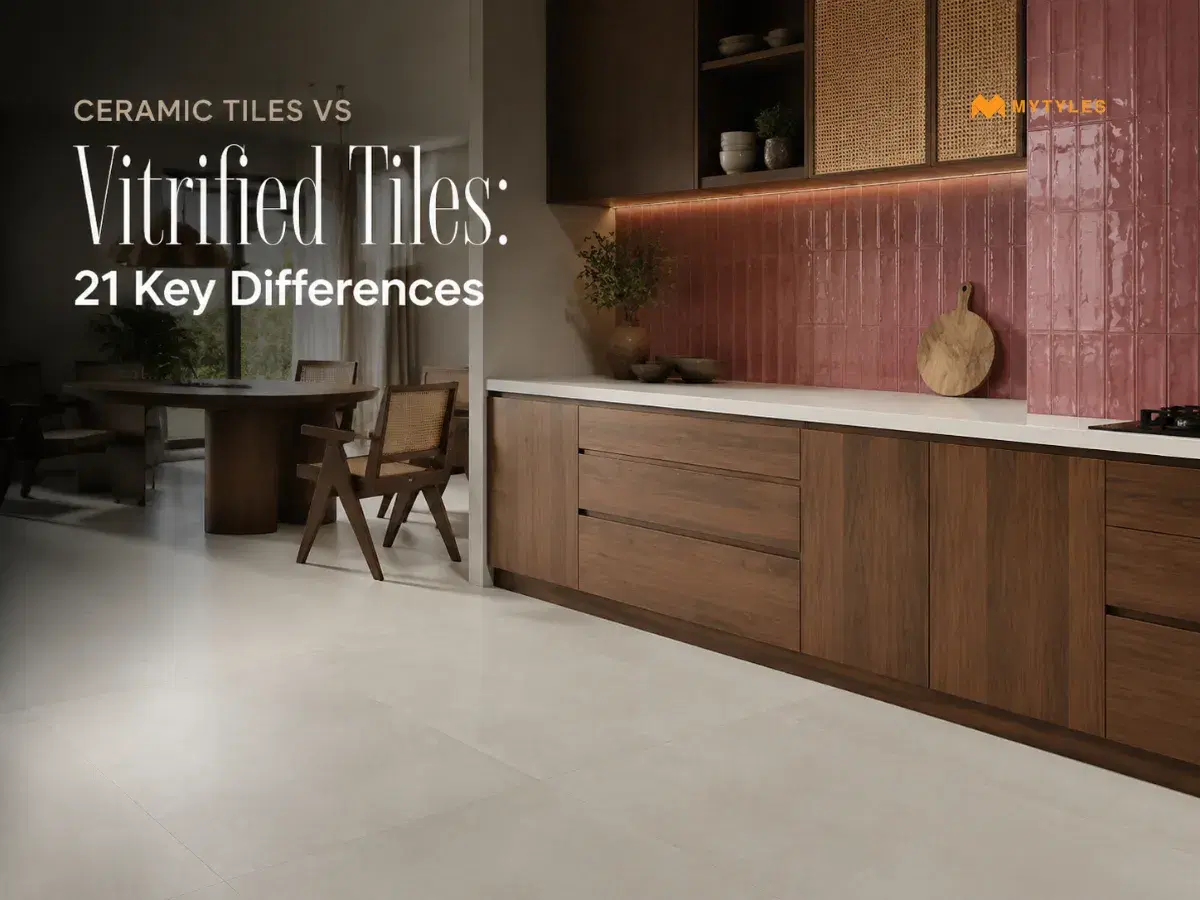
Choosing tiles for your home is not always easy; there are just so many tile options. In India, you can find ceramic and vitrified flooring everywhere; they’re the top choices for most people. Each one has its perks and different finishes, and they last in their own way. When you know what sets ceramic and vitrified floor tiles apart, it’s a lot easier to choose something that actually works for you and sticks around for years. If you are planning ceramic tile flooring, updating walls with ceramic wall tiles, or exploring vitrified tile flooring for busy spaces, this guide breaks everything down in simple language.
What Are Ceramic Tiles?
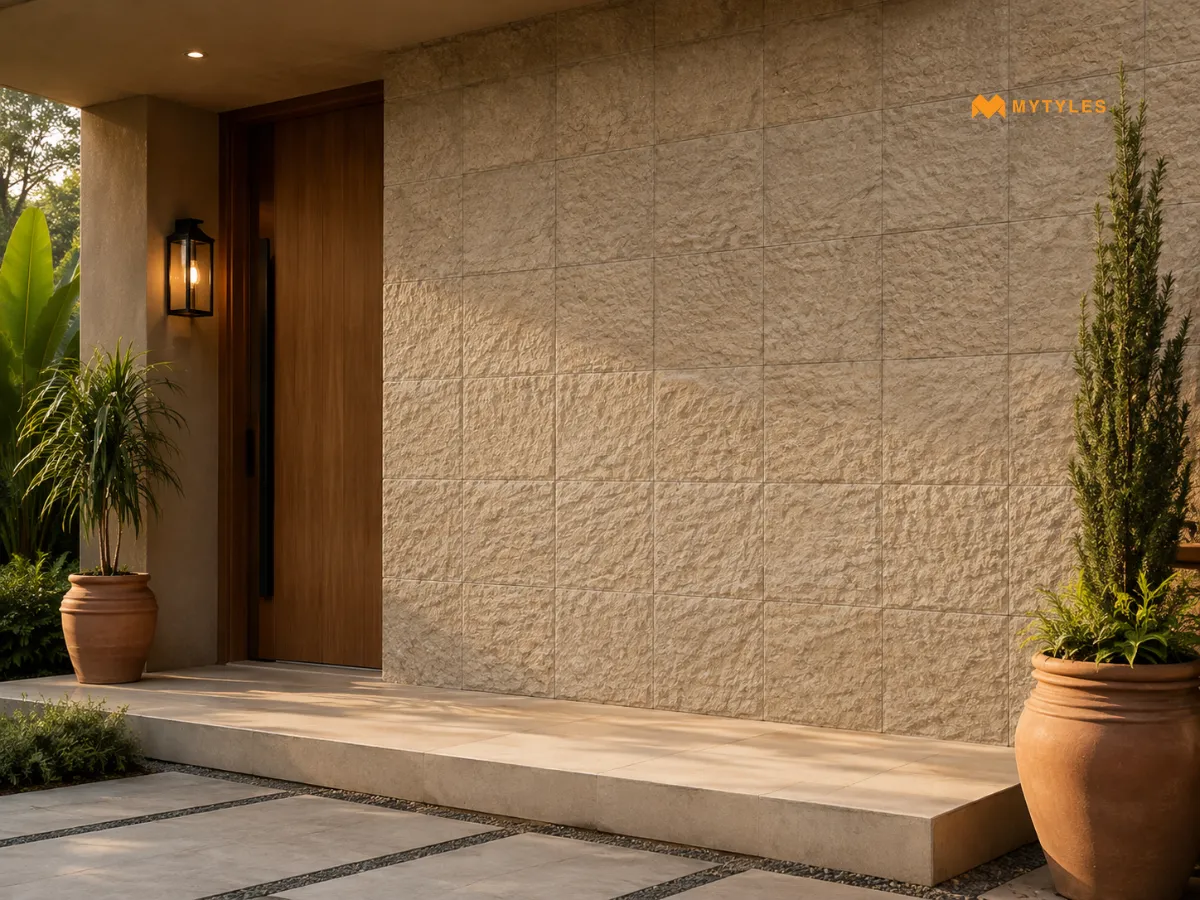
Ceramic floors are made out of natural clay mixed with minerals and water, shaped into tiles, and fired in a kiln. Most ceramic floors have a glaze that provides color, texture, and basic protection. Ceramic floors absorb a bit more water than vitrified floors do. Ceramic flooring works best indoors. They come in various styles, colors, and price ranges, so you can pick something that fits your taste and your budget. They are commonly applied to everyday use areas like kitchens, bathrooms, balconies and living rooms. They can also be used on walls because they are lightweight. Ceramic tiles are available in many patterns, including stone, wood and marble-like finishes.
How Are Ceramic Tiles Made?
Ceramic tiles are made through a careful step-by-step process that transforms the material into strong and beautiful tiles. Each stage, from mixing the clay until the end, is made with caution, which helps the tiles to be more durable, smooth and perfect for everyday use.
- The process starts with clay, sand, and minerals. These ingredients are mixed with water until they become a soft, smooth paste that can be shaped into tiles without cracks or uneven surfaces.
- This mixture is then added into a large machine that shapes it into flat tiles while ensuring each tile has the right size and thickness. After shaping, the tiles are left to dry so they can become firm enough to handle without breaking.
- Once the tiles are dry, then a liquid glaze is poured on top of them. Doing this provides them color, shine, and a smooth finish. This stage also acts as a protective layer before they are placed in the kiln.
- After glazing, the tiles go into a very hot kiln. This heat makes the clay strong and rigid, which makes the tile long-lasting and resistant to any damage in the future.
- After cooling, the tiles are inspected carefully for cracks, uneven edges, and color to ensure their quality.
- After all this process, the finished tiles are packed carefully and sent to stores, where they are ready to be used in many spaces.
What Are Vitrified Tiles?
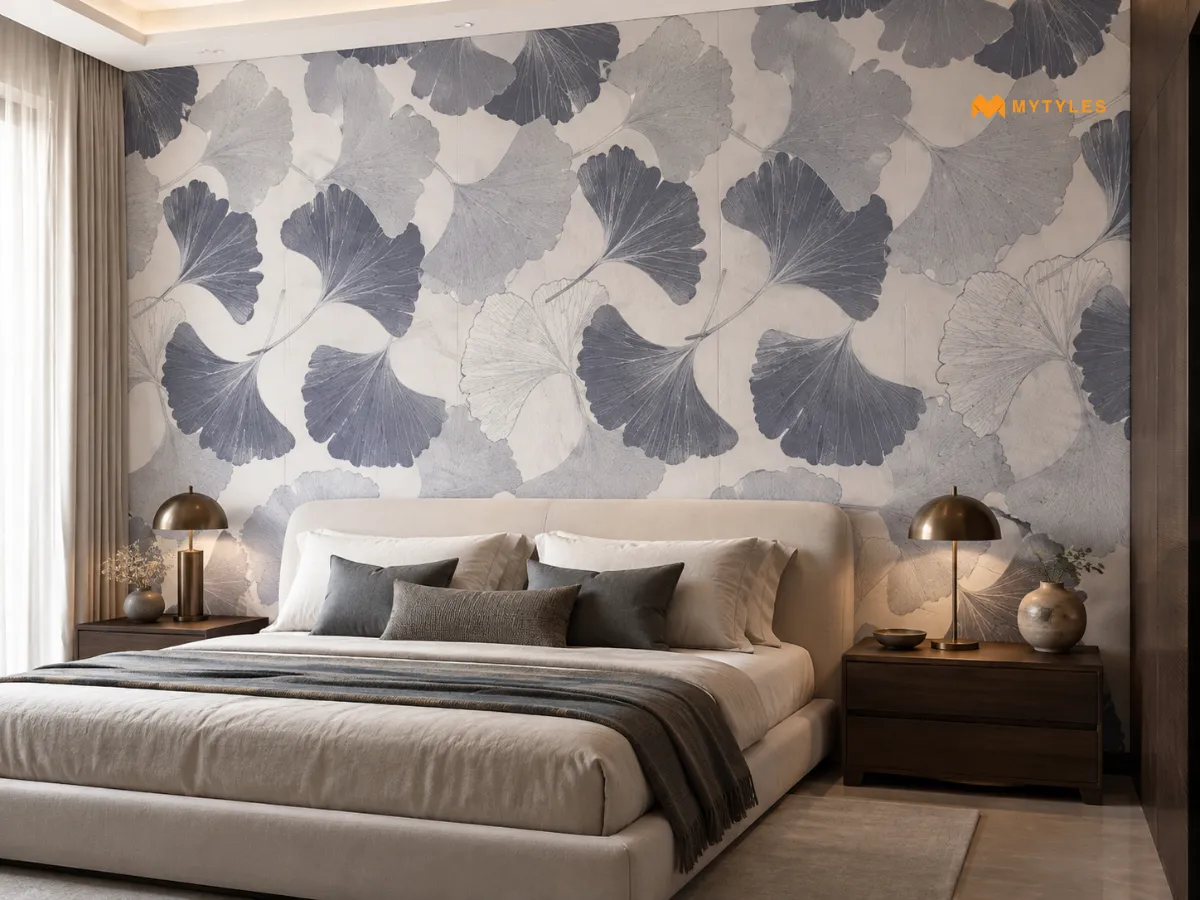
Vitrified tile is made with a mix of clay, silica, quartz, and feldspar. When these materials go through the intense heat of vitrification, they melt together and form a hard, glassy surface. That’s why these tiles barely absorb water and hold up so well; they're tough, durable, and don’t get scratched or stained easily. You don’t have to worry about moisture, either. All of these attributes make vitrified flooring a smart pick for today's homes. The sleek finish of vitrified flooring gives floors a clean, seamless look. Because of their strength and low water absorption, vitrified floors are commonly used in kitchens, balconies, bathroom floors and outdoor spaces.
How Are Vitrified Tiles Manufactured?
Vitrified tiles are strong, shiny, and long-lasting because they go through a special heating process. They are made using a mix of natural materials that melt and bond them together. This makes the tiles smooth and perfect for modern homes and busy spaces.
- The process starts with the mix of clay, quartz, silica, and feldspar. They are mixed together to form a smooth, fine powder that helps the tiles become strong after heating.
- A thick liquid called slurry is added to make it bind together. The slurry is added into a spray dryer, where hot air removes moisture. It becomes dried chunks, which make it easy to shape the tile.
- The dried chunks go into a hydraulic press, which flattens and shapes the tiles. The shaped tiles are dried once again to remove the leftover moisture. This action prevents the cracks or bending during the heating process.
- The tiles are then placed in a kiln to make them durable. Some tiles are glazed before placing them in a kiln for different patterns and color.
- These tiles are polished. This process gives them the smooth, glossy finish. Each tile is checked for its quality and then they are distributed to stores.
Types of Vitrified Tiles
There are different types of vitrified tiles. Each one offers its own look, finish, and strength. Some focus on stylish designs. Understanding these types helps you choose tiles that match your space and daily use perfectly.
Soluble Salt Vitrified Tiles
These tiles are made using a soluble salt printing process where the design is absorbed into the top layer of the tile. They are affordable, easy to maintain, and a good choice for light-use indoor areas such as bedrooms or small offices. They offer limited design options compared to other vitrified tiles. Soluble salt vitrified tiles are created using a special printing method, which makes the patterns unique.
Glazed Vitrified Tiles
Glazed vitrified tiles are often called GVT tiles. GVT tiles come with a glazed top layer that allows digital printing. This glaze makes it possible to print any design on the tile, like wood, a marble-like finish, stone or even patterns. This gives you a wide range of colours, patterns, textures, and finishes, including matte, glossy, and woody looks.
Double-charged Vitrified Tiles
This type of vitrified flooring is made by feeding two layers of colored pigments into the press. This process creates a thicker design layer compared to other vitrified tiles, which makes them highly durable and long-lasting. If you want tiles that look good, last long, and withstand daily use, then this tile is the best choice.
Key Differences Between Ceramic & Vitrified Tiles
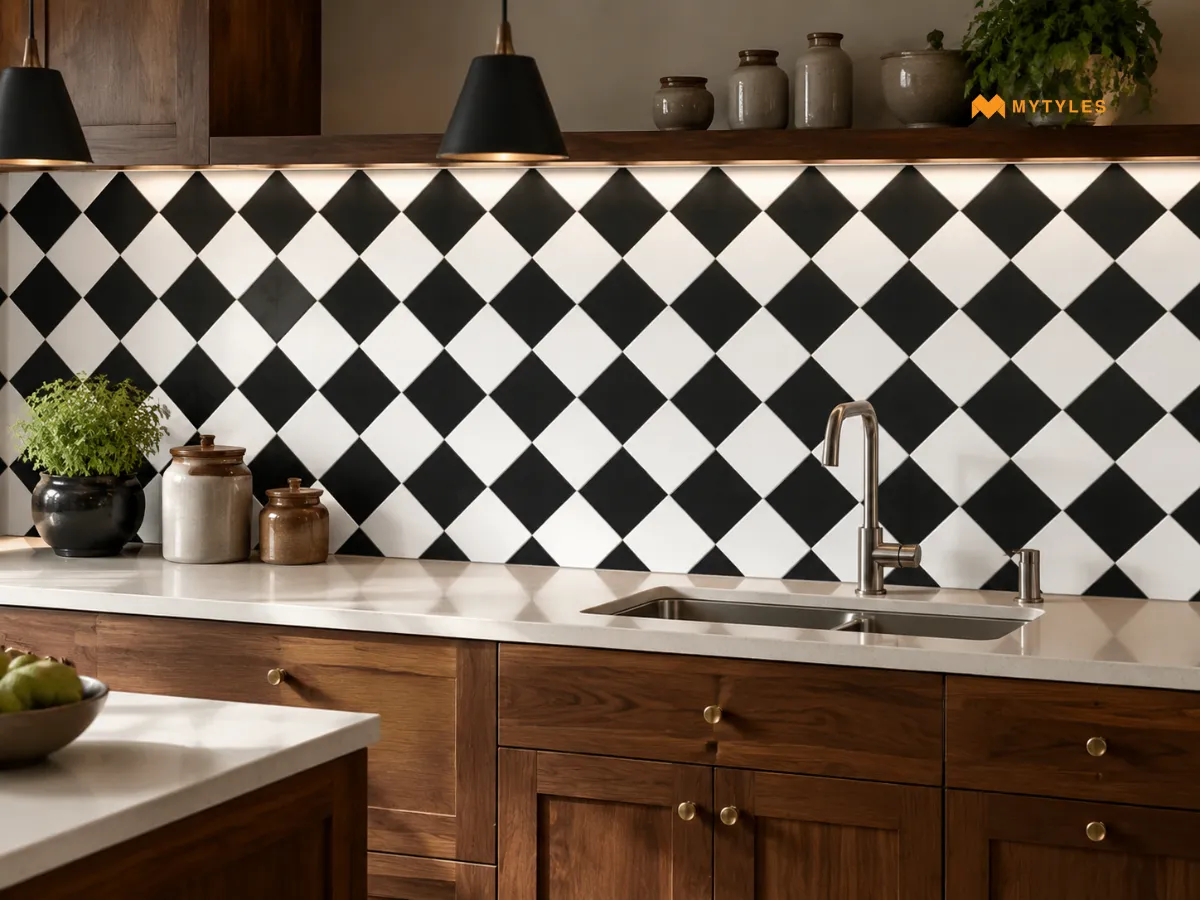
Ceramic and vitrified tiles may appear similar, but their performance varies greatly. Understanding their differences in durability, finish, water resistance, maintenance, and installation helps you choose the ideal tile for every space.
Feature | Ceramic Tiles | Vitrified Tiles |
Finish | Mostly glazed with numerous colours and patterns. Ideal for decorative and bold designs. | Polished or matte surfaces offering a clean, modern, and uniform appearance. |
Strength | Suitable for moderate daily foot traffic. | Higher strength; ideal for heavy foot traffic and long-term durability. |
Water Absorption | Higher water absorption, not ideal for very wet areas. | Very low absorption, making them excellent for moisture-prone spaces. |
Maintenance | Needs regular cleaning; can stain if neglected. | Requires minimal maintenance; stays clean with less effort. |
Installation | Lightweight and easy to cut, enabling faster installation. | Heavier, harder to cut, and more time-consuming to install. |
Cost | More budget-friendly and widely affordable. | Generally more expensive due to advanced manufacturing and durability. |
Appearance Lifespan | Glaze may wear over time in high-traffic areas. | Retains shine and finish for years with minimal wear. |
Making the Right Tile Choice for Your Home
Choosing between ceramic and vitrified tiles depends on your space, budget, and how much moisture it gets. Ceramic floors are a good choice for bedroom walls and dry areas where you want the place to look decorative. Vitrified tiles are best for bathroom floors, kitchens, balconies, and other places where they can withstand stains and scratches. Both work well, but the best choice depends on your budget, usage and preferred style.
If you are still deciding, explore designs on MyTyles. You will find helpful details and plenty of styles to match your style. With so many patterns, colors, and materials available, it becomes easier to find something that suits your interior.

What Is the Main Difference Between Ceramic and Vitrified Tiles?

Ceramic tiles are made primarily from clay and fired to create a hard surface, while vitrified tiles include silica, feldspar, and other minerals that fuse into a dense, glass-like body. Vitrified tiles generally have lower water absorption and greater density. Ceramic tiles are often lighter, easier to cut, and more economical, particularly for interior wall applications.
Which Tile Type Is More Durable and Long-Lasting?
Vitrified tiles generally offer higher strength, lower porosity, and better resistance to stains, scratches, and heavy foot traffic. Ceramic floor tiles can still perform well in bedrooms and moderate-use rooms when properly rated. Durability depends on the specific product’s thickness, breaking strength, abrasion rating, surface finish, substrate preparation, adhesive coverage, grout joints, and installation quality.
Which Tile Handles Water and Moisture Better?
Vitrified tiles usually absorb less water than standard ceramic tiles, making suitable options practical for kitchens, bathrooms, utility areas, and balconies. However, water absorption alone does not determine wet-area safety. Homeowners must also check slip resistance, waterproofing, surface texture, drainage, grout quality, and exterior approval. Some ceramic tiles are designed specifically for wet walls or selected floors.
Which Tile Offers More Designs and Finishes?
Ceramic tiles offer extensive colors, prints, decorative patterns, mosaics, and glazed wall finishes, making them popular for kitchens and bathrooms. Vitrified tiles provide realistic marble, wood, stone, terrazzo, and concrete designs in large formats. Both are available in matt, glossy, and textured finishes, but design quality, shade variation, and application ratings differ between individual collections.
How Do Their Installation Requirements Differ?
Ceramic tiles are generally lighter and easier to cut, which can simplify installation on walls, backsplashes, and compact surfaces. Vitrified tiles are denser, heavier, and sometimes available in larger formats requiring specialised cutting tools, strong adhesives, and skilled handling. Both need a level substrate, correct joint spacing, adequate adhesive coverage, and suitable grout for lasting performance.
Which Is More Budget-Friendly: Ceramic or Vitrified Tiles?
Ceramic tiles often have a lower initial price, especially for standard wall and moderate-use floor ranges. Vitrified tiles may cost more because of their dense body, manufacturing process, size, and finish, although prices vary widely. Compare material cost with adhesive, grout, labour, cutting, wastage, maintenance, durability, and replacement needs to understand the total long-term value.
Which Tile Should Homeowners Choose for Their Space?
Choose ceramic tiles for decorative walls, backsplashes, utility areas, and lighter-use rooms when budget and easy cutting matter. Select vitrified tiles for larger floors, busy living spaces, corridors, or areas requiring low water absorption and stronger wear resistance. Before purchasing, compare technical ratings, room conditions, samples, batch numbers, maintenance needs, and installer experience rather than relying only on appearance.

ABOUT THE AUTHOR
Biren Agrawalla
Biren Agrawalla is the Founder of MyTyles, driven by a passion for making tile buying simpler, smarter, and more customer-friendly. With a background in technology and a strong interest in how homes are designed, he built MyTyles to bridge the gap between traditional tile retail and modern customer needs. Biren focuses on understanding what people truly look for when creating their spaces, from practical choices to design inspiration. His work is centred on building thoughtful online solutions that help homeowners discover the right tiles with more confidence, convenience, and clarity.
Latest Blogs By MyTyles