Inspiration Gallery
Blog
Tile Calculator
08065423741



.svg)


Materials of Floor Tiles: Choosing Between Ceramic, Porcelain, and Natural Stone
ByBiren Agrawalla

Thu , Aug 06 , 2026

Read Time: 5 Min


 Copied!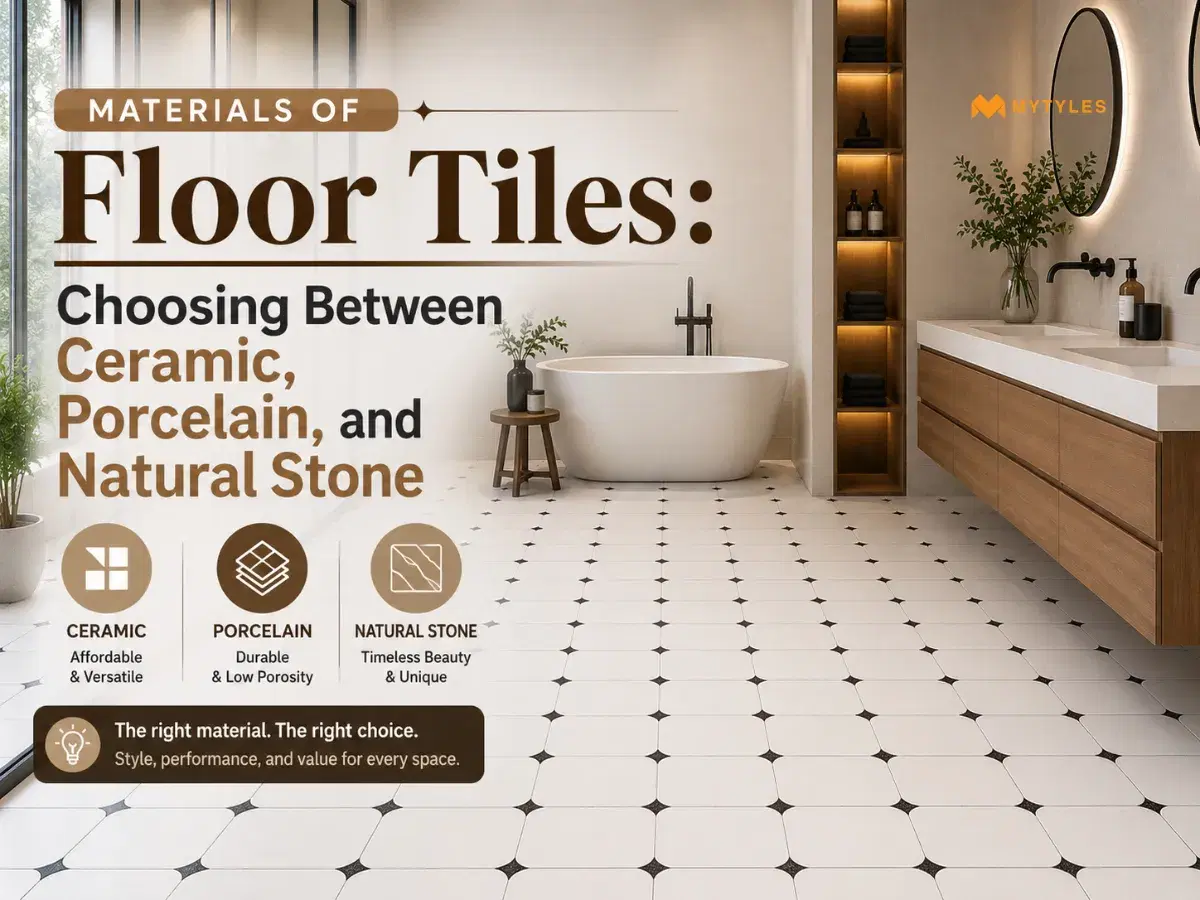
Selecting the right flooring material can transform your space and impact your daily life for years to come. When you walk into a tile showroom, the choices can feel overwhelming. Three popular options dominate the market: ceramic, porcelain, and natural stone. Each brings unique benefits and challenges that deserve careful consideration before you commit to a purchase. Understanding these materials helps you make an informed decision that matches your lifestyle, budget, and design vision. This guide breaks down everything you need to know about these three flooring types.
Ceramic vs Porcelain vs Natural Stone: Quick Differentiation
Before we explore each material in detail, here’s a quick comparison to give you a clear picture. This table outlines the key differences between flooring options and where each one truly shines.
Feature | Ceramic | Porcelain | Natural Stone |
Durability | Moderate, suitable for light to medium traffic | Excellent, handles heavy traffic and impact | Very high, lasts generations with proper care |
Water Resistance | Low to moderate, higher absorption rate | Excellent, nearly waterproof | Varies by type, needs regular sealing |
Cost | Budget-friendly, most affordable option | Mid-range to premium pricing | Premium to luxury investment |
Maintenance | Easy cleaning, glaze can chip over time | Low maintenance, highly stain-resistant | Requires regular sealing and special cleaners |
Indoor/Outdoor Use | Indoor only, not frost-resistant | Both indoor and outdoor applications | Both, but requires proper sealing outdoors |
Installation Difficulty | Easy, DIY-friendly for beginners | Moderate, requires specialized cutting tools | Difficult, professional installation recommended |
Design Variety | Wide range of colors and patterns | Extensive, mimics other materials perfectly | Unique, no two pieces identical |
Lifespan | 10-20 years in high-traffic areas | 50+ years with minimal wear | 100+ years, improves with age |
Best For | Bathrooms, kitchens, low-traffic areas | Commercial spaces, outdoor patios, wet areas | Luxury homes, entryways, statement spaces |
Understanding Ceramic Tiles
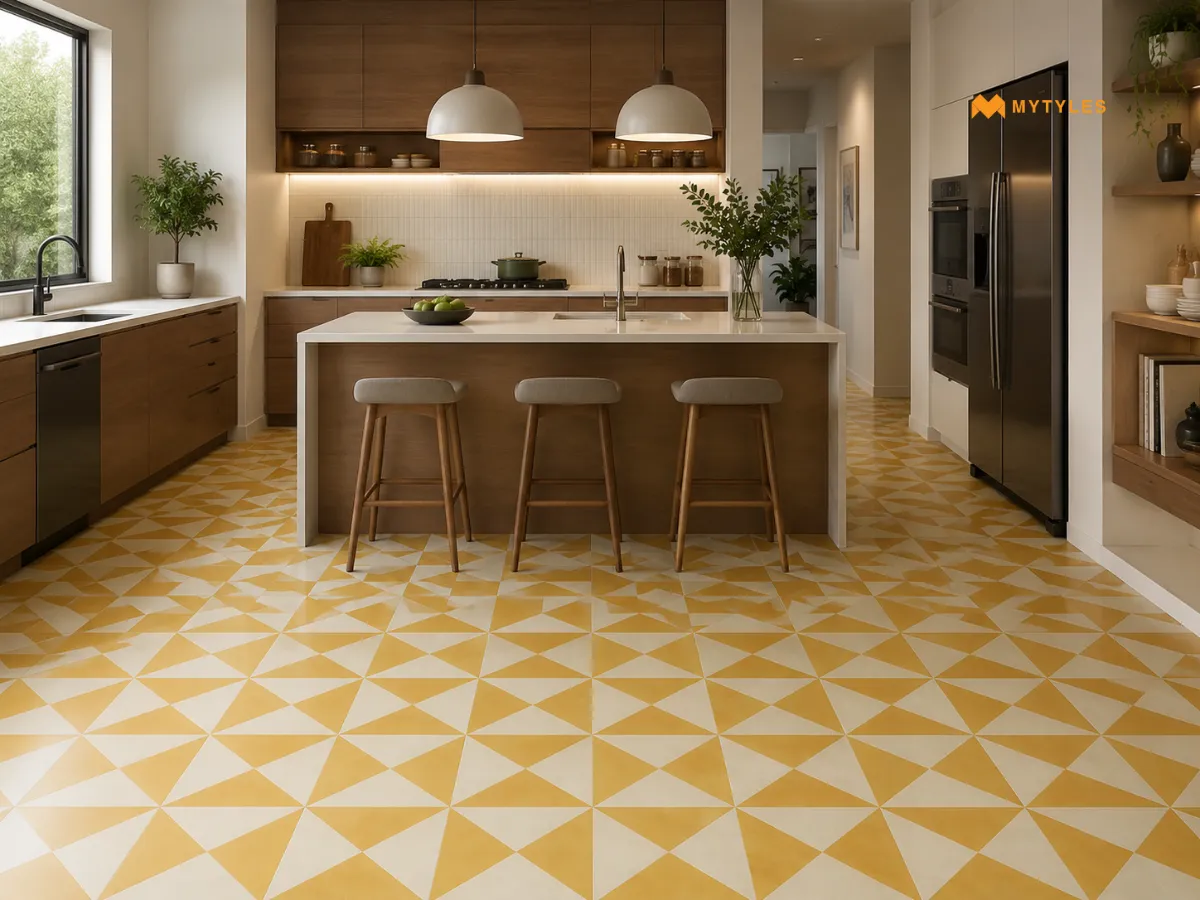
Ceramic tiles have been a go-to choice for homeowners for decades. Made by baking clay at high temperatures, these tiles offer an affordable entry point into quality flooring. The manufacturing process creates a durable surface that works well in most indoor spaces.
These tiles come in glazed and unglazed varieties. Glazed versions feature a protective coating that adds color and shine while making cleaning easier. Unglazed tiles show the natural clay color and have a more rustic appearance.
However, ceramic has limitations. The material is more porous than porcelain, making it less suitable for areas with heavy moisture exposure. Outdoor applications are generally not recommended because ceramic can crack in freezing temperatures. The glaze can chip if you drop heavy objects, revealing the clay underneath.
Ceramic works beautifully in:
- Kitchen backsplashes
- Bathroom walls
- Low to moderate traffic areas
- Indoor spaces with controlled temperatures
Exploring Porcelain Tiles
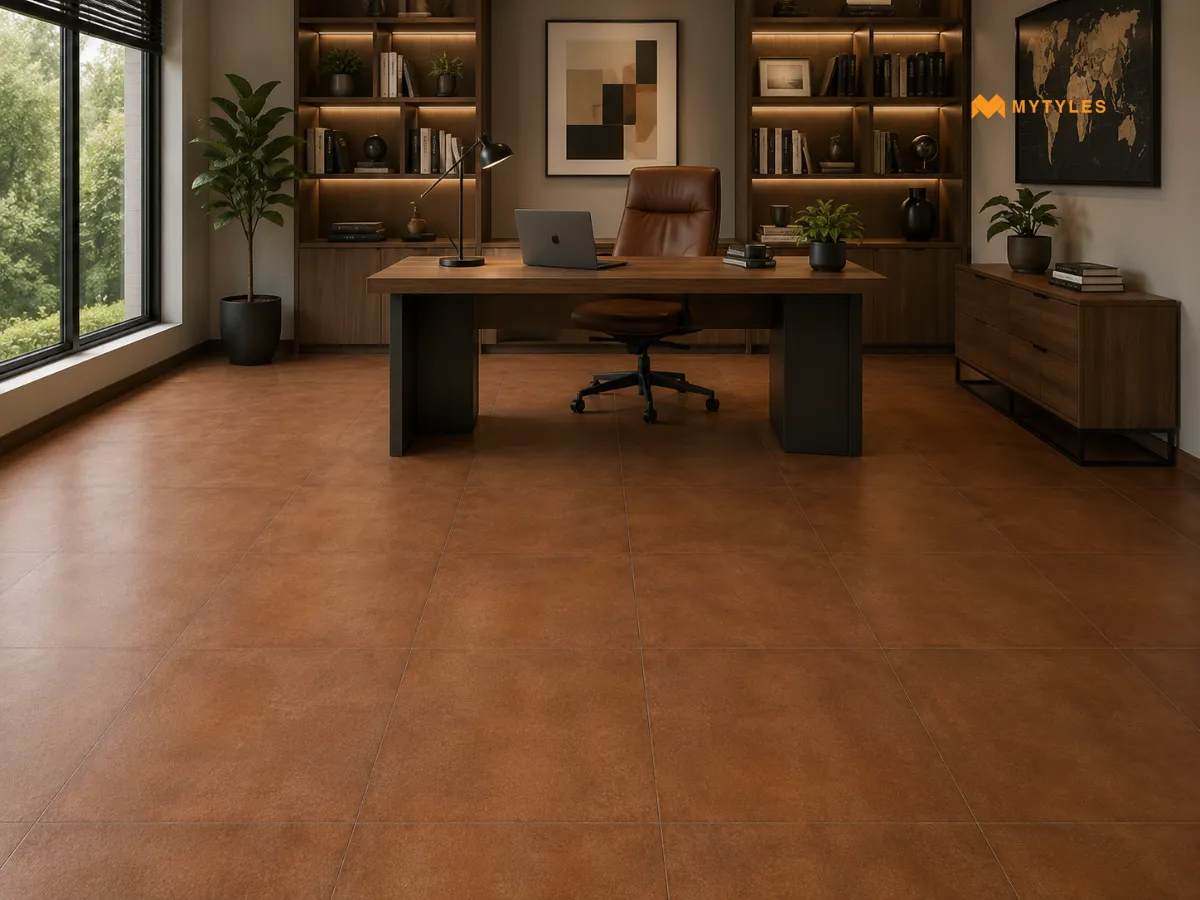
Porcelain takes everything good about ceramic and pushes it further. This material uses finer clay and higher firing temperatures, creating a denser, more durable product. The result is a tile that can handle almost anything you throw at it.
The density of porcelain makes it nearly waterproof. Water absorption rates stay below 0.5%, compared to ceramic's 3% or higher. This quality makes porcelain ideal for bathrooms, laundry rooms, and even outdoor patios.
Modern manufacturing techniques allow porcelain to mimic other materials convincingly. You can find options that look like hardwood, marble, concrete, or even fabric. The printed designs go through the entire tile thickness, so chips are less noticeable than with ceramic.
Durability is where porcelain truly shines. These tiles resist scratches, stains, and wear far better than ceramic. They handle heavy foot traffic without showing signs of aging. Frost resistance makes them perfect for outdoor spaces in cold climates.
Porcelain excels in:
- High-traffic commercial spaces
- Outdoor patios and walkways
- Bathrooms and wet areas
- Homes with pets or children
Natural Stone Options
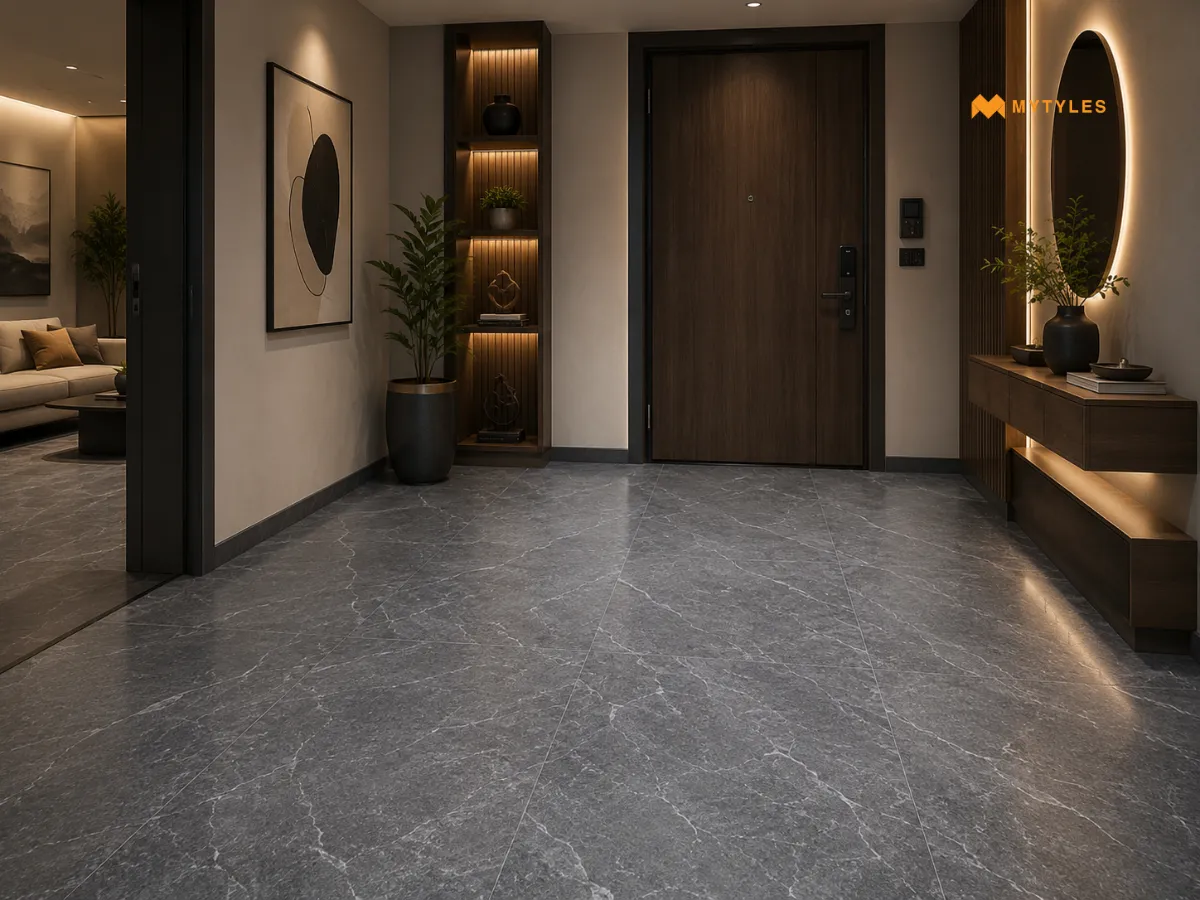
Natural stone brings authentic beauty that manufactured tiles can't replicate. Each piece is unique, with variations in color, veining, and texture. Popular choices include marble, granite, slate, travertine, and limestone.
Marble delivers timeless elegance with its distinctive veining and luminous surface. Granite offers incredible durability and resistance to scratches. Slate provides a rustic, textured appearance perfect for casual spaces. Travertine creates a warm, earthy aesthetic with its natural pitting.
The appeal of natural stone goes beyond looks. These materials last for generations when properly maintained. They add significant value to your property and never go out of style. The thermal mass of stone helps regulate indoor temperatures naturally.
Maintenance requirements vary by stone type. Marble and limestone are softer and need regular sealing to prevent staining. Granite and slate are more forgiving but still benefit periodic sealing. All natural stone requires pH-neutral cleaners to avoid etching the surface.
Natural stone is perfect for:
- Luxury bathrooms and spa-like spaces
- Grand entryways and foyers
- Outdoor landscaping features
- Homes where authenticity matters
How to Know Which Tile You Need?
Choosing the right tile goes beyond looks, it’s about lifestyle, durability, and practicality. Each material brings its own strengths, maintenance needs, and aesthetic appeal. Here’s how to decide which one truly fits your home, your budget, and the way you live every day.
Start with Your Budget
Ceramic tiles are the most budget-friendly option, ideal for cost-conscious homeowners. Porcelain costs a bit more but offers lasting value, while natural stone is a premium choice for those seeking timeless luxury.
Think About Foot Traffic
For high-traffic zones like hallways or kitchens, porcelain stands out for its toughness. Ceramic works well in moderate-use areas, while stone suits grand, less-trodden spaces.
Consider Moisture Levels
Bathrooms, patios, or pool decks need water-resistant options. Porcelain and sealed natural stone handle humidity better than ceramic.
Evaluate Maintenance Commitment
If you prefer low effort, go for porcelain, it’s easy to clean and stain-resistant. Natural stone, though stunning, needs regular sealing and care.
Match It to Your Style
Porcelain can mimic marble, wood, or concrete flawlessly. Ceramic offers vibrant colors and patterns, while natural stone gives an authentic, organic feel no factory can replicate.
Account for Climate
Porcelain resists extreme temperatures and is ideal for outdoor or cold regions. Natural stone performs beautifully in warm climates.
Factor in Longevity and Resale Value
Porcelain and natural stone add long-term value to your property. While ceramic may need replacement sooner, it’s still a practical choice for temporary or budget projects.
Make Your Flooring Dreams a Reality
Choosing the right tile material sets the foundation for spaces you'll love living in. Each option: ceramic, porcelain, and natural stone, brings distinct advantages that suit different needs and preferences. Ready to explore your perfect flooring match? MyTyles offers an extensive collection of ceramic, porcelain, and natural stone tiles to bring your vision to life. Our expert team helps you navigate choices and find materials that fit your lifestyle and budget. Visit MyTyles today to see our complete range, get personalised advice, and start your flooring transformation. Your dream floors are waiting, let's make them happen together!

What Is the Main Difference Between Ceramic, Porcelain, and Stone Tiles?

Ceramic and porcelain are manufactured tiles made from clay, while natural stone is quarried and cut from materials such as marble, granite, limestone, or slate. Porcelain is generally denser and less porous than standard ceramic. Natural stone offers unique variation but may need sealing. Each material differs in durability, water absorption, maintenance, weight, appearance, and installation requirements.
When Is Ceramic Flooring a Practical Choice?
Ceramic floor tiles can be a practical, budget-friendly option for bedrooms, living spaces, and moderate-traffic areas when they carry the correct floor rating. They offer many colors and designs and are usually easy to clean. However, standard ceramic may absorb more water and chip more readily than porcelain, so product specifications and room conditions should guide selection.
Why Is Porcelain Popular for High-Use and Wet Areas?
Porcelain tiles are dense, durable, and generally low in water absorption, making them suitable for kitchens, bathrooms, hallways, balconies, and other demanding spaces when correctly rated. They can reproduce wood, marble, concrete, or stone appearances with consistent performance. Porcelain may be harder to cut and install, so skilled labour and appropriate tools are important onsite.
What Are the Benefits and Limitations of Natural Stone?
Natural stone provides distinctive veining, texture, depth, and color variation that manufactured tiles cannot duplicate exactly. With proper care, suitable stones can perform well and develop lasting character. However, porosity, hardness, stain sensitivity, and maintenance vary significantly by stone type. Many options require sealing, specialized cleaners, stronger substrates, careful installation, and periodic professional attention over time.
Which Material Is Best for Bathrooms and Outdoor Floors?
Porcelain is often the most straightforward choice for wet and outdoor areas because low water absorption and suitable slip-resistant finishes are widely available. Some ceramic and natural stone tiles can also work if specifically approved for those conditions. Check slip ratings, weather resistance, sealing needs, drainage, and manufacturer guidance instead of choosing any material category automatically.
How Do Maintenance Needs Differ Between These Materials?
Glazed ceramic and porcelain tiles usually need regular sweeping, mild cleaning, and grout care, with porcelain generally offering stronger stain and moisture resistance. Natural stone may require sealing and pH-neutral cleaners to avoid etching or discoloration. Regardless of material, wipe spills promptly, avoid unsuitable chemicals, repair damaged joints, and follow the specific manufacturer or supplier instructions.
How Should Homeowners Compare Cost and Long-Term Value?
Compare more than the tile price per square foot. Include substrate preparation, adhesive, grout, cutting, wastage, labour, sealing, cleaning products, repairs, and future maintenance. Ceramic may offer a lower initial cost, porcelain can provide strong overall performance, and natural stone may command a premium. The best value depends on location, lifestyle, upkeep, and expected service life.

ABOUT THE AUTHOR
Biren Agrawalla
Biren Agrawalla is the Founder of MyTyles, driven by a passion for making tile buying simpler, smarter, and more customer-friendly. With a background in technology and a strong interest in how homes are designed, he built MyTyles to bridge the gap between traditional tile retail and modern customer needs. Biren focuses on understanding what people truly look for when creating their spaces, from practical choices to design inspiration. His work is centred on building thoughtful online solutions that help homeowners discover the right tiles with more confidence, convenience, and clarity.
Latest Blogs By MyTyles