Inspiration Gallery
Blog
Tile Calculator
08065423741



.svg)


Why Are Moroccan Tiles Used In Homes
ByKanchan Agarwal

Sun , Jul 05 , 2026

Read Time: 5 Min


 Copied!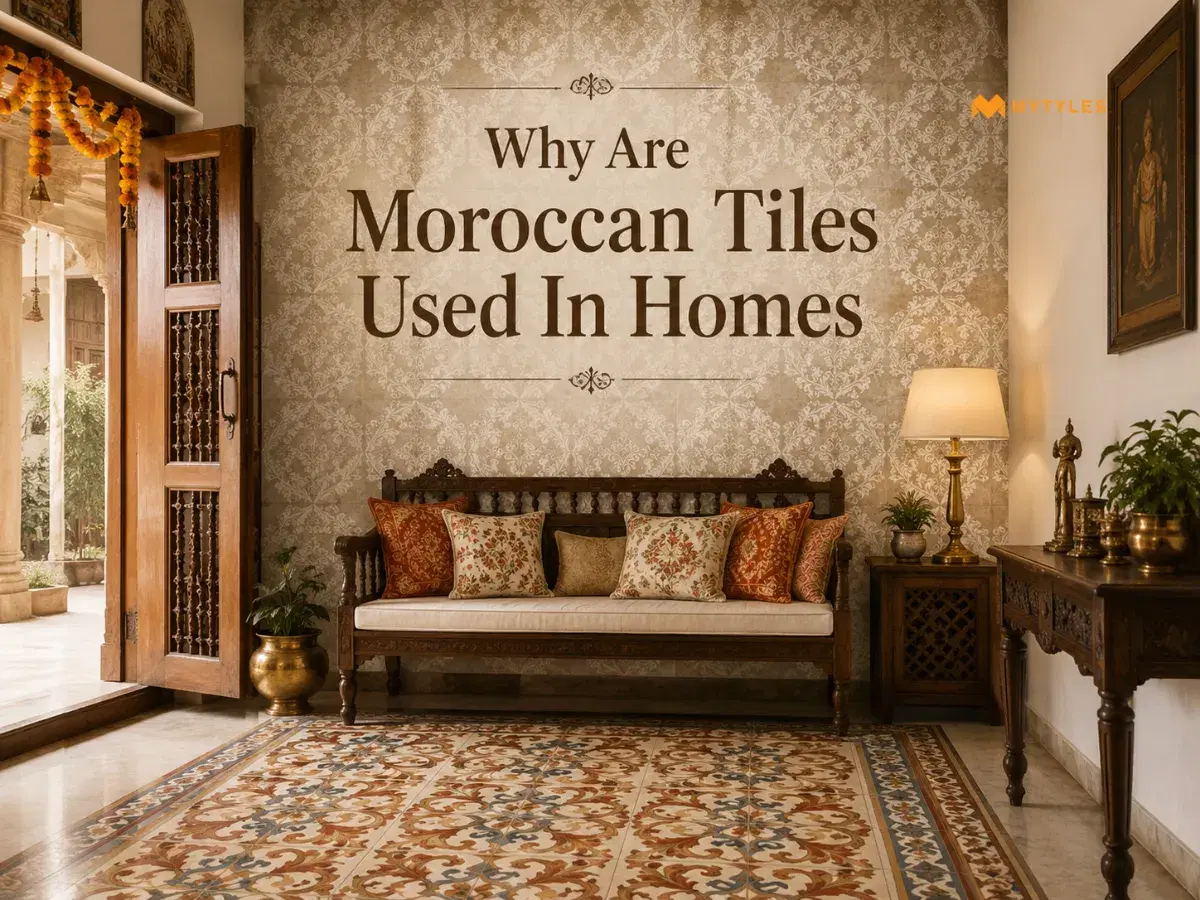
Moroccan tiles are more than just a design choice, they are a timeless expression of art, heritage, and craftsmanship. Found in traditional riads of Marrakech and modern apartments in Mumbai alike, these tiles effortlessly bridge the old and the new. But what exactly makes Moroccan tiles so special that they continue to be a favorite for homeowners and designers around the world?
Let’s take a deep dive into why Moroccan tiles are used in homes, exploring their origin, craftsmanship, design flexibility, and how they elevate both functionality and aesthetics.
A Legacy Rooted in Centuries of Craftsmanship
Moroccan tiles have a history that stretches back more than a thousand years. Originating in the Maghreb region of North Africa, particularly Morocco, these tiles were introduced during the Islamic Golden Age. Over the centuries, Moroccan artisans mastered the art of Zellige, a form of mosaic tilework created using hand-cut geometric pieces made of glazed terracotta.
Each tile reflects precision, patience, and passion, passed down through generations of artisans. The patterns often carry cultural and spiritual symbolism, with motifs representing unity, balance, and infinity. This historical depth and cultural richness make Moroccan tiles not just decorative but deeply meaningful.
Aesthetic Appeal
Moroccan tiles are not just tiles, they are art pieces. Each tile reflects handcrafted beauty inspired by centuries-old traditions. The repeating geometric patterns, floral detailing, and symmetrical lines create a balanced yet vibrant look that stands out from ordinary designs.
The patterns often feature contrasting colors such as deep blues, emerald greens, burnt oranges, and soft neutrals. This creates a perfect mix of warmth and sophistication, allowing you to style your home with a distinct, one-of-a-kind identity.
If you’re aiming for a statement wall or a stunning kitchen backsplash, Moroccan tiles add texture and drama without overwhelming the space. Their ability to combine color harmony and geometry makes them ideal for both bold and subtle interior styles.
Versatility in Applications
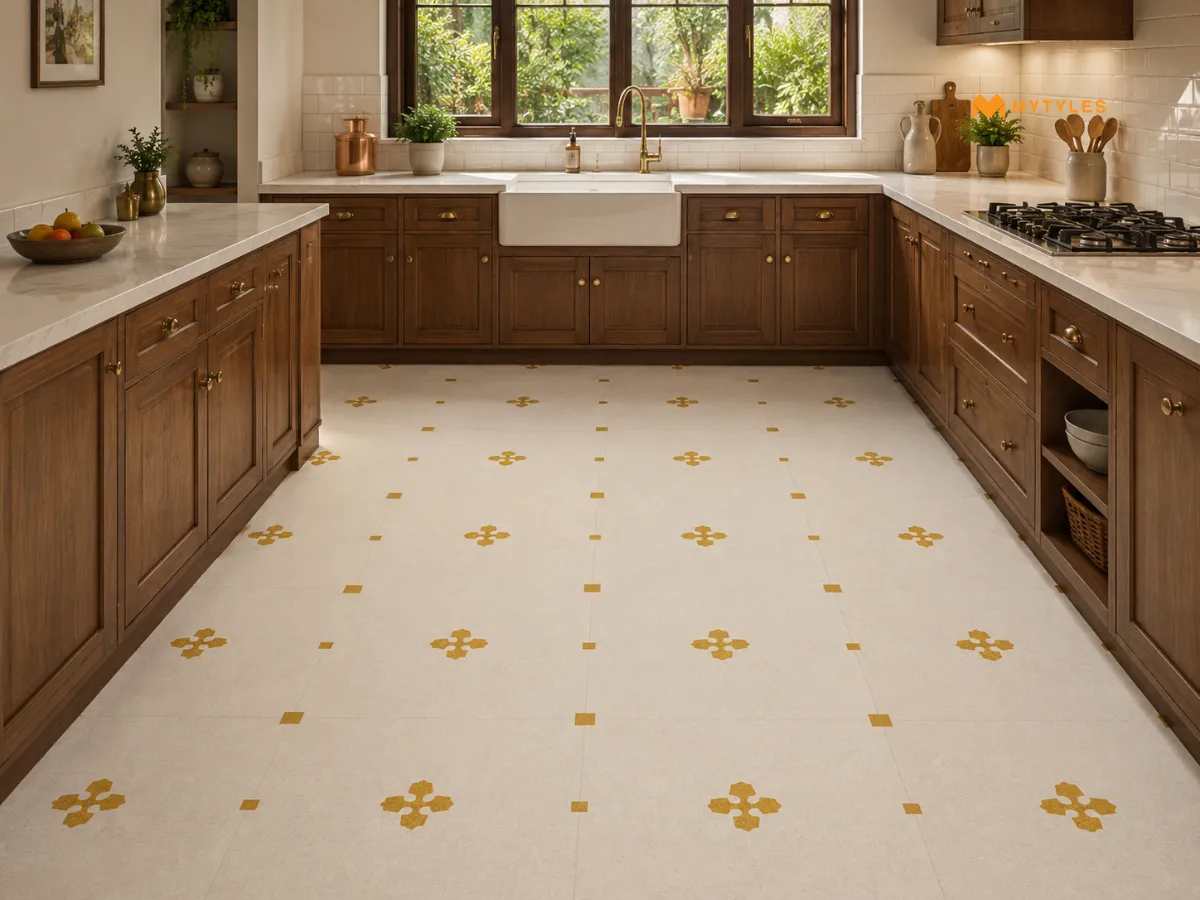
One of the major reasons Moroccan tiles are widely used in homes is their adaptability. They’re not limited to floors or walls; they can be used across multiple spaces creatively. Popular applications include:
- Living Rooms: For a feature wall or fireplace surround that becomes the focal point.
- Kitchens: As backsplash tiles that add vibrancy to neutral countertops.
- Bathrooms: Perfect for shower walls or vanity backsplashes with a luxurious touch.
- Entryways: Ideal for creating an inviting first impression.
- Balconies & Courtyards: Add rustic charm and outdoor durability.
- Stair Risers: A growing trend that adds personality to often-overlooked areas.
Their waterproof and easy-to-clean surface makes them suitable for both wet and dry areas, enhancing visual consistency across the home.
Easy Maintenance and Cleaning
Despite their artistic look, Moroccan tiles are surprisingly low-maintenance. Their smooth surface resists dirt and grime buildup, allowing easy cleaning using mild soap and water. For cement-based Moroccan tiles, sealing once in a while can help preserve their original charm and prevent staining.
Unlike natural stones, they don’t require heavy upkeep or expensive cleaning solutions, making them a practical yet stylish choice for busy households. With proper care, Moroccan tiles retain their color vibrancy for years, ensuring your interiors look as elegant as the day they were installed.
Eco-Friendly and Sustainable Choice
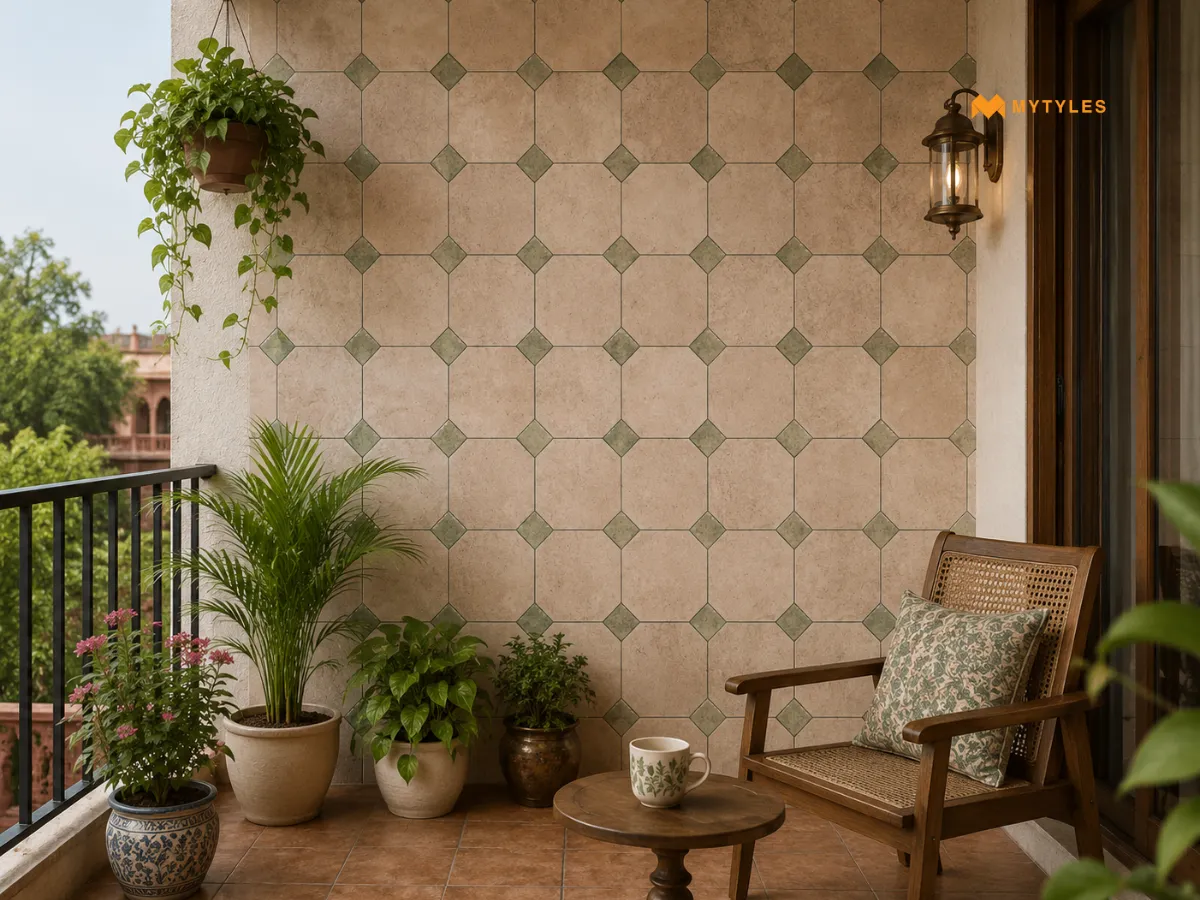
Many homeowners today value sustainability, and Moroccan tiles fit perfectly into eco-conscious lifestyles. These tiles are often produced using natural materials such as clay and mineral-based pigments, minimizing environmental impact. Moreover, the longevity of Moroccan tiles reduces replacement frequency, contributing to long-term sustainability.
Some manufacturers even use recycled materials or energy-efficient firing processes, aligning beauty with environmental responsibility. Choosing Moroccan tiles means you’re investing in both style and sustainability, making your home design timeless and environmentally friendly.
Elevating Home Value and Design Appeal
Interior design trends come and go, but Moroccan tiles remain timeless. Their intricate patterns and high aesthetic value can significantly enhance the resale appeal of your home. Buyers are often drawn to homes that feature unique, designer finishes, and Moroccan tiles serve as that perfect touch of luxury.
Whether in the kitchen backsplash or entryway flooring, they immediately communicate attention to detail and refined taste. Their ability to blend with multiple design styles, modern, rustic, vintage, or Mediterranean, ensures that your home looks fresh and sophisticated even years later.
Perfect for Creative Design Experiments
For homeowners who love experimenting with design, Moroccan tiles open endless possibilities. You can mix and match patterns for a mosaic effect, use them as border accents, or highlight architectural features like niches and archways. Some designers also combine Moroccan tiles with neutral flooring to balance vibrancy with minimalism. Their versatility allows creative freedom, so your design always feels custom, not copied. If you’re styling a cosy apartment or a luxury villa, Moroccan tiles can adapt to your vision effortlessly.
Affordable Luxury for Every Home
While Moroccan tiles look high-end, they’re available across a range of price points. You don’t need a huge budget to enjoy their charm. From handmade artisan options to affordable printed versions, there’s a Moroccan tile for every taste and budget.
Homeowners can use them in smaller sections, like backsplashes or accent walls, to create luxury appeal without overspending. Their balance of affordability, elegance, and durability makes Moroccan tiles an excellent long-term design investment for modern homes.
Endless Design Possibilities
Another reason Moroccan tiles have found their way into modern homes is their endless design potential. They can be mixed and matched, used to create mosaics, or combined with minimalist decor for contrast. Popular design ideas include:
- Monochrome Moroccan patterns for a modern Mediterranean look.
- Patchwork layouts blending various patterns for a bohemian feel.
- Blue-and-white themes inspired by coastal aesthetics.
- Bold patterned floors paired with neutral walls to balance energy.
If you prefer subtlety or drama, Moroccan tiles offer the flexibility to design your home your way.
How to Style Moroccan Tiles in Modern Homes?
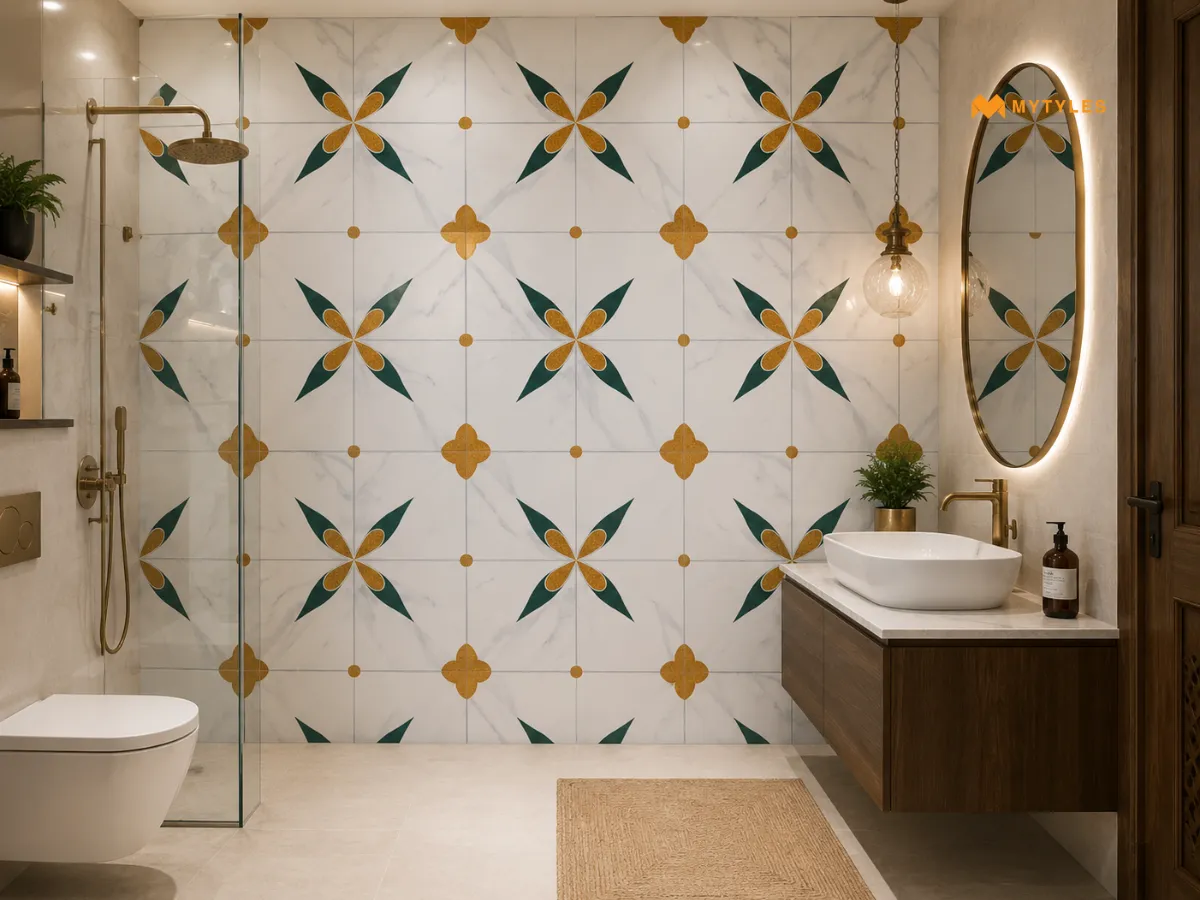
Here are a few easy ways to style Moroccan tiles creatively:
- Use as a Statement Wall: Highlight one wall with bold Moroccan tiles to draw attention.
- Backsplash Brilliance: Create an elegant kitchen or bathroom backsplash with patterned designs.
- Accent Flooring: Use tiles in select floor sections like the foyer or dining area.
- Furniture Touches: Add tiles on tabletops, fireplace surrounds, or planter bases.
- Mix with Neutrals: Pair vibrant tiles with beige, white, or wooden textures to maintain balance.
Remember, Moroccan tiles are works of art, they shine brightest when not overused.
Bring Home the Timeless Artistry of Moroccan Tiles
What truly sets Moroccan tiles apart is their rare combination of function and flair. They not only look beautiful but also perform exceptionally well in practical applications. Unlike plain ceramic tiles, Moroccan tiles bring emotional warmth and depth to your interiors. They create visual balance, stimulate creativity, and give each space a distinct identity. Explore MyTyles’ exclusive collection of Moroccan tiles today and discover designs that blend global elegance with local craftsmanship. With a wide range of patterns, finishes, and sizes to choose from, you’ll find the perfect tiles to match every mood, room, and imagination.

Why Are Moroccan Tiles Popular In Home Interiors?

Moroccan tiles are popular in home interiors because they bring color, pattern, and artistic character into any space. Their geometric shapes, floral motifs, and vintage-inspired designs can make plain walls or floors look instantly attractive. They suit both modern and traditional homes, adding a handcrafted charm that feels warm, stylish, and full of personality.
Where Can Moroccan Tiles Be Used At Home?
Moroccan tiles can be used in kitchens, bathrooms, balconies, entryways, stair risers, patios, and feature walls. They work beautifully as backsplashes, floor highlights, or decorative borders. Since these tiles are visually rich, they are often used in selected areas rather than everywhere, helping create a strong focal point without overwhelming the entire room.
Do Moroccan Tiles Make A Home Look More Stylish?
Yes, Moroccan tiles can make a home look more stylish by adding bold patterns, unique colors, and a designer-inspired finish. They create visual interest without needing too much extra décor. Whether used in a kitchen backsplash, bathroom wall, or balcony corner, Moroccan tiles can give the space a vibrant, elegant, and memorable appearance.
Are Moroccan Tiles Suitable For Modern Homes?
Moroccan tiles are suitable for modern homes when used in a balanced way. Soft grey, white, beige, blue, or muted patterned tiles can blend beautifully with sleek cabinets, minimal furniture, and neutral walls. Using them as an accent surface keeps the look contemporary while still adding warmth, culture, and decorative depth to the space.
Why Do Homeowners Choose Moroccan Tiles For Kitchens?
Homeowners choose Moroccan tiles for kitchens because they add pattern, color, and charm to backsplash areas. They can make the cooking zone look lively and attractive while protecting the wall from stains and splashes. When paired with simple countertops and cabinets, Moroccan tiles create a beautiful focal point without making the kitchen feel too busy.
Are Moroccan Tiles Easy To Maintain In Homes?
Moroccan tiles are easy to maintain when cleaned regularly and installed with proper grout. Smooth ceramic or porcelain Moroccan-style tiles can be wiped with mild cleaner to remove dust, oil, or water marks. Patterned surfaces also help hide minor stains. However, grout lines should be cleaned occasionally to keep the overall design fresh and neat.
How Do Moroccan Tiles Improve The Overall Home Look?
Moroccan tiles improve the overall home look by adding texture, rhythm, color, and personality to simple spaces. They can turn ordinary walls, floors, and corners into eye-catching design features. Their decorative appeal works well across different rooms, making the home feel more expressive, welcoming, and thoughtfully designed without needing major renovation work.

ABOUT THE AUTHOR
Kanchan Agarwal
Kanchan Agarwal is the Director at MyTyles, where she brings together her love for design, colours, and beautiful homes. Having helped build MyTyles from the ground up, she has developed a deep understanding of what homeowners look for when creating spaces that feel personal, practical, and inspiring. With an engineering background and a natural interest in interiors, Kanchan enjoys turning simple ideas into thoughtful tile choices that suit real homes and real lifestyles. Her approach is warm, creative, and people-focused, helping customers feel more confident while choosing designs that reflect their taste and make their spaces truly their own.
Latest Blogs By MyTyles