Inspiration Gallery
Blog
Tile Calculator
08065423741



.svg)


What Are Vitrified Tiles? Types & Everything You Need to Know
ByBiren Agrawalla

Tue , Aug 18 , 2026

Read Time: 5 Min


 Copied!
Ever wondered what is a ‘vitrified tile' while browsing durable tile options? Vitrified tiles are on the verge of becoming the most popular flooring choice for modern Indian homes and commercial spaces. When selecting flooring or wall tiles, durability, aesthetics, and ease of maintenance are key factors to consider; vitrified tiles excel in all these aspects.
This guide covers everything you need to know about vitrified tiles, including their types, finishes, advantages, sizes, design recommendations, and more. We’ll also compare vitrified tiles with ceramic, porcelain, and natural stone to help you make an informed decision. Whether you're a homeowner, interior designer, or architect, this guide will equip you with the insights needed to select the perfect vitrified tiles for your project. Let’s get started!
What Are Vitrified Tiles?
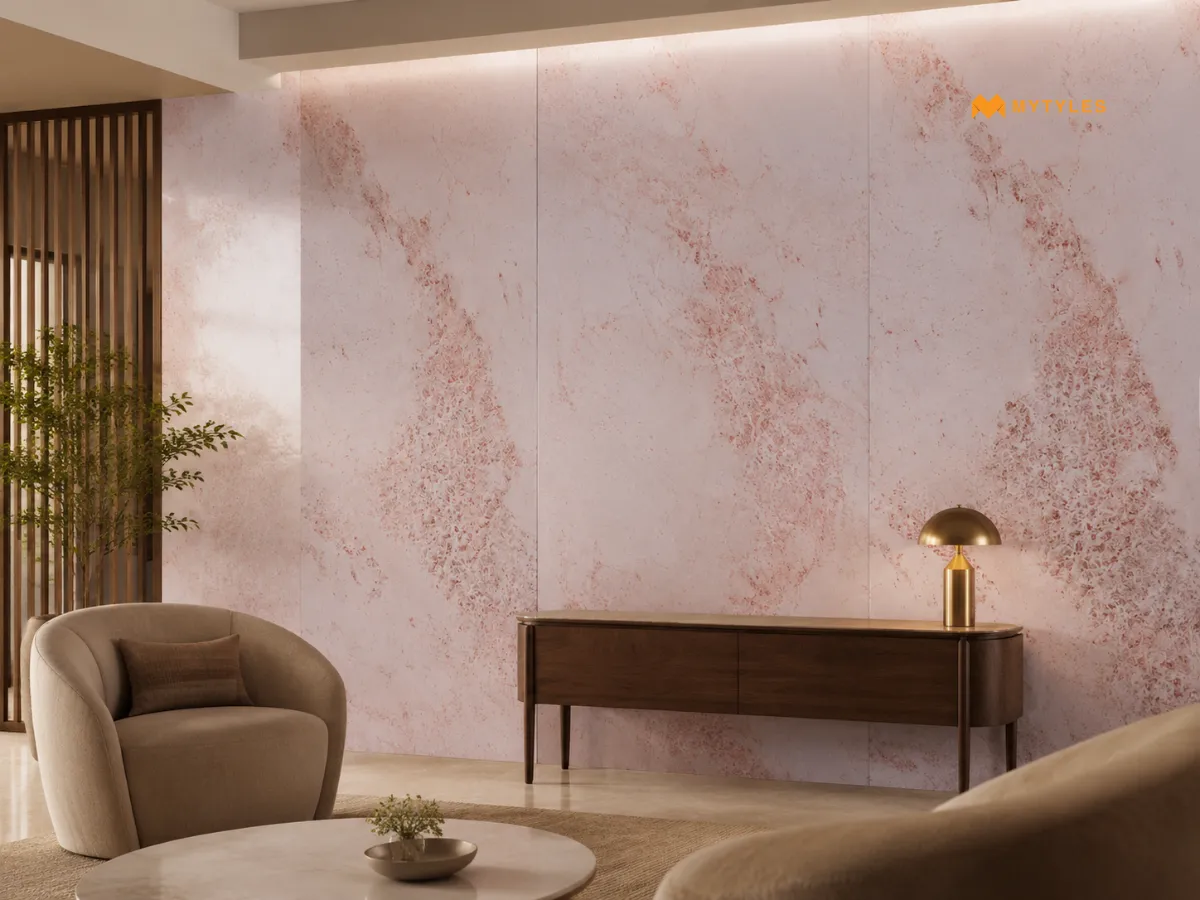
Vitrified tiles are made from a refined mix of clay, silica, quartz, and feldspar. They go through a special process called vitrification to form a glass-like, non-porous surface. As a result, vitrified tiles have higher strength and absorb very little water (less than 0.5%), making them highly resistant to stains and moisture. These tiles are available in various designs, finishes, and sizes, mimicking the look of natural stone, wood, or concrete. While many vitrified tiles might all look similar at first glance, there's a lot of variety beneath the surface. Each variant is crafted with unique properties that cater to different functional and aesthetic needs, offering a perfect blend of style and practicality for every space.
Breaking Down Types of Vitrified Tiles
Vitrified tiles come in different types, each with distinct features that enhance durability, aesthetics, and functionality. Whether you’re designing homes, outdoor areas, or commercial spaces, selecting the right vitrified tile ensures optimal performance and long-term value. Here’s a closer look at the types of vitrified tiles available.
- Double Charged Vitrified Tiles: These tiles are manufactured through a dual-layer technology, which provides them with exceptional durability. They are often used in spaces that experience heavy foot traffic, such as commercial buildings or lobbies.
- Full Body Vitrified Tiles: As the name suggests, the entire thickness of these tiles is of a uniform composition. They have the same visual detail and color from top to bottom. These tiles are ideal for outdoor applications because of their robust nature.
- Glazed Vitrified Tiles (GVT): These tiles undergo a process that leaves them with an impressive gloss finish. Available in various designs and patterns, they are a perfect choice for those who want to add an aesthetic touch to their spaces.
- Soluble Salt Vitrified Tiles: Soluble-salt vitrified tiles have a glass-like texture and shine due to the soluble salts used in their production process. They are cost-effective but tend to be less durable compared to other types.
- Polished Glazed Vitrified Tiles: Polished Glazed Vitrified Tiles (PGVT) are a high-gloss version of Glazed Vitrified Tiles (GVT), offering an ultra-smooth, reflective finish. These tiles are created by applying a glaze layer over the tile surface and then polishing it to achieve a mirror-like shine.
- Third Fire Vitrified Tiles: Third Fire Vitrified Tiles undergo an additional firing process after the initial vitrification, allowing for intricate surface decorations, patterns, and metallic or textured finishes. This technique enhances the visual appeal of the tiles, making them perfect for feature walls, decorative accents, and luxury interiors.
- Nano Vitrified Tiles: Nano Vitrified Tiles are a refined version of vitrified tiles that undergo a nano-coating process. During manufacturing, a liquid silica-based nano solution is applied, filling micro-pores on the tile surface, making it extra smooth, glossy, and highly stain-resistant. These tiles are known for their self-cleaning properties, as the nano-coating repels dust and dirt.
Stunning Vitrified Tile Designs
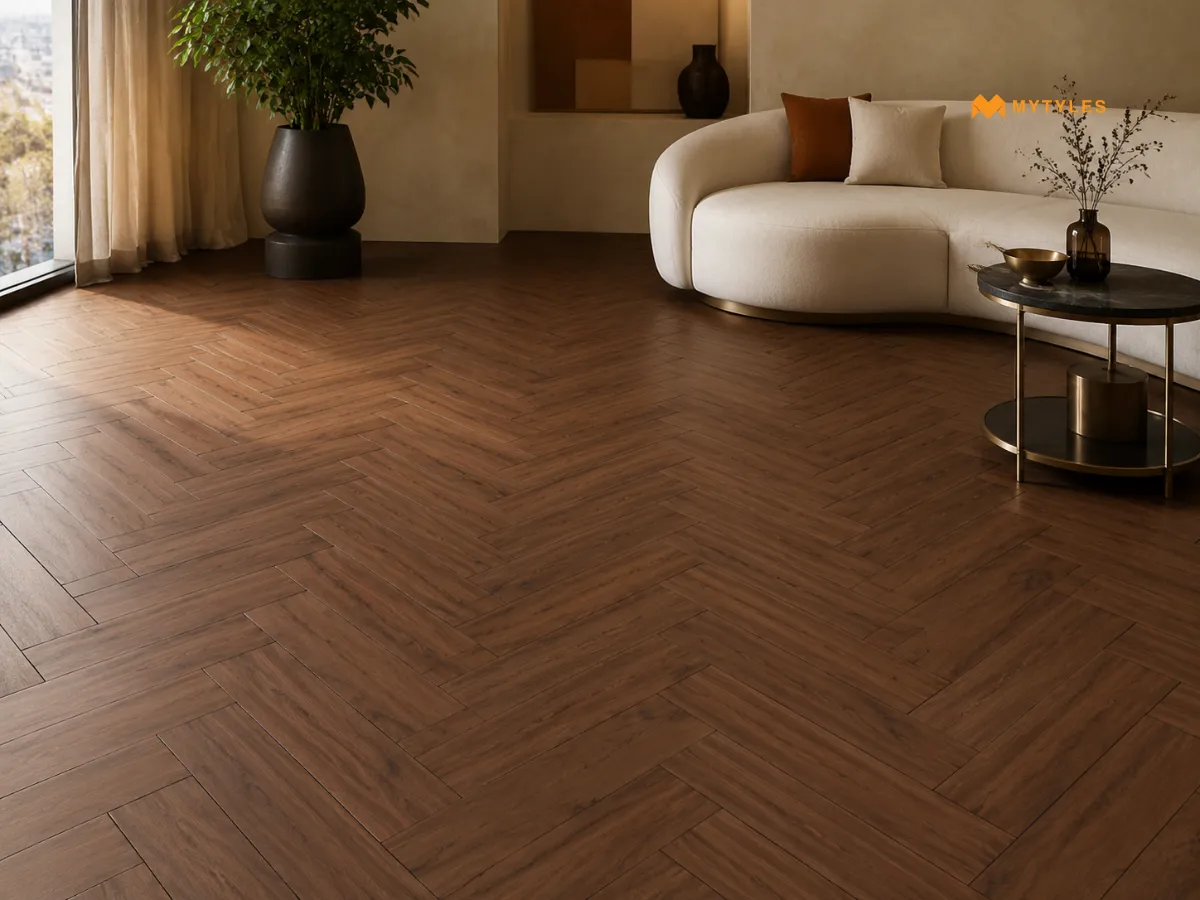
Choosing the right vitrified tile design can dramatically transform any space, adding character, depth, and elegance. From luxurious marble-like finishes to vibrant Moroccan patterns, vitrified tiles offer endless possibilities for your home designs. Here are some of the top trending designs:
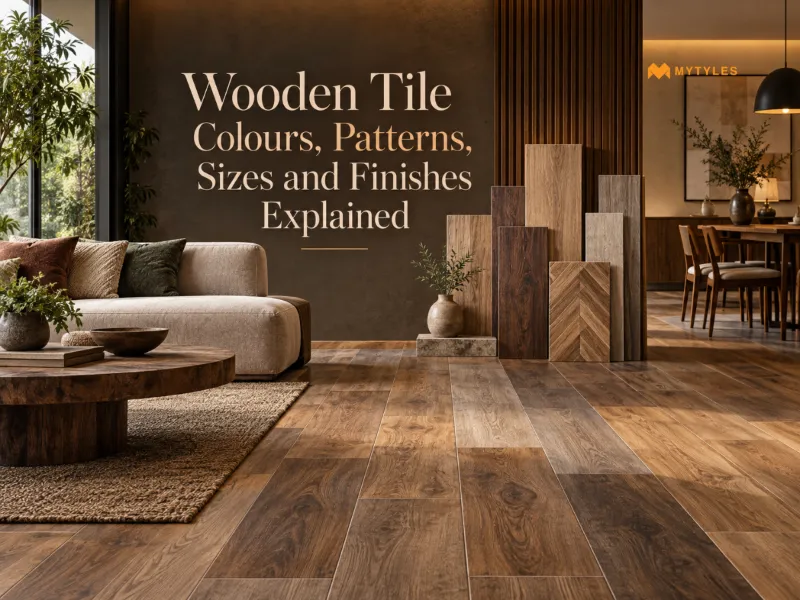
- Wooden Tiles: Wooden vitrified tiles recreate the warmth of natural wood with far better durability and minimal upkeep. Available in oak, walnut, teak, and pine shades, they suit rustic, modern, and Scandinavian interiors, making living rooms, bedrooms, and bathrooms feel cosy and welcoming.
- Marble Tiles: Marble-look tiles offer the elegance of natural marble without the maintenance hassle. From Carrara and Statuario whites to rich beige and grey tones, these tiles bring a polished, luxurious appeal to living spaces, hallways, and upscale bedrooms.
- Moroccan Tiles: Moroccan vitrified tiles feature intricate geometric and floral motifs perfect for adding character and color. Ideal for kitchen backsplashes, bathrooms, and accent walls, they bring a handcrafted, artistic vibe to any corner of your home.
- Onyx Tiles: Onyx tiles stand out with their glossy, translucent look that adds instant grandeur. Available in gold, white, green, and grey tones, they are perfect for statement floors or dramatic wall cladding, especially when paired with soft, strategic lighting.
- 3D Tiles: 3D vitrified tiles add depth and dimension through raised textures and geometric surfaces. They are popular for accent walls in bathrooms, lounges, and modern living rooms, creating bold visual interest that elevates contemporary interiors.
- Metallic Tiles: Metallic tiles offer a sleek, industrial finish in shades like gold, copper, silver, and steel. Their reflective surface adds drama and luxury, making them ideal for feature walls, modern kitchens, or sophisticated commercial spaces.
- Textured Tiles: Textured vitrified tiles mimic materials like stone, wood, or concrete while providing excellent grip. Their tactile surface enhances safety, making them ideal for outdoor areas, bathrooms, and high-traffic zones where slip resistance matters.
Understanding Vitrified Tile Finishes
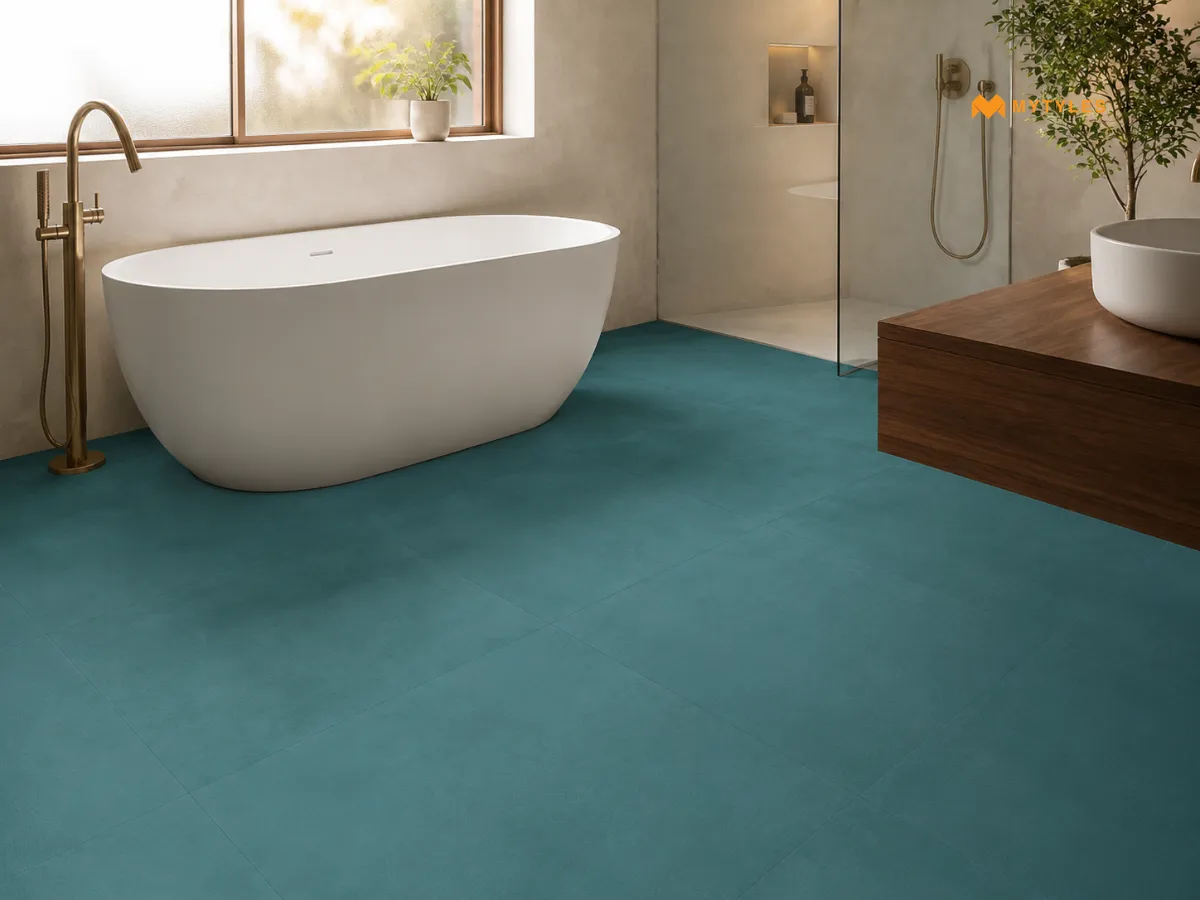
The finish of a vitrified tile influences its look, safety, and maintenance needs. Choosing the right finish helps enhance both aesthetics and functionality. Below are some popular vitrified tile finishes and where they perform best.
- Glossy Tiles: Glossy tiles have a polished, reflective surface that brightens rooms and adds a luxurious appeal. They work best on walls or low-traffic areas but can become slippery when wet, making them unsuitable for busy floors.
- Matt Tiles: Matt tiles offer a soft, muted look ideal for minimal or cosy interiors. Their non-reflective surface provides better grip, making them a reliable choice for kitchens, bathrooms, and balconies where slip resistance is important.
- Anti-Skid Tiles: These tiles feature a textured surface that enhances grip and reduces the chance of slipping. They’re perfect for bathrooms, pool decks, terraces, and other wet or high-traffic areas where safety is crucial.
- Hi-Gloss Tiles: Hi-gloss tiles deliver a mirror-like shine for premium interiors. Their highly polished finish adds elegance and depth to spaces but requires regular cleaning to maintain its impressive sheen.
- Rustic Tiles: Rustic vitrified tiles mimic natural stone with a slightly rough, textured surface. They suit industrial, farmhouse, or vintage-style interiors and are ideal for patios, accent walls, and themed cafes looking for an earthy, organic feel.
- Rustic Cement Tiles: These tiles offer the raw, industrial look of cement with the durability of vitrified material. Their matte, textured finish improves grip, making them suitable for outdoor spaces, living rooms, and commercial settings. They deliver the concrete aesthetic without the heavy maintenance of real cement.
Advantages of Vitrified Tiles
Vitrified tiles are a preferred flooring choice because they combine durability, style, and low upkeep. Their advanced manufacturing process gives them several benefits over ceramic tiles, marble, and granite.
- Durability: Vitrification makes these tiles extremely hard, dense, and long-lasting—ideal for homes needing strong, reliable flooring.
- Low Maintenance: Their smooth, non-porous surface doesn’t trap dust or stains, making everyday cleaning quick and effortless.
- Water & Spill Resistance: Being non-porous, vitrified tiles don’t absorb water or liquids, making them perfect for kitchens, bathrooms, and spill-prone areas.
- Wide Design Variety: Available in countless colours, patterns, and finishes, vitrified tiles easily match modern, traditional, and contemporary interiors.
- Cost-Effective: Though slightly pricier upfront, their long lifespan and minimal maintenance make them a budget-friendly choice over time.
Timeless Appeal & Practical Excellence with Vitrified Tiles
Vitrified tiles have become the go-to choice for homeowners, architects, and designers looking for a durable yet stylish tiling solution. Their superior strength, moisture resistance, and stunning designs make them perfect for homes, offices, and outdoor spaces. Their stain-resistant, low-maintenance surface makes them a hassle-free alternative to traditional flooring, ensuring long-term beauty with minimal effort. At MyTyles, we bring you a curated collection of high-quality vitrified tiles, designed to suit every aesthetic and functional need. Whether you're creating a luxurious living room, a sleek office space, or a slip-resistant outdoor area, we have the perfect tiles to match your style. Visit MyTyles to explore our vitrified tile collection and upgrade your space with elegance and durability!

What Are Vitrified Tiles and How Are They Made?

Vitrified tiles are manufactured from clay, silica, feldspar, and other minerals fired at very high temperatures until the body becomes dense and glass-like. This vitrification process creates tiles with low water absorption, good strength, and strong stain resistance. They are widely used on floors and walls, although every product must be checked for its recommended application.
What Are the Different Types of Vitrified Tiles?
Common types include double-charge vitrified tiles, full-body vitrified tiles, glazed vitrified tiles, polished glazed vitrified tiles, and soluble-salt tiles. Double-charge tiles have a thicker decorative layer, while full-body tiles carry consistent color through their thickness. Glazed varieties offer broader patterns and finishes. Availability, technical performance, and suitability vary between manufacturers and individual collections for homes.
How Do GVT and PGVT Tiles Differ?
Glazed vitrified tiles, commonly called GVT, have a printed glaze that can reproduce marble, wood, stone, concrete, and decorative patterns. Polished glazed vitrified tiles, or PGVT, receive additional polishing for a glossy reflective surface. GVT finishes may include matt or textured options, while PGVT suits dry interiors where shine is preferred and slipping risks are controlled.
Where Can Vitrified Tiles Be Used at Home?
Vitrified tiles can be used in living rooms, bedrooms, kitchens, corridors, offices, and selected bathrooms or balconies. Large-format polished designs suit spacious dry interiors, while matt, textured, or anti-skid options are preferable in moisture-prone zones. For outdoor or wet-area use, confirm slip resistance, weather suitability, water absorption, and manufacturer approval before purchasing the tile for installation.
What Are the Benefits and Limitations of Vitrified Tiles?
Vitrified tiles provide durability, low water absorption, stain resistance, consistent dimensions, and relatively easy maintenance. They are available in numerous colors, sizes, and realistic surface designs. However, glossy finishes can become slippery, hard surfaces may feel cold, and damaged tiles can be difficult to match later. Installation also requires a level substrate, suitable adhesive, and skilled handling.
How Are Vitrified Tiles Different From Ceramic Tiles?
Vitrified and ceramic tiles are both clay-based, but vitrified tiles are generally denser, less porous, and fired to create a more glass-like body. Standard ceramic tiles are often lighter, easier to cut, and economical for walls. Neither category is automatically best everywhere; buyers should compare strength, slip rating, water absorption, finish, and intended application carefully.
What Should Homeowners Check Before Buying Vitrified Tiles?
Before buying, check the vitrified tile type, dimensions, thickness, finish, water absorption, slip resistance, abrasion rating, stain resistance, shade variation, and recommended location. View multiple samples under actual lighting and verify the batch number. Measure accurately, order extra pieces for cuts and future repairs, and use an experienced installer to ensure correct alignment, adhesive coverage, and grout joints.

ABOUT THE AUTHOR
Biren Agrawalla
Biren Agrawalla is the Founder of MyTyles, driven by a passion for making tile buying simpler, smarter, and more customer-friendly. With a background in technology and a strong interest in how homes are designed, he built MyTyles to bridge the gap between traditional tile retail and modern customer needs. Biren focuses on understanding what people truly look for when creating their spaces, from practical choices to design inspiration. His work is centred on building thoughtful online solutions that help homeowners discover the right tiles with more confidence, convenience, and clarity.
Latest Blogs By MyTyles