ByAditi Bardhan
Wed , May 20 , 2026
Read Time: 5 Min
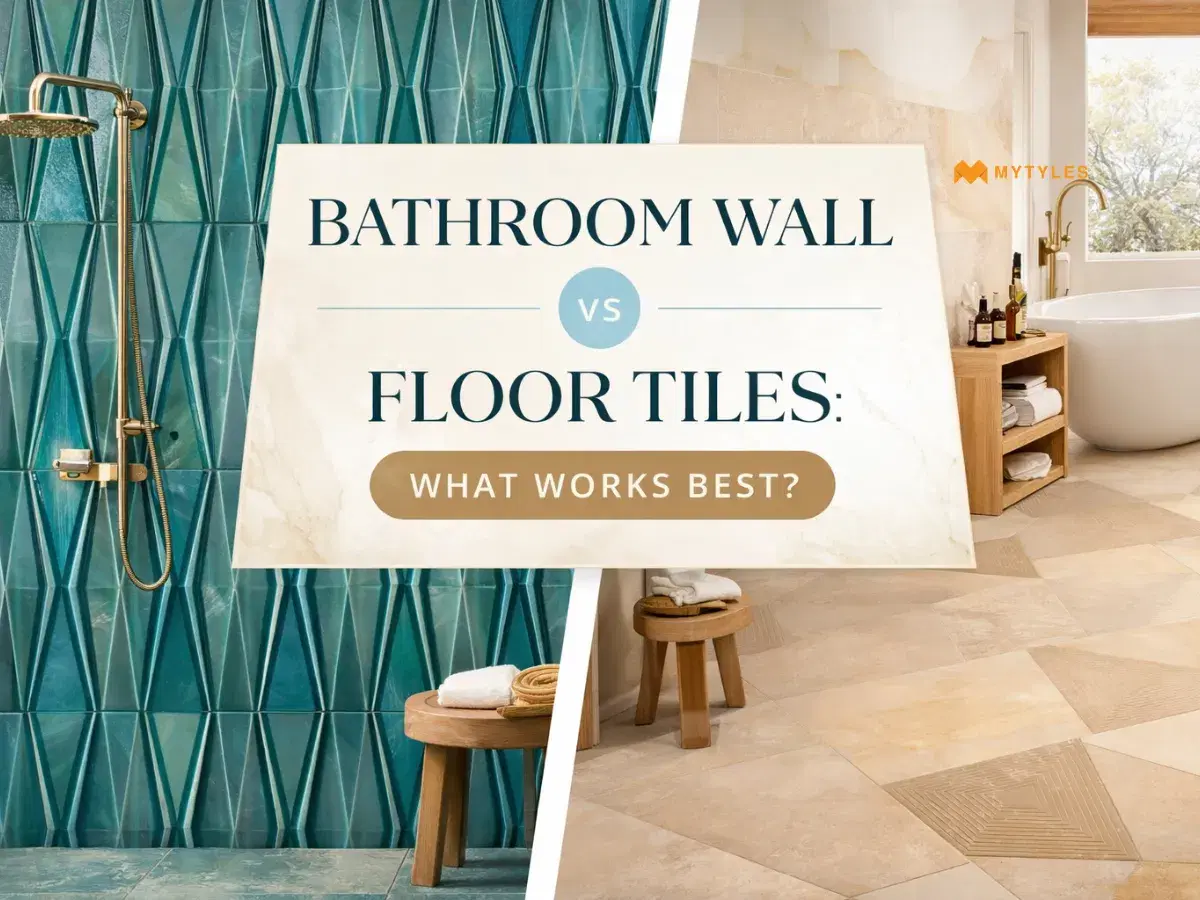
Walk into any bathroom and the tiles speak first. They set the mood, guide your steps, and quietly handle water all day. Picking between bathroom wall vs floor tiles isn’t just about looks. It’s about how your space behaves every morning and night. Walls deal with splashes and steam. Bathroom floor tiles take pressure, spills, and constant movement. Get the balance right and everything feels effortless. Get it wrong and small issues show up fast. So, understanding what works where makes all the difference. A smart choice today saves time, effort, and money later.
The first and foremost thing to be considered before you go and select tiles for floors and walls is to have knowledge of what your bathroom really requires. There is a contribution of water, heat and everyday wear. Planning saves you the trouble of spending a lot of money on errors, and your space will remain convenient and serviceable.
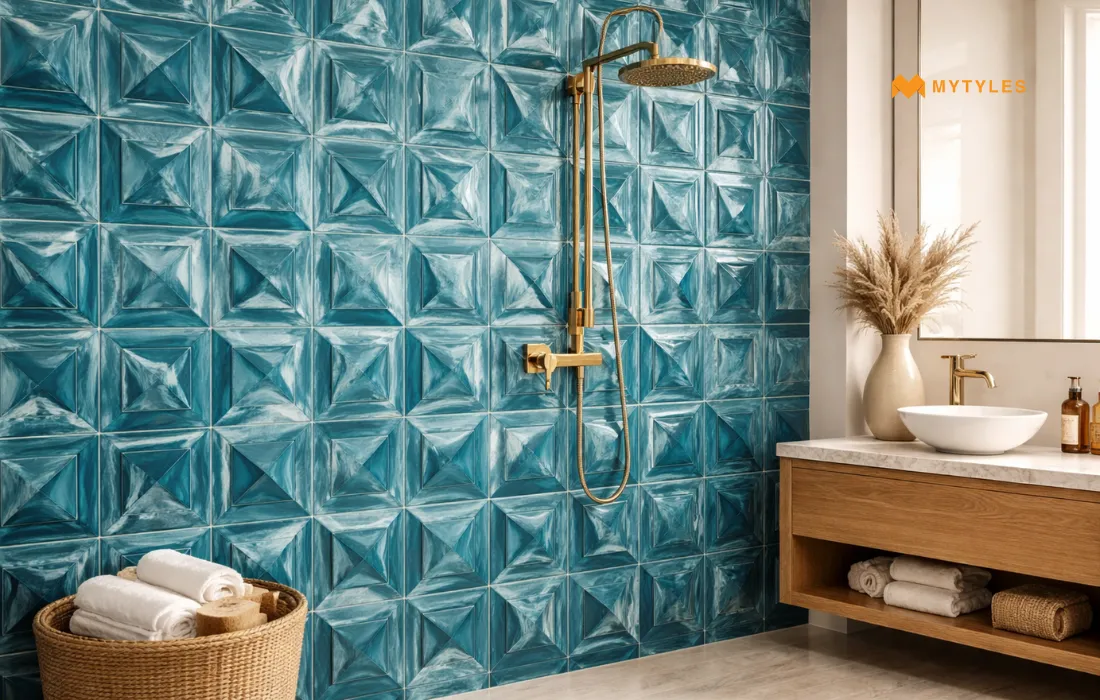
Walls shape the overall look of your bathroom. They don’t carry weight, so the wall tile design for bathrooms takes center stage. This gives you room to try wall tiles and floor tile textures, colors, and patterns without worrying too much about strength.
Wall tiles in bathrooms are lighter and easier to handle. Many people mix bathroom wall and floor tiles for a unified look. Glossy finishes bounce light around and make compact spaces feel open and airy.
Wall bathroom tiles are interesting due to creative freedom. There is no limit to the number of different styles of tiles to be used on the bathroom walls. It is also easier to clean because the dirt does not stick to the vertical surfaces.
Wall tiles aren’t built for heavy use. Even the modern bathroom wall tile design options that are trending are more aesthetically orientated than strong. When they are used on floors, they usually crack or get damaged.
Stone, marble, vitrified ceramic, and porcelain are still popular choices. A plain bathroom wall tile design is suitable for daily use and is also easy to maintain. Textured tiles can add interest without making the space feel crowded.
The most difficult task in your bathroom is done by floor tiles. They are exposed to water, soap and foot traffic. Making a prudent decision makes all things secure and durable.
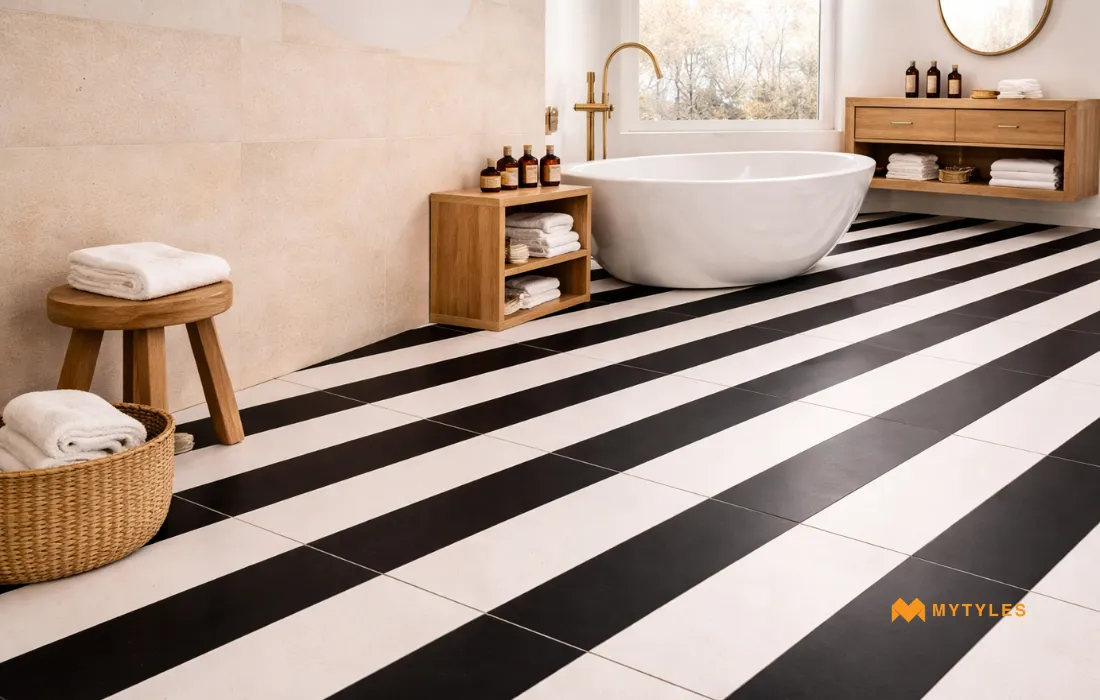
Flooring tiles are more dense and harder. Although the design of bathroom wall tiles is the latest trend, the issue of durability is more important in this case. A proper floor tile must be solid and provide grip.
Strength stands out the most. Combining them with the appropriate bathroom wall tile design makes it balanced. They are harder to wear and scratch and are therefore useful in day-to-day life.
The choice of design may seem restricted. Floor tiles are more functional as compared to tiles which are used to design walls in the bathroom. That implies less daring designs and less noticeable finishes.
The most suitable tiles on the floor are usually porcelain and vitrified tiles. These bathroom floor tiles are easy to manage in terms of moisture and pressure. The fact that they are a reliable long-term option.
Using the same tile everywhere sounds tempting. It can work, though there are a few things to keep in mind.
Using bathroom wall tiles on the floor might look appealing at first glance. Wall tiles often look better, yet floors demand strength and grip.
Tiles last long with proper care. A little attention goes a long way in keeping them fresh.
A defined approach makes the process of tile selection easier. Focus on use, size, and budget.
Small mistakes can lead to big problems later. Avoiding them saves time and effort.
A good bathroom doesn’t just look nice. It works quietly in the background every day without creating problems. Wall tiles handle moisture and style, while floor tiles take on pressure and movement. Getting that balance right just makes life easier, honestly. No constant fixing, no daily frustration. Slow down a bit while choosing. Think about how you actually use your bathroom every day, not just how it looks in photos. A smart decision now saves you from headaches later. And if you’d rather not overthink it, MyTyles has plenty of solid, good-looking modern-to-simple bathroom wall tile designs to durable floor tiles, so you can put together a bathroom that simply works and keeps working.
Biren Agrawalla, the Founder of MyTyles with over 10 years of experience across tile, retail, and home decor. Driven by a passion for tiles and a deep understanding of customer behaviour, he has spent his career transforming how people discover and buy tiles online. Biren combines practical retail insight with modern digital solutions to make tile shopping smarter, more intuitive, and design focused. At MyTyles, he champions a customer first approach, ensuring every experience from browsing to buying is reliable, seamless, and inspiring.
Wall tiles are lighter and mainly focus on appearance, while floor tiles are thicker and built for strength. Floors handle daily movement, water, and pressure, so they need durability and grip. Walls don’t face that kind of stress, which allows more flexibility in design and finish choices without worrying about heavy wear.
Using bathroom wall tiles on floors isn’t a good idea in most cases. They lack the strength and slip resistance needed for safe walking. Over time, they may crack or become slippery when wet. It’s always better to use tiles specifically made for flooring to avoid damage and safety risks.
Bathroom floor tiles can be used on walls since they are strong and durable. However, they are heavier, which can make installation more challenging. They may also look bulky in smaller spaces. If installed correctly, they can create a uniform look, but careful planning is needed to avoid visual imbalance.
Lighter shades like white floor tiles and wall tiles and simple designs usually work best in small bathrooms. Small bathroom wall tile designs with glossy finishes reflect light and make the space feel bigger. For floors, medium-sized tiles with subtle textures help maintain balance. The goal is to keep the space open and avoid patterns that feel too busy.
Start by thinking about usage, not just design. Floors need strength and grip, while walls can focus more on style. Consider water exposure, cleaning effort, and long-term durability. Matching your lifestyle with the right material helps create a bathroom that stays practical and easy to maintain over time.
Porcelain and vitrified tiles are among the most reliable options for bathroom flooring. They are highly resistant to moisture, can withstand regular foot traffic, and maintain their quality over time. These tiles also tend to provide better traction than very smooth surfaces, reducing the risk of slipping. Opting for a sturdy bathroom floor tile material not only improves safety but also keeps your space looking neat and durable for years.
Bathroom tiles should be cleaned on a consistent basis to avoid dirt buildup and discoloration. Light cleaning every few days helps keep the area tidy, while a thorough cleaning once a week ensures deeper hygiene. It’s best to use gentle cleaning solutions, as strong chemicals can harm the tiles for bathroom floor and wall and reduce its longevity.
Aditi Bardhan

₹208.00 / Sq.Ft
₹373.00 / Sq.Ft
₹356.00 / Sq.Ft

₹115.00 / Sq.Ft

₹134.00 / Sq.Ft
₹180.00 / Sq.Ft

₹600.00 / Sq.Ft
₹128.00 / Sq.Ft

₹92.00 / Sq.Ft

₹94.00 / Sq.Ft

₹95.00 / Sq.Ft

₹95.00 / Sq.Ft

₹95.00 / Sq.Ft

₹95.00 / Sq.Ft

₹95.00 / Sq.Ft

₹75.00 / Sq.Ft

₹75.00 / Sq.Ft

₹75.00 / Sq.Ft
₹95.00 / Sq.Ft

₹65.00 / Sq.Ft