Inspiration Gallery
Blog
Tile Calculator
08065423741



.svg)


Discover the Best Tiles for Bedroom
ByBiren Agrawalla

Wed , Aug 19 , 2026

Read Time: 5 Min


 Copied!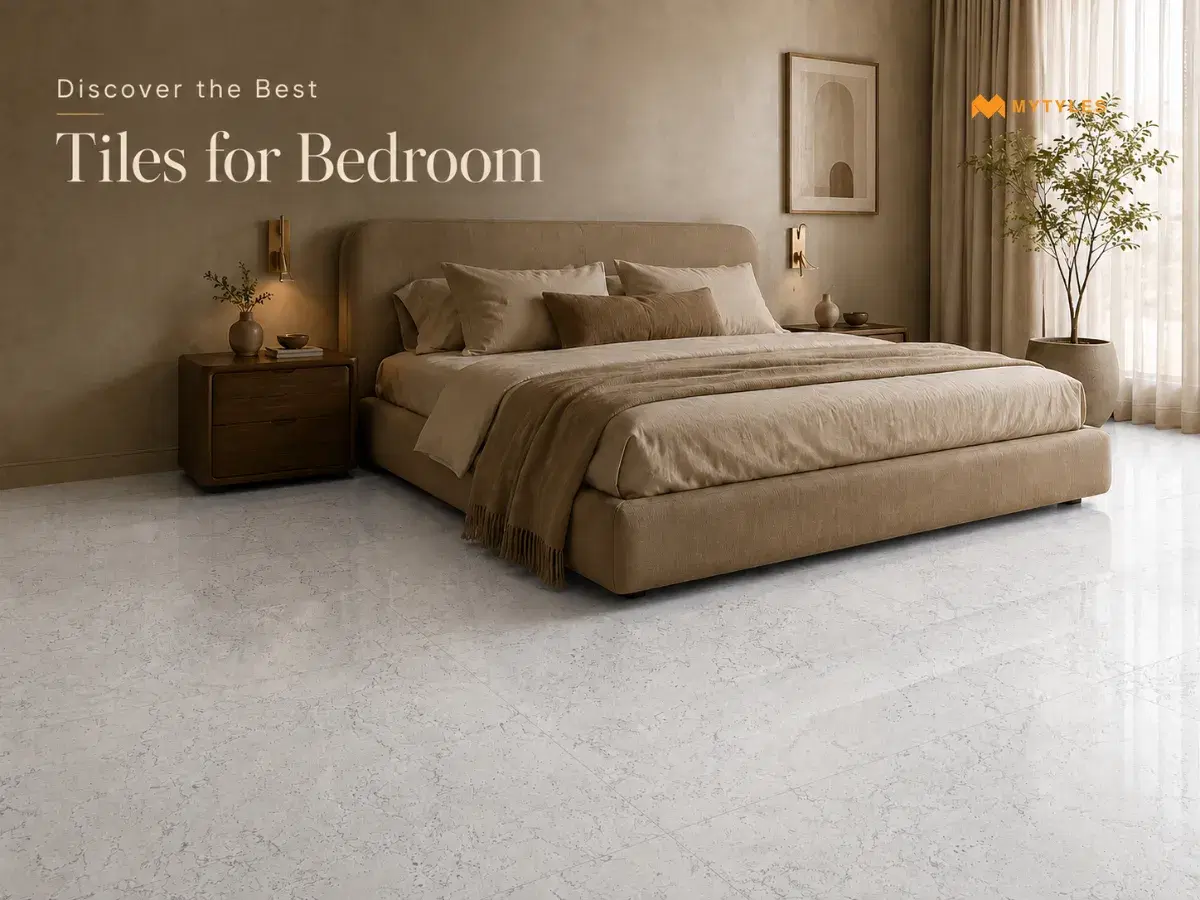
A bedroom often reflects how we rest, think, and reset each day. Yet many homeowners struggle to design a bedroom that feels both comfortable and visually balanced. Some rooms appear dull despite new furniture; others feel cramped even when they are not. For many, stains, fading paint, and high-maintenance surfaces make the space feel cluttered over time. This is where tiles step in as a surprisingly effective design tool. Bedroom tiles bring clarity, soften light, define corners, and keep the room easy to manage. Understanding common bedroom problems helps identify which tile type will work best for your room’s shape, lighting, and lifestyle.
Why Do Tiles Work So Well in Modern Bedrooms?
Tiles were once viewed as a better match for kitchens and bathrooms. Today, that mindset has shifted. Homeowners, architects, and designers now use tiles creatively to bring depth, warmth, and visual flow to the bedroom. Here’s why tiles make a smart choice:
- Support Daily Movement: Tiles handle regular foot traffic easily, giving the bedroom a steady surface that stays comfortable, reliable, and consistent through everyday routines.
- Keep the Room Cleaner: Their smooth surface stops dust from settling deeply, allowing quick cleaning and helping the bedroom remain fresh and organised without extra effort.
- Brighten Compact Bedrooms: Tiles reflect natural and artificial light well, helping smaller bedrooms appear open and balanced while maintaining a pleasant level of brightness all day.
- Suits Many Interior Styles: Tile colours and textures adapt to minimal, warm, or modern themes, letting the bedroom match different furniture and lighting choices smoothly.
- Add Texture Without Clutter: Wall tiles bring depth to the bedroom, giving feature areas quiet detail while keeping the entire layout neat and visually controlled.
- Stay Long-Lasting and Practical: Tiles resist stains, moisture, and everyday wear, offering a dependable surface that supports long-term comfort and keeps the bedroom easy to maintain.
Best Bedroom Floor Tile Designs
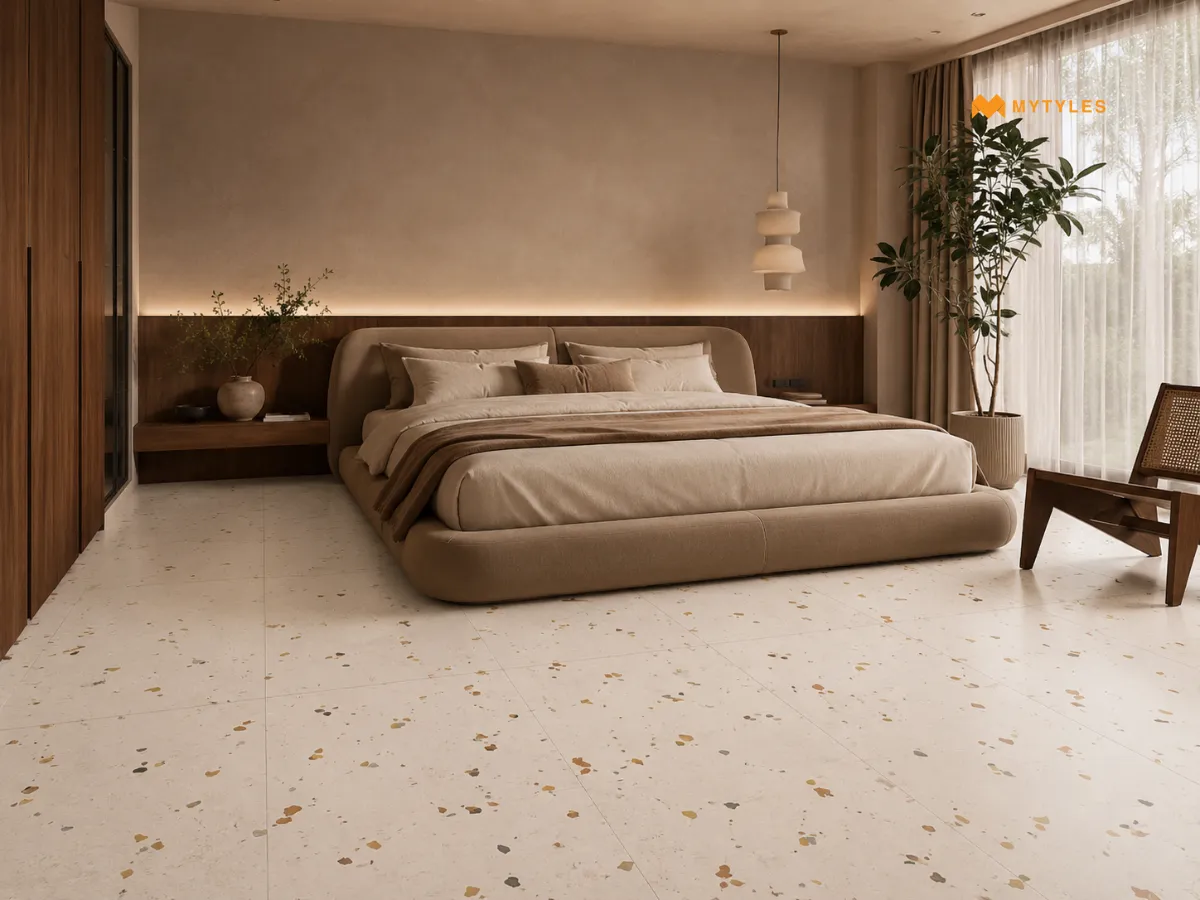
Bedroom floor tiles shape the comfort and rhythm of the space. With the right choice, you can create a warm, calm environment that supports daily movement and complements furniture, lighting, and decor.
- Wood-Look Bedroom Floor Tiles: Wood-look tiles bring warmth and comfort. Their grain patterns add natural softness without requiring high upkeep. These tiles suit large bedrooms, small rooms, and spaces connected to balconies.
- Matte Finish Ceramic Floor Tiles: Matte ceramic tiles reduce glare and create a steady, calming surface. They pair well with muted shades and minimal furniture, supporting a restful atmosphere.
- Stone-Look Bedroom Tiles: Stone-look tiles add depth through natural textures. They complement neutral colour palettes and create a grounded feel in bedrooms that follow modern or rustic themes.
- Large-Format Floor Tiles: Large tiles reduce grout lines and create a smooth surface. They make compact bedrooms feel wider and offer a clean, continuous look.
- Patterned Accent Floor Tiles: Soft geometric or floral patterns give subtle character. They work well in reading corners, dressing zones, or as a highlight under the bed area.
Best Bedroom Wall Tile Designs
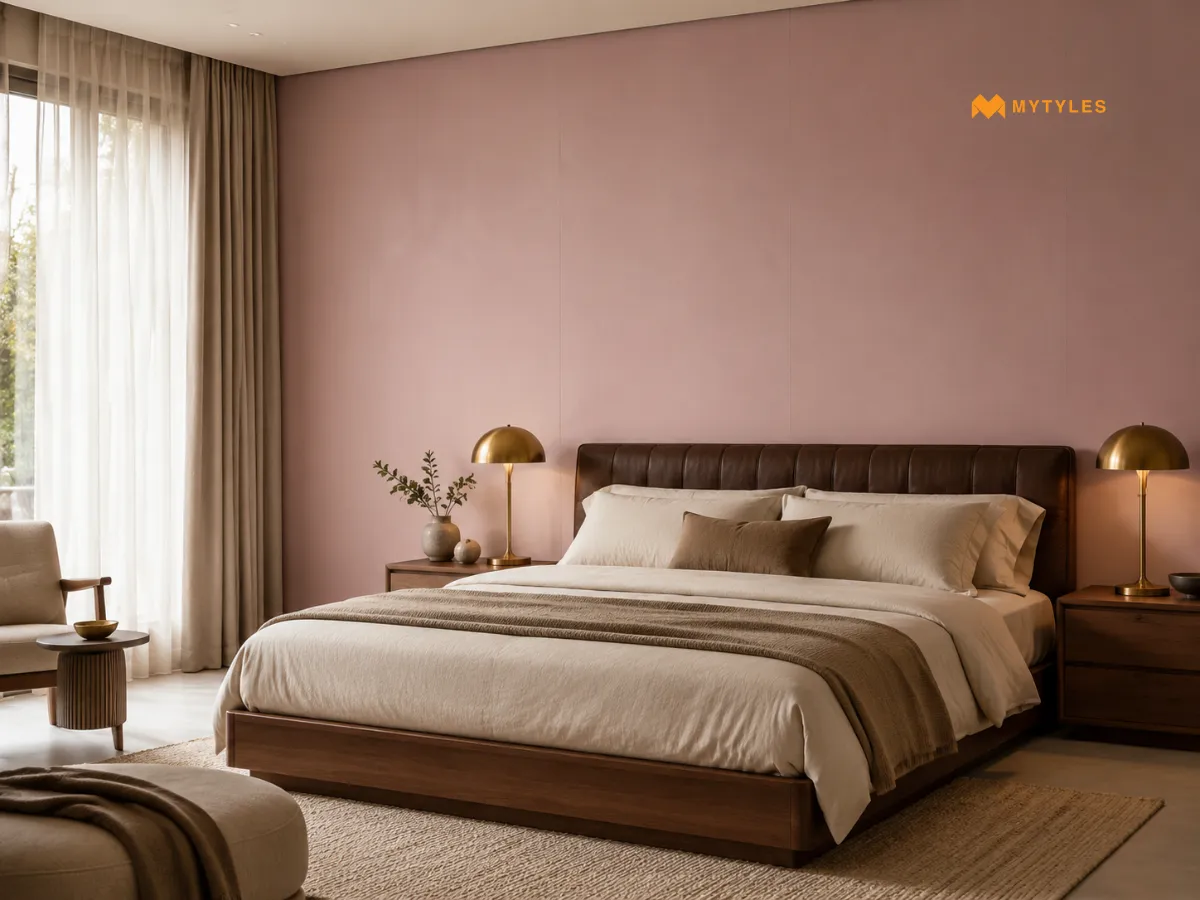
Bedroom wall tiles add identity, texture, and depth. When placed behind the headboard or used as a feature surface, they define the layout without overpowering the room.
- Textured Bedroom Wall Tiles: Textured tiles provide gentle movement and dimension. Subtle ridges or waves suit headboard walls and reading corners.
- Pastel Ceramic Wall Tiles: Pastel tones create a light, calming backdrop. Soft cream, mint, rose, and pale grey suit modern bedrooms and blend well with wooden furniture.
- Marble-Look Wall Tiles: Marble-look tiles add refinement through soft veining. They work well as feature walls, especially behind the bed, adding quiet elegance.
- 3D Wall Tiles for Depth: 3D tiles introduce dimension without heavy patterns. They suit contemporary bedrooms that need a defined focal wall.
- Wood-Clad Tile Walls: Wood-look tiles on walls add warmth and create a cosy setting. They pair well with soft lighting for a restful mood.
Trending Bedroom Tiles Floor & Wall Combinations
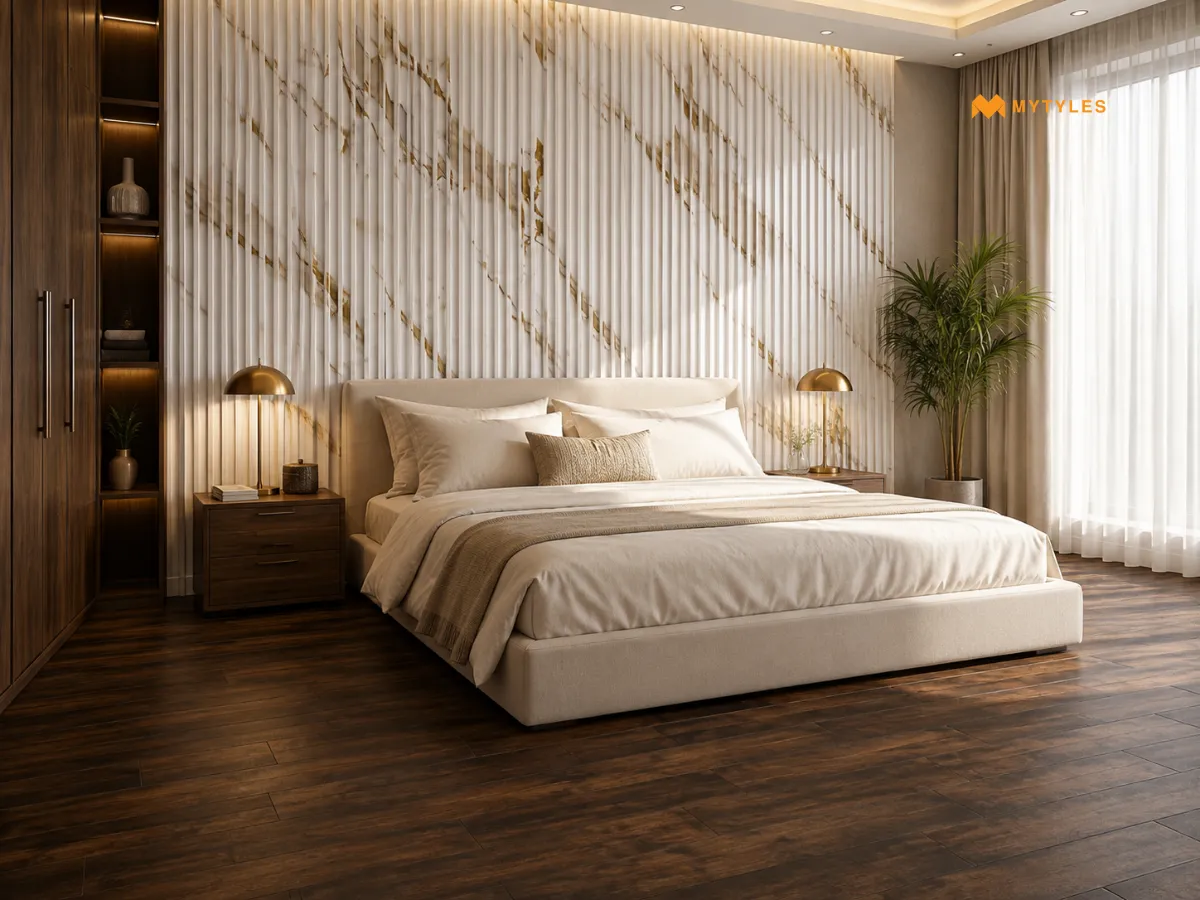
Floor and wall tiles work best when their textures, patterns, and finishes support each other. These combinations help maintain visual order, add depth, and create a peaceful environment suitable for daily comfort. Each pairing strengthens the room’s layout while keeping the design intentional and steady.
Wood-Look Floors with Fluted Wall Tiles
Wood-look floors add warmth, while fluted wall tiles provide structured texture behind the headboard or reading area. This combination blends comfort with definition, helping the bedroom stay organised. It suits modern layouts that depend on subtle depth rather than bold decorative elements.
Matte Porcelain Floors with Stone-Look Wall Panels
Matte porcelain floors create a quiet foundation, while stone-look wall tiles introduce natural variation. Together, they build a balanced bedroom that feels grounded and calm. This pairing supports minimal furniture and keeps the layout visually steady without heavy design elements or strong contrasts.
Large-Format Vitrified Floors with 3D Geometric Wall Tiles
Large-format vitrified floors keep the surface seamless, while 3D geometric wall tiles add soft dimension. This combination suits modern bedrooms needing a focal area without clutter. It helps maintain clarity in compact rooms while adding mild architectural character to the overall layout.
Honed Finish Floors with Marble-Look Wall Slabs
Honed finish floors reduce glare, creating a soft base for daily use. Marble-look wall slabs behind the bed introduce refined veining and gentle movement. This pairing suits bedrooms seeking quiet luxury without overwhelming details, keeping the space organised and comfortable.
Stone-Texture Floors with Smooth Satin-Finish Wall Tiles
Stone-texture floors introduce mild ruggedness, while satin-finish wall tiles offer a clean backdrop. The combination suits bedrooms that need depth without visual weight. It works well with streamlined furniture and supports a calm environment ideal for rest and steady routines.
Patterned Ceramic Floors with Plain Porcelain Wall Tiles
Patterned ceramic floors add subtle character, while plain porcelain wall tiles balance the look. This pairing works for bedrooms needing visual interest without losing clarity. It helps highlight corners naturally while keeping the room tidy and simple to style.
Tips to Choose the Right Bedroom Tiles
Practical tile choices help maintain comfort, visual balance, and long-term durability. Simple considerations guide you toward the right combination of colour, texture, and finish.
- Check Natural Light: Choose tile shades that work well with daylight levels, helping the bedroom stay bright, balanced, and comfortable throughout regular daily use.
- Match Tiles With Furniture: Select tile colours that align with wardrobes and bedframes so the bedroom maintains a consistent look without visual clashes or uneven contrasts.
- Choose Soft Finishes for Sleep Areas: Use matte or satin finishes near the sleeping zone to reduce reflection and create a gentle, steady surface suitable for daily rest.
- Use Texture on Feature Walls: Place textured tiles behind the headboard or reading area to bring mild surface interest while keeping the overall room calm and organised.
- Prefer Low-Porosity Tiles for Easy Care: Pick low-porosity tiles that resist stains and moisture, allowing quick cleaning and helping bedroom floors and walls stay clear for longer.
- Match Grout With Tile Colour: Coordinate grout with tile shades so the surface looks even, reducing visual breaks and helping the bedroom maintain a steady, unified appearance.
Bringing Bedroom Tile Design Together
Tiles play an important role in shaping a bedroom that feels warm, balanced, and simple to maintain. With options like wood-look, stone-look, matte, pastel, and marble-inspired designs, you can build a space that reflects comfort and personal style. Wall tiles add dimension, while floor tiles provide clarity and structure. When matched thoughtfully with furniture, lighting, and décor, tiles help create a room that feels calm and well-organised. To explore tile styles that suit your bedroom layout, visit MyTyles and discover options created to support modern living while maintaining long-term strength and comfort.

Which Tile Materials Are Best for Bedroom Floors?

Porcelain and vitrified tiles are dependable bedroom flooring choices because they provide durability, low water absorption, stain resistance, and easy maintenance. Floor-rated ceramic tiles may suit moderate-use bedrooms and smaller budgets. Wood-look, marble-look, stone, terrazzo, and plain tiles offer different styles, but every option should be checked for floor approval, thickness, strength, and finish quality.
Which Tile Designs Suit Different Bedroom Styles?
Wood-look tiles create warmth and work well in cosy, contemporary, rustic, or Scandinavian bedrooms. Marble-look designs add brightness and elegance, while concrete, terrazzo, and stone effects provide a modern character. Plain neutral tiles remain adaptable when furniture changes. Choose restrained patterns that coordinate with wardrobes, wall colors, curtains, rugs, and bed finishes without making the floor feel busy.
Which Tile Colors Are Best for Bedrooms?
Ivory, cream, beige, greige, and soft grey tiles reflect light and can make compact bedrooms appear larger. Warm wood and mid-tone stone shades add comfort while concealing dust better than plain white or black. Dark tiles suit spacious, well-lit rooms. Compare samples during daytime and evening to confirm harmony with walls, furniture, and lighting conditions.
Which Tile Finish Is Most Suitable for Bedrooms?
Matt and satin finishes provide a soft appearance, stable footing, and fewer visible footprints, making them practical for most bedrooms. Lightly polished tiles reflect more light but may show dust or scratches clearly. Avoid deeply textured surfaces that are difficult to clean. Households with children or older adults should prioritize tested slip resistance and smooth, level installation.
Which Tile Size and Layout Work Best in Bedrooms?
Large-format tiles reduce grout lines and create a calm, continuous bedroom floor when the substrate is properly levelled. Medium formats may reduce wastage and awkward cuts in compact rooms. Rectangular tiles laid lengthwise can visually extend narrow spaces, while staggered wooden planks add natural movement. Finalize joint placement around wardrobes, doors, beds, and attached bathrooms before installation.
Are Tile Floors Comfortable for Bedrooms?
Tile floors stay cooler than wood, laminate, or carpet, which can benefit bedrooms in warm Indian climates. They are easy to sweep and do not trap much dust, supporting simpler cleaning. During colder months, rugs can add warmth and softness. Comfort also depends on regional weather, footwear habits, tile finish, acoustics, and personal preference at home.
What Should Homeowners Check Before Buying Bedroom Tiles?
Before purchasing bedroom tiles, check material, dimensions, thickness, finish, breaking strength, abrasion resistance, stain resistance, slip rating, shade variation, and cleaning requirements. View several samples beside paint and furniture finishes under actual lighting. Measure accurately, verify the batch number, buy extra tiles for cuts and repairs, and choose an experienced installer for correct alignment and joint spacing.

ABOUT THE AUTHOR
Biren Agrawalla
Biren Agrawalla is the Founder of MyTyles, driven by a passion for making tile buying simpler, smarter, and more customer-friendly. With a background in technology and a strong interest in how homes are designed, he built MyTyles to bridge the gap between traditional tile retail and modern customer needs. Biren focuses on understanding what people truly look for when creating their spaces, from practical choices to design inspiration. His work is centred on building thoughtful online solutions that help homeowners discover the right tiles with more confidence, convenience, and clarity.
Latest Blogs By MyTyles