Inspiration Gallery
Blog
Tile Calculator
08065423741



.svg)


The Ultimate Guide to Choosing Ceramic Wall Tiles for Your Home
ByBiren Agrawalla

Thu , Aug 06 , 2026

Read Time: 5 Min


 Copied!
Your walls deserve more than just paint. Ceramic tiles offer durability, style, and protection that standard wall treatments simply can't match. The tricky part is standing in front of thousands of tile options and wondering which ones suit your home best. Maybe you're renovating your kitchen and want a backsplash that handles cooking messes effortlessly. Perhaps your bathroom needs moisture-resistant walls that look spa-like. Or you're dreaming of a stunning accent wall that becomes your living room's conversation starter.
Whatever your goal, ceramic wall tiles can make it happen. This comprehensive guide walks you through everything you need to know about ceramic wall tiles. You'll discover how to match tiles with your design goals, understand different finishes, and make choices that fit your lifestyle.
Why are Ceramic Wall Tiles Popular?
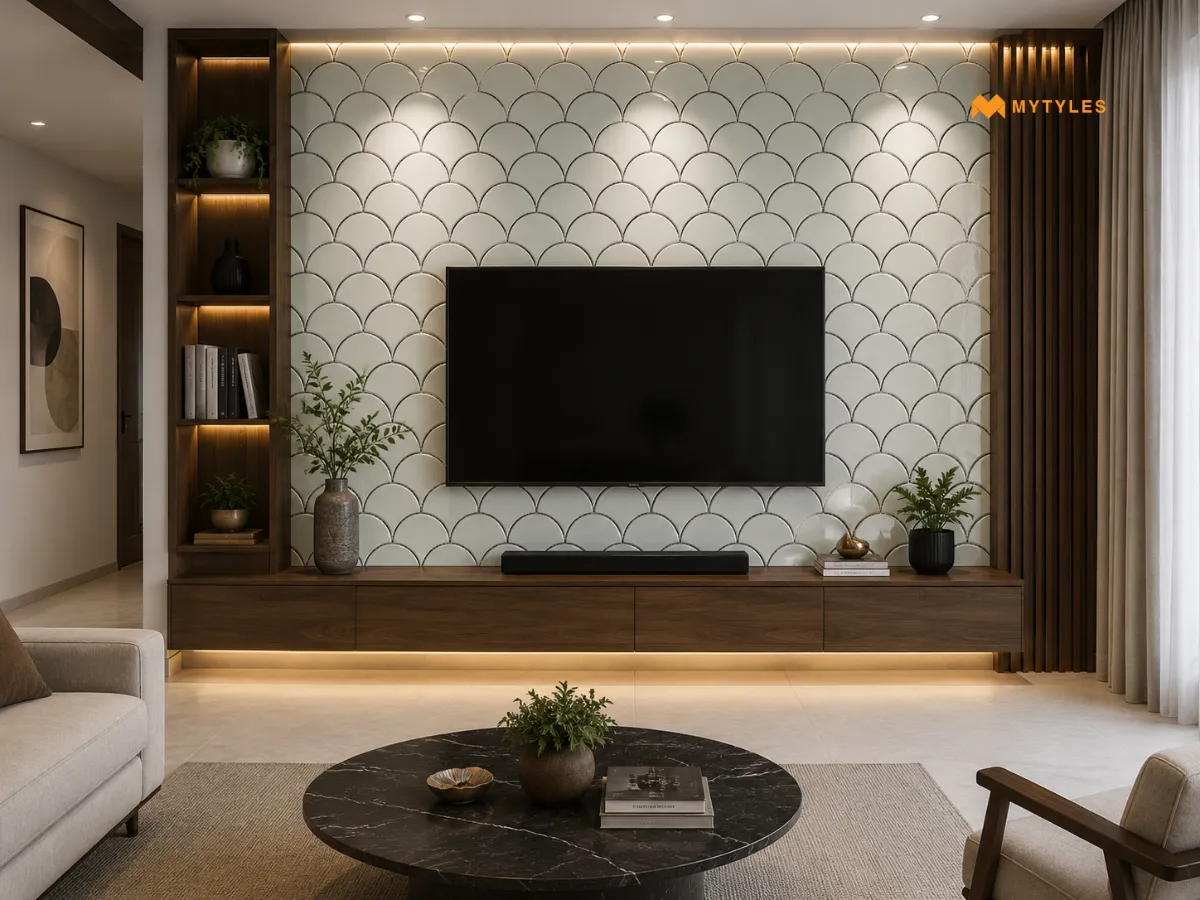
If you’re wondering why ceramic wall tiles remain a timeless favorite among homeowners and designers, the answer lies in their versatility. They’re not only visually stunning but also moisture-resistant, long-lasting, and cost-effective. Perfect for both classic and modern interiors, these tiles make walls look elegant while keeping maintenance effortless.
Ceramic wall tiles start with natural clay molded and fired at high temperatures. A protective glaze seals the surface, locking in color and design. This glaze also acts as a water barrier, making ceramic tiles a better choice than paint in high-humidity areas like bathrooms or kitchens.
Key Benefits of Ceramic Wall Tiles:
- Water Barrier: Glazed coating prevents mold and stains.
- Easy to Clean: Wipe away grease or splashes in seconds.
- Design Range: Available in solid tones, textures, and stone effects.
- Lightweight: Easier to handle and install compared to stone tiles.
- Affordable: Excellent value for money with a long lifespan.
Understanding Ceramic Tiles Finish Options
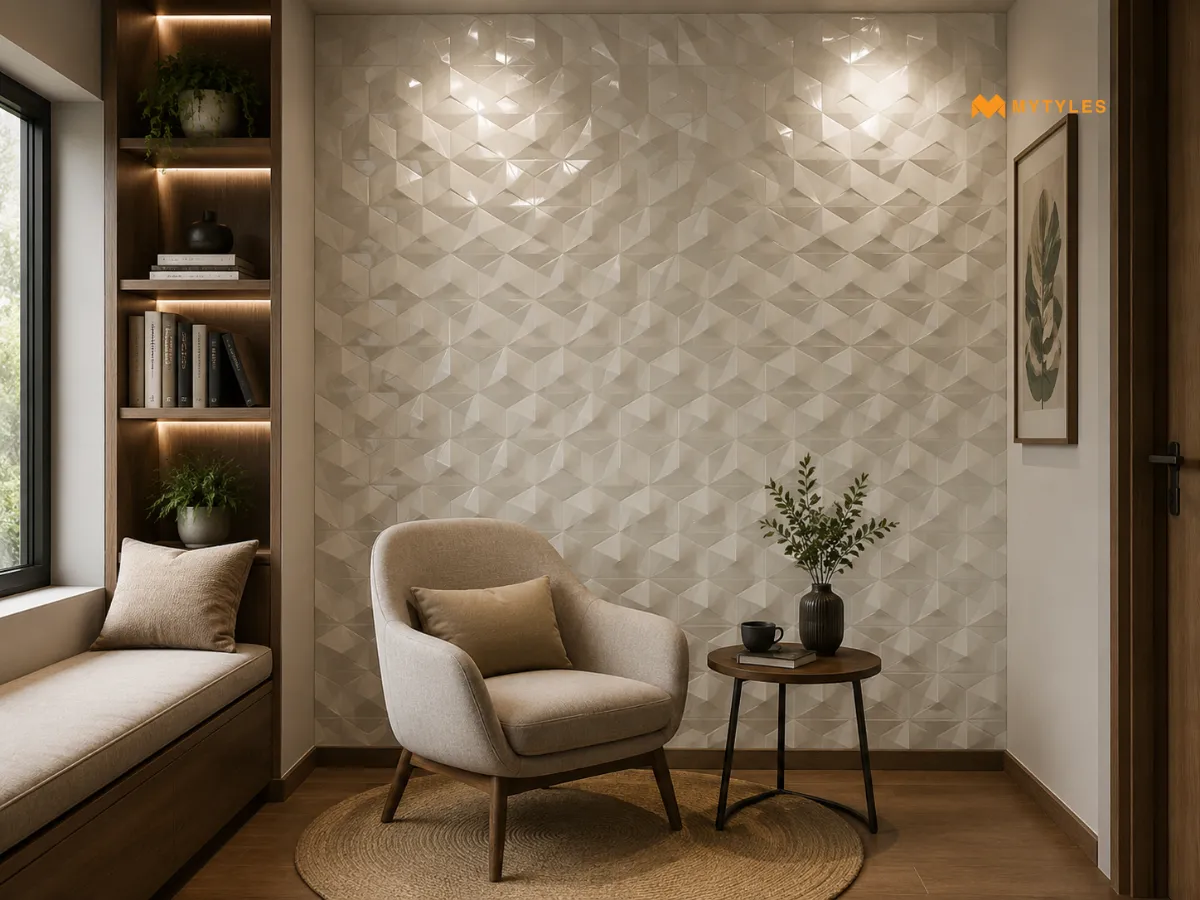
A tile’s finish defines its overall appearance and maintenance level. From glossy to textured, each finish brings a different mood and function. Your choice depends on how much light you want to reflect and how easy you’d like your walls to be to clean.
Glossy Finish
High-gloss tiles reflect light beautifully, making small bathrooms feel larger and brighter. The shiny surface amplifies both natural and artificial light, creating an open, airy atmosphere. However, fingerprints and water spots show more readily on glossy surfaces, requiring regular wiping with a microfiber cloth to maintain their sparkle.
Matte Finish
Matte tiles offer a sophisticated, understated look that conceals fingerprints and smudges effectively. This practical finish excels in busy kitchens where hands frequently touch backsplashes. Pairing matte tiles with contrasting grout colors creates striking visual interest without the maintenance demands of glossy alternatives.
Satin Finish
Satin finishes occupy the sweet spot between glossy and matte, providing subtle luminosity without harsh glare. This versatile option works wonderfully in living areas and dining rooms where accent walls need to complement rather than dominate the space.
Textured Finish
Raised patterns mimicking linen, waves, or natural materials add dimensional interest to flat walls. While visually striking, textured tiles require slightly more cleaning effort as dust collects in the grooves. Vacuum or brush before wiping to maintain their distinctive appearance.
Ceramic Wall Tiles Color
Color sets the atmosphere of your home. The right ceramic tile color can make a space feel larger, warmer, or more luxurious. With hundreds of shades available, you can experiment fearlessly while maintaining harmony with your existing furniture and lighting.
Neutral Foundations
White, beige, and gray tiles create timeless canvases that adapt to changing decor trends. These versatile neutrals allow you to refresh your space simply by swapping towels, artwork, or accessories without requiring expensive tile replacement.
Bold Statement Hues
Inject personality with teal, navy, or terracotta backsplashes that energize cooking and bathing spaces. Balance these vibrant choices with neutral cabinetry and fixtures to prevent visual overwhelm while maintaining striking impact.
Wood-Look Ceramics
Warm brown tiles that mimic wood grain bring natural coziness to bathrooms without the maintenance concerns of real wood in wet environments. Install them vertically to create the illusion of taller ceilings and more spacious rooms.
Metallic Accents
Gold, copper, or silver mosaic tiles add luxurious sparkle to powder rooms and vanity areas. Use these glamorous accents sparingly as borders or small feature sections to maintain elegance without overwhelming the space.
Sizes and Shapes to Consider
The size and shape of your tiles influence how a room feels. Larger tiles can make small rooms appear bigger, while smaller tiles add charm and intricacy. Choosing the right proportion ensures a cohesive, well-balanced design. Below are the most popular ceramic wall tile sizes and how to use them effectively.
- Standard Squares: Classic 6x6 or 12x12-inch tiles are ideal for creating symmetrical layouts. Their neat grid design suits bathrooms and kitchens beautifully.
- Rectangles: 3x6-inch subway tiles are timeless. You can stack them vertically for a contemporary touch or stagger them for a classic brick pattern.
- Large Panels: 12x24-inch tiles bring a modern, seamless look with fewer grout lines. They’re especially useful in large bathrooms or open kitchens where easy cleaning is a priority.
- Mosaics: Tiny 1x1 or 2x2-inch mosaic tiles on mesh sheets add personality to borders, niches, or decorative accents. Mixing textures or colors can create a custom statement wall.
- Hexagons and Arabesques: Geometric shapes introduce visual rhythm and are perfect for small focal points like powder room walls or kitchen backsplashes.
Best Application for Ceramic Wall Tiles in Home
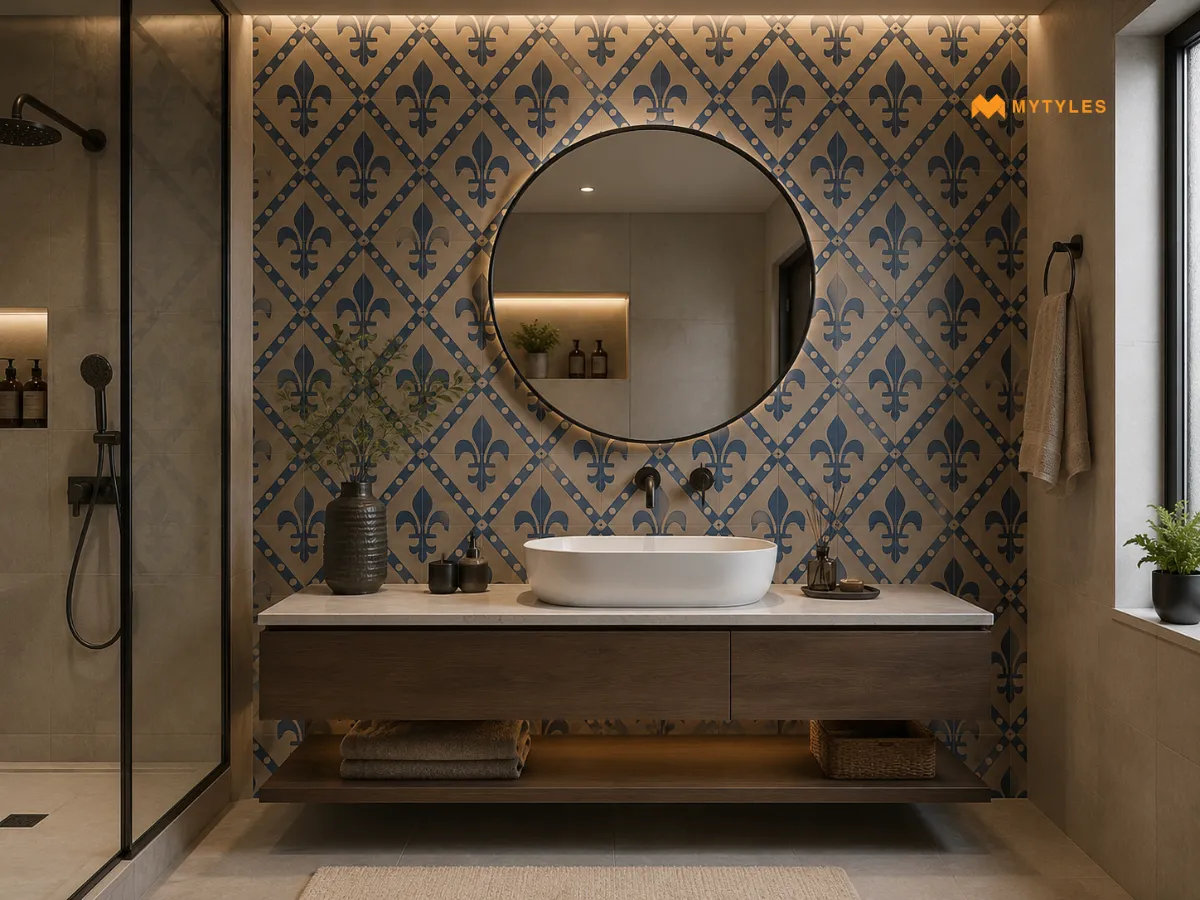
Ceramic wall tiles are versatile enough to fit almost every part of your home. They shine brightest in spaces that face humidity, heat, or frequent cleaning. Here’s how to make the most of ceramic wall tiles in specific rooms.
- Bathrooms: The most common application, bathroom walls benefit from ceramic tiles’ moisture resistance and easy cleaning. Full-height installations around showers prevent water damage and add a polished finish.
- Kitchen Backsplashes: Perfect behind stoves and sinks, ceramic tiles shield walls from heat, grease, and splashes. Their smooth surface wipes clean easily while adding a stylish focal point to the kitchen.
- Entryways: Tiles in entryways protect against scuffs and water stains caused by footwear. Textured or satin-finish options add durability and charm to the first impression of your home.
- Living Room Accent Walls: Create a statement feature with large-format or textured ceramic tiles. They add dimension and sophistication while complementing furniture and lighting beautifully.
- Fireplace Surrounds: Heat-resistant ceramic wall tiles are ideal for framing fireplaces. Choose stone or glossy finishes depending on whether you prefer a rustic or modern aesthetic.
- Staircases and Hallways: Use ceramic tiles along stair or hallway walls for a durable, stylish upgrade. They resist scratches and marks, maintaining elegance in high-traffic areas.
Transform Your Walls With Confidence
Choosing ceramic wall tiles becomes manageable when you understand the key factors. Consider your room's specific needs, coordinate with existing elements, and select finishes that match your lifestyle. Beautiful, functional walls are within reach. Ready to find your perfect ceramic wall tiles? MyTyles offers extensive collections featuring every style, size, and finish imaginable. Our expert team helps you navigate options and select tiles that bring your vision to life. Visit MyTyles today to explore our showroom, get expert guidance, and discover ceramic wall tiles that transform your space.

Why Are Ceramic Tiles a Popular Choice for Home Walls?

Ceramic wall tiles are lightweight, versatile, affordable, and available in numerous colors, patterns, sizes, and finishes. Their glazed surfaces are usually easy to clean and resist everyday stains, making them practical for kitchens, bathrooms, and utility areas. Because wall tiles do not handle foot traffic, homeowners can prioritize visual appeal while still checking moisture resistance and application guidance.
Which Rooms Are Best Suited to Ceramic Wall Tiles?
Ceramic wall tiles work particularly well in bathrooms, kitchens, utility rooms, wash areas, and pooja rooms. They can also create decorative panels behind TV units, dining tables, or bedroom headboards. Match the tile’s finish and technical specifications to the location, especially where walls face regular water, cooking stains, heat, humidity, or frequent cleaning during use.
How Should Homeowners Choose Ceramic Tile Colors and Patterns?
Start with the room’s size, natural light, furniture, cabinetry, countertops, and existing color palette. Light shades can make compact rooms feel open, while darker or patterned tiles create stronger focal points. Use bold designs on one wall or backsplash and keep surrounding surfaces quieter. Always view samples under actual lighting before finalizing the combination carefully.
Which Ceramic Tile Size Works Best for Walls?
Large-format tiles create fewer grout lines and a cleaner appearance, but they require flat walls, suitable adhesive, and skilled handling. Medium tiles fit many bathrooms and kitchens with less cutting, while small tiles suit niches, borders, and decorative areas. Choose dimensions that align neatly around corners, windows, electrical points, cabinets, sanitaryware, and plumbing fixtures properly.
Are Ceramic Wall Tiles Suitable for Wet Areas?
Glazed ceramic tiles can perform well on bathroom and kitchen walls when approved for wet-area use and installed correctly. They should be fixed over a properly prepared, waterproofed surface with compatible adhesive and grout. Tiles alone do not waterproof a wall. Pay particular attention to shower enclosures, joints, corners, pipe openings, and areas around sinks.
How Should Ceramic Wall Tiles Be Cleaned and Maintained?
Wipe ceramic wall tiles regularly with warm water and a mild tile-safe cleaner. Remove soap residue, oil, masala, and hard-water marks promptly before deposits become difficult to clean. Avoid harsh acids, metal scrubbers, and abrasive powders that may scratch the glaze. Clean grout joints gently, repair cracks, and reseal grout when recommended by the manufacturer.
What Should Buyers Check Before Purchasing Ceramic Wall Tiles?
Check the tile dimensions, thickness, finish, water absorption, stain resistance, shade variation, edge quality, cleaning needs, and recommended application. Compare several pieces together and inspect the surface under room lighting. Measure carefully, buy extra tiles for cuts and future repairs, confirm the batch number, and appoint an installer experienced with the selected wall-tile size and format.

ABOUT THE AUTHOR
Biren Agrawalla
Biren Agrawalla is the Founder of MyTyles, driven by a passion for making tile buying simpler, smarter, and more customer-friendly. With a background in technology and a strong interest in how homes are designed, he built MyTyles to bridge the gap between traditional tile retail and modern customer needs. Biren focuses on understanding what people truly look for when creating their spaces, from practical choices to design inspiration. His work is centred on building thoughtful online solutions that help homeowners discover the right tiles with more confidence, convenience, and clarity.
Latest Blogs By MyTyles