Inspiration Gallery
Blog
Tile Calculator
08065423741



.svg)


Vitrified Tiles - What Exactly Are They
ByBiren Agrawalla

Thu , Aug 20 , 2026

Read Time: 5 Min


 Copied!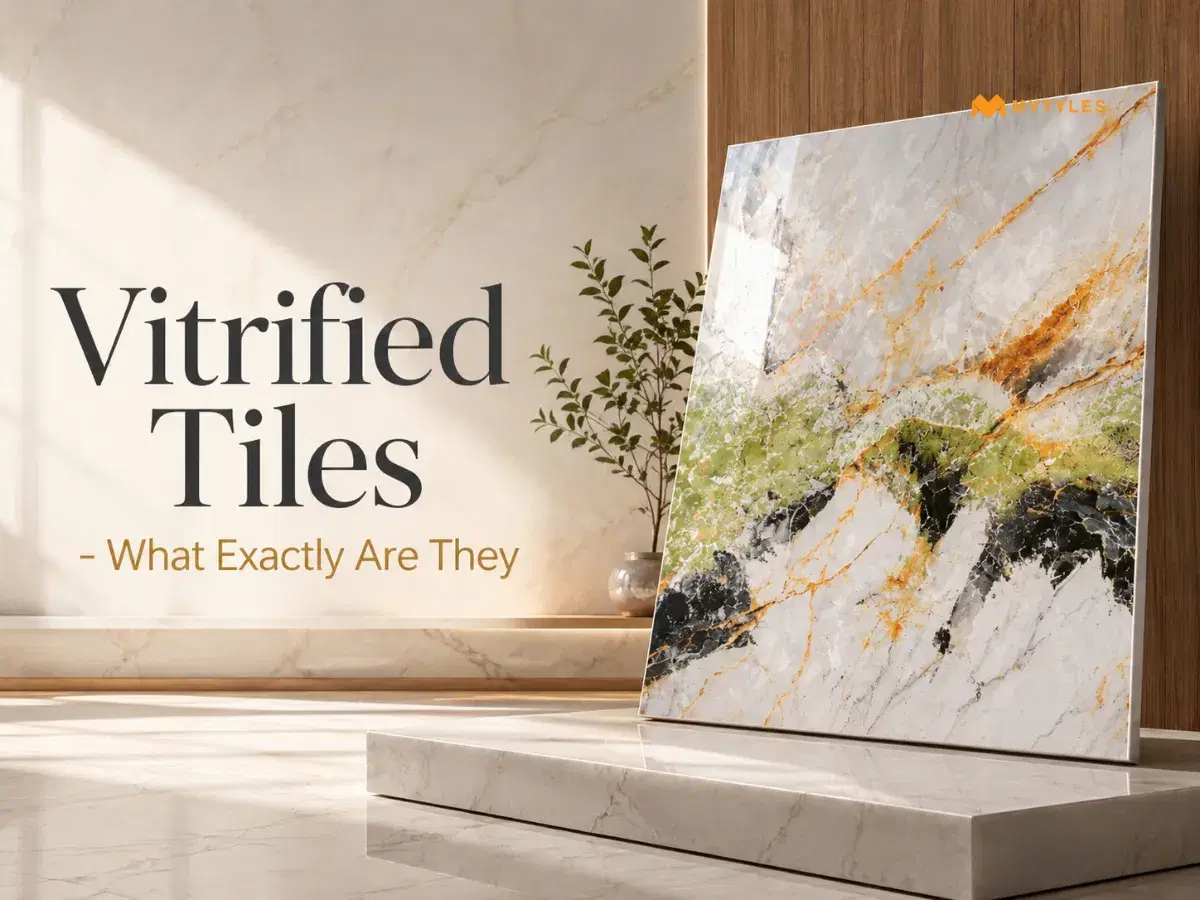
Homes today demand surfaces that last long, stay clean, and look well-finished without constant upkeep. That expectation is exactly why vitrified tiles have grown into one of the most trusted choices for floors and walls. Their strength, uniform finish, and ability to work across residential and commercial settings make them an option many homeowners consider early in their planning. But even with their popularity, many people still ask the same question: What exactly makes a tile vitrified? This blog breaks down the entire concept, how these tiles are made, what sets them apart, types available, suitable applications, common doubts, and smart selection decisions.
What Are Vitrified Tiles?
Vitrified tiles are produced through a process that mixes clay with silica, quartz, and feldspar. These ingredients are pressed under high pressure and subjected to intense heat. During firing, the minerals melt and fuse, forming a dense, glass-like surface. That fused layer is what the industry calls “vitrification”.
This fusion reduces surface pores, increases mechanical strength, and gives the tile its consistent finish. Because the surface does not hold moisture easily, the tile is suitable for high-traffic areas, spill-prone rooms, and places requiring easy cleaning.
The biggest point of difference between vitrified tiles and basic ceramic tiles is density. Ceramic tiles have higher porosity, while vitrified tiles remain compact and less absorbent. This means less staining, less water penetration, and better long-term performance.
Types of Vitrified Tiles
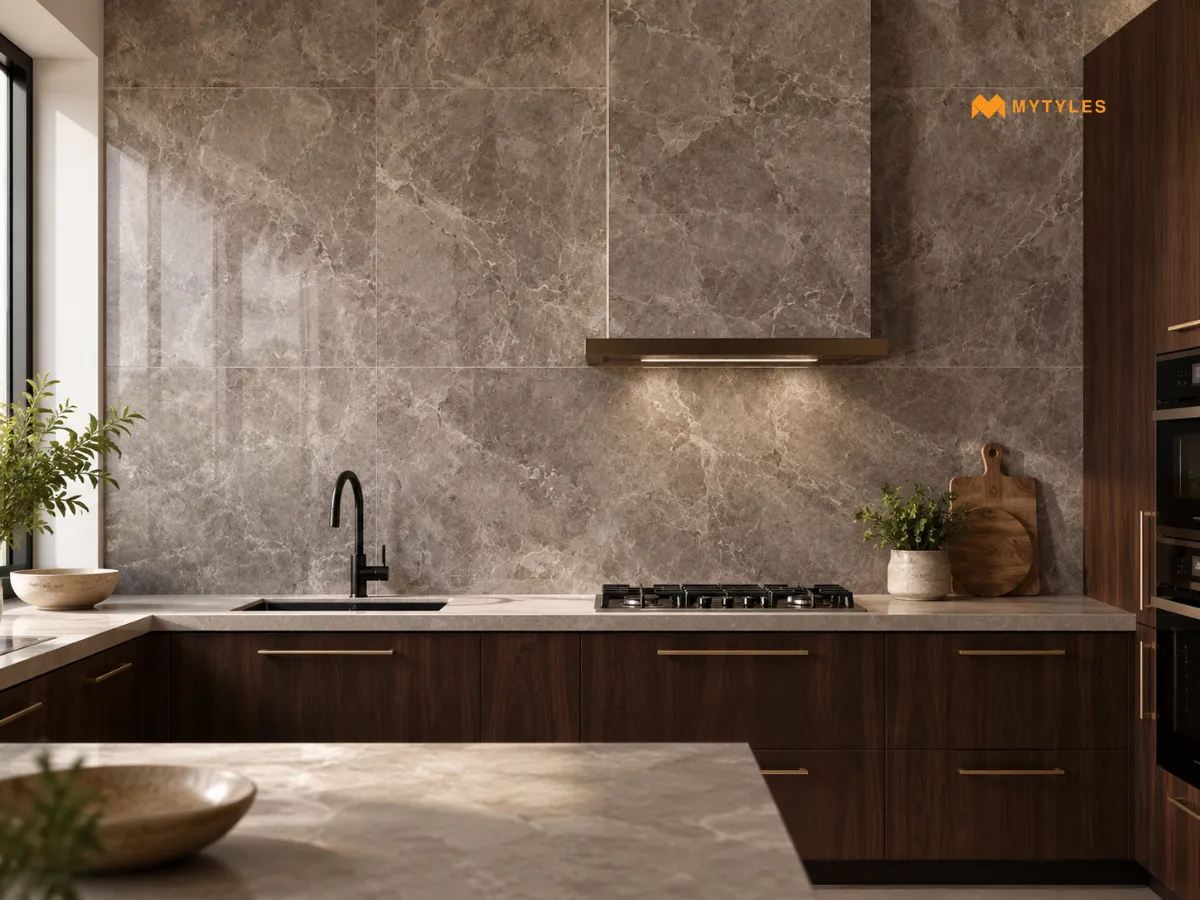
Vitrified tiles come in several categories. Each one suits different use cases based on wear levels, design expectations, and traffic intensity. Understanding these types helps buyers narrow choices faster.
Double Charged Vitrified Tiles
Double charged tiles are made by feeding two layers of pigments into the press. This gives them thicker design layers compared to surface-printed tiles. The thick pattern layer helps them retain their look even after years of use, making them useful for heavy-traffic spaces like living rooms, offices, and educational buildings.
Full Body Vitrified Tiles
Full body tiles have pigment running through the entire thickness of the tile. Chips or scratches do not show easily because the inner body matches the surface. These tiles are often used in industrial environments, commercial zones, and outdoor pathways where wear and tear is higher.
Glazed Vitrified Tiles (GVT)
GVT tiles are coated with a glaze that allows detailed textures, patterns, and colours. Their appearance options range from stone and wood looks to metallic and abstract finishes. They are widely chosen in residential interiors because they offer more visual variety than double charged or full body tiles.
Polished Glazed Vitrified Tiles (PGVT)
PGVT tiles are similar to GVT tiles but receive an additional polishing process. This gives them a reflective finish suited for spaces where a smooth, sleek look is preferred. They work well in living rooms, lobbies, display areas, and modern apartments.
Where Can You Use Vitrified Tiles?
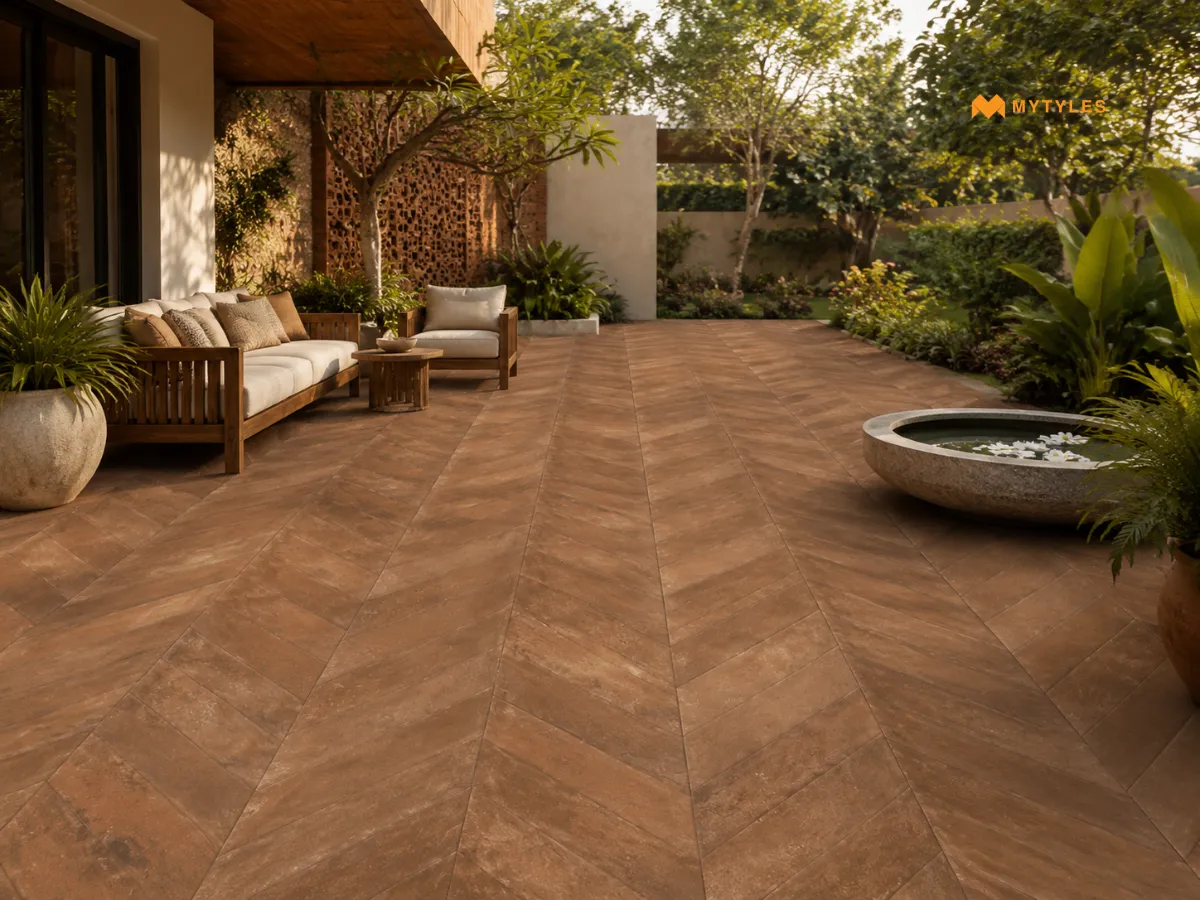
Vitrified tiles are versatile and can adapt to diverse layouts. Their uniform structure and low upkeep needs make them suitable for both homes and commercial locations.
- Living Rooms: Their strength and consistency allow living rooms to handle daily movement, furniture shifting, and spills without visible wear. Larger sizes help create broader, cleaner surfaces that look organised and neat.
- Bedrooms: Bedrooms benefit from tiles that stay stable over time. Vitrified tiles do not warp, do not hold stains, and remain cool underfoot. Their finish options range from matte to glossy, giving homeowners flexibility to match their preferred look.
- Kitchens: Kitchens require tiles that resist spills, heat, and occasional impact. The compact structure of vitrified tiles prevents moisture from settling in, supporting hygienic kitchen floors and backsplashes. Matte or textured options offer better grip while glossy finishes assist with quick clean-ups.
- Bathrooms: Vitrified tiles handle water exposure well. Their minimal moisture absorption helps keep the surface dry faster. Textured and matte variants work best for bathroom floors, while glossy versions suit bathroom walls.
- Outdoor Spaces: Full body and textured vitrified tiles withstand weather changes and foot traffic. They are used in balconies, terraces, and walkways where stability and non-slip surfaces matter more than decorative qualities.
- Commercial Areas: Shops, offices, clinics, educational campuses, and hotels often prefer vitrified tiles due to their long lifespan. Double charged and full body tiles offer consistent performance even under continuous use.
Vitrified Tiles vs. Other Tile Types
Vitrified tiles are often compared with ceramic, porcelain, and natural stone options. Each has its place, but vitrified tiles offer a distinct balance of cost, performance, and appearance.
Vitrified Tiles vs Ceramic Tiles
Ceramic tiles have higher porosity, which makes them absorb moisture faster. They are suitable for light-use areas but show stains more easily. Vitrified tiles, being denser, work better in places where durability and cleanliness are priorities.
Vitrified Tiles vs Porcelain Tiles
Porcelain tiles are also dense and durable, though their production process varies slightly. Many homeowners consider vitrified tiles a more budget-friendly option with similar performance in most environments.
Vitrified Tiles vs Natural Stone
Natural stone carries unique patterns but requires sealing, polishing, and regular maintenance. Vitrified tiles provide a low-upkeep alternative for those who prefer consistent surfaces and straightforward care routines.
Common Myths About Vitrified Tiles
Misunderstandings around vitrified tiles often lead homeowners to hesitate or overlook them. Many assumptions come from outdated information or half-known facts. Clearing these doubts helps buyers evaluate the material based on real performance, not misleading claims. Below are some of the most common myths and the truth behind them, explained in simple terms.
Myth 1: They are Difficult to Install
Installation techniques for vitrified tiles are the same as any standard tile. The key lies in proper adhesive and correct leveling during laying.
Myth 2: They have Limited Design Options
GVT and PGVT tiles offer a wide range of patterns, textures, and finishes, giving homeowners enough freedom to match various interior themes.
Myth 3: They are Only for Floors
Vitrified tiles are used on walls, stairs, accent areas, and exterior sections as well. Many designers prefer them for consistent finishing.
Myth 4: They are Too Expensive
Costs vary across categories. Double charged and GVT tiles offer strong performance at accessible price points compared to many natural stone alternatives.
How to Choose Vitrified Tiles?
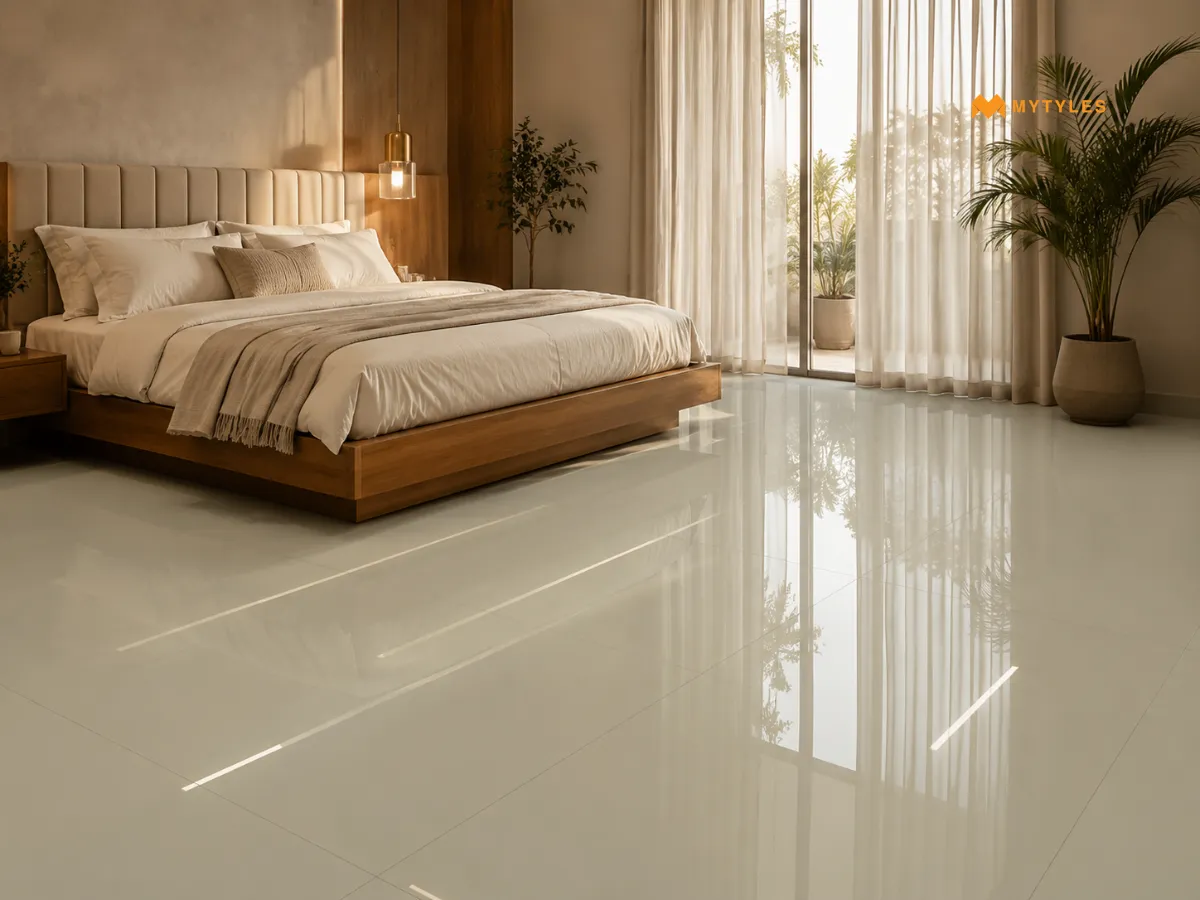
Choosing the right vitrified tile involves more than picking colours. The correct decision considers the purpose of the room, foot traffic, maintenance needs, and long-term utility.
Pick the Right Size
Large tiles work well in roomy layouts where fewer joints create a clean look. Smaller tiles suit tighter rooms, utility areas, and uneven subfloors where cuts are necessary.
Select the Correct Finish
- Matte for better grip in bathrooms, balconies, and kitchens
- Glossy for living rooms and display areas
- Textured for outdoor sections
Match the Color With Lighting
Lighter tiles brighten compact rooms, while darker shades help tone down bright lighting. Natural-look finishes suit warm spaces, and neutral shades fit minimal spaces.
Balance Budget and Usage
Public spaces, entryways, or busy household rooms benefit from full body or double charged tiles. Bedrooms or quiet corners work well with GVT or PGVT options.
Consider Cleaning Needs
PGVT tiles clean quickly but reflect marks easily. Matte options hide dust better. Choose based on your housekeeping routine.
The Smarter Surface Choice Starts With Informed Selection
A home feels complete when the surfaces stay dependable year after year. Vitrified tiles offer exactly that, strength, consistency, and low-effort upkeep paired with finish options suitable for almost every room. For homeowners planning renovations or new builds, choosing well-made vitrified tiles can simplify the entire experience and reduce long-term worries about upkeep. Looking for trusted options, accurate guidance, and reliable material choices? MyTyles helps you pick tiles that suit your project without confusion or pressure. Explore designs, compare finishes, and choose confidently with expert support whenever you need it.

Are Vitrified Tiles Good for Heavy-Traffic Areas?

Yes, their dense structure handles frequent use without surface wear, making them suitable for living rooms, offices, corridors, and commercial locations.
Do Vitrified Tiles Absorb Water?
Their surface has extremely low porosity, allowing minimal moisture absorption. This makes them suitable for kitchens, bathrooms, and outdoor areas with regular water exposure.
Are Vitrified Tiles Slippery?
Glossy variants can feel smooth, while matte and textured options provide better grip. Choosing the correct finish based on room function helps avoid slip concerns.
What Is the Difference Between GVT and PGVT Tiles?
GVT tiles have printed designs with a glazed coat, while PGVT tiles go through an additional polishing stage, offering a shinier surface.
Can vitrified tiles be used on walls?
Yes. Many homeowners use them for bathroom walls, kitchen backsplashes, elevation areas, and accent panels because of their durability and easy cleaning.

ABOUT THE AUTHOR
Biren Agrawalla
Biren Agrawalla is the Founder of MyTyles, driven by a passion for making tile buying simpler, smarter, and more customer-friendly. With a background in technology and a strong interest in how homes are designed, he built MyTyles to bridge the gap between traditional tile retail and modern customer needs. Biren focuses on understanding what people truly look for when creating their spaces, from practical choices to design inspiration. His work is centred on building thoughtful online solutions that help homeowners discover the right tiles with more confidence, convenience, and clarity.
Latest Blogs By MyTyles