Inspiration Gallery
Blog
Tile Calculator
08065423741



.svg)


Best Tile Combinations: Floor + Wall + Feature Wall
ByAditi Bardhan

Sun , Apr 05 , 2026

Read Time: 5 Min


 Copied!
Tiles are not just surface finishes; they are the largest visual elements in any room, quietly controlling how space feels, flows, and functions. The way your floor, wall, and statement wall tiles interact determines if a room looks expansive or cramped, cohesive or chaotic. The best tile combinations can make a room feel brighter, more layered, and far more intentional. The idea isn’t just to match tiles, but to make them work together in a way that feels right. In this blog, we’ll walk you through a wall and floor tile combination hack that looks effortless but actually feels well thought-out and aesthetically pleasing.
Best Tile Combinations For Modern Homes
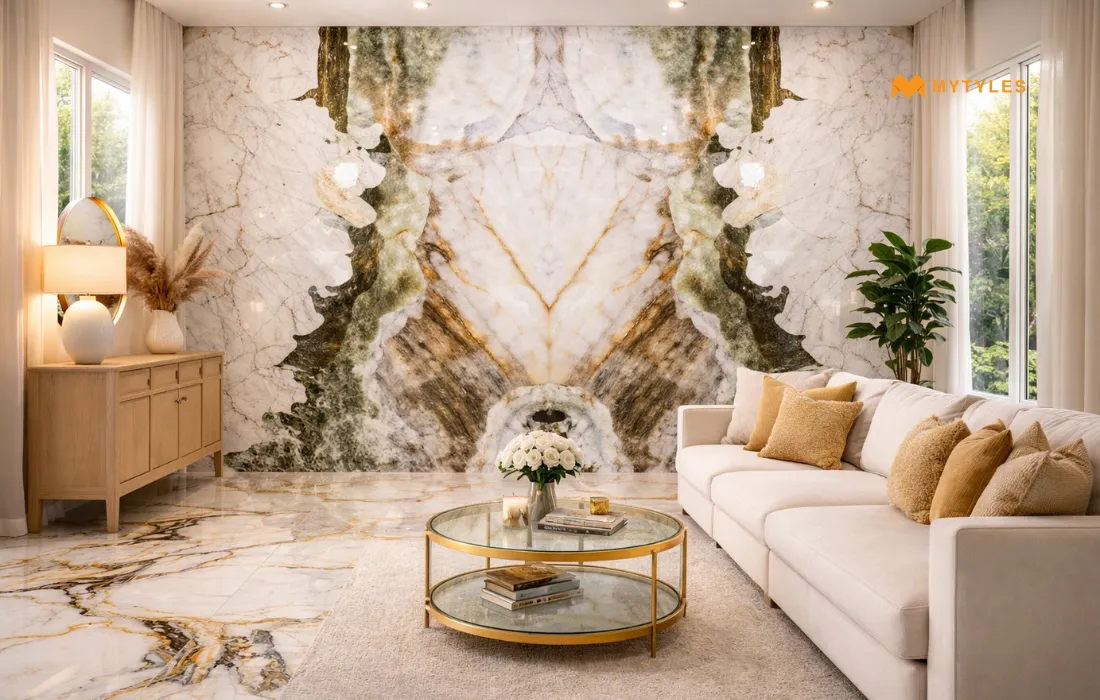
Modern homes don’t rely on one perfect tile anymore. They work with layers. Balance is the most notable feature of modern tile combinations. Everything does not have to be the same. As a matter of fact, the space may seem flat when everything looks the same. Designers have now been fond of combining finishes or colors in the same palette to ensure that things are together but lively. It’s less about perfection, more about flow.
Minimal Tile Combination Ideas
Minimal design isn’t about doing less. It’s about doing just enough. Start with one color family. Then play within it. Maybe your floor tiles are matte beige, while the walls carry a slightly warmer, smoother finish. It feels subtle, yet layered. That’s the trick. You don’t need bold patterns when texture can do the talking. Small spaces especially benefit from this approach. So, you must understand that too many contrasts may disrupt the flow and make the room look smaller. With the best tile combinations, keeping things connected allows the space to breathe a little easier.
Warm & Earthy Tile Pairings
Some spaces just feel good the moment you walk in. Warm, earthy tiles do that. Think soft browns, muted terracotta, dusty beiges. These tones don’t shout. They settle in quietly and make the room feel grounded. You could pair a warm-toned floor with neutral walls, then bring in a textured feature wall that adds just enough movement. It’s not dramatic. It’s comforting. And honestly, that’s what most homes need more of.
Bold Contrast Tile Combinations
Now, if you want your space to have a bit of attitude, contrast is your best friend. Dark floors with light walls. Or a neutral room with one bold feature wall. It creates instant depth. Your eye moves and the space feels more defined. Designers often use contrast to add dimension without cluttering the room with too many elements. But here’s the catch. Don’t go overboard. One strong contrast works. Too many, and the room starts arguing with itself.
Luxury Marble Tile Combinations
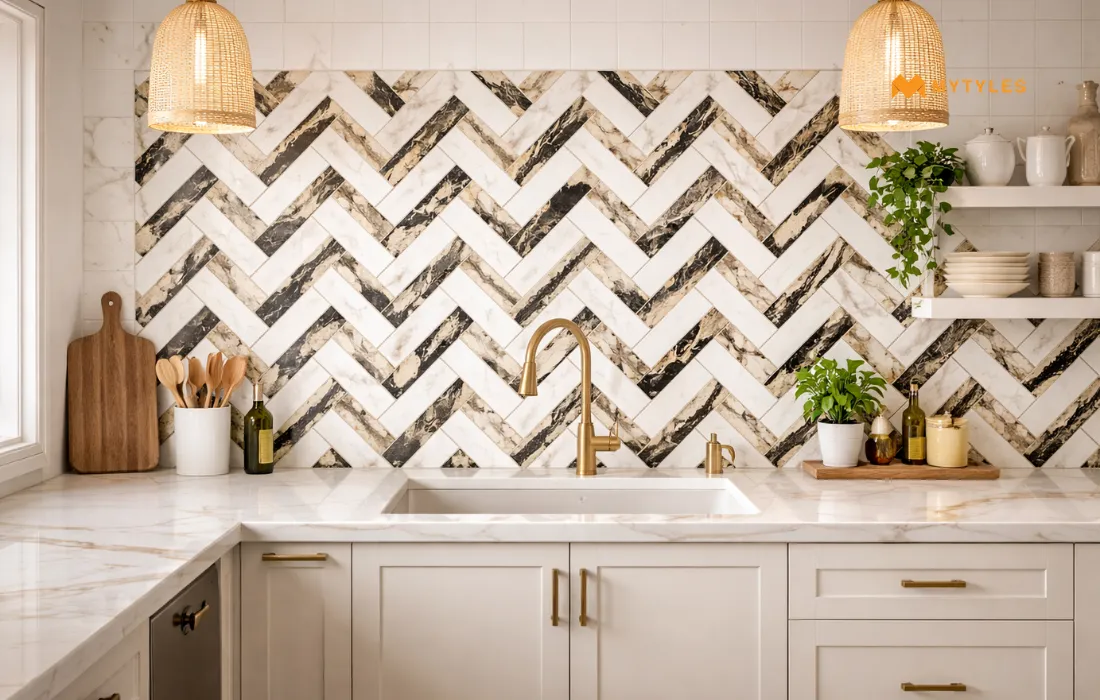
Marble has a presence. You don’t need much of it to make an impact. Use it on the floor, and let the walls stay calm. Or flip it and create a marble feature wall tile design that naturally draws attention. The veins already add movement, so piling on more patterns just feels unnecessary. The beauty of marble combinations lies in restraint. Let it breathe, and it does all the work for you.
Monochrome Tile Design Ideas
Monochrome isn’t boring. It’s disciplined. Instead of mixing colors, you explore shades. A soft grey floor with a slightly deeper grey wall. Maybe a glossy finish here, a matte finish there. It’s all in the detail. This kind of combination of wall and floor tiles feels clean and timeless because nothing fights for attention. Everything works together quietly, and that’s what makes it powerful.
Room-Wise Tile Combination Guide
Not every room should follow the same rulebook. A floor and wall tile combination that looks perfect in a living room might feel completely off in a bathroom. Light, usage, and even mood change how tiles behave. So instead of copying one idea everywhere, adjust based on how you actually use the space. That’s where good design starts to feel natural.
Living Room Tile Combinations
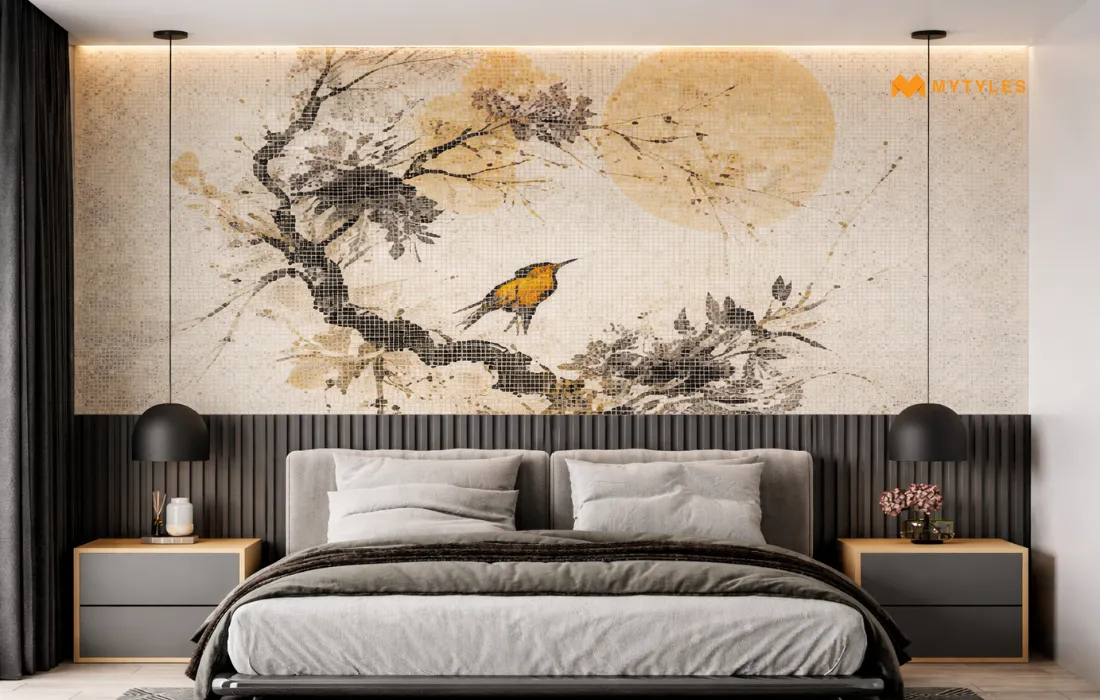
Your living room sets the tone for the whole home. It needs to feel open, yet not empty. Large-format floor tiles work well here. They reduce visual breaks and make the space feel bigger. Keep the wall tile combinations simple. Introduce a feature wall, slightly textured or beautifully patterned. That one surface adds personality without overwhelming the room. It’s a quiet balance. And when the best tile combination for the living room works, the whole space just clicks.
Bathroom Tile Combinations
You can be a little more experimental in bathrooms. Instead of matching wall and floor tiles, try creating zones. The floor and shower wall should be covered with one tile. The rest should be plain. Such overlay is interesting and contributes to the definition of various areas without altering the layout. In fact, it is common to combine tiles to provide more depth than tiles of the same type everywhere. It is more considerate and less foreseeable.
Kitchen Tile Combinations
Kitchens need to work hard. So your tile choices should too. Go for durable, neutral floor tiles that can handle daily wear. Then let your walls or backsplash bring in character. A simple subway tile, a soft pattern, or even a slight color shift can do the job. The goal here is balance. You want something that looks good today and still feels right years later.
Bedroom Tile Combinations
Bedrooms are different. They’re not meant to impress anyone. They’re meant to feel right. Stick to softer tones and warmer finishes. Maybe a non-shiny surface that does not reflect a lot of light. Maintain a low contrast with the best tile combination for the room to make the space look easy and relaxing. Sometimes, the best design is the one you barely notice.
Pro Tips For Perfect Tile Pairing
Choosing the right floor and wall tile combination is not by chance. It is the matter of making several wise decisions at the beginning and following them. Once you understand how tiles behave together, everything starts to feel a lot easier.
Start With The Floor First
Always pick your floor first. It’s the base, everything else follows. If you get that wrong, nothing else really saves it. Large format floor tiles usually make things easier since they keep the space looking clean and open.
Know What You Want The Space To Feel Like
Most people rush this part. Take time and think about how to choose tile combinations that actually fit your space. What works in a showroom might feel completely different at home.
Balance Contrast And Harmony
There’s always that question, "contrast vs matching tiles?" Truth is, both work. You just need to decide which one leads and which one supports. Too much of either can throw things off.
Be Intentional With Color
A good color combination for tiles doesn’t scream for attention. It settles in and ties everything together. Go with something that feels natural the first time you see it.
Add Depth With Texture
Sometimes a space looks flat even when colors are right. That’s where textured wall tiles help. They add depth without making things feel heavy or crowded.
Think About The Size Of Your Space
Tiles behave differently depending on where you use them. What works for tiles for small vs large rooms can completely change how open or tight a space feels.
Mix Finishes, Not Everything
Glossy vs matt tile combinations create a quiet contrast that feels refined. You don’t need more tiles. You just need smarter choices.
Keep It Simple, Then Explore
There are tons of modern tile combination ideas out there. Still, the best spaces usually stick to simple choices and get those right first.
The Right Tile Mix Makes All the Difference
Bringing together the best tile combinations for your floor, wall, and feature wall isn’t really about following rules. It’s more about how the space comes together and feels when you step in. When colors, textures, and finishes work in sync, the whole room starts to feel more balanced and lived-in. That’s what good tile design does, it adds depth without trying too hard. If you’re exploring floor and wall tile combinations that actually work in real homes, MyTyles makes the whole process feel a lot simpler. Get pan-India delivery, or visit the experience centre in Bengaluru to see real mockups, compare different tile combinations for floors and walls, and get inspired. With 10,000+ products and a 40,000 sq. ft showroom, you’ll find combinations that truly feel right.

What Is The Best Wall Tile Design Combination For Modern Homes?

The best wall tile design combination keeps things simple and connected. Start with a base tone, then add slight variation through texture or pattern. You don’t need too many styles. When everything relates visually, the space feels calm and intentional. Focus on balance first, then add small details that bring depth without making the room feel busy or overdone.
Why Should You Choose Elegant Wall Tiles For Living Room Spaces?
Elegant wall tiles for living room spaces help create a clean and welcoming vibe right away. Since walls take up so much visual space, the right tile makes a big difference. Soft textures or subtle patterns usually work best. They add character without overpowering the room, so your furniture and lighting still stand out naturally and the space feels easy to live in.
How Do You Pick The Right Wall Tile Combination For Home Interiors?
To choose the right wall tile combination for home, start by looking at your floor, furniture, and lighting. Don’t try to match everything exactly. Instead, pick tiles that feel related in tone or finish. When elements connect naturally, the space looks more put together. It avoids that disconnected look where every surface feels like it belongs to a different room.
When Should You Focus On Matching Wall Tiles With Floor Tiles?
Matching wall tiles with floor tiles works best when you want a seamless and spacious look. This approach is especially useful in smaller rooms. Instead of using identical tiles, go for similar tones or finishes. That way, the space feels connected without looking flat. You still get variation, yet everything flows in a natural and easy way.
Which Tile Combinations For Floor Work Best In Daily Use?
The most practical tile combinations for floors are simple and durable. Neutral shades with slight texture work really well because they hide wear and stay versatile over time. Pair them with lighter or softer walls to keep things balanced. This way, your floor handles daily use easily while still looking clean and relevant for years.
What Is The Best Tile Combination For Floors In Modern Spaces?
The best tile combination for a floor usually starts with a neutral base. Matte or stone-like finishes work especially well because they ground the space. Once your floor feels stable, you can experiment a bit with walls or feature areas. A strong floor should support the design, not compete with it or draw too much attention.
Who Should Focus On Choosing The Best Tile Combination For Wall Design?
Anyone designing a space should think carefully about the best tile combination for wall surfaces. Walls cover a large visual area, so they strongly affect how a room feels. Even small changes in tone or texture can shift the mood. Taking time here helps create a space that feels balanced, intentional, and easy to live in every day.

ABOUT THE AUTHOR
Aditi Bardhan
I'm Aditi Bardhan, a professional content writer with over five years of experience creating SEO-driven, research-backed content across multiple industries. I specialise deeply in the tile and surface materials industry, crafting high-converting content for homeowners, architects, interior designers, and trade professionals. My work is grounded in technical research, design understanding, and consumer behaviour insights, enabling me to simplify complex concepts, highlight material benefits, and help brands build authority in the tile and construction space.