ByBiren Agrawalla
Thu , Aug 20 , 2026
Read Time: 5 Min
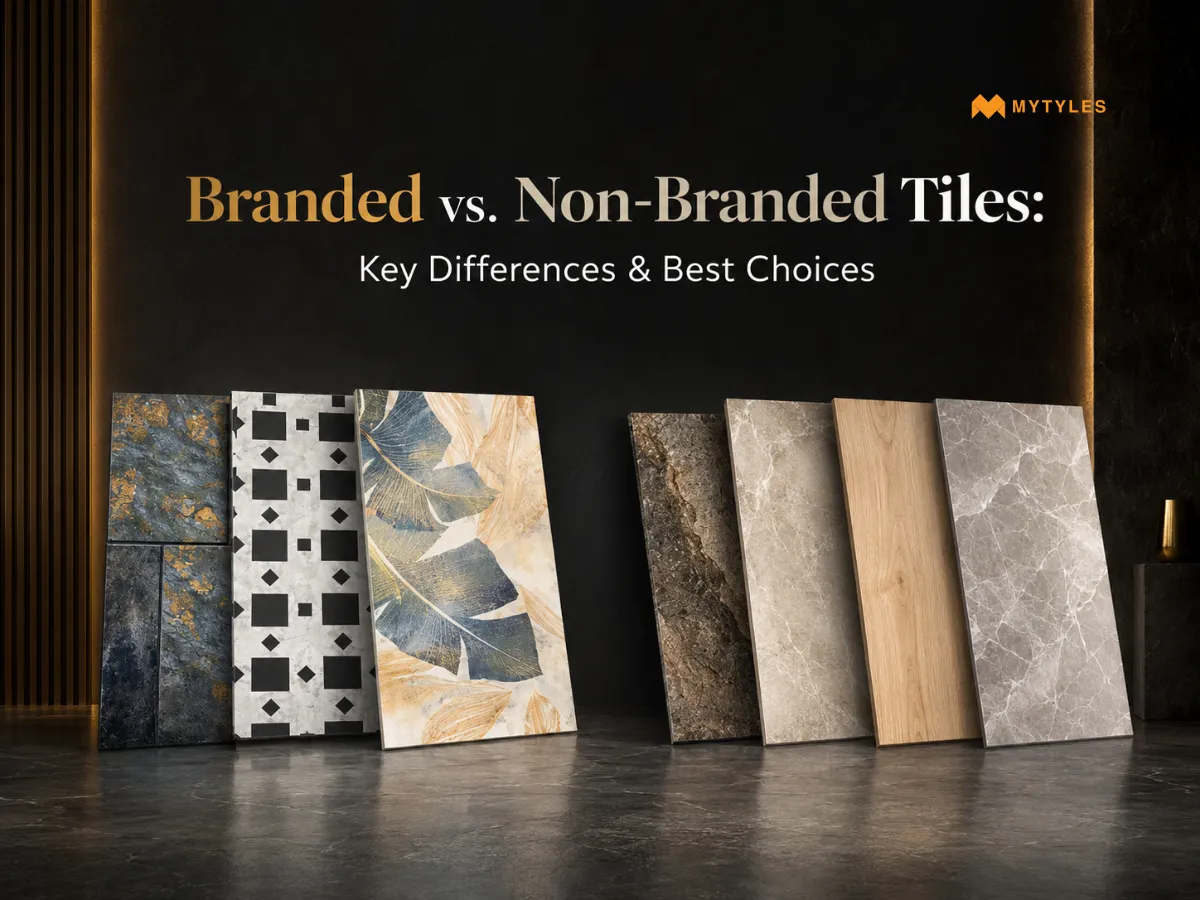
Building a home is an adventure that is both exciting and challenging. Many homeowners face challenges such as selecting the right materials, budgeting, and ensuring project timelines are on schedule. Selecting quality tiles can make a huge difference in tackling some of these challenges. Good-quality tiles give your house a stunning look while offering benefits like durability, slip, moisture and stain resistance, and the cost associated with maintenance. In the Indian market, the decision between local tiles vs branded tiles plays an important role in the construction process. In this blog, we elaborate on the differences between branded and non-branded tiles and provide insights to guide your selection process.
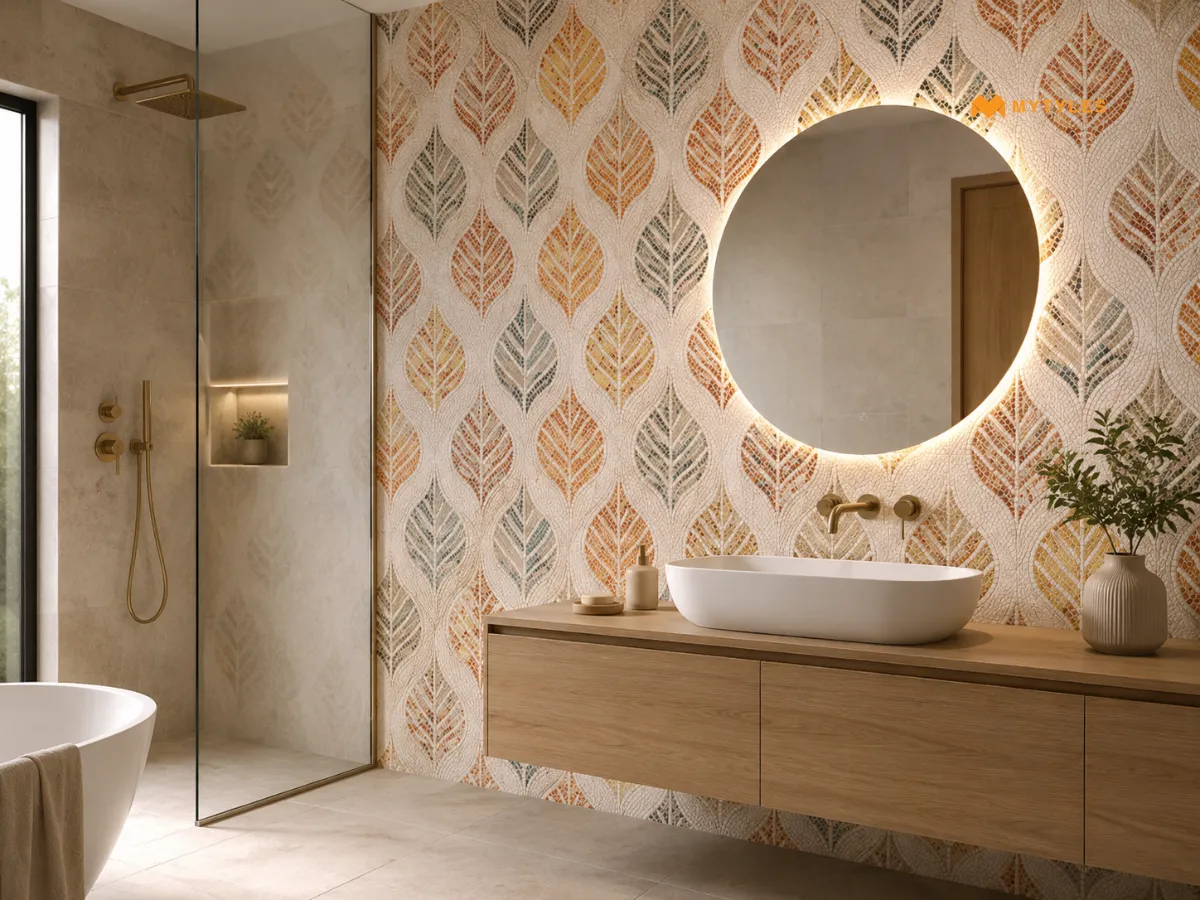
Branded tiles are products made by well-known companies that stand for quality and innovation. These tile brands invest in modern technology and ensure strict quality control to produce the best-quality tiles in accordance with industry standards. In India, the tile market has some of the big brands that come in a variety of designs, sizes, and finishes according to the choices of consumers. Brands producing tiles guarantee durability, aesthetic appeal, and assured after-sales service, which makes them a favourite for many home owners and builders.
Non-branded tiles are manufactured by small regional manufacturers. These local tiles are relatively cheaper than branded tiles. Therefore, they are a good choice for budget-conscious consumers. However, the tile quality of normal tiles is not uniform because the quality control measures are not as stringent as those followed in the case of branded tiles. This variability might lead to design, size, and finish inconsistency, which might affect the installation's overall look and durability. Non-branded tiles are generally cheaper, but their quality has to be analyzed carefully to make sure they satisfy the specific demands of your project.
Understanding the differences between these choices is important in making an informed decision. Below, we have broken down the key differences that are crucial when deciding between branded vs. non-branded tiles.
Parameters | Branded Tiles | Non-Branded Tiles |
Quality | Manufactured with stringent quality control, ensuring uniformity in size, color, and finish. | May exhibit inconsistencies due to less rigorous manufacturing processes. |
Durability | High durability owing to superior materials and technology, often lasting longer. | Durability can vary; may require earlier replacement. |
Design Options | Offers a wide array of designs, patterns, and finishes, catering to diverse aesthetic preferences. | Limited design variety due to constrained production capabilities. |
Price | Generally higher, reflecting quality and brand assurance. | More affordable, appealing to budget-conscious buyers. |
Availability | Widely available through extensive distribution networks, ensuring consistent stock. | Availability may be limited to specific regions, with potential stock shortages. |
Warranty | Often accompanied by warranties, providing assurance of quality and longevity. | Typically lack warranties, placing the risk on the buyer. |
After-Sales Service | Provides robust after-sales support, including assistance with installation and maintenance. | Limited or no after-sales service, leading to potential challenges post-purchase. |
Sustainability | The best brand of tiles adheres to environmental standards, offering eco-friendly options. | Sustainability practices vary; may not prioritize eco-friendly manufacturing. |
Certifications | Possess industry certifications, ensuring compliance with quality and safety standards. | Often lack formal certifications, making quality assurance challenging. |
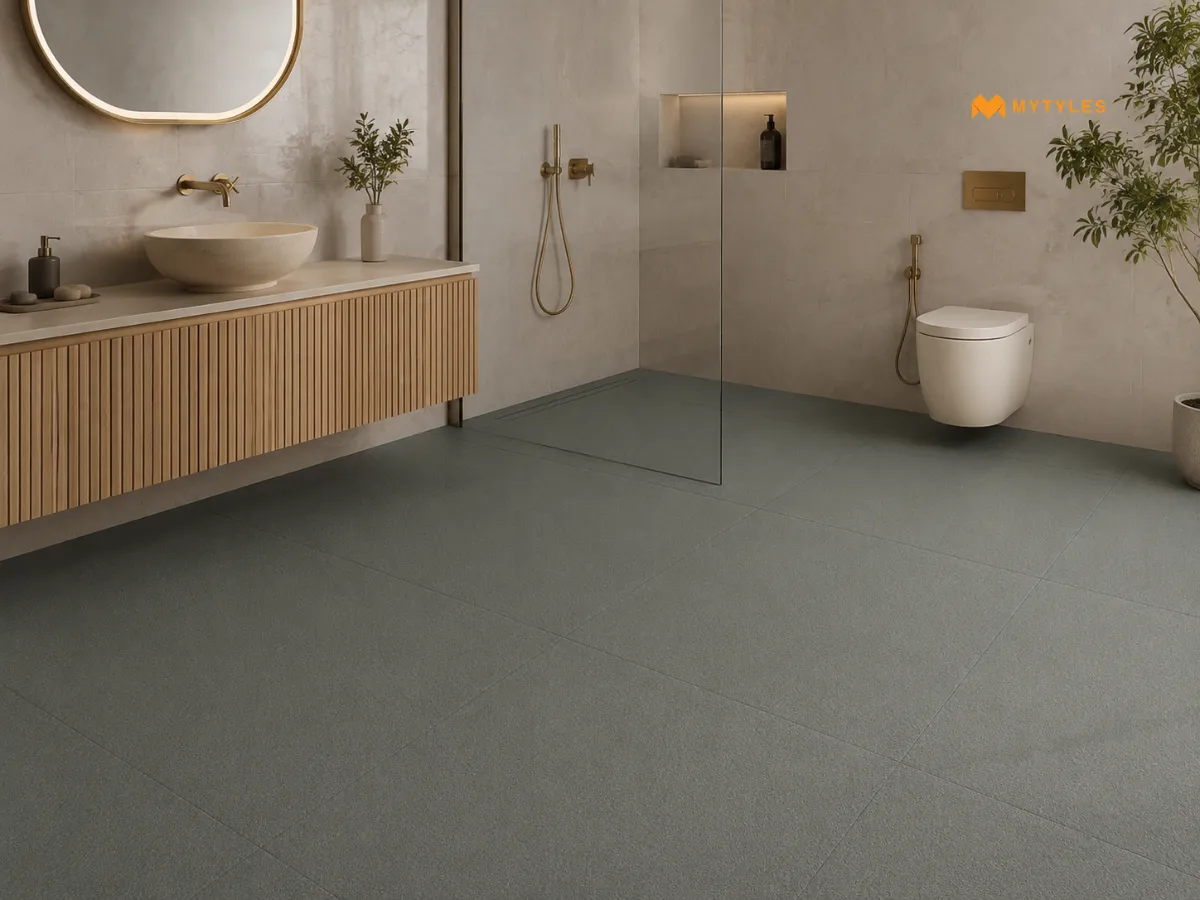
It completely depends on your individual preferences; however, choosing between local tiles vs branded tiles requires consideration of several factors beyond budget, longevity, and design preferences. Here are five additional aspects to guide your decision:
The choice of tiles in home construction or renovation is a very important decision that impacts aesthetics and functionality altogether. Branded tiles represent exclusive features such as consistent quality, innovative designs, and reliable after-sales support. For this reason, many homeowners opt for branded tiles. You can make a wise tile selection by doing a thorough analysis of pros and cons for your better option. We, at MyTyles, have a great collection of top-quality tiles to fit every style and budget. Discover our selection today and let us help you transform your living spaces with tiles that are both beautiful and resilient.
Branded tiles are sold under an established manufacturer or retailer identity, usually with documented collections, product codes, packaging, and technical information. Non-branded tiles may come from smaller or less identifiable suppliers and can vary in documentation. The label alone does not determine performance; buyers should compare specifications, samples, batch consistency, seller reliability, installation guidance, and after-sales support.
Tile quality should be judged through measurable factors such as dimensions, flatness, edge accuracy, water absorption, breaking strength, abrasion resistance, stain resistance, slip rating, shade variation, and recommended application. Branded manufacturers may provide these details more consistently, but individual products still differ. Non-branded tiles require closer inspection and reliable testing evidence before buyers can make a confident comparison.
Branded tiles may cost more because pricing can include design development, quality control, distribution, marketing, warranties, showrooms, and customer support. Non-branded options may have lower initial prices, but savings depend on actual quality and installation outcomes. Compare tile cost with wastage, sorting, labour, adhesive, grout, repairs, replacement availability, and maintenance rather than considering price per square foot alone.
Shade, calibre, thickness, and pattern alignment can vary between manufacturing batches for both branded and non-branded tiles. Established collections may offer clearer batch identification and more consistent sorting, but buyers must still inspect boxes and samples. Purchase enough matching material initially, retain spare tiles for repairs, and avoid combining different batches without checking their appearance together under actual lighting.
A branded tile may include clearer warranty terms, installation guidance, complaint procedures, and customer service channels. Coverage differs between manufacturers and usually depends on stated conditions, product use, and installation compliance. Non-branded sellers may offer limited or informal support. Buyers should request written invoices, product details, warranty exclusions, return conditions, and damage-reporting procedures before confirming an order.
Non-branded tiles may be considered when the supplier is reliable, samples meet project requirements, technical information is available, and the buyer can inspect sufficient pieces before purchase. They may suit budget-controlled or limited-area applications, but room conditions still matter. Avoid choosing solely on appearance or discount, particularly for wet, outdoor, high-traffic, or technically demanding installations.
Choose the tile that provides suitable technical performance, clear application guidance, acceptable design, reliable supply, and support within the project budget. Compare branded and non-branded samples side by side, check packaging and batch details, review test information, and inspect edges and surfaces. Prioritize installer experience and substrate preparation, because even a well-specified tile can fail after poor installation.
Aditi Bardhan
₹6,800.00 / Piece
₹145.00 / Sq.Ft
₹165.00 / Sq.Ft
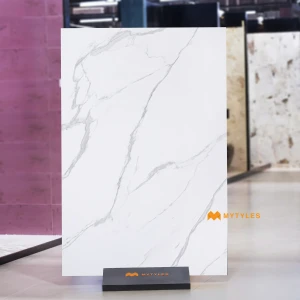
₹165.00 / Sq.Ft
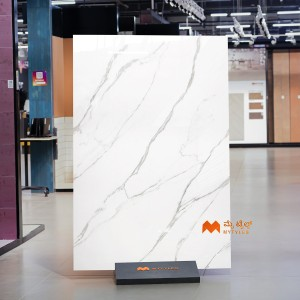
₹145.00 / Sq.Ft
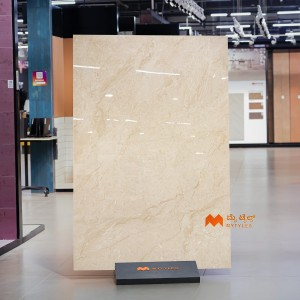
₹145.00 / Sq.Ft
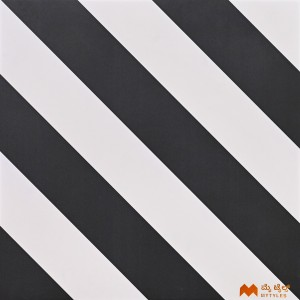
₹90.00 / Sq.Ft
₹90.00 / Sq.Ft
₹90.00 / Sq.Ft
₹90.00 / Sq.Ft
₹64.00 / Sq.Ft
₹95.00 / Sq.Ft
₹95.00 / Sq.Ft