ByNandana Priya
Wed , Nov 25 , 2026
Read Time: 5 Min

One broken tile in the middle of an otherwise good floor can leave you with quite a few questions. Will the tiles around it have to come out too? What if they get damaged during removal? And will you even find another tile that looks the same?
The good news is that floor tile replacement doesn't necessarily mean redoing the entire floor. The replacement can be limited to the broken tile, provided the tiles around it are firmly fixed and the base underneath is in good condition. The removal still needs care, though, as there's a chance of disturbing the neighbouring tiles. So, before you arrange for a repair or start removing anything, let's look at what you need to know.
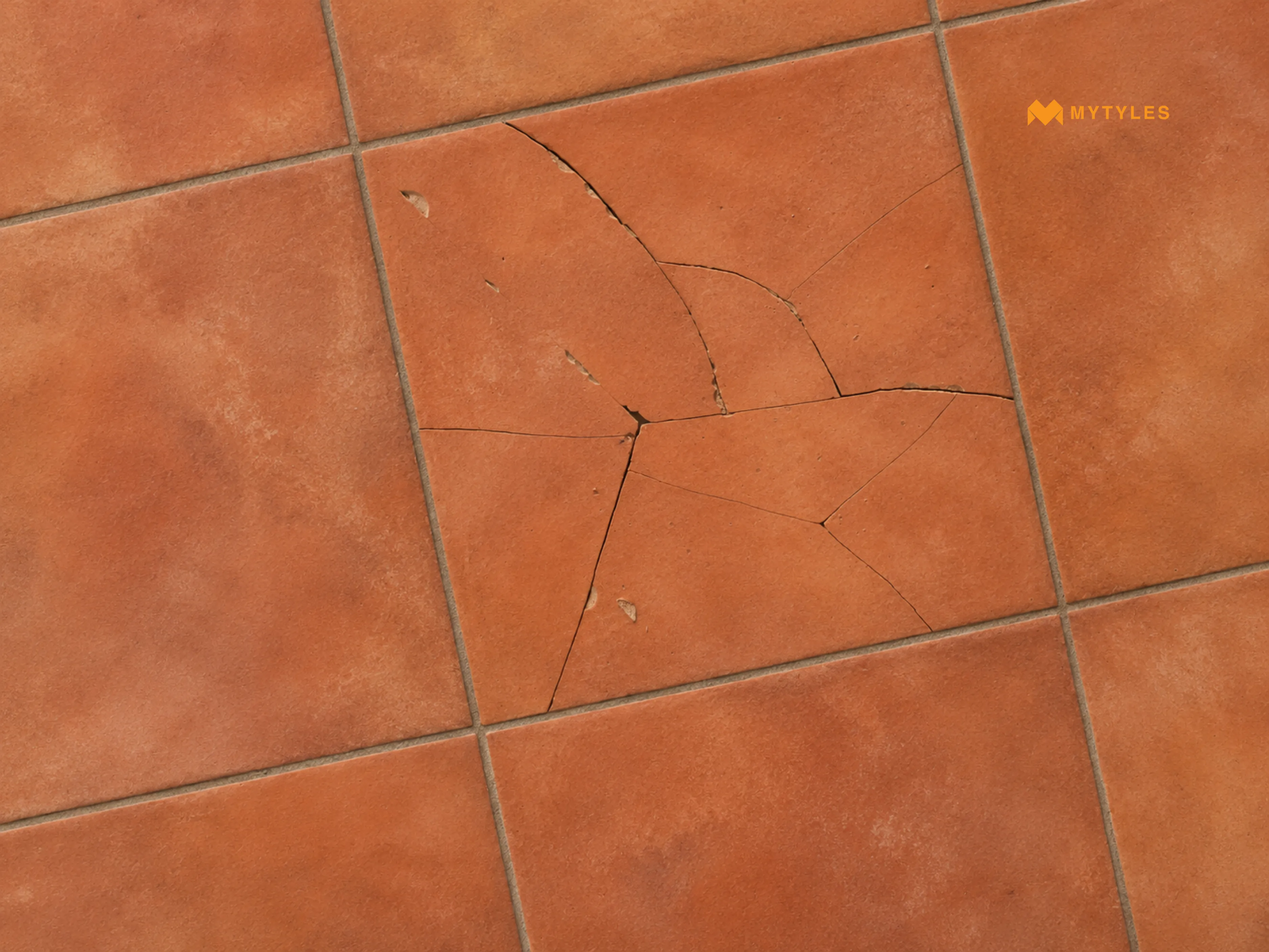
One broken tile doesn't necessarily mean the tiles around it have to come out too. What matters first is to find the cause of the cracked tile. Did something heavy fall on that particular tile? Or have you noticed cracks appearing without any obvious impact?
A tile damaged by a falling object may only need an individual replacement. However, if nearby tiles are also cracking or the broken tile feels loose, it's worth having the floor checked before proceeding with the repair.
Then comes the removal itself. The installer has to work within a small area, with the neighbouring tiles still in place. The grout around the broken tile is usually removed first. This is then followed by the removal of damaged pieces and old adhesive. There's still a risk of chipping an adjacent tile during this work.
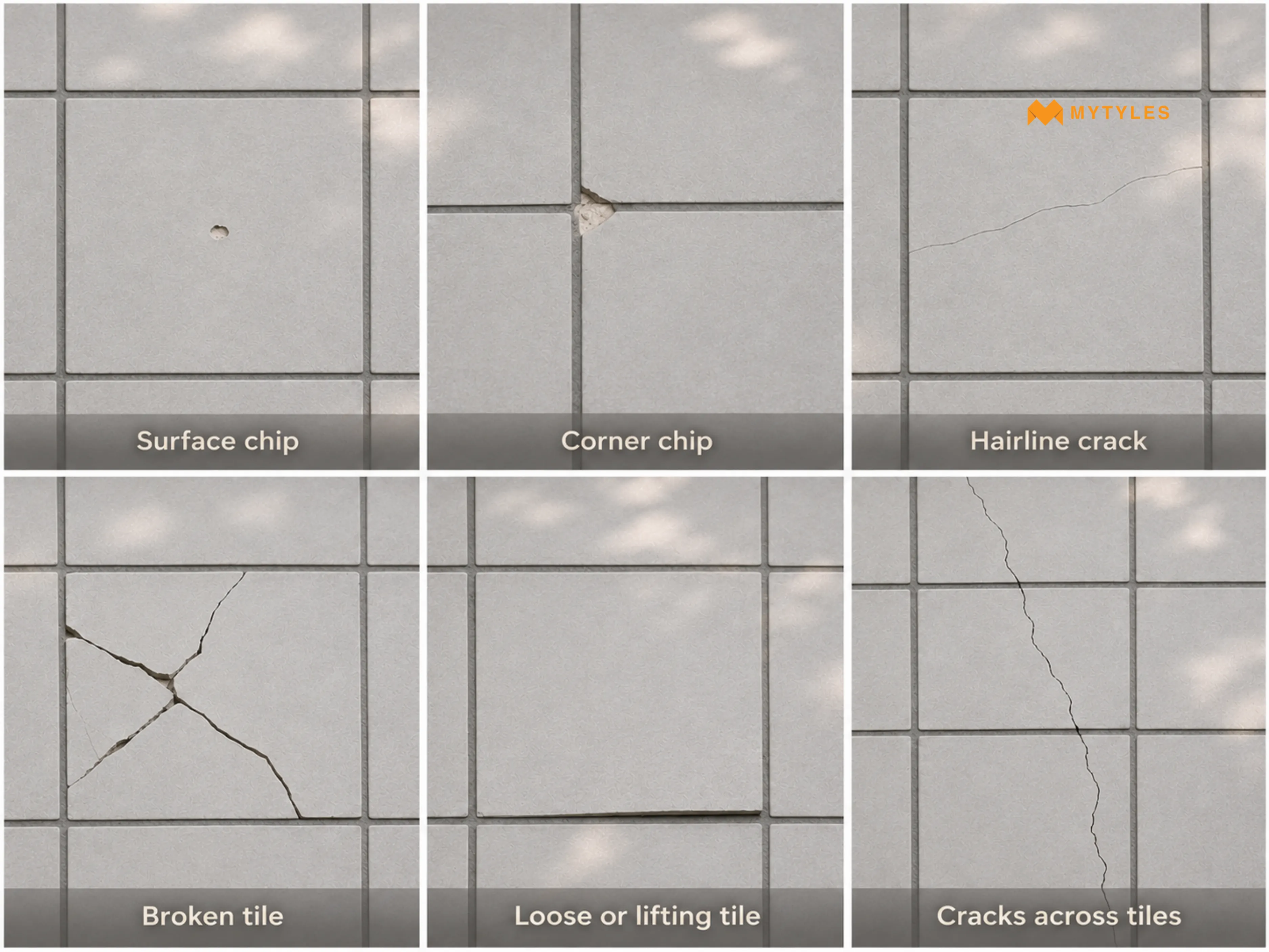
Not necessarily. A small chip on the corner of a tile is quite different from a crack running across its surface. Before deciding on a floor tile repair, take a closer look at the damage.
Type of Damage | What Might Be Happening | What to Do Next |
|---|---|---|
| A small surface chip | The damage may be limited to the tile's appearance. | A suitable repair filler may help with minor cosmetic damage, depending on the tile. |
| A hairline crack | It could be caused by an impact or movement beneath the tile. | Have the cause checked before deciding between repair and replacement. |
| A tile broken into pieces | The damage is more extensive than a surface chip. | Replacing the damaged tile is generally the more practical option. |
| A loose or lifting tile | The bond beneath the tile may have weakened. | Ask an installer to inspect the tile and the surface underneath. |
| Cracks across several tiles | The problem may extend beyond a single tile. | Investigate the underlying cause before replacing individual tiles. |
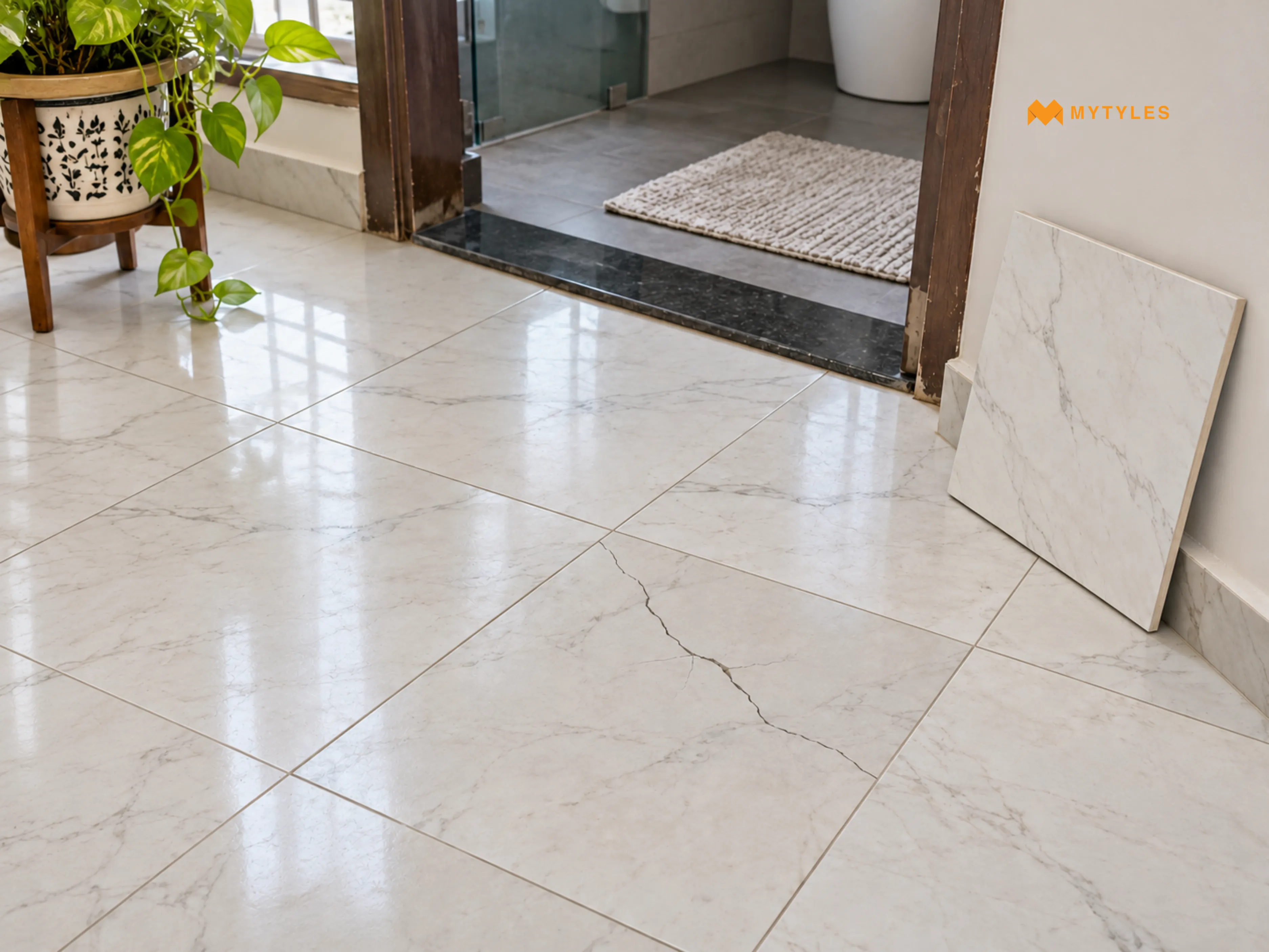
Before the damaged tile comes out, there are a few things worth looking at. You wouldn't want to begin the repair only to discover that the problem extends beyond that one tile.
Start with the tiles around it. Do any of them move slightly when stepped on? Are there cracks running through the grout joints? These signs may point to a problem that needs attention before the floor tile replacement begins.
Look for spare tiles; if you have some left from the original installation, check the size, colour, and finish. Finding matching replacement tiles can be difficult when the flooring is several years old, even if the same design is still available.
The location matters as well. A broken tile in a bathroom or another wet area may need closer inspection, particularly if water has reached beneath the flooring. Replacing the visible tile won't address any underlying moisture or waterproofing problems.
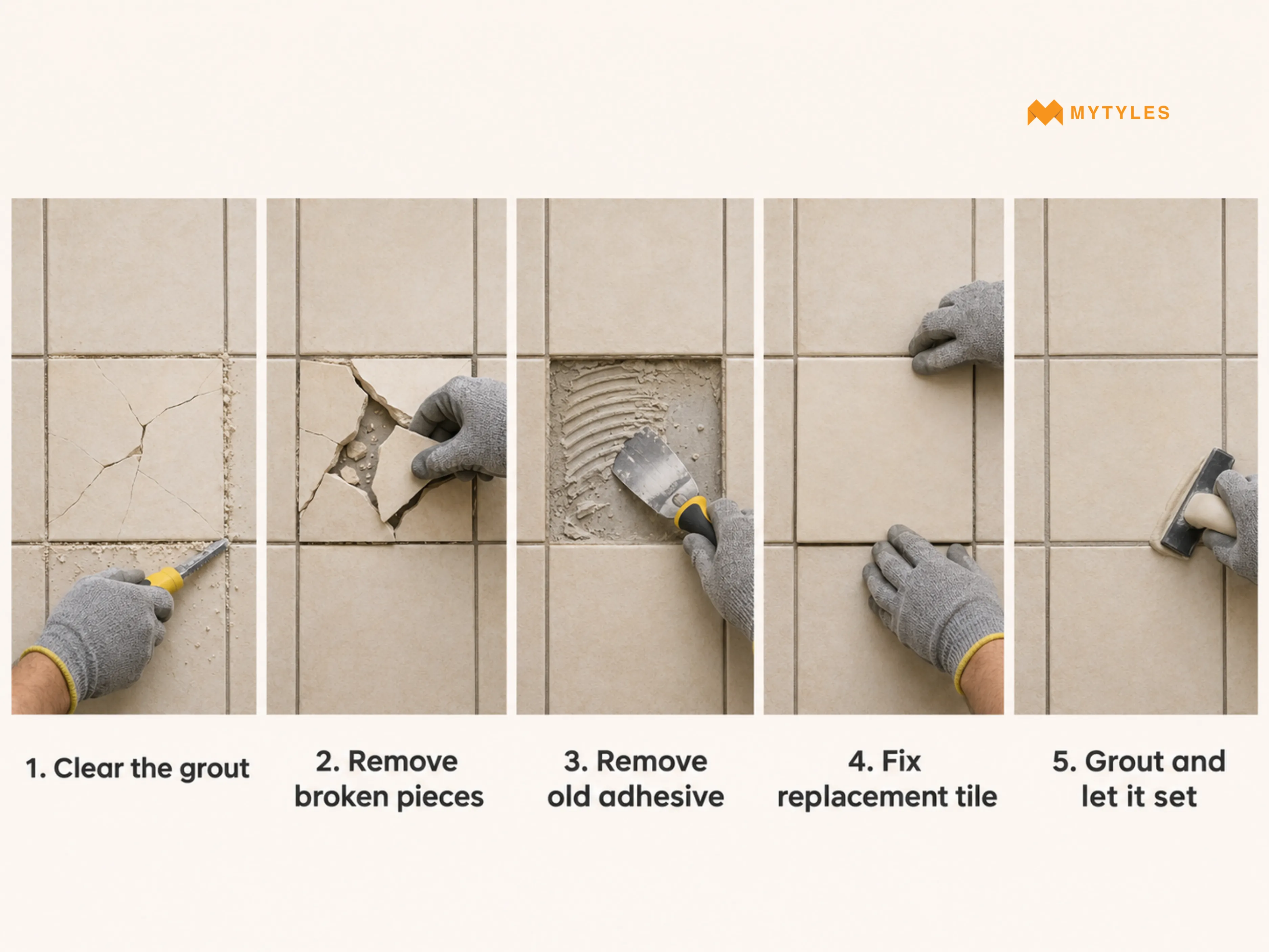
Taking out one broken tile can be tricky, especially when the rest of the flooring is still in good condition. The installer has to work within a small space without putting too much pressure on the neighbouring tiles.
Here's what single tile replacement involves.
Remove the grout around the broken tile. An installer may use a grout saw or another suitable tool to clear the joints and separate the damaged tile from its neighbours.
The tool needs to be handled carefully near the edges. Safety glasses and suitable dust protection are important during this work.
A firmly fixed tile may need to be broken into smaller pieces before removal. The installer generally works from the centre towards the edges, taking care not to chip the surrounding tiles.
Trying to force out a large piece could disturb the tiles beside it.
Once the damaged tile is removed, any remaining adhesive needs to be cleared as required to prepare an even, suitable surface for the replacement tile.
This is also the time to check the exposed base. Any cracks, loose material or moisture problems need attention before proceeding.
Does the replacement fit the gap left by the old tile? The installer checks this before fixing it down, leaving space around the edges for grout and beneath it for adhesive.
The tile adhesive is chosen to suit the tile and the base. As the tile goes into place, the installer checks that it sits at the same height as its neighbours.
Grouting can begin once the adhesive has cured enough, according to the manufacturer's instructions. The joints are filled, and excess tile grout is removed.
Avoid walking on the repaired area until the adhesive and grout have cured sufficiently.
The job may involve just one tile, but getting it out can be the hardest part. You need to remove it without disturbing the tiles beside it, prepare the base, and fit the replacement at the right height. Consider whether you have the tools and experience for those tasks before taking it on yourself.
If you're dealing with a loose tile, cracks spreading across the floor or damage in a wet area, consider calling a professional tiler. They can inspect what's underneath before deciding how to proceed with the floor tile repair.
Apart from purchasing the single replacement tile, you'll need to account for labour, adhesive and grout. Some installers also charge a minimum visit fee, even for a small repair.
If the installer finds damage beneath the tile during removal, additional surface preparation or repairs may be needed. This could affect the overall cost.
When requesting a quote, check whether it covers removing the broken tile, preparing the surface and fitting the replacement. It's also worth asking how long the repaired area will need to remain unused, particularly if it's in a frequently used part of the house.
A replacement may not blend in perfectly with a floor that has seen years of use. Even the grout colour around the new tile can look different from the older joints. Ask the installer what differences you might notice once the repair is finished, so you know what to expect.
Once the work is done, keep any spare tiles and a note of the product details. You may not need them again, but having them could save you another search if a tile gets damaged later. And if finding a replacement tile is where you're stuck, you can explore the collections at MyTyles or visit our Experience Centre to compare tile options.
Yes, replacing one floor tile is possible without removing the surrounding tiles, provided they are firmly fixed and the underlying surface is in suitable condition. However, there is still a risk of damaging neighbouring tiles during removal. Before proceeding with floor tile replacement, check whether the damage is limited to one tile or extends to the surrounding flooring.
If you're wondering how to replace a broken floor tile, the process generally begins with removing the grout around the damaged tile. The broken pieces and old adhesive are then carefully removed. Once the underlying surface has been inspected and prepared, a suitable replacement tile is fixed using the appropriate adhesive. Grouting follows after the adhesive has cured sufficiently.
Finding matching replacement tiles can be difficult when the original flooring is several years old. Start by checking for spare tiles from the previous installation or identifying the original product. Compare the size, colour, finish, and pattern before purchasing. Even tiles from the same collection may have differences in shade or calibre, so an exact visual match cannot always be guaranteed.
The cost of single tile replacement depends on the tile price, labour charges, adhesive, grout, and the condition of the underlying surface. Some installers may charge a minimum amount for visiting and completing a small repair. If additional damage is discovered during removal, the cost may increase. Request an estimate after the installer has assessed the affected area.
A cracked floor tile repair may be possible when the damage is minor and limited to the surface. Small chips may sometimes be treated using a suitable repair filler. However, a crack extending across the tile or damage caused by movement underneath may require further inspection. The repair method depends on the tile's condition and the reason for the damage.
It may be possible to replace a tile without damaging others, but the outcome cannot be guaranteed. Removing the surrounding grout and working carefully from the damaged tile's centre may help limit pressure on neighbouring tiles. The existing adhesive bond and condition of the floor also matter. A professional installer can assess the risks before starting the removal.
Replacing floor tiles individually may not resolve the problem if several tiles are cracking, lifting, or becoming loose. These signs can indicate issues with the underlying surface, adhesive bond, or movement within the floor assembly. In wet areas, moisture and waterproofing conditions may also need investigation. Have the cause assessed before deciding whether floor tile repair should extend beyond one tile.
Nandana Priya

22 Nov, 2026
Nabiya Naqvi

₹185.00 / Sq.Ft

₹115.00 / Sq.Ft
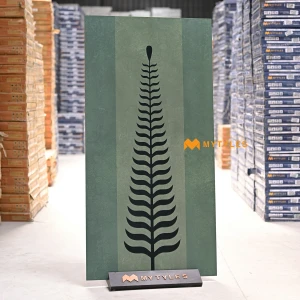
₹125.00 / Sq.Ft

₹95.00 / Sq.Ft

₹110.00 / Sq.Ft
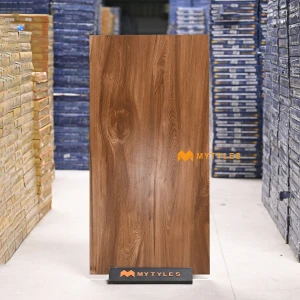
₹85.00 / Sq.Ft

₹90.00 / Sq.Ft

₹90.00 / Sq.Ft
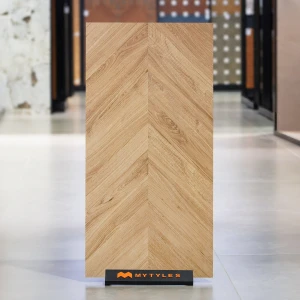
₹99.00 / Sq.Ft

₹104.00 / Sq.Ft
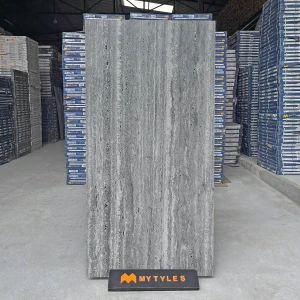
₹98.00 / Sq.Ft
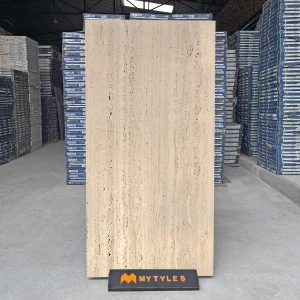
₹98.00 / Sq.Ft
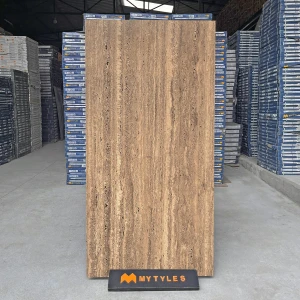
₹98.00 / Sq.Ft
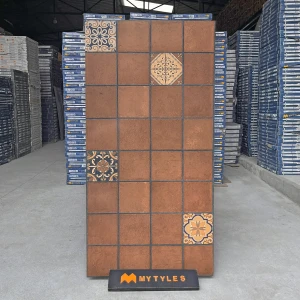
₹125.00 / Sq.Ft

₹98.00 / Sq.Ft

₹105.00 / Sq.Ft

₹125.00 / Sq.Ft
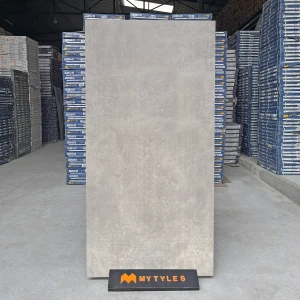
₹95.00 / Sq.Ft

₹140.00 / Sq.Ft
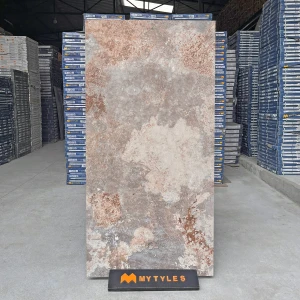
₹120.00 / Sq.Ft

₹120.00 / Sq.Ft
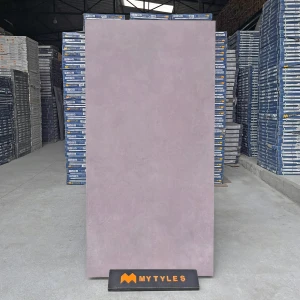
₹110.00 / Sq.Ft
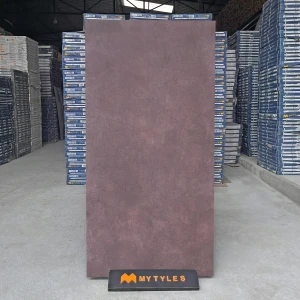
₹110.00 / Sq.Ft

₹120.00 / Sq.Ft

₹140.00 / Sq.Ft