Inspiration Gallery
Blog
Tile Calculator
08065423741



.svg)


Comparing Porcelain Tiles vs Vitrified Tiles: Which is Right for You?
ByBiren Agrawalla

Tue , Aug 18 , 2026

Read Time: 5 Min


 Copied!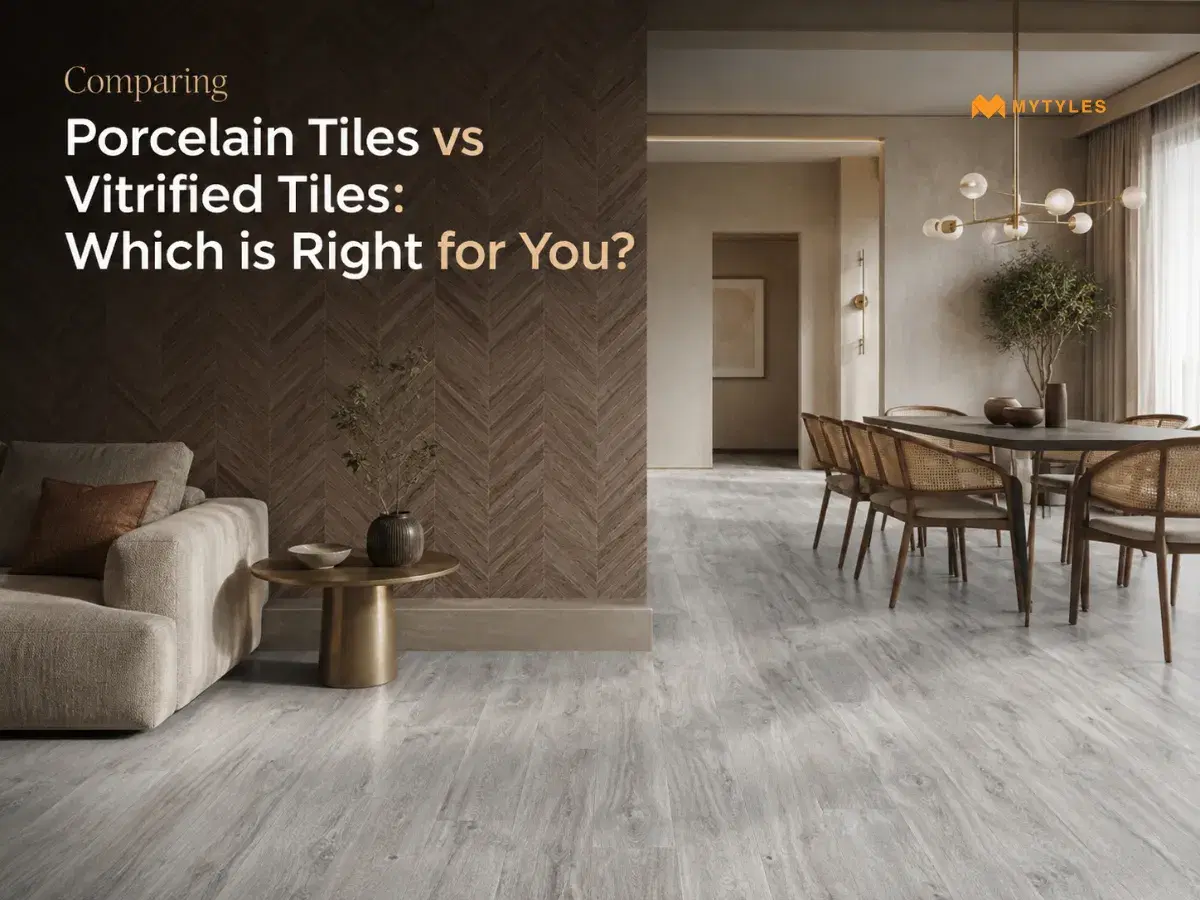
Choosing tiles is one of the most important decisions when designing or renovating your home. Tiles impact the look, durability, maintenance needs, and long-term comfort of every space. Among all tile options available today, porcelain tiles and vitrified tiles stand out as the top choices due to their strength, lasting performance, and design flexibility. Still, both terms are often used interchangeably, which creates confusion for many homeowners. This blog breaks it down in simple language so you can confidently pick the right tile for your home.
Understanding Porcelain and Vitrified Tiles
Porcelain and vitrified tiles are two advanced ceramic tile types known for strength, durability, and refined appearance. While both look similar, their composition and performance slightly differ, influencing where they work best. This subsection offers a quick breakdown to help you compare them easily before exploring their individual features in detail.
Composition and Properties of Porcelain Tiles
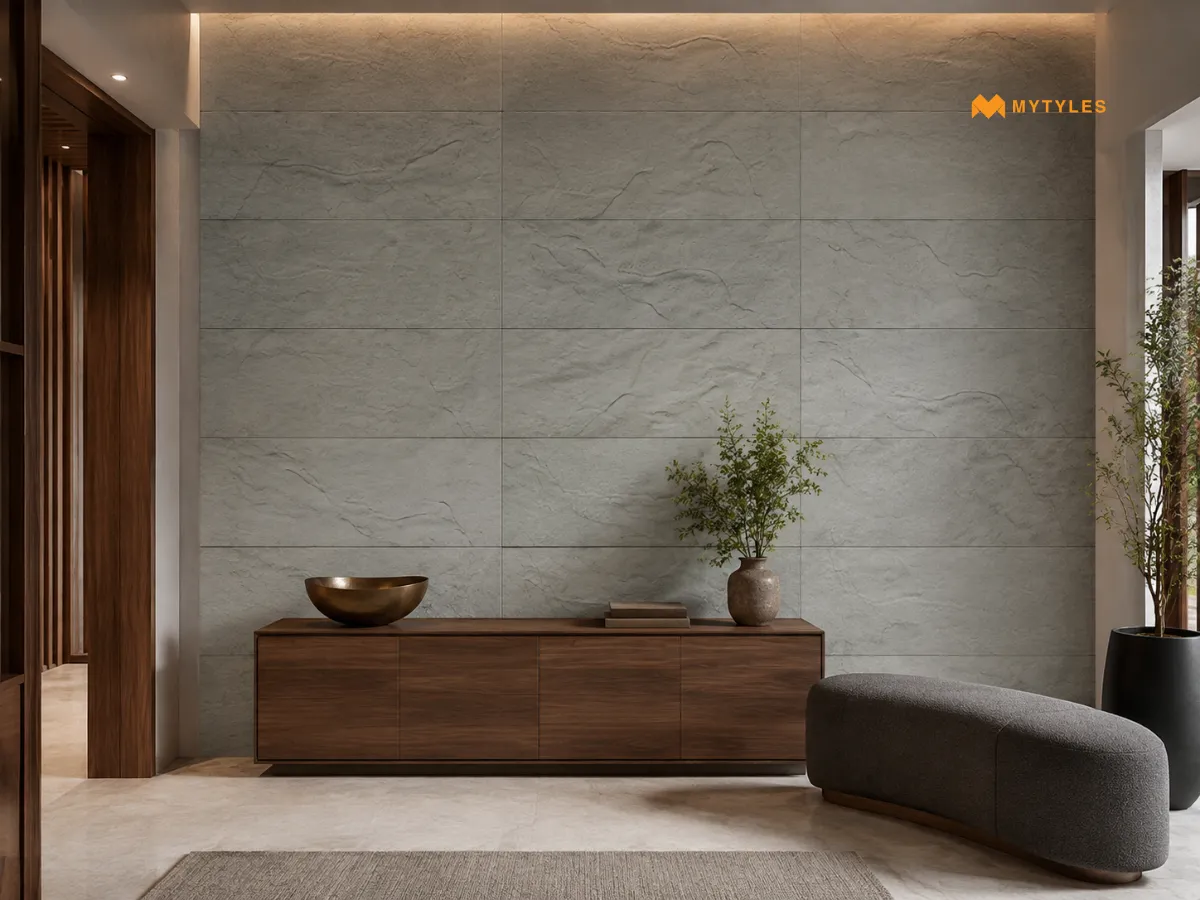
Porcelain tiles are crafted using refined clay, kaolin, quartz, feldspar, and other minerals fired at high temperatures to create a dense, tough body. Their composition results in extremely low water absorption (0.5% or less), making them suitable for humid or high-traffic areas. The blend of feldspar and quartz enhances hardness, scratch resistance, and long-term stability. This dense structure also contributes to consistent performance, premium finish options, and suitability for both floors and walls in modern homes and commercial spaces.
Composition and Properties of Vitrified Tiles
Vitrified tiles are produced using clay, silica, and other minerals that melt during firing to form a glass-like, non-porous surface. This vitrification creates excellent resistance to stains, scratches, and moisture, making them ideal for heavy-use areas. Their uniform structure ensures long-lasting performance and minimal maintenance. Glazed vitrified variants offer added protection and visual appeal, especially in humid spaces. The low porosity also gives these tiles strong durability compared with materials like terracotta or natural stone, making them reliable for indoor and outdoor applications.
Manufacturing Processes: Porcelain vs Vitrified Tiles
Porcelain and vitrified tiles may look similar, but their production methods shape their final performance. Porcelain tiles use a dry-press technique, while vitrified tiles rely on hydraulic pressing. Here’s a quick breakdown of how each is made.
Porcelain Tile Manufacturing
Porcelain tiles are produced using the dry-press method, where refined clay, quartz, feldspar, and other minerals are powdered and compressed under extremely high pressure. This creates a dense, uniform tile body with very low water absorption. The controlled pressing makes sure that the edges are straight, the strength is even, and the surface is smooth and ready for glazing or digital printing. Once shaped, the tiles are fired at high temperatures to achieve durability and stability. This process allows porcelain tiles to offer detailed designs and reliable performance in both homes and commercial spaces.
Vitrified Tile Manufacturing
Vitrified tiles are manufactured by hydraulically pressing a mixture of clay, silica, quartz, and feldspar into moulds to create a strong, evenly structured tile body. After shaping, the tiles are fired at high temperatures, allowing minerals to melt and form a glass-like layer that reduces porosity. This vitrification enhances strength, stain resistance, and longevity. Some variants, like soluble-salt vitrified tiles, receive colour penetration before firing for richer patterns. The process results in durable, low-maintenance tiles suited for busy indoor and outdoor areas.
Comparing Types and Finishes
When considering the option of porcelain and vitrified tiles, taking into account your choice for final finished look should help you decide which is ideal for your area. Both offer a range of types as well as finishes to meet different personal requirements and desires. Examples include glazed or unglazed tiles with matte or polished results. Thus, one can easily find the perfect tile that suits their design preferences perfectly!
Types of Porcelain Tiles
Porcelain tiles come in glazed and unglazed versions. Glazed tiles feature a fired glass coating that adds colour and pattern options. Unglazed tiles have a denser, more slip-resistant surface without any coating. Both options serve different needs, making porcelain suitable for varied residential and commercial applications.
Types of Vitrified Tiles
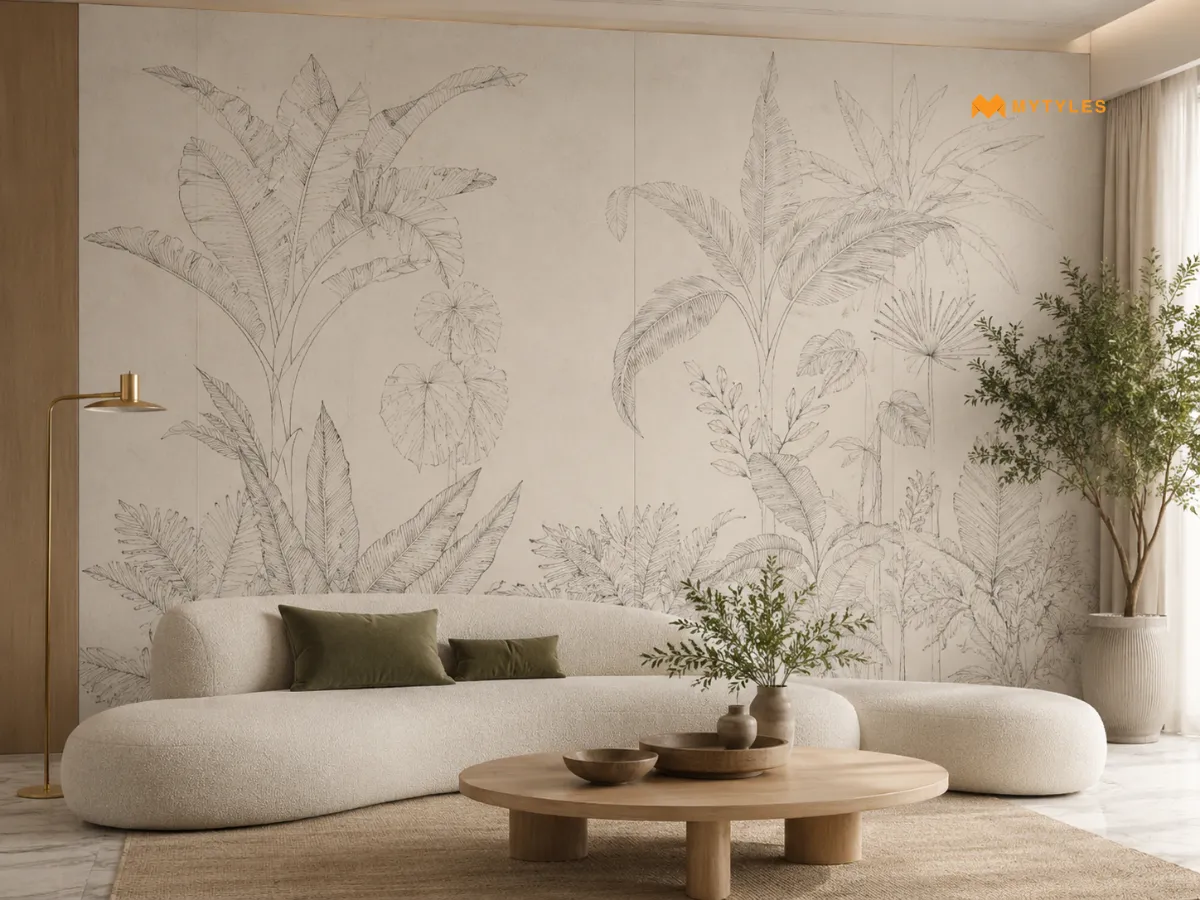
Vitrified tiles come in four key varieties: soluble salt, full-body, double charge, and glazed. Soluble salt tiles suit homes due to their stain resistance and clean finish. Full-body and double-charge tiles feature thicker colour layers that improve durability in high-traffic spaces. Glazed vitrified tiles add design versatility with protective coatings that resist scratches, fading, and stains. These options offer long-lasting performance, making vitrified tiles suitable for both residential and commercial applications.
Available Finishes
When considering finishes, both porcelain and vitrified tiles come with several options, like matte, textured, glossy, or satin. To achieve a polished finish on the latter type of tile material requires each one to go through graded polishing wheels that grind and buff it until its surface is smooth yet glossy in texture. If you’re looking for an even brighter shine, then opting for glazing may be your best bet, as this will give them a mirror-like luster reminiscent of glass, making all types of tile suitable no matter what aesthetic preference or functional requirement you have. Textured tiles have a surface with a tactile feel and a three-dimensional appearance giving depth and aesthetic appeal to the area in which they are used. Porcelain still remains ever popular due to how durable they are when properly maintained with regular cleaning routines
Cost and Installation Considerations
When it comes to cost and installation, porcelain and vitrified tiles must be closely examined. Vitrified tiles are typically more expensive due to the materials used in production as well as longer firing times. Porcelain tiles require lighter adhesives when installing, whereas vitrified tiles needs stronger adhesive solutions and precise grouting techniques during the setup process. Both types of tiles might have cement staining issues during installation. Examining these considerations in depth can provide a better understanding of which type works best for your specific situation before making a decision between porcelain vs vitrified tile options available today.
Cost Comparison
The cost of porcelain tiles per square foot can differ based on quality, size and thickness, design pattern, brand and the area from which they are purchased. On average, in India, these can range between Rs 18 to Rs 350 per square feet, depending on the type of tile and the brand of the tile purchased. Vitrified tiles tend to be cheaper than their counterparts due to the easier assembly process in manufacturing. Ranging from Rs 60/sq ft up till Rs 300/sq ft depending upon quality and make available.
Room-Wise Recommendations
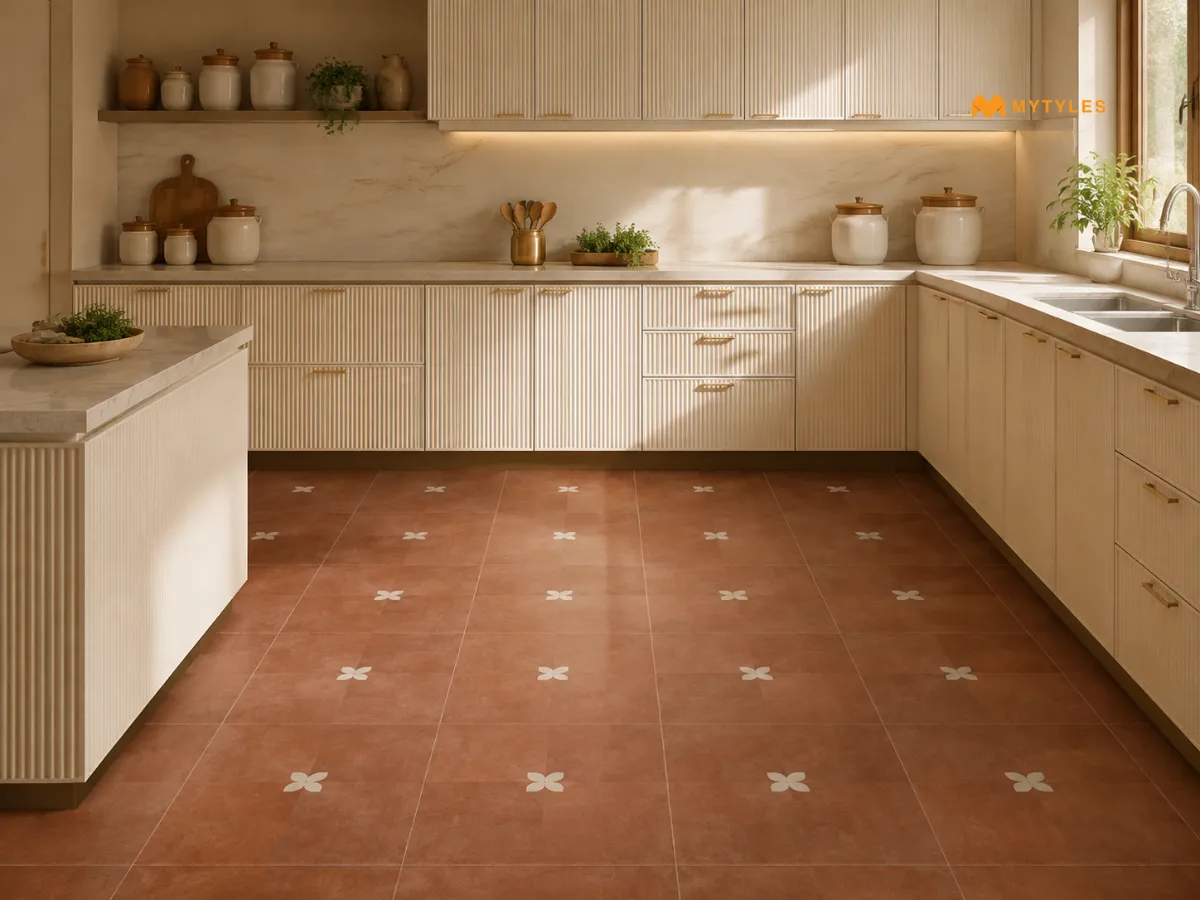
Here’s a quick guide to choosing the right tile based on your space:
- Living Room: Both porcelain and vitrified tiles work well, but porcelain tiles offer richer designs and more depth, making them ideal for stylish living spaces.
- Bedroom: Choose porcelain tiles for a soft, premium feel or vitrified tiles for a clean, modern look at a lower cost.
- Kitchen: Porcelain tiles perform better due to their stain and scratch resistance.
- Bathroom: Porcelain tiles win here due to superior water resistance and anti-skid options.
- Balcony & Outdoor: Full-body vitrified tiles are excellent. Porcelain tiles are equally good but costlier.
- Commercial Spaces: Double-charge vitrified tiles offer unbeatable durability at a balanced price.
When to Choose Porcelain Tiles?
Go for porcelain tiles if you want:
- Highly detailed, natural-looking designs
- Tiles for bathrooms, balconies, or outdoor spaces
- Long lifespan with minimal fading
- Strong, dense tile structure
- A premium finish for modern homes
When to Choose Vitrified Tiles?
Choose vitrified tiles if you need:
- Budget-friendly flooring options
- Tiles for large areas like living rooms, hallways, or commercial floors
- Strong full-body or double-charge tiles
- Easy and fast installation
- Consistent quality across many boxes
Which Tile Is Right for You?
Both porcelain and vitrified tiles are excellent choices for modern Indian homes. If you value superior design clarity, moisture resistance, and long-term durability, porcelain tiles are the better pick. On the other hand, if you want versatility, affordability, and strength for large spaces, vitrified tiles offer huge value. The key is understanding your space, traffic levels, and preferred style before making the final call.
Making the Right Tile Choice for Your Space
Porcelain tiles and vitrified tiles both deliver impressive performance, long-term durability, and design versatility. Your final choice depends on what matters most, moisture resistance, detailed finishes, installation ease, or budget flexibility. If you want premium visuals with exceptional density and low water absorption, porcelain tiles stand out. For large areas, cost savings, and consistent strength, vitrified tiles offer excellent value without compromise. Still unsure what fits your home best? Explore high-quality porcelain and vitrified tiles handpicked for every room at MyTyles. Discover durable options, modern designs, and reliable nationwide delivery, all in one place.

What Is the Main Difference Between Porcelain and Vitrified Tiles?

Porcelain tiles are dense ceramic tiles made from refined clay and fired at high temperatures. Vitrified tiles are produced using clay, silica, feldspar, and minerals that fuse into a glass-like body. The terms may overlap in some markets, so homeowners should compare technical specifications, water absorption, strength, finish, and intended application instead of relying only on product labels.
Which Tile Type Is More Durable for Indian Homes?
Both porcelain and vitrified tiles can provide excellent durability for Indian homes when properly selected and installed. Porcelain performs well in demanding indoor or outdoor areas, while full-body vitrified tiles can hide minor chips better because their color continues through the body. Actual performance depends on thickness, breaking strength, abrasion rating, substrate preparation, adhesive coverage, and installation quality.
Which Tile Handles Water and Moisture Better?
Porcelain and vitrified tiles generally have low water absorption, making suitable products practical for kitchens, bathrooms, utility rooms, and balconies. However, low absorption does not automatically make every tile safe for wet floors or outdoor use. Buyers must also check slip resistance, surface texture, weather ratings, grout, waterproofing, and manufacturer approval for the exact installation area.
Which Tile Offers Better Designs and Finishes?
Vitrified tiles, especially GVT and PGVT, offer extensive marble, wood, stone, concrete, and decorative designs in matt, polished, and textured finishes. Porcelain tiles also provide diverse colors and realistic patterns, including through-body and glazed options. Selection should depend on room style, grip, cleaning requirements, and color variation rather than assuming one category always offers better aesthetics.
Where Should Porcelain and Vitrified Tiles Be Used?
Choose exterior-rated, textured porcelain for exposed balconies, terraces, or outdoor passages when its weather and slip ratings are suitable. Vitrified tiles work beautifully in living rooms, bedrooms, kitchens, and commercial-style home areas, with anti-skid versions available for wet spaces. The correct choice is determined by product specifications, since both categories contain tiles designed for different conditions.
Which Is More Affordable: Porcelain or Vitrified Tiles?
Prices for porcelain and vitrified tiles vary according to size, thickness, finish, design technology, brand, and performance rating. Standard vitrified collections may be economical for large indoor floors, while specialised porcelain can cost more for outdoor or heavy-duty use. Compare the complete expense, including wastage, adhesive, grout, labour, substrate preparation, maintenance, and future replacement tiles.
What Should Buyers Check Before Choosing Either Tile?
Before deciding, check water absorption, breaking strength, abrasion resistance, slip rating, finish, dimensions, thickness, shade variation, edge quality, and recommended location. Inspect several samples under actual lighting and verify the batch number. Order extra material for cuts and repairs, and choose an installer experienced with the selected tile format, adhesive system, joint width, and substrate requirements.

ABOUT THE AUTHOR
Biren Agrawalla
Biren Agrawalla is the Founder of MyTyles, driven by a passion for making tile buying simpler, smarter, and more customer-friendly. With a background in technology and a strong interest in how homes are designed, he built MyTyles to bridge the gap between traditional tile retail and modern customer needs. Biren focuses on understanding what people truly look for when creating their spaces, from practical choices to design inspiration. His work is centred on building thoughtful online solutions that help homeowners discover the right tiles with more confidence, convenience, and clarity.
Latest Blogs By MyTyles