ByNabiya Naqvi
Thu , Aug 20 , 2026
Read Time: 5 Min
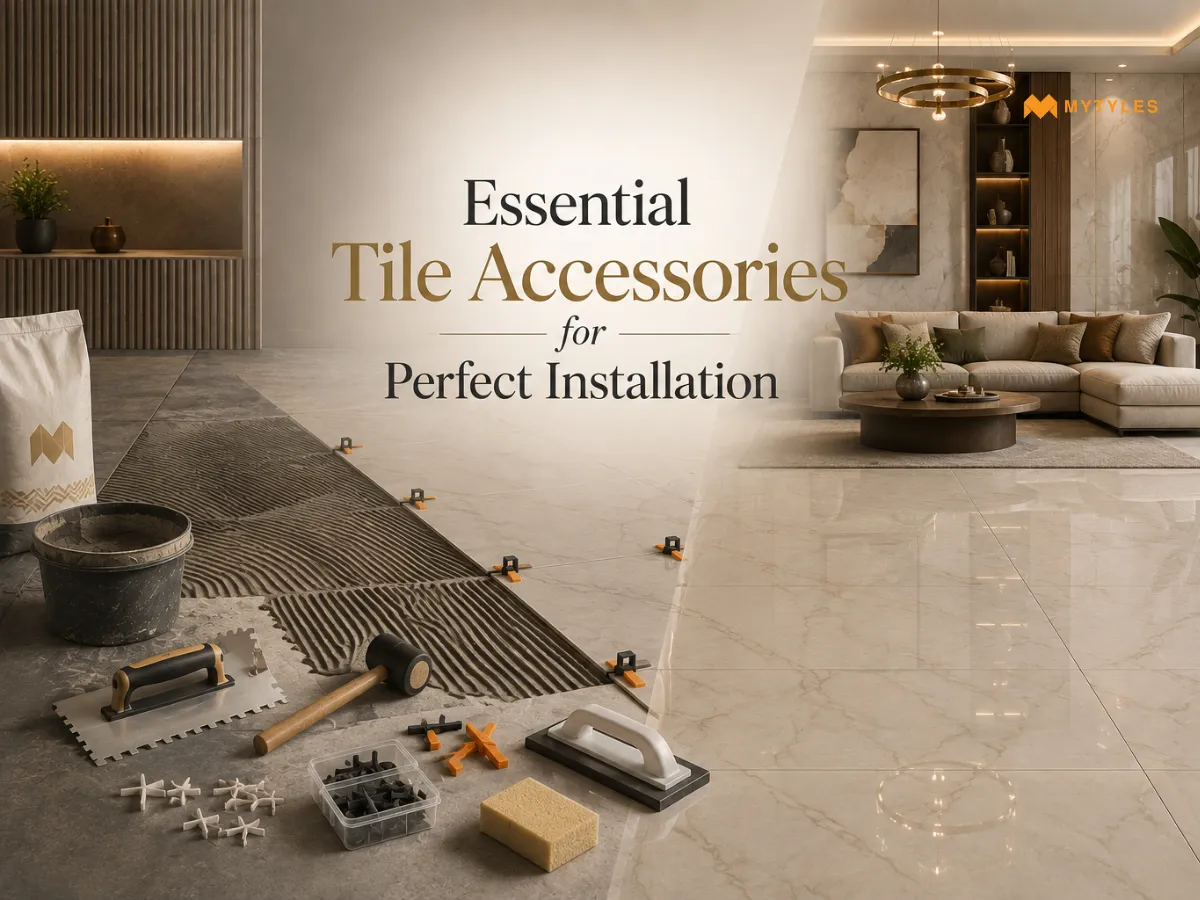
A tiled floor can look perfect in the showroom and still go wrong on installation day. Edges chip, grout lines wander, and tiles sit unevenly against each other. The right tile accessories quietly hold an entire installation together, and skipping them is usually where things start to go wrong. Sometimes it shows up immediately, while at other times it may take a few months of daily use before becoming apparent. Most of these accessories cost very little compared to the tile itself. Yet the right tile accessories play an important part in how finished the surface looks and how the installation performs over time. Alongside other factors like tile quality and installation method. Here is a practical look at the accessories that make a real difference.
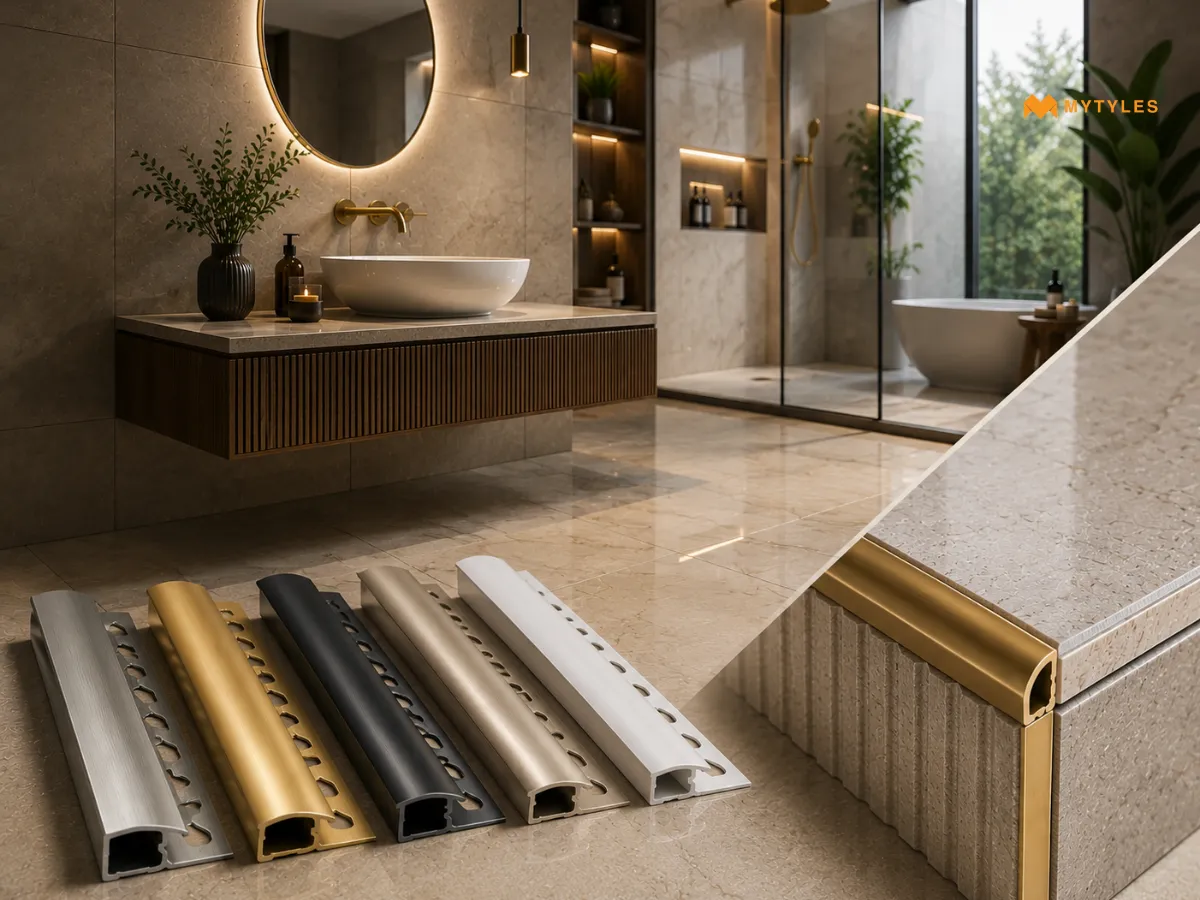
Beading runs along exposed tile edges and corners, mostly in spots where the tile would otherwise end abruptly against a wall, window, or open ledge. It covers that raw edge cleanly and adds a finished boundary to the surface. Aluminium, stainless steel, brass, and PVC are the common material choices in tile beading. The right one usually depends on the room and how much moisture that edge deals with. A bathroom edge, for instance, calls for something that handles constant humidity, while a living room accent wall has more room to prioritise looks over resistance.
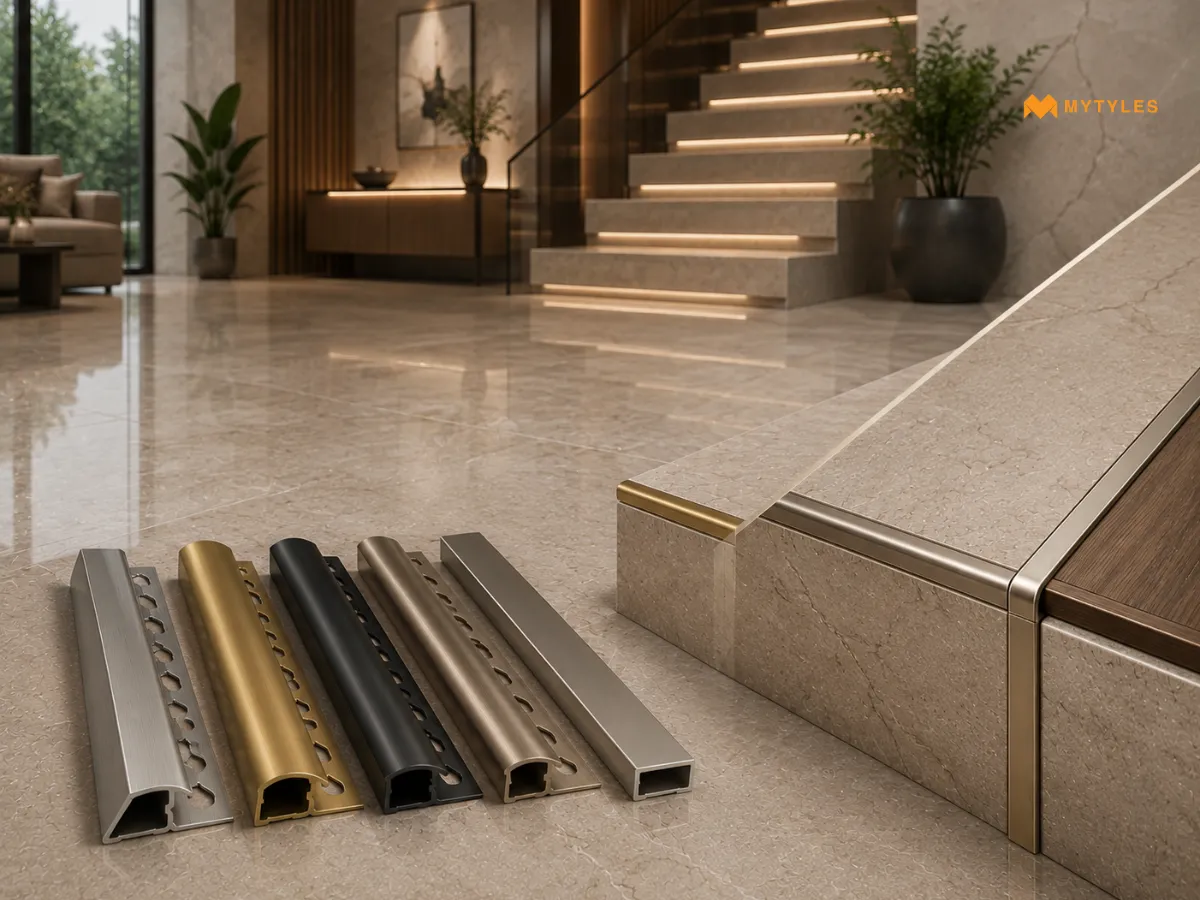
Tile trim includes a range of finishing profiles. Tile beading is one of the most common types used for exposed edges and corners. Other tile trims tend to show up at transitions, where one tile type meets another, or where flooring changes from tile to wood or carpet. Step nosing, a common trim profile, gets used heavily on staircases since it follows the curve of the step edge. Getting the profile right matters more than people expect, since a mismatched trim can leave a visible, uneven seam that draws the eye exactly where you do not want it.
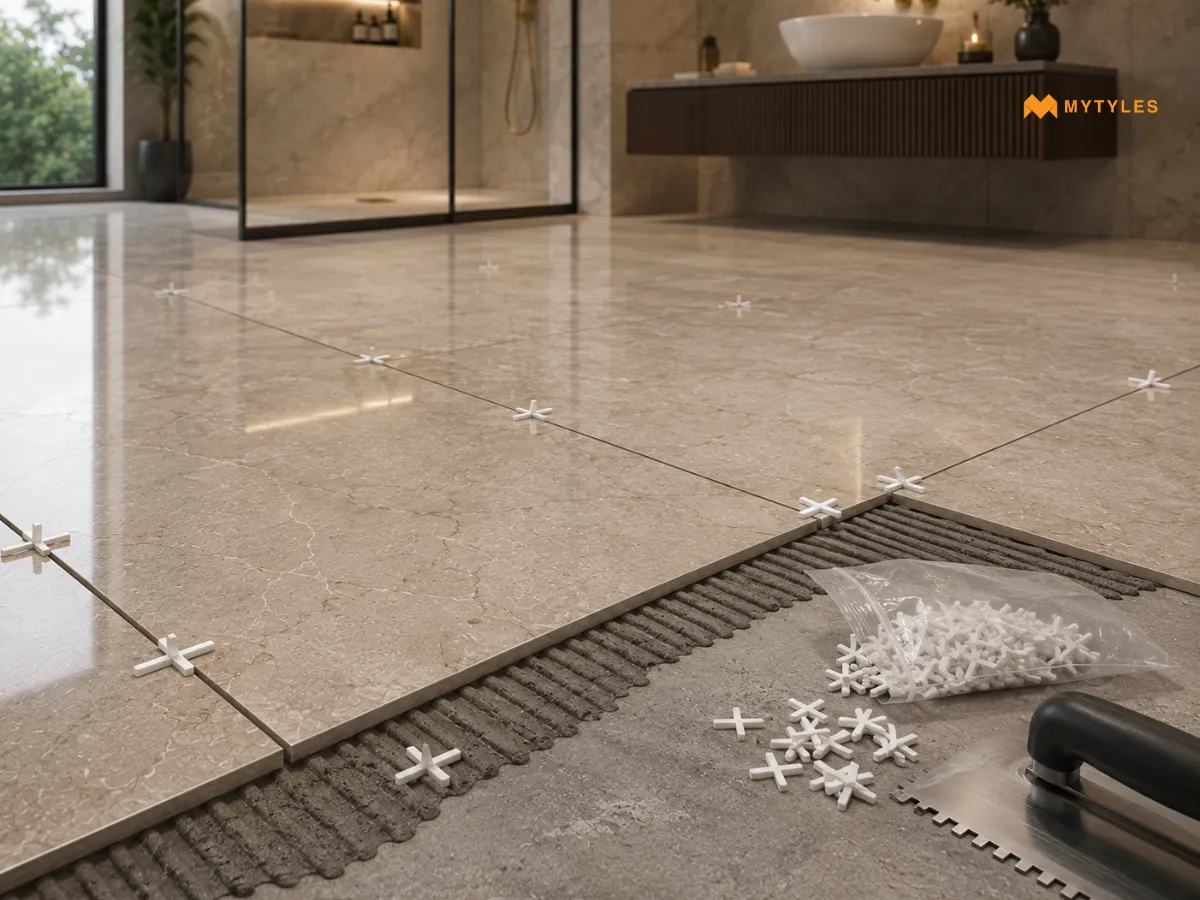
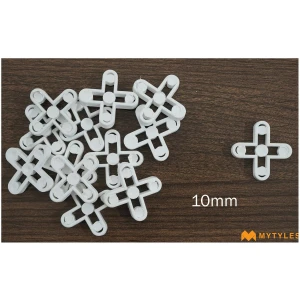
These small plastic pieces sit between tiles during installation to keep the grout lines consistent across the entire floor or wall. Without them, tile gaps drift, some wider, some narrower, and the unevenness becomes obvious the moment the grout goes in. Tile spacers come in different sizes depending on the grout line width and tile size. Large format tiles, depending on tile finish and edges, can demand slightly bigger spacers to manage the increased weight and surface area. The tile spacers come in a range of sizes from 2 mm to 10 mm.
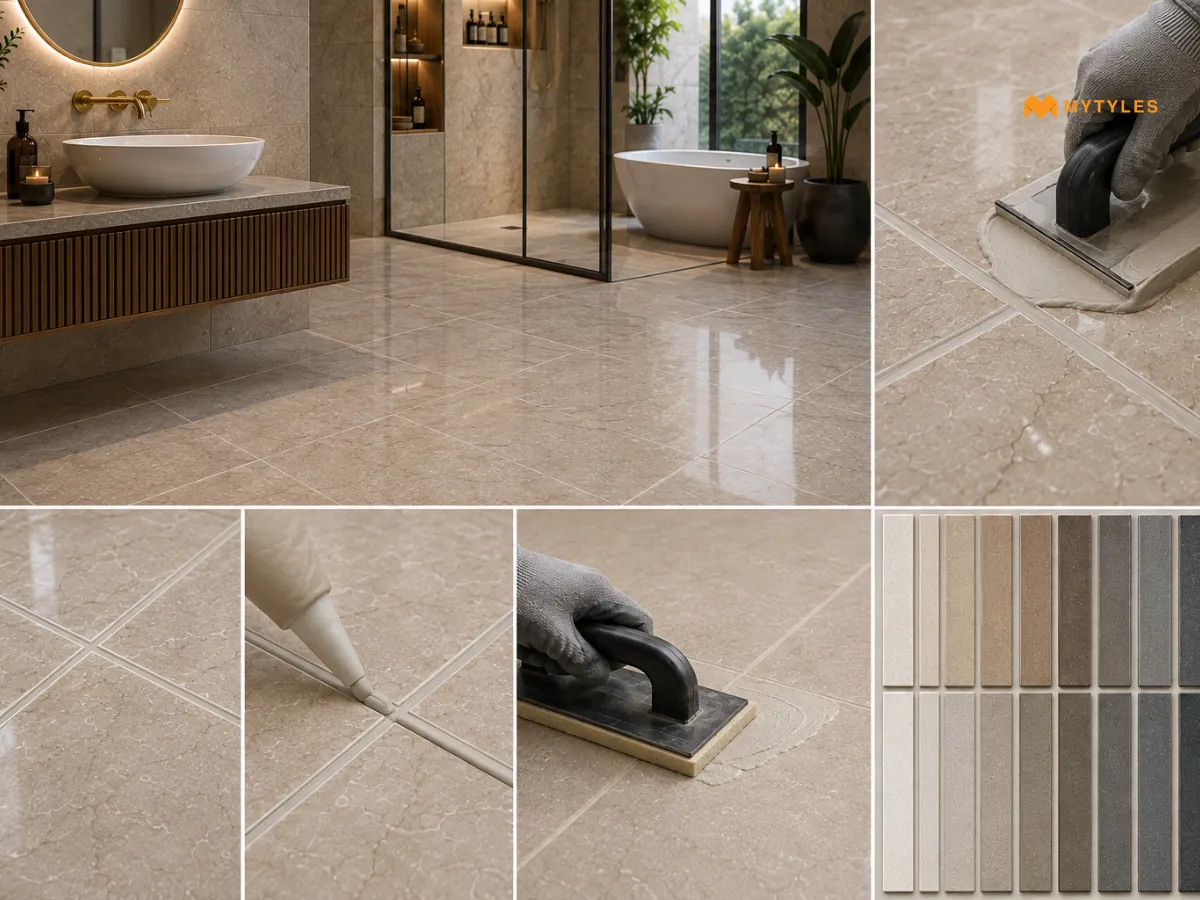
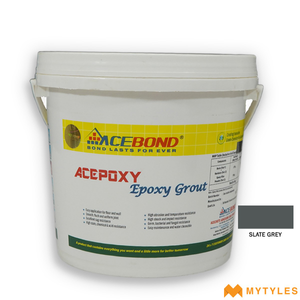
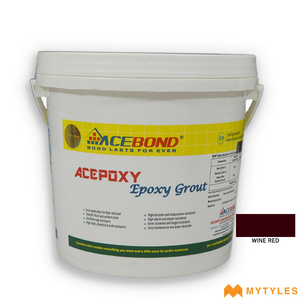
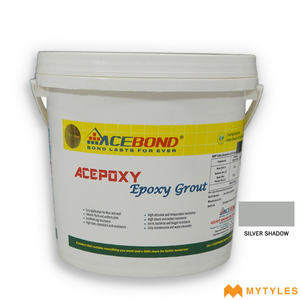
Grout fills the gaps between tiles. Color is also a real decision here, not just an afterthought. A grout that matches the tile keeps the surface looking continuous, while a contrasting grout makes the layout itself part of the design. Over time, grout joints can also pick up stains in high-traffic areas. Therefore, some kitchen and bathroom installations lean toward darker tones and entryways purely for practical reasons. There are two types of grout, conventional cement grout and epoxy grout. The epoxy grout has more stain and water resistance than the cement grout. There are many different shades available in epoxy grouts.
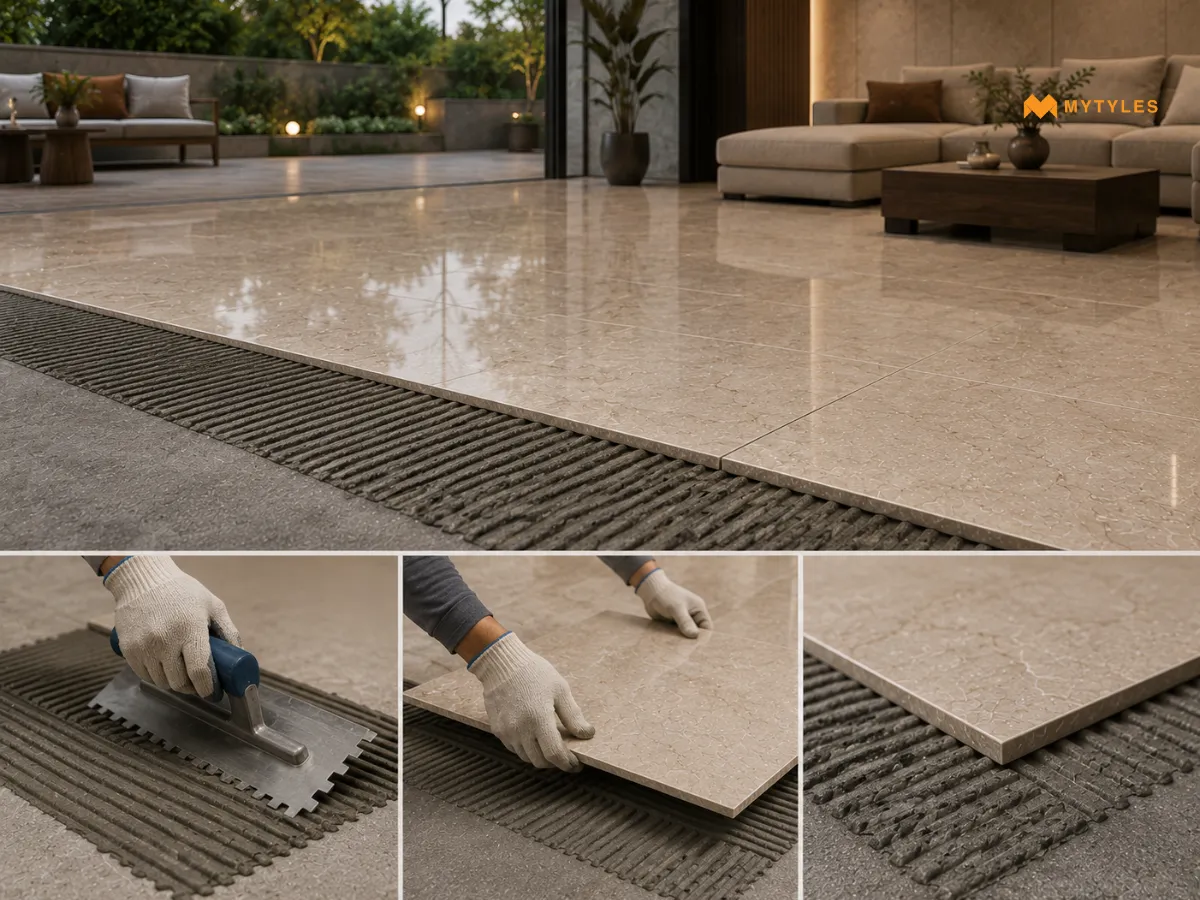
Different tiles need different adhesives. A heavy porcelain or vitrified tile needs a stronger bonding agent than a lightweight ceramic one. Outdoor installations need tile adhesive that can handle temperature shifts and moisture without the bond weakening over time. Using the wrong adhesive can sometimes make the tile eventually come loose, or it may take years for the problem to show up. By that point, weather cycles and daily wear have already done enough damage to a weak bond, leaving the tile with no choice but to come loose.
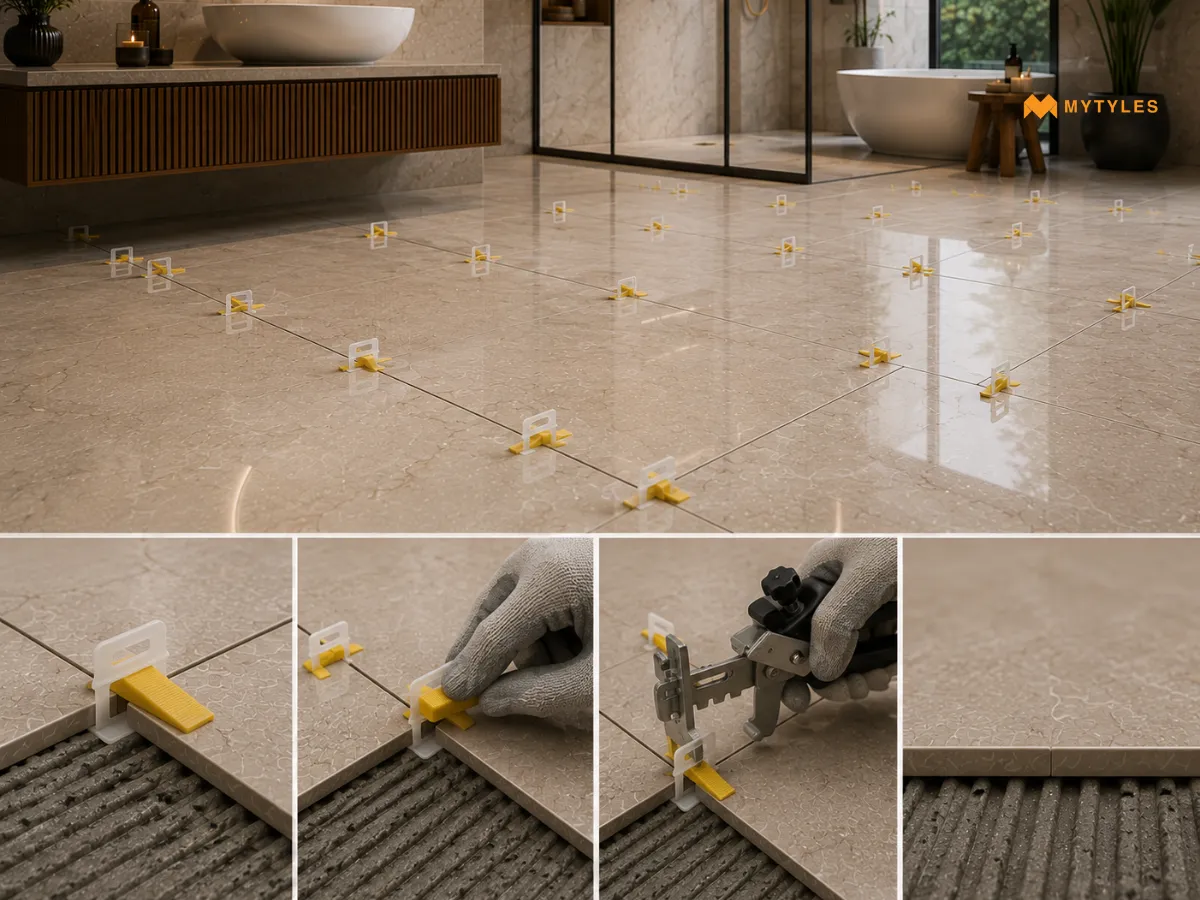
Large-format tiles are prone to lippage, where one edge sits slightly higher than the tile next to it. Tile levelling clips hold tiles flat against each other while the adhesive sets, keeping the surface even. This matters more on bigger tiles, where even a small height difference becomes noticeable underfoot, both visually and as a tripping concern in busy walkways. These levelling clips do not fix uneven subfloors or poor adhesive coverage. In bathroom floors and wet areas, levelling clips should not replace slope planning. The floor still needs a proper fall toward the drain, so water does not sit on the surface after use.
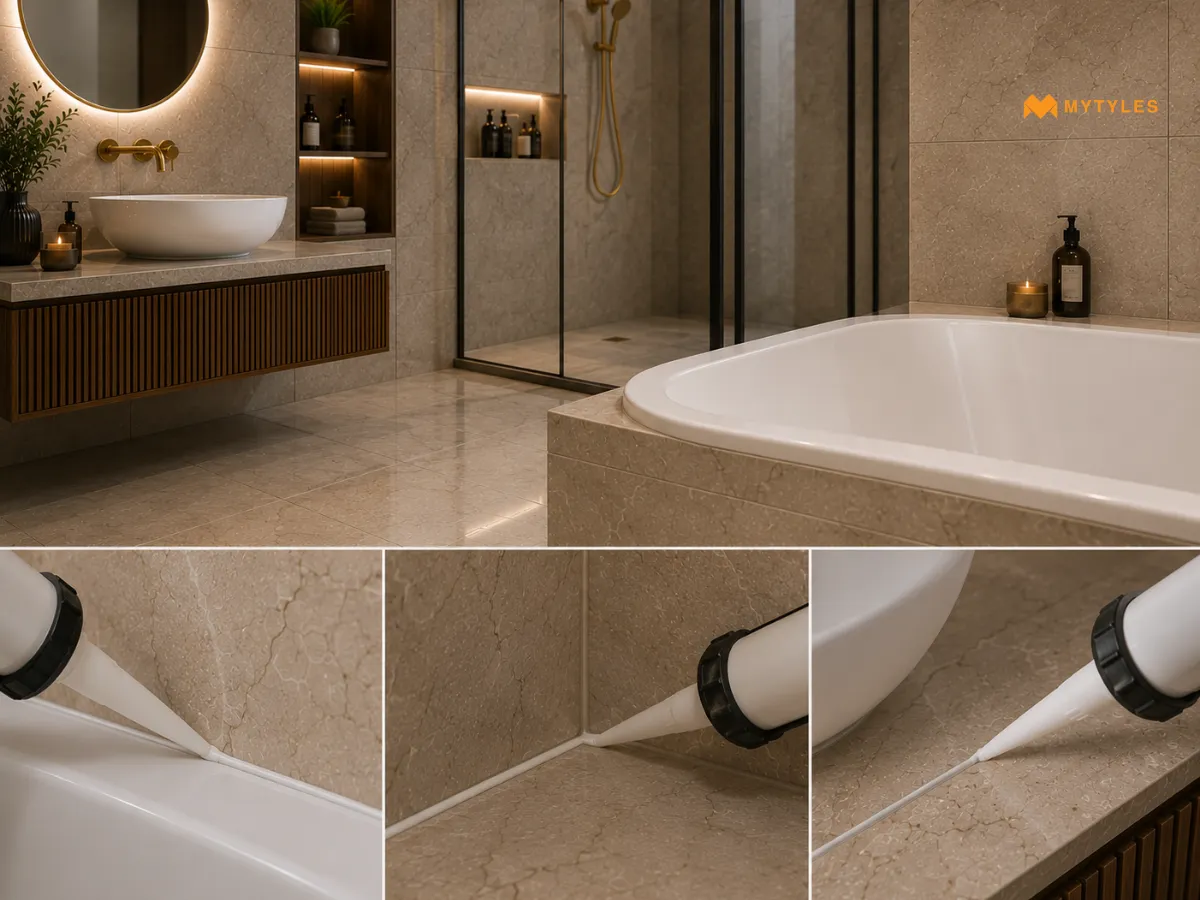
Grout works fine for most joints, but it is not flexible enough for areas where movement occurs, such as around a bathtub, a wash basin, or a shower corner. Silicone sealants have the flexibility to handle it without cracking in areas that deal with constant moisture and slight shifting. If you skip sealant in these spots, you may later see water seeping behind the tiles. Waterproofing the substrate before tiling in wet areas adds another layer of protection that sealant alone cannot provide. It is an issue that is far easier to prevent during installation than to fix afterwards.
The tile gets all the attention, from the color to the pattern to the finish. But the accessories are what keep that tile looking good after installation. Here is where skipping them shows up:
Note: A tile calculator helps estimate quantities before anything gets ordered. Once the tile count is confirmed, matching the right accessories to the project becomes a much more straightforward exercise.
A good tile installation includes appropriate tiles, spacers, tile adhesive, beading, trims, a levelling system and sealant. They all play an important part in how the final surface looks and holds up over time. None of them work in isolation either. The right adhesive supports tiles, spacers keep grout consistent, and sealant protects joints that take the most movement. Buy tile accessories online at MyTyles to make your tile installation precise and professional. The full range is available in one place, priced clearly and ready to order. Pick what the project needs and get the installation right with the essential tile accessories.
Expert Reviewed by Biren Agrawalla
Biren Agrawalla, the Founder of MyTyles with over 10 years of experience across tile, retail, and home decor. Driven by a passion for tiles and a deep understanding of customer behaviour, he has spent his career transforming how people discover and buy tiles online. Biren combines practical retail insight with modern digital solutions to make tile shopping smarter, more intuitive, and design focused. At MyTyles, he champions a customer first approach, ensuring every experience from browsing to buying is reliable, seamless, and inspiring.
Tile accessories are products that improve the installation, protection, and appearance of tiled surfaces. They help create clean edges, protect corners from damage, ensure proper tile alignment, and support a long-lasting finish. Using the right accessories can make tiled walls and floors look more polished while reducing maintenance over time.
A complete tile installation often includes tile trims, beadings, spacers, levelling systems and edge profiles. Each accessory has a specific purpose, from keeping tiles evenly spaced to protecting exposed edges. Together, they improve both the appearance and durability of the finished installation.
Tile beadings are designed for tile edge protection and create a neat, finished look around vertical corners and transitions. They help prevent chipping, cracks, and edge damage caused by daily use. Tile beadings are commonly used in kitchens, bathrooms, and living spaces for both protection and visual appeal.
Yes, tile spacers are essential for maintaining equal gaps between tiles during installation. They help create straight grout lines, improve alignment, and ensure a consistent layout across walls and floors. Spacers also make the installation process easier, especially when working with large or patterned tiles.
A tile levelling system keeps adjacent tiles at the same height while the adhesive cures. This reduces lippage, creates a smoother surface, and improves the overall finish. It is especially useful for large-format tiles, helping both professionals and DIY installers achieve more accurate and visually appealing results.
Choose a tile trim based on your tile thickness, installation area, and preferred finish. Materials such as aluminium, stainless steel, and PVC are suitable for different applications. The right trim not only protects tile edges but also enhances the overall design by creating a clean, professional-looking finish.
Tile accessories, including spacers, beading, adhesive, grout, levelling clips, and sealant, are available online at MyTyles. Orders can be placed at any time through the website. It is worth ordering alongside the tile installation since having tile accessories supports better tile installation.
Aditi Bardhan
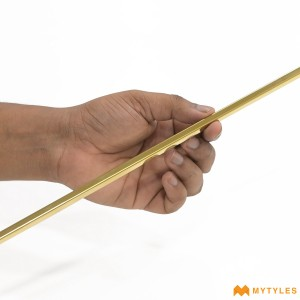
₹450.00 / Piece
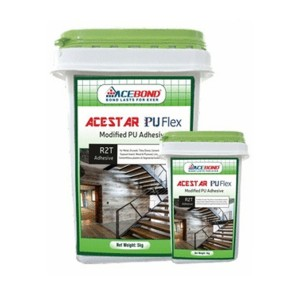
₹3,500.00 / Piece
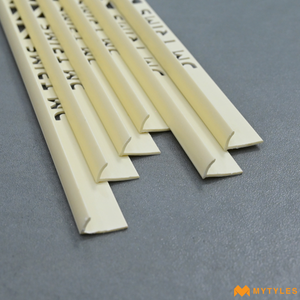
₹115.00 / Piece
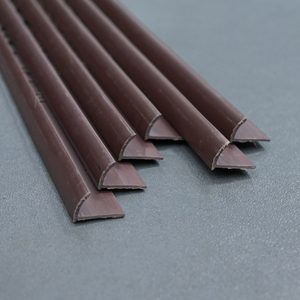
₹115.00 / Piece
₹200.00 / Set
₹950.00 / Piece
₹950.00 / Piece
₹950.00 / Piece
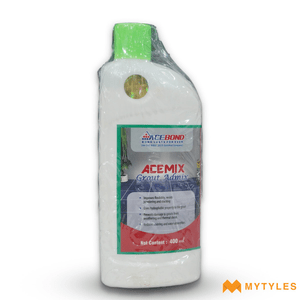
₹200.00 / Piece
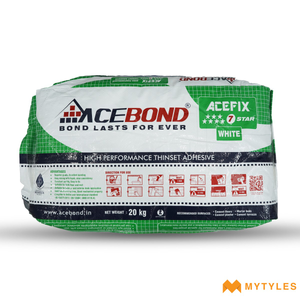
₹999.00 / Piece
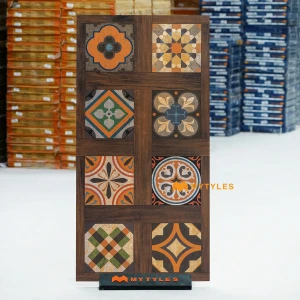
₹125.00 / Sq.Ft
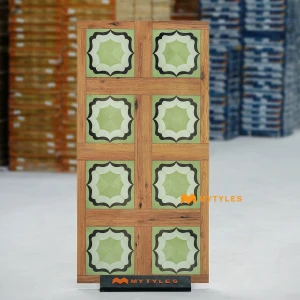
₹125.00 / Sq.Ft
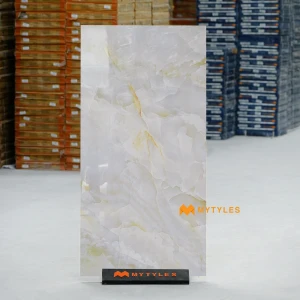
₹99.00 / Sq.Ft
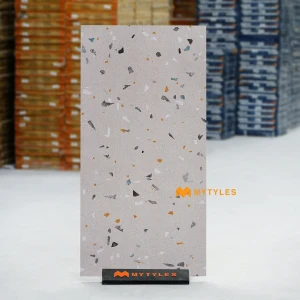
₹115.00 / Sq.Ft
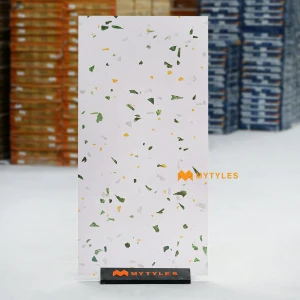
₹115.00 / Sq.Ft
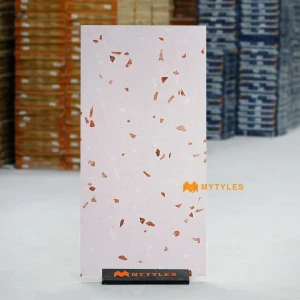
₹115.00 / Sq.Ft
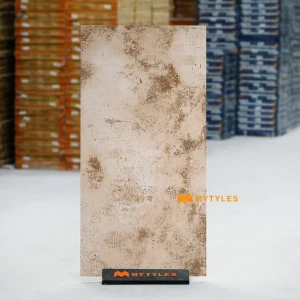
₹138.00 / Sq.Ft
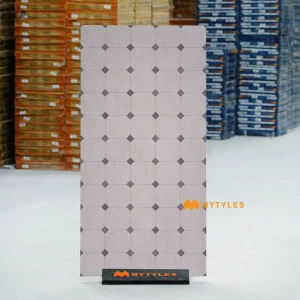
₹138.00 / Sq.Ft
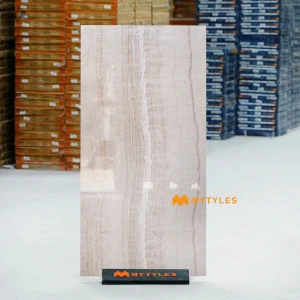
₹95.00 / Sq.Ft
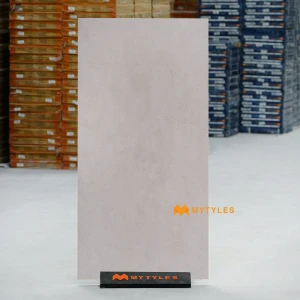
₹98.00 / Sq.Ft
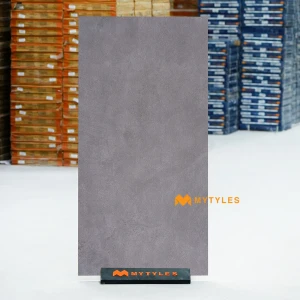
₹98.00 / Sq.Ft
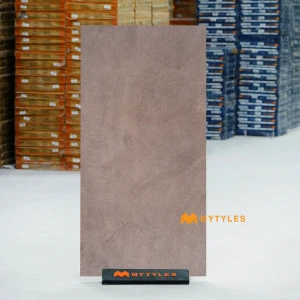
₹98.00 / Sq.Ft
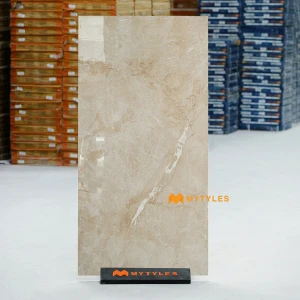
₹96.00 / Sq.Ft
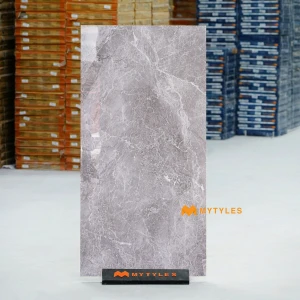
₹96.00 / Sq.Ft
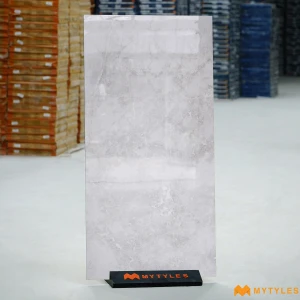
₹96.00 / Sq.Ft
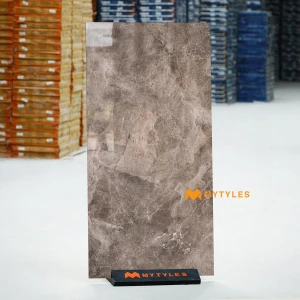
₹96.00 / Sq.Ft
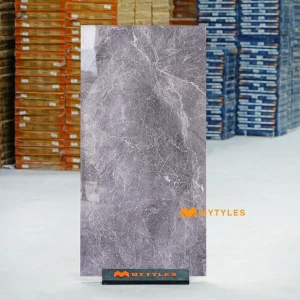
₹96.00 / Sq.Ft
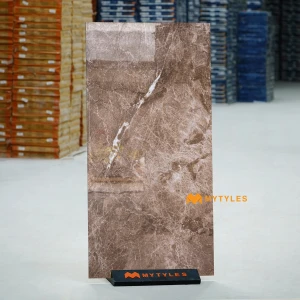
₹96.00 / Sq.Ft
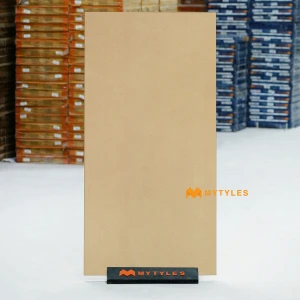
₹115.00 / Sq.Ft
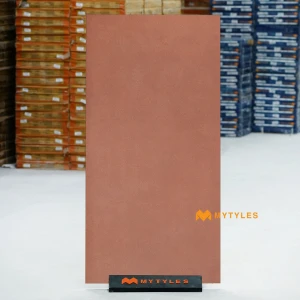
₹115.00 / Sq.Ft
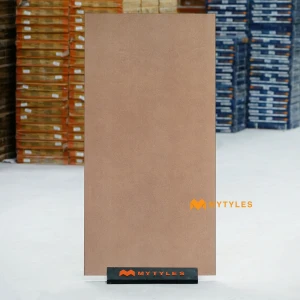
₹115.00 / Sq.Ft
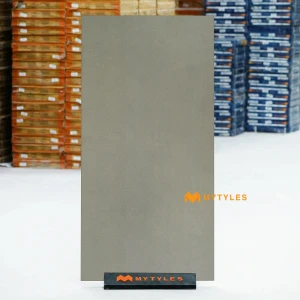
₹115.00 / Sq.Ft
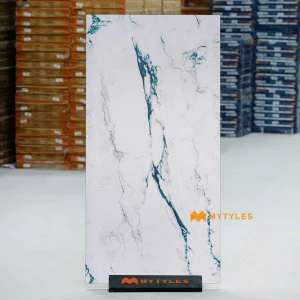
₹105.00 / Sq.Ft
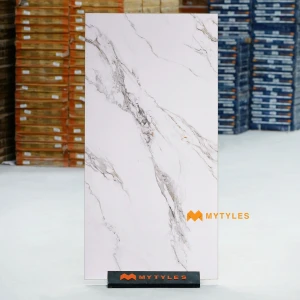
₹105.00 / Sq.Ft
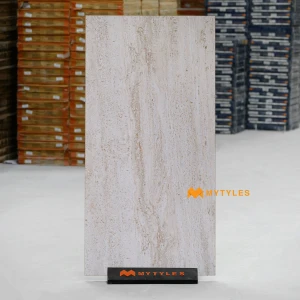
₹115.00 / Sq.Ft