ByAditi Bardhan
Mon , Jul 27 , 2026
Read Time: 5 Min
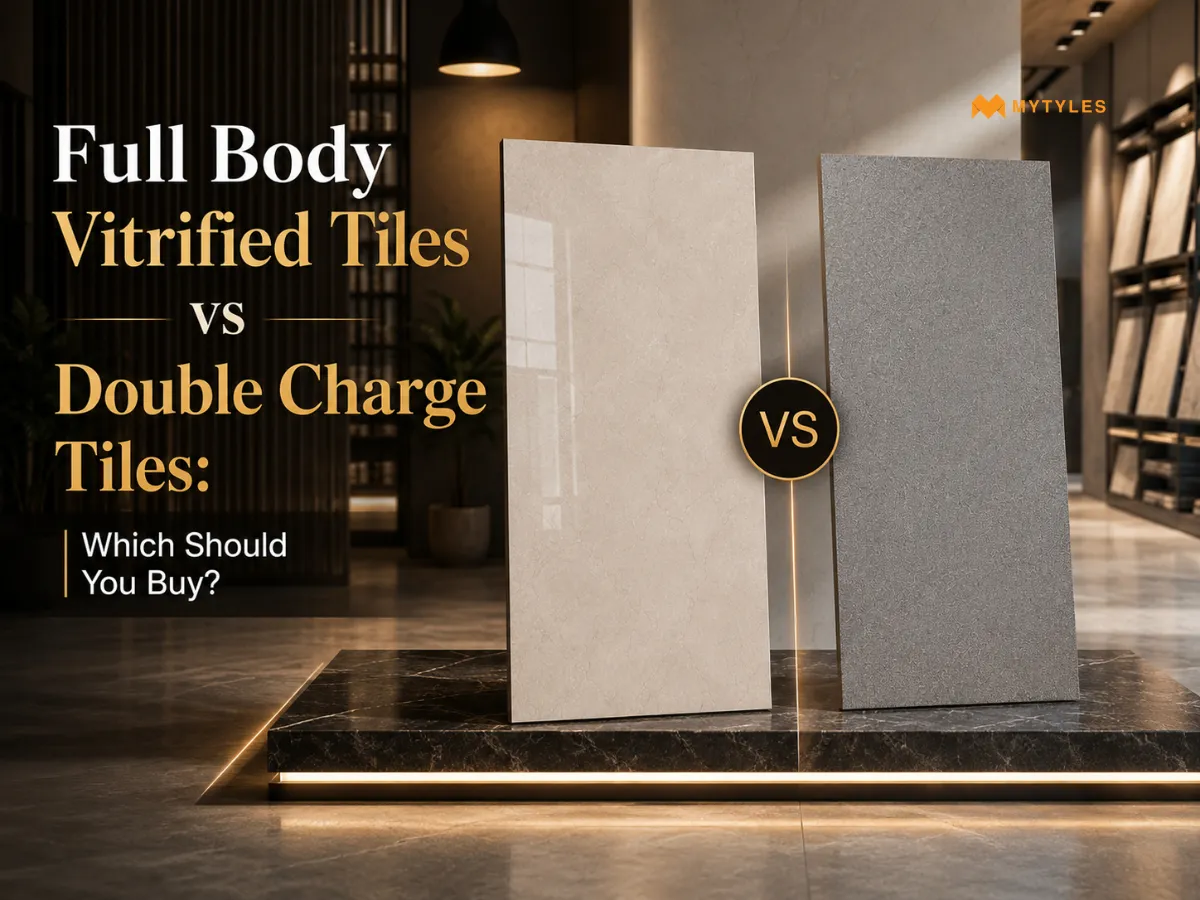
Tiles are not something people change every few years. Once they go on the floor, they stay there through dust, furniture, spills, footfall and daily cleaning. That is why the choice between full body vitrified tiles vs double charge needs more thought than just picking a surface that looks good in a catalogue. Both options belong to the vitrified tile category. Both are strong. Both work well for flooring. Still, they are built differently, and that difference shows up after years of use.
Some floors need toughness more than design. Think of a mall corridor, hospital passage or large office lobby. Some spaces need a clean, stylish surface that can manage everyday life without looking too plain. Think of a living room, showroom, dining area or office cabin. This guide keeps the comparison practical. It explains what each tile means, where it works best, how much value it offers and which one makes better sense for your space.
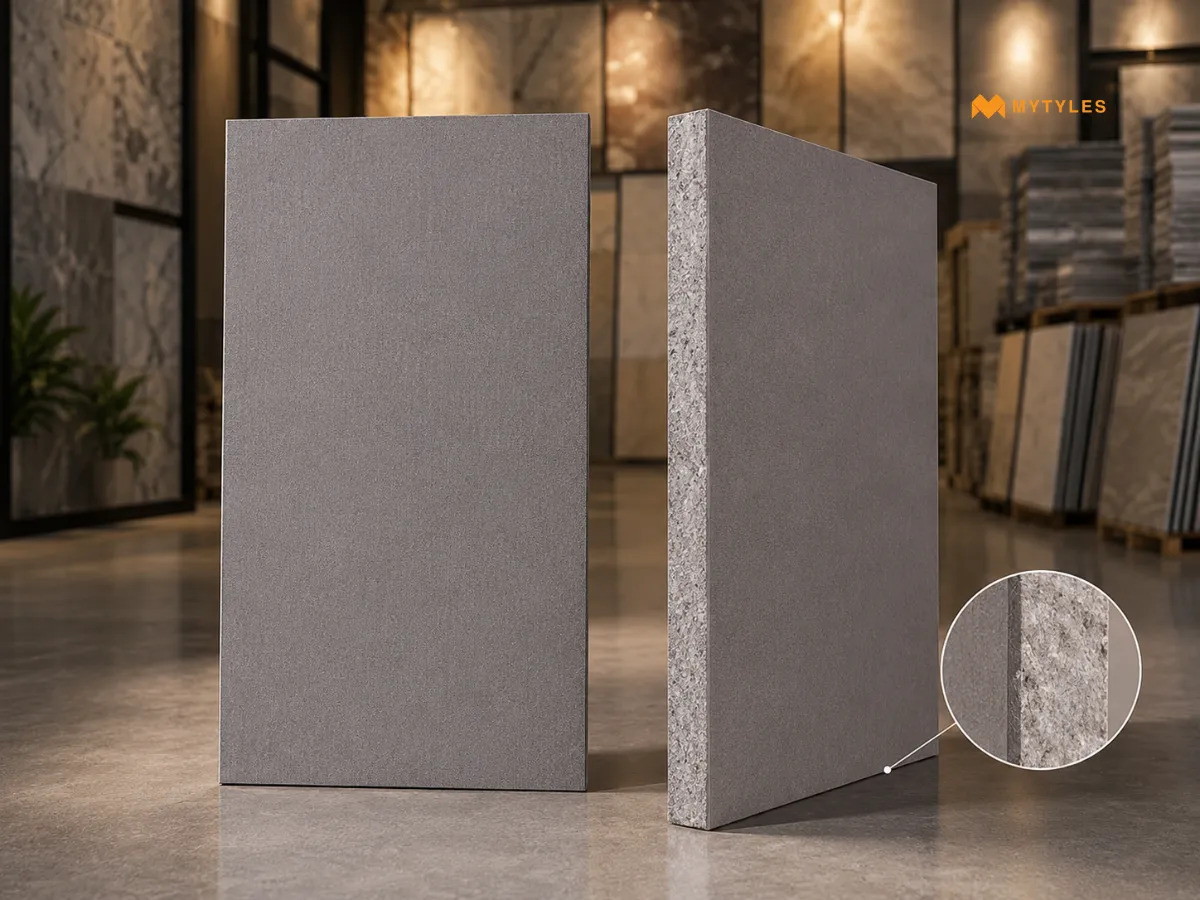
Full body vitrified tiles have color running through the tile body. The top surface and inner body stay more consistent than regular surface-printed tiles. So, when a small chip appears on the edge or surface, it does not stand out too sharply. These tiles usually look more functional than decorative. You may not get endless patterns or fancy finishes, but you do get reliable performance. That is why they are common in airports, malls, hospitals, schools, commercial corridors and busy office areas.
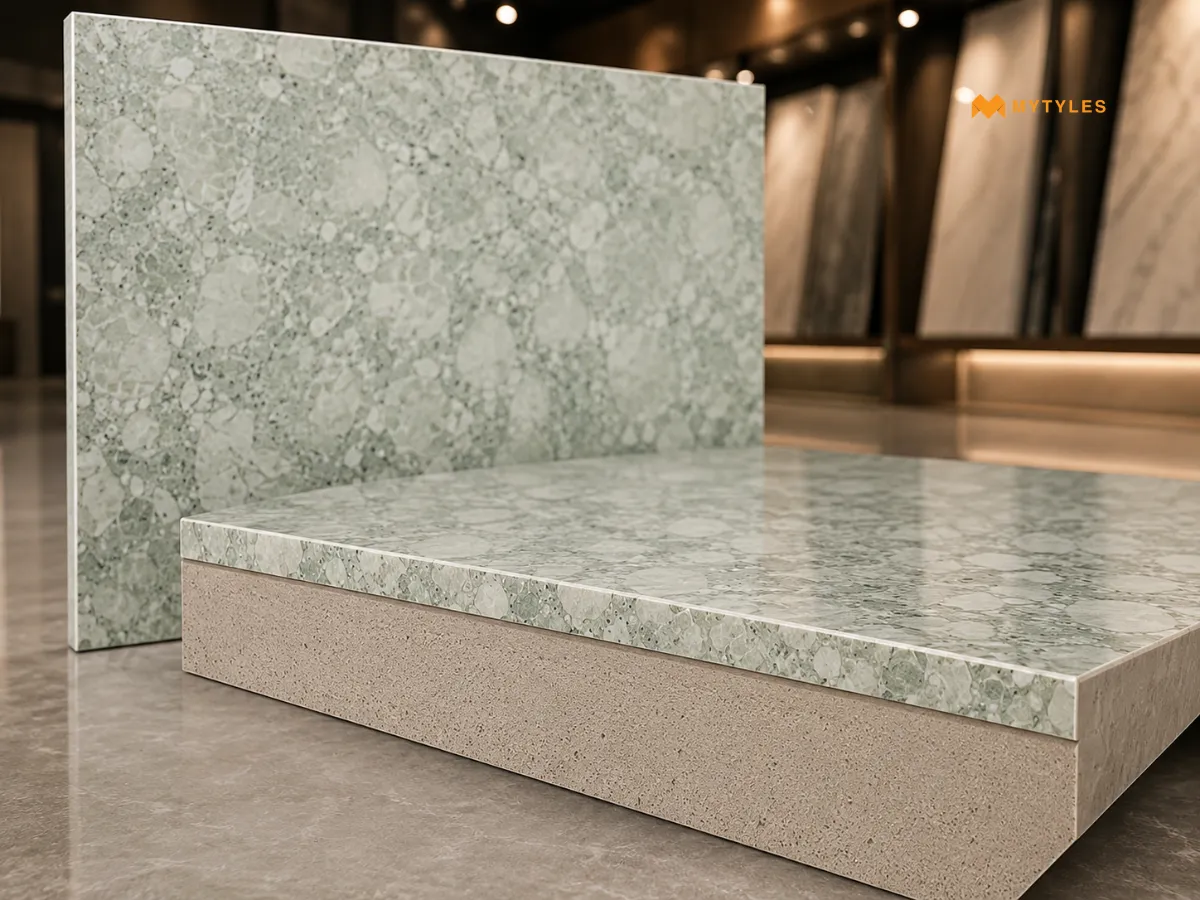
Double charge vitrified tiles have a thicker design layer on the surface. During manufacturing, two layers of pigment are pressed together, which gives the tile better surface strength than many regular vitrified tiles and more design options. This makes double charge tiles popular for homes, offices, shops, showrooms and restaurants. They look more decorative than full body options and still handle regular use well. For many buyers, this is the middle ground. You get durability, better designs and a price point that often feels more practical for residential and light commercial projects.
Full body and double charge tiles may look similar once installed, but they behave differently over years of use. The real difference lies in how they are made, how they handle surface wear and where each tile performs best. This comparison will help you judge them beyond price and appearance.
Factor | Full Body Vitrified Tiles | Double Charge Vitrified Tiles |
|---|---|---|
| Composition | These are color through body tiles, so the shade continues inside the tile. | These tiles have a double charged surface layer for a thicker top design. |
| Surface Wear | They offer better support in areas where chips and marks may happen. | They give good surface wear resistance for homes and controlled commercial areas. |
| Durability | They suit buyers looking for durable vitrified floor tiles in demanding spaces. | They are durable enough for regular homes, offices and showrooms. |
| Traffic Suitability | They work well as high traffic floor tiles in busy public spaces. | They suit medium-use spaces where design also matters. |
| Heavy Movement | They are useful as heavy foot traffic tiles in corridors and large buildings. | They can manage daily movement but may not be the first choice for rough-use areas. |
| Abrasion Handling | They are often preferred as abrasion resistant floor tiles for commercial movement. | They resist wear well, but heavy rubbing may affect the top layer over time. |
| Scratch Visibility | They work well as scratch resistant vitrified tiles because marks blend better. | They can resist light scratches, though deeper marks may show more clearly. |
| Stain Handling | They can perform as stain resistant vitrified tiles with regular cleaning. | They also clean easily when spills are handled on time. |
Maintenance | They work well for buyers who want low maintenance floor tiles. | They also need simple sweeping and mopping for daily upkeep. |
Thickness | Full body tile thickness depends on the product and application. | Thickness also varies by brand, size and intended use. |
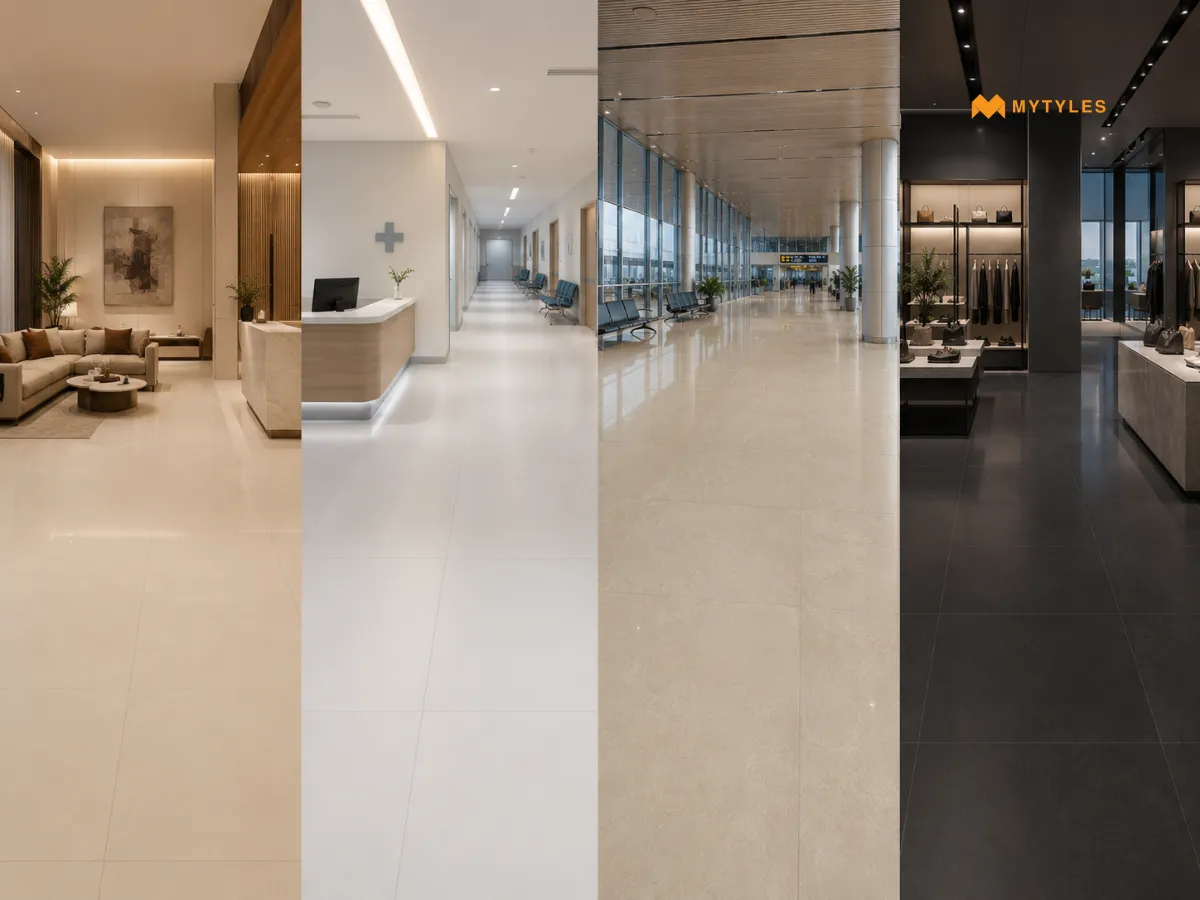
Full body vitrified tiles are mostly used in places where the floor is walked over all day. These tiles make sense when the surface has to handle shoes, dust, cleaning, trolleys and the occasional chip without looking worn too quickly.
They work best for:
For anyone wondering where to use full body vitrified tiles, think of busy spaces first. The main full body vitrified tiles advantages are long-term strength, less visible chips and better performance in floors that take rough daily use.
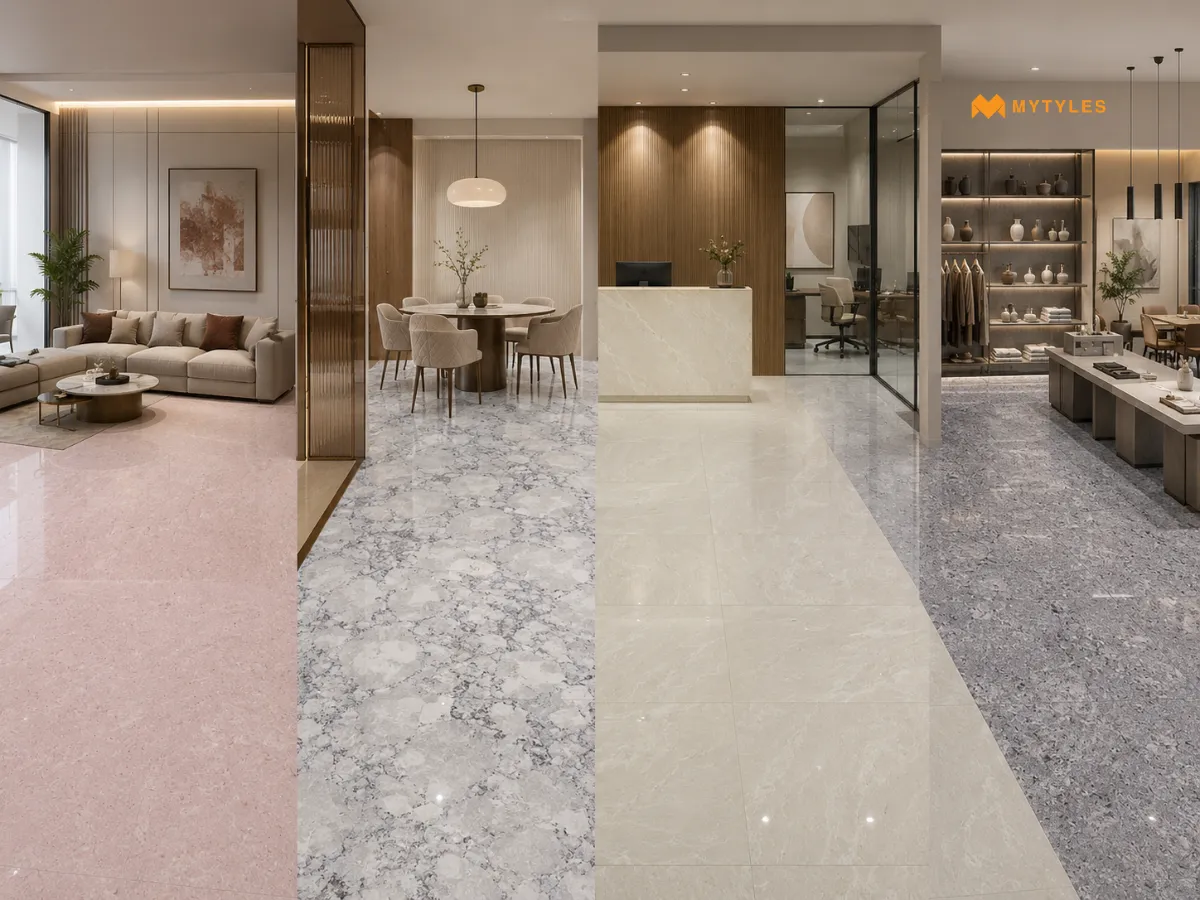
Double charge vitrified tiles are more common in homes, offices and retail spaces where the floor needs to look good and handle regular movement. These tiles are useful when you want decent strength, more design options and easier pricing than full body tiles.
They work best for:
For anyone asking where to use double charge vitrified tiles, think of spaces where looks and daily durability both matter. The main double charge vitrified tiles advantages are better design choice, simple cleaning and practical value for regular flooring.
Tile prices change with size, finish, thickness, design and brand. But in most cases, double charge tiles cost less than full body tiles. The difference comes from how the tiles are made and how much wear they are expected to handle.
Double charge vitrified tiles price at MyTyles usually ranges from ₹52/sq. ft to ₹81/sq. ft. This makes them the more budget-friendly choice between the two. They work well for buyers who want a neat finish, decent strength and more design options without spending as much as they would on full body tiles.
Full body vitrified tiles price at MyTyles usually ranges from ₹85/sq. ft to ₹306/sq. ft. The higher price comes from the through-body make, where the color continues across the tile body. This construction adds to the cost, but it also gives the tile better value in spaces where wear and visible damage matter more.
Finish affects more than shine. It changes how the floor looks under light, how easily marks show and how practical the surface feels in daily use. In this comparison, full body tiles give you two finish choices, while double charge tiles keep it simpler with one.
Full body tiles are available in matt vitrified tile and glossy vitrified tile finishes. Some ranges may also be listed under polished vitrified tiles, especially when the surface has a smoother, brighter look. Matt gives a softer, low-shine surface, while glossy creates a brighter floor with more reflections. Choose matt when you want a calmer look and easier everyday upkeep. Choose glossy when you want more shine and a cleaner visual finish.
At MyTyles, double charge tiles are available in matt finish only. This gives the surface a soft, non-shiny look that feels practical for regular flooring. Since matt finishes reflect less light, they tend to hide small dust marks and footprints better than glossy surfaces. This makes it easier to maintain in busy homes and everyday commercial spaces.
When you are looking for a floor that requires more wear resistance, enhanced control of visibility of chips and more lasting performance, opt for full body vitrified tiles. Choose double charge vitrified tiles for greater design options, cost-effective pricing, and robust strength for everyday flooring uses. Do not decide only by shine, catalogue photos or the lowest price. Think about footfall, cleaning habits, finish, room use and how the floor will age. Explore full body or double charged vitrified tiles at MyTyles or visit our experience centre to compare sizes, finishes, colors and prices before you buy.
Full body tiles have color running through the tile body instead of sitting only on the surface. This makes small chips or edge marks less visible over time. They are stronger than many regular floor tiles and suit areas where the surface faces regular movement, cleaning and wear. Their main value comes from long-term durability.
Double charge tiles have a thicker top design layer made during the manufacturing process. This gives the tile better surface strength than standard vitrified options while still allowing more design choices. They are popular because they offer a good mix of appearance, easy cleaning and everyday durability for homes, offices and commercial interiors.
The main difference is in the tile body and surface layer. Full body tiles carry color through the tile, so chips blend better. Double charge tiles have a thicker design layer on top, which gives more pattern and finish options. Full body tiles focus more on strength, while double charge tiles balance design and practical use.
The better option depends on where you plan to install the tiles. Full body tiles work better when the floor needs to handle heavy wear, rough use or visible damage over time. Double charge tiles make more sense when you want design variety, easier pricing and reliable performance for regular flooring in homes or workspaces.
Full body tiles are better for tougher flooring needs because the color runs through the tile body. This helps reduce the visibility of small chips and deep surface marks. Double charge tiles are better when appearance, budget and design variety matter more. So, the answer depends on footfall, room use and long-term expectations.
Use full body tiles in spaces where the floor goes through constant movement, frequent cleaning and possible surface wear. They are especially useful when strength matters more than decorative detail. The through-body color helps the floor look more consistent even after minor chips. This makes them a practical choice for demanding flooring conditions.
Use double charge tiles in spaces where you want a neat floor with enough strength for daily use. They suit rooms where design, cost and cleaning convenience matter together. Their thicker surface layer supports regular movement, while the finish options help the floor look polished without needing the higher cost of full body tiles.
Aditi Bardhan
₹81.00 / Sq.Ft
₹81.00 / Sq.Ft
₹64.00 / Sq.Ft
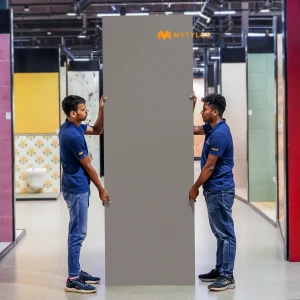
₹231.00 / Sq.Ft
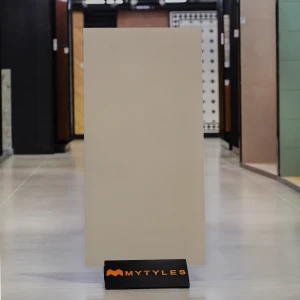
₹95.00 / Sq.Ft
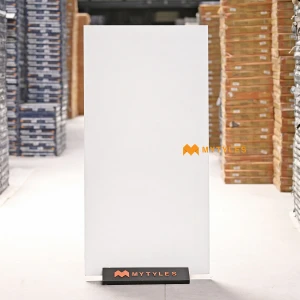
₹124.00 / Sq.Ft
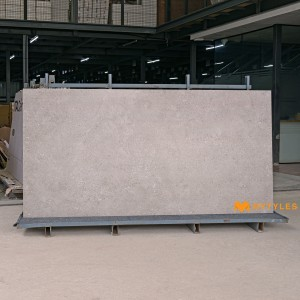
₹222.00 / Sq.Ft
₹89.00 / Sq.Ft
₹125.00 / Sq.Ft
₹125.00 / Sq.Ft
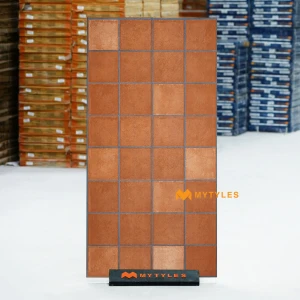
₹125.00 / Sq.Ft
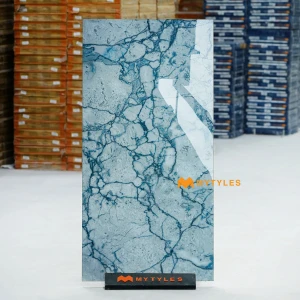
₹120.00 / Sq.Ft
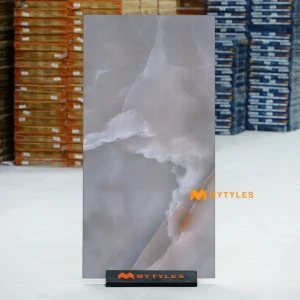
₹120.00 / Sq.Ft
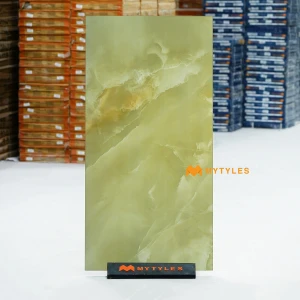
₹120.00 / Sq.Ft
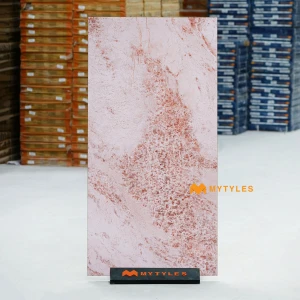
₹120.00 / Sq.Ft
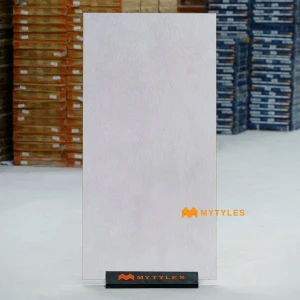
₹95.00 / Sq.Ft
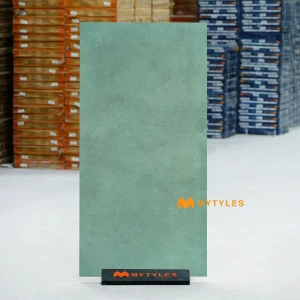
₹110.00 / Sq.Ft
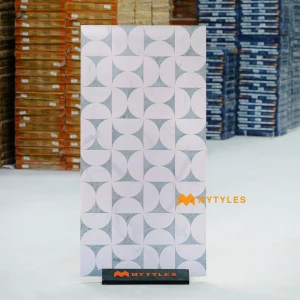
₹125.00 / Sq.Ft
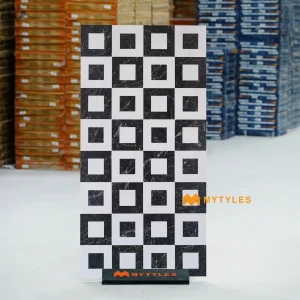
₹125.00 / Sq.Ft
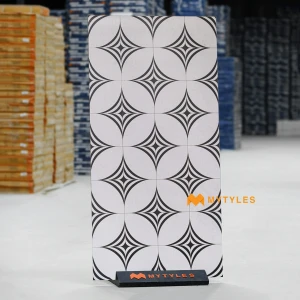
₹125.00 / Sq.Ft
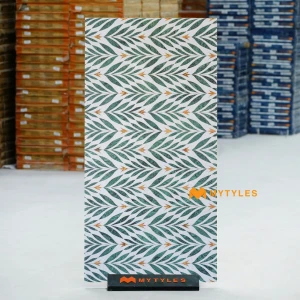
₹125.00 / Sq.Ft
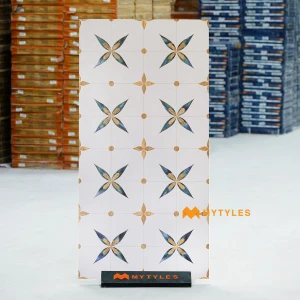
₹125.00 / Sq.Ft
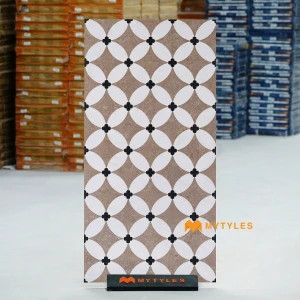
₹125.00 / Sq.Ft
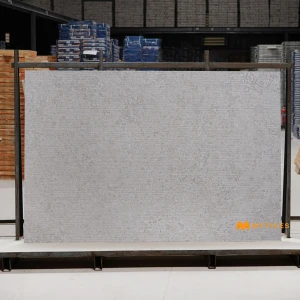
₹182.00 / Sq.Ft
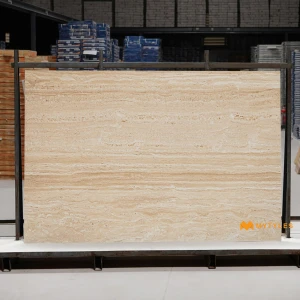
₹182.00 / Sq.Ft
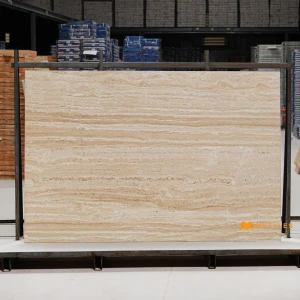
₹182.00 / Sq.Ft
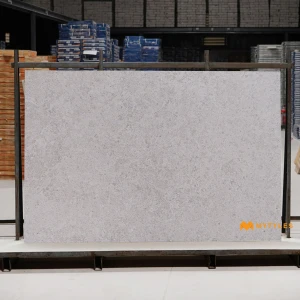
₹182.00 / Sq.Ft
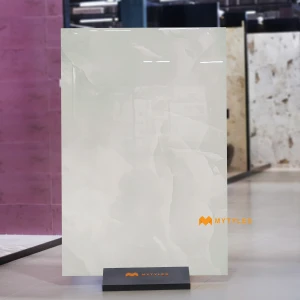
₹185.00 / Sq.Ft
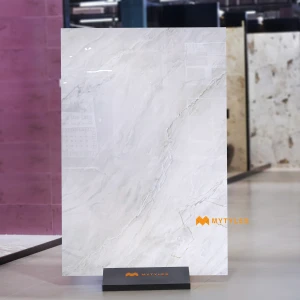
₹185.00 / Sq.Ft
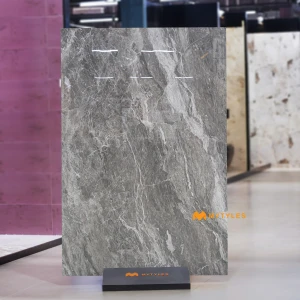
₹170.00 / Sq.Ft
₹170.00 / Sq.Ft
₹170.00 / Sq.Ft