Inspiration Gallery
Blog
Tile Calculator
08065423741



.svg)


Kota vs. Tandur Stone: Which fits best for Your Home Personality?
ByBiren Agrawalla

Wed , Jun 10 , 2026

Read Time: 5 Min


 Copied!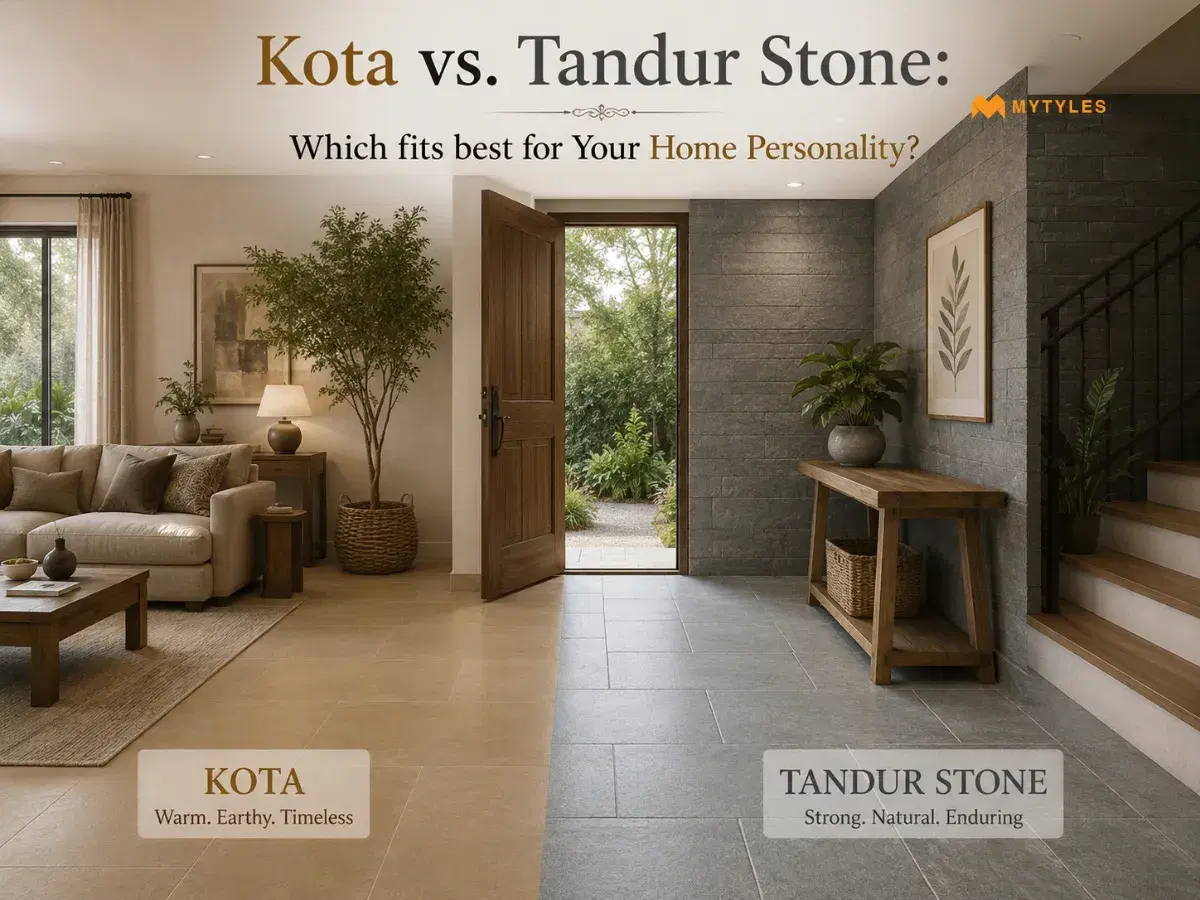
Kota and Tandur stones are most commonly used by house owners who seek natural stone flooring that offers durability and aesthetic value. Kota Stone, a local Rajasthani stone, is specifically famous for its earthy shades of colours and rugged strength, making it suitable for indoor and outdoor use. Telangana is a major source of Tandur Stone that marks its characteristic colours and various textures to impart rustic and traditional decor with a natural charm.
An aesthetic combination with practicality, the inherent strength and wear resistance make these stones more suitable for high-traffic areas. Their distinct colors and finishes give character to any room. Whether in modern, minimalist spaces or traditional, warm interiors, Kota and Tandoor stones value the style and functionality for an ideal home performance for homeowners.
Kota Stone Flooring
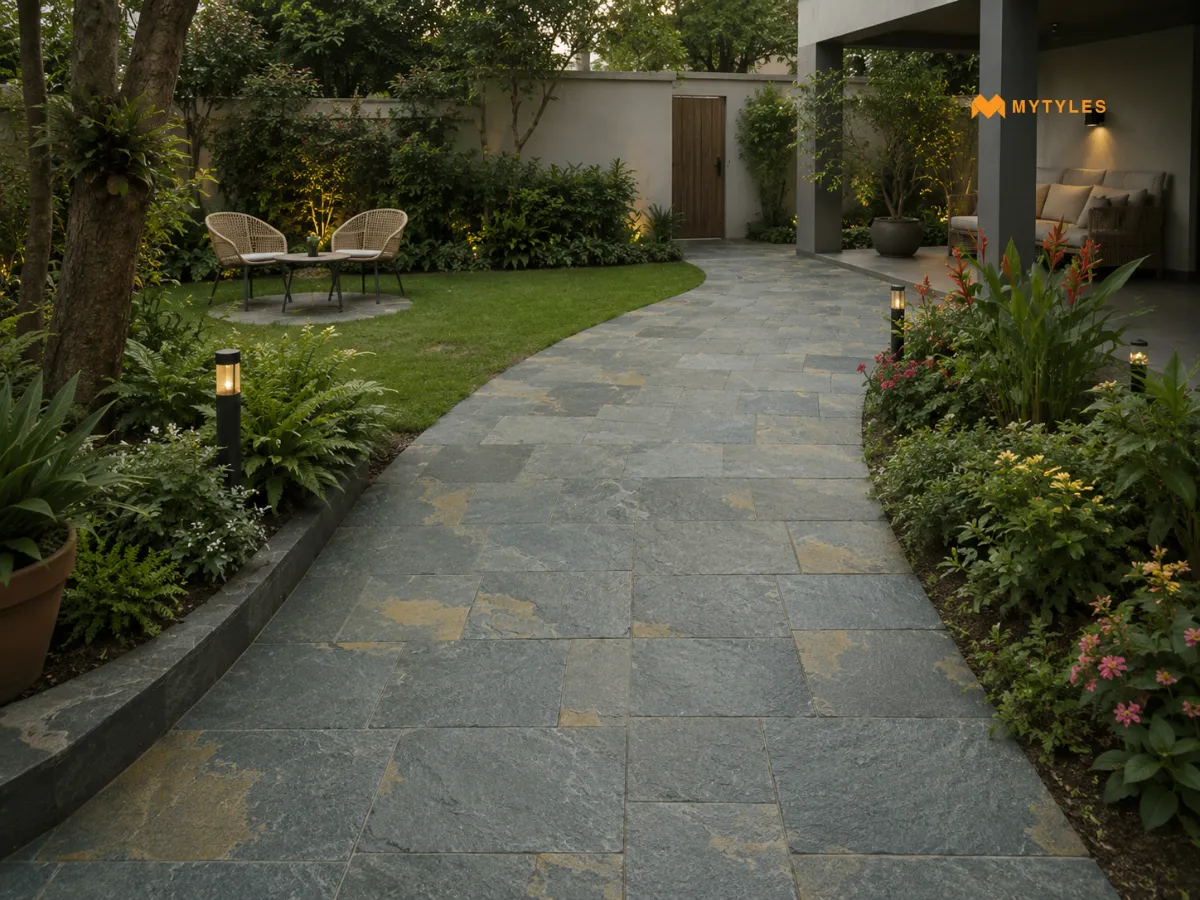
Kota stone flooring is the benchmark of style and durability that has made it all the more popular among homeowners. It features earthy tones along with natural charm and is a type of limestone acquired mainly from Kota, Rajasthan. Popularity for this flooring comes from its numerous finishes that unite rustic appeal with high durability. Kota stone is available to be used in living rooms, kitchens, patios, or even hallways, as it can be very versatile in every home.
Popular Applications of Kota Stone in Home Decor
- Flooring: Kota floor tiles are durable and slip-resistant, which makes them a perfect flooring option for living rooms, kitchens, or hallways. It creates a timeless design in any interior space with its natural colors.
- Wall Cladding: Kota stone wall cladding gives the interior and exterior walls an elegant, rugged look. It also adds a natural texture to space, extenuating a touch of earthy beauty.
- Staircases: The durability of Kota stone makes it suitable for staircases, offering a sturdy and visually appealing option that complements various design styles.
- Outdoor pathways and patios: The weather resistance of Kota stone makes it an excellent choice for pathways, patios, and garden areas, providing a smooth transition from indoors to outdoors.
Tandur Stone Flooring
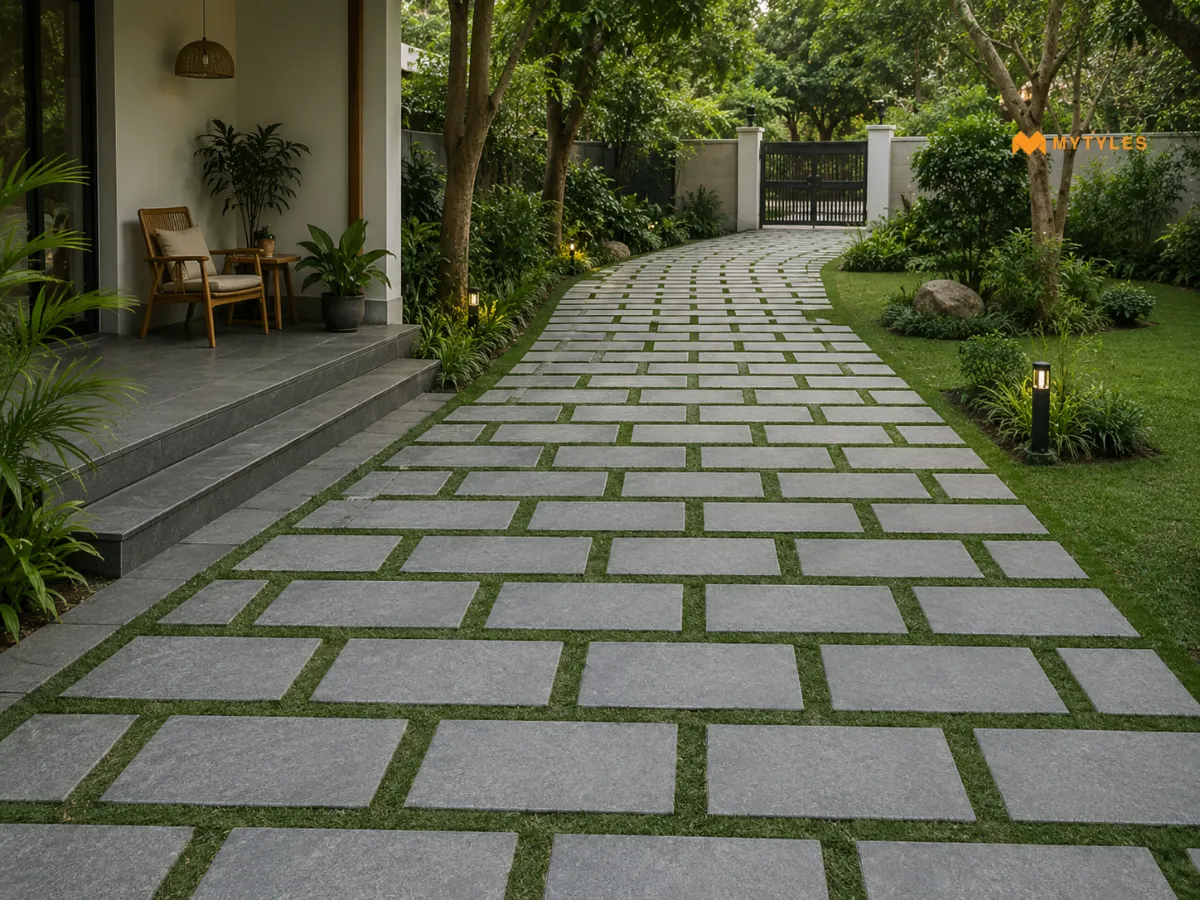
Many home owners love the look of Tandur stone flooring, as it gives a rustic yet sophisticated look. Sourced from Tandur in Telangana, this limestone variant is valued for its durability and unique color variations. Tandur tiles can be used for both indoors and outdoors from elegant interior designs to rustic patio and courtyard designs. For earthy, traditional, or farmhouse looks, these natural textures and colors are so in demand.
Popular Uses of Tandoor Stone in Home Design
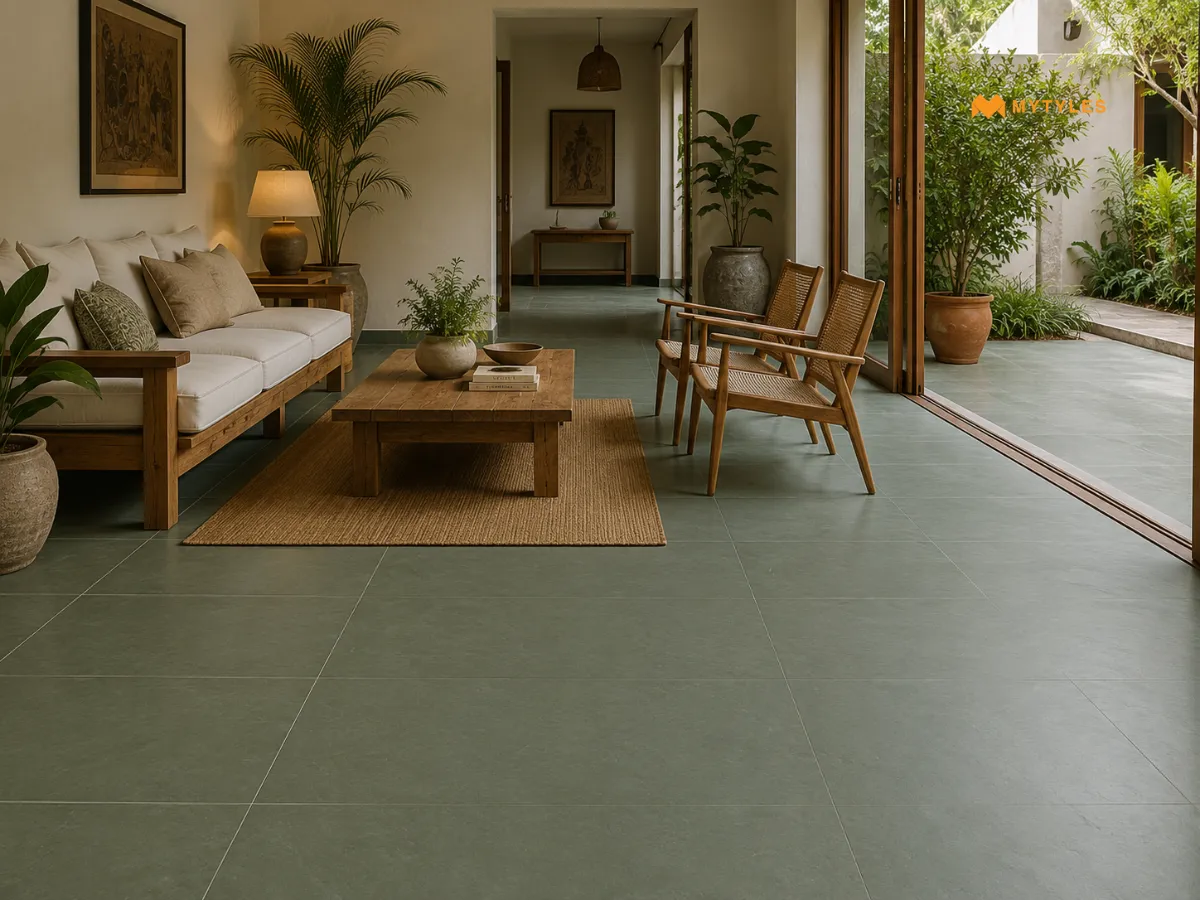
- Flooring: Tandoor stone's natural textures and colors are highly in demand for flooring purposes in living areas, bedrooms, and kitchens that add warmth and character to the interiors.
- Outdoor Spaces: Tandoor stone's durability and slip resistance make it an excellent choice for exterior applications like patios, walkways, and pool decks to create a seamless, organic look for outdoor spaces.
- Fireplace Surround: Tandoor stone's heat-resistant properties make it ideal for use as fireplace surrounds and bring a warm, rustic feel to living rooms.
- Accent Features: Tandoor stone can make striking accents for walls, niches, or decor, which means they add some texture and visual interest in other parts of a house.
Comparing the Key Characteristics of the stones
While choosing the natural stone to cover your house floor, it is quite essential to know the difference in all those features. Here is a comparative analysis of Kota stone vs. Tandur stone in different parameters:
Characteristic | Kota Stone | Tandur Stone |
Origin | Quarried from the Kota district in Rajasthan, India. | Sourced from the Tandur region in Telangana, India. |
Aesthetics | Exhibits earthy tones such as blue, green, brown, grey, and black. | Available in shades like blue, yellow, and grey, with natural patterns. |
Uses | Ideal for indoor and outdoor flooring, wall cladding, and pathways. | Suitable for flooring, wall cladding, and outdoor applications. |
Durability | Highly durable, withstands heavy foot traffic, and resistant to wear. | Durable and resilient, suitable for high-traffic areas. |
Water Resistance | Non-porous and moisture-resistant, making it suitable for wet areas. | Somewhat porous; sealing is recommended to prevent water absorption. |
Weather Suitability | Reflects heat, keeping interiors cool; suitable for various climates. | Remains cool in summer and retains warmth in winter, offering thermal comfort. |
Cost | Generally more affordable compared to other natural stones. | Cost-effective, offering a balance between aesthetics and budget. |
Maintenance | Low maintenance; regular cleaning suffices to maintain appearance. | Requires minimal upkeep; sealing may be necessary to prevent staining. |
Choosing Between Kota and Tandur Stone for Your Home
Choosing the right natural stone for your home is not only about aesthetics but also functionality. Kota stone, sourced from Rajasthan, is very earthy and has great strength, so it can be used for flooring, wall cladding, and even outdoor walking paths. These attributes provide for a comfortable indoor environment, while its affordability and low maintenance enhance its appeal.
The Tandur stone is quarried from Telangana and shows excellent color variations and a rustic look with suitability to floor coverings, wall claddings, and for outdoor uses. It ensures good thermal comfort and provides slip resistance, but with its somewhat porous nature, it needs to be sealed to avoid the entry of water. Each stone has its own advantages, and what should guide your choice between the two is how well it will look with your house's aesthetics, functional needs, and even maintenance considerations. Check out a wide variety of Kota and Tandur stones on MyTyles to find the perfect one for your home's personality.

What Is The Main Difference Between Kota And Tandur Stone?

Kota stone is known for its smooth texture, durability, and subtle greenish or bluish-grey tones, making it ideal for practical, understated spaces. Tandur stone has warmer shades like yellow, brown, and grey, giving a more rustic and earthy look. The main difference lies in their appearance, finish, personality, and design impact.
Which Stone Suits A Modern Home Personality Better?
Kota stone often suits modern homes better because of its clean, minimal, and elegant appearance. Its muted tones blend well with contemporary furniture, open layouts, and neutral interiors. Polished or honed Kota flooring can create a sleek yet natural look. It is ideal for homeowners who prefer simplicity, function, and timeless style.
Is Tandur Stone Better For A Traditional Home Look?
Yes, Tandur stone is a great choice for traditional or rustic home styles. Its earthy colors and natural surface create warmth, character, and an old-world charm. It works beautifully in courtyards, verandas, pathways, and heritage-inspired interiors. If your home personality is warm, grounded, and nature-focused, Tandur stone can be a strong match.
Which Stone Is More Durable For Home Flooring?
Both Kota and Tandur stones are durable, but Kota stone is widely preferred for high-traffic indoor flooring because it is dense, strong, and long-lasting. Tandur stone is also tough and works well for outdoor and semi-outdoor areas. The final durability depends on proper installation, sealing, polishing, and regular maintenance over time.
Is Kota stone more affordable than Tandur stone?
Generally, both Kota and Tandur stones are cost-effective natural stone options. However, prices can vary based on factors like color, finish, and thickness. It's advisable to consult local suppliers for accurate pricing.
Which Stone Is Easier To Maintain At Home?
Kota stone is generally easier to maintain because of its smoother surface and better polish finish. It can be cleaned with regular sweeping and mild mopping. Tandur stone may need slightly more care, especially if used in textured or outdoor areas. Sealing both stones can help reduce stains, moisture absorption, and surface damage.
Where Should I Use Kota Stone In My Home?
Kota stone works well in living rooms, bedrooms, corridors, staircases, balconies, and utility areas. Its subtle appearance makes it easy to pair with different wall colors and furniture styles. It is especially suitable for homes that need durable, budget-friendly, and elegant flooring. Kota also performs well in spaces with regular foot movement.
How Do I Choose Between Kota And Tandur Stone?
Choose Kota stone if your home personality is simple, modern, practical, and low-maintenance. Pick Tandur stone if you prefer rustic, earthy, traditional, or outdoor-inspired spaces. Also consider location, finish, color, budget, and cleaning needs before deciding. The best choice should match your lifestyle, design taste, and the mood you want to create.

ABOUT THE AUTHOR
Biren Agrawalla
Biren Agrawalla is the Founder of MyTyles, driven by a passion for making tile buying simpler, smarter, and more customer-friendly. With a background in technology and a strong interest in how homes are designed, he built MyTyles to bridge the gap between traditional tile retail and modern customer needs. Biren focuses on understanding what people truly look for when creating their spaces, from practical choices to design inspiration. His work is centred on building thoughtful online solutions that help homeowners discover the right tiles with more confidence, convenience, and clarity.
Latest Blogs By MyTyles