ByAditi Bardhan
Wed , May 20 , 2026
Read Time: 5 Min
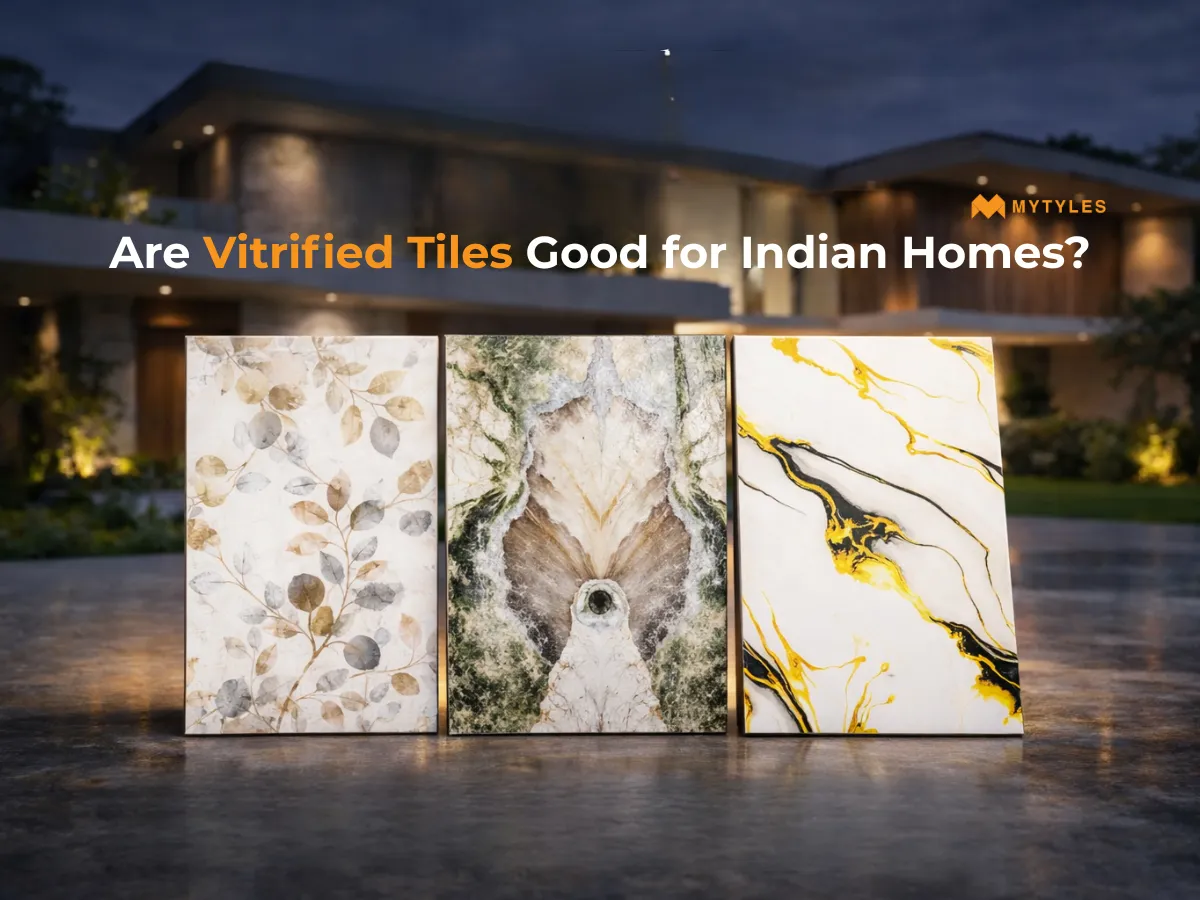
Choosing flooring in an Indian home isn’t just about looks. You’re dealing with dust that shows up uninvited, spills that happen daily, and weather that never quite behaves. So yes, your floor has to do more than just sit pretty. That’s where vitrified tiles for Indian homes come into the picture.
These tiles are very durable, easy to maintain and have a clean and modern finish. Sounds ideal, right? But are they actually as good as people say? Or are there things homeowners realise only after installation? Let’s break it down so you know exactly what you’re signing up for.
Vitrified tiles are manufactured by mixing clay and other substances like silica and quartz and firing all the materials at high temperatures. This is what causes the tiles to become dense, tough and a little glassy in finish. As a result, they do not absorb much water, are not easily stained, and can last years with little wear.
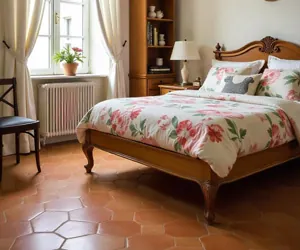
Indian homes don’t go easy on flooring. Between muddy shoes during monsoons and constant sweeping, your floor takes a beating every single day. That is why most house owners are inclined to vitrified floor tiles. They do not require a lot of attention. You clean them, and they are good to go.
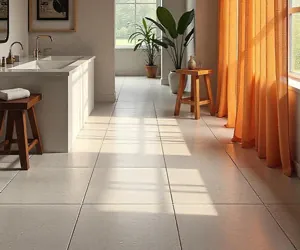
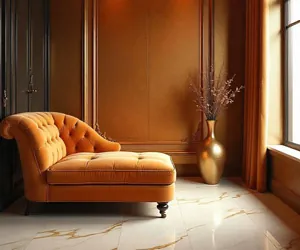
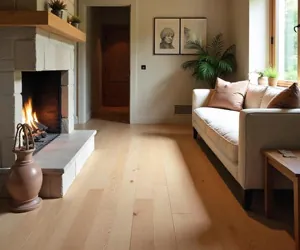
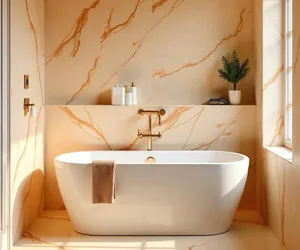
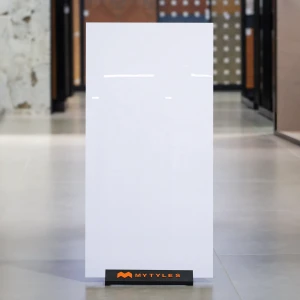
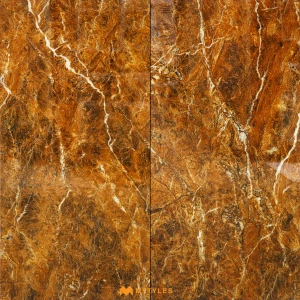
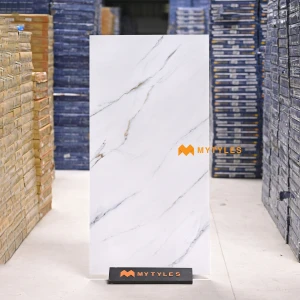
Then there’s the visual side. People want style without the headache. With modern options, vitrified tile design can mimic marble, wood, or even textured stone without the cost or maintenance. And honestly, that balance makes a big difference when you live with it every day.
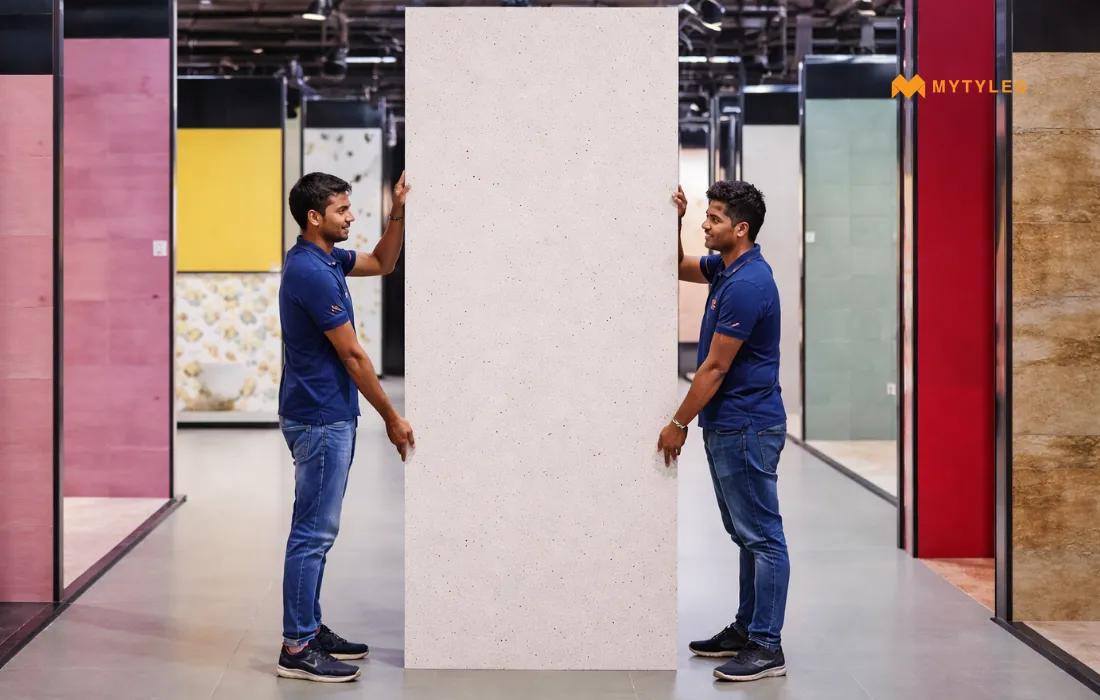
Most homeowners, before deciding on any flooring, would always consider the benefits first. You want something, after all, that does not just look good on day one but that will also be functional over the years. Vitrified tiles flooring and walls have become popular due to the fact that they tick most of the practical boxes, particularly in the Indian homes where the flooring is subjected to daily wear and tear.
You can easily compare flooring options and this makes it easier to choose. Every material possesses its personality. Some demand attention. Others quietly do their job. Here is a detailed comparison of different flooring options.
Criteria | Vitrified Tiles | Ceramic Tiles | Porcelain Tiles |
|---|---|---|---|
| Composition & Manufacturing | Created through a vitrification procedure via clay, silica, and quartz that creates a non-porous surface of glass. | It is made using natural clay and fired at low temperatures, which makes it more porous.
| It is made of refined clay that is fired at very high temperatures and that is why it is denser than ceramic.
|
| Porosity & Water Absorption | Extremely low (<0.5%), almost non-porous. | Higher absorption (3–10%), prone to moisture retention. | Very low (<0.5%), similar to vitrified but denser. |
| Durability & Wear Resistance | Very tough; does not wear out in busy places such as parking lots and living rooms. | Moderate strength; applicable to low and medium traffic. | Very strong; can be used both at home and in the commercial. |
| Surface Hardness | Hardness: difficult to scratch and impact. | Medium hardness; can chip or crack under stress. | High hardness; comparable to vitrified. |
| Stain & Chemical Resistance | Very good; does not stain, is acid-free, and is chemical resistant. | Moderate; can stain if not cleaned quickly. | Excellent; highly resistant to stains and chemicals. |
| Consistency in Appearance | Highly uniform (factory-made). | Uniform but not as refined as vitrified. | Very uniform; high-precision manufacturing. |
| Thermal Properties | Stays relatively cool; good for Indian climates. | Similar to vitrified. | Similar to vitrified. |
Choosing the right tiles involves balancing design, safety, and durability. Some simple choices can go a long way into determining the performance of your flooring in the long run.
So, are vitrified tiles good for Indian homes? In most cases, the answer is a strong yes. Nevertheless, one should select the correct type and finish depending on the place of use. Vitrified tiles can be used to improve the functionality and the look of your home with the right choice. If you’re planning a change, take a look at MyTyles. It offers a wide range of designs that combine style, durability, and everyday practicality. Find tiles that not only look great but also perform well in real homes, making your space feel complete and effortless.
Vitrified tiles are more practical for modern households compared to marble. They are easier to maintain, more affordable, and resistant to stains and moisture. While marble offers unmatched natural beauty, it needs frequent polishing and care. In the debate of vitrified tiles vs ceramic tiles, vitrified options stand out for durability and low maintenance, making them ideal for busy Indian homes.
Vitrified tiles are highly durable and do not break easily under normal conditions. They are manufactured using high temperatures, making them dense and strong. Compared in ceramic vs vitrified tile discussions, vitrified tiles are tougher and less porous. They can withstand daily wear, foot traffic, and minor impacts, making vitrified tile designs for floors a reliable solution for long-term use in Indian households.
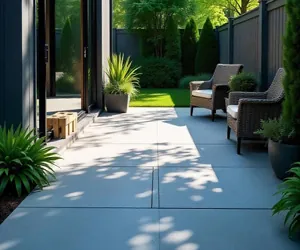
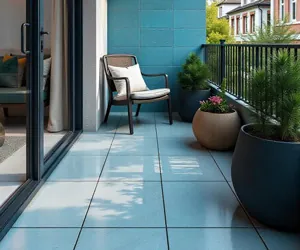
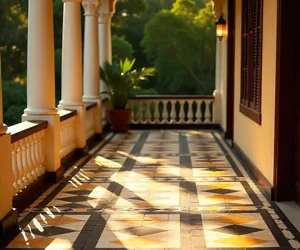
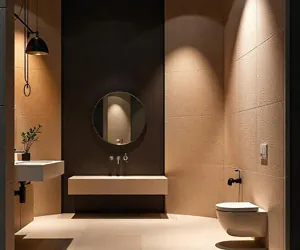
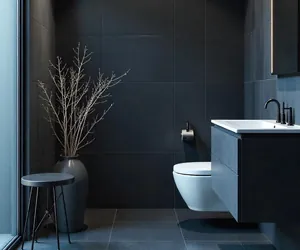
Choosing the right finish depends on the space and usage. Matte tiles are safer for wet areas, while glossy tiles enhance brightness in living rooms. When considering floor tile design for Indian homes, combining finishes works best. Understanding the difference between ceramic and vitrified tiles also helps, as vitrified tiles offer more finish variety and better durability for different functional spaces.
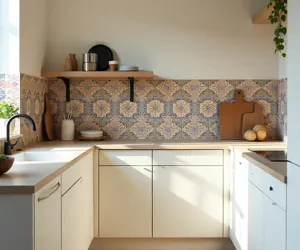
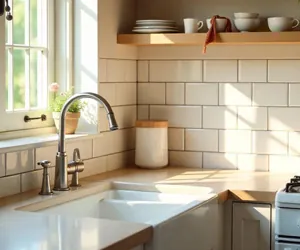
Yes, vitrified tiles are excellent for kitchens due to their resistance to stains, heat, and moisture. They are easy to clean, which is important for daily cooking environments. When selecting tiles for Indian homes, vitrified tiles are preferred because they handle oil spills and heavy usage well. Their non-porous surface ensures hygiene and long-lasting performance in busy kitchen spaces.
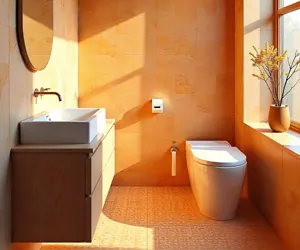
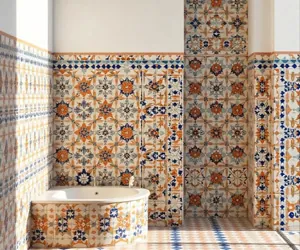
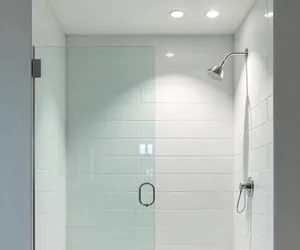
Vitrified tiles can be used in bathrooms if you choose matte or anti-skid finishes. These reduce slipping risks and improve safety. Among the best tiles for Indian homes, vitrified tiles are popular for bathrooms due to water resistance. However, understanding the difference between vitrified and ceramic tiles helps in selecting the right texture and finish for wet areas.
Vitrified tiles do not require polishing like marble or natural stone. Their surface remains intact for years with simple cleaning. Knowing how to identify ceramic and vitrified tiles can help you choose low-maintenance options. Vitrified tiles retain their shine and finish with regular sweeping and mopping, making them a convenient flooring choice for modern Indian households.
Vitrified tiles are moderately priced and offer great value over time. They are more expensive than ceramic tiles but cheaper than marble or granite. Considering the types of vitrified tiles available, there are options for every budget. Their durability, low maintenance, and stylish appearance make them a smart investment for floor tiles for Indian homes.
Biren Agrawalla
₹79.00 / Sq.Ft
₹105.00 / Sq.Ft

₹150.00 / Sq.Ft
₹90.00 / Sq.Ft

₹95.00 / Sq.Ft
₹98.00 / Sq.Ft
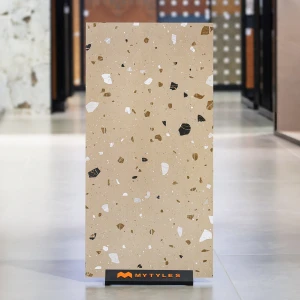
₹109.00 / Sq.Ft

₹94.00 / Sq.Ft
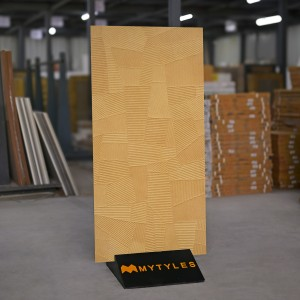
₹128.00 / Sq.Ft
₹79.00 / Sq.Ft
₹105.00 / Sq.Ft
₹150.00 / Sq.Ft
₹90.00 / Sq.Ft
₹95.00 / Sq.Ft
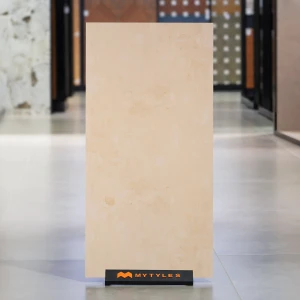
₹105.00 / Sq.Ft
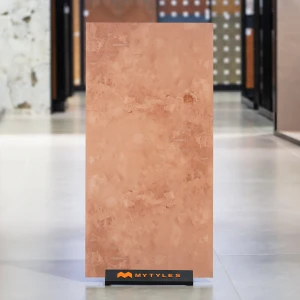
₹105.00 / Sq.Ft
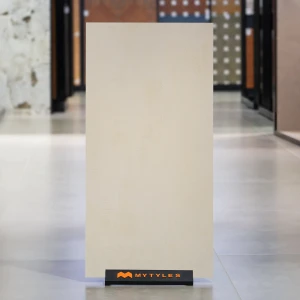
₹165.00 / Sq.Ft
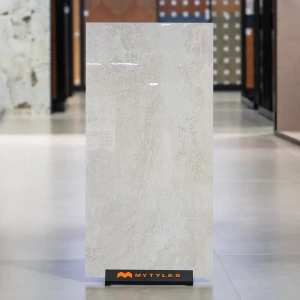
₹85.00 / Sq.Ft
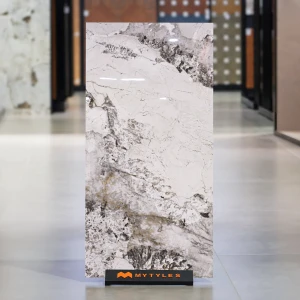
₹85.00 / Sq.Ft