Inspiration Gallery
Blog
Tile Calculator
08065423741



.svg)


A Guide to Choosing Vitrified Tiles Sizes in India
ByBiren Agrawalla

Thu , Aug 20 , 2026

Read Time: 5 Min


 Copied!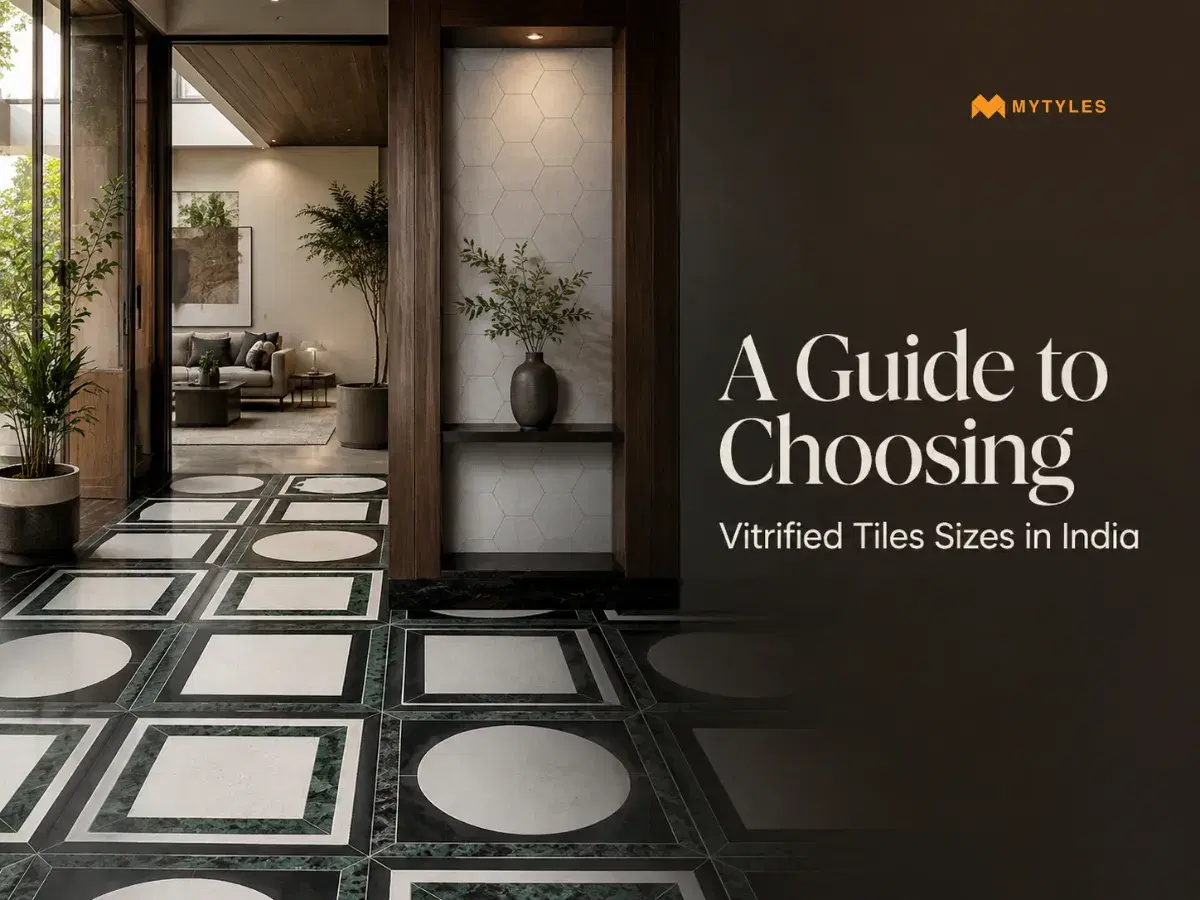
Choosing the right vitrified tile size has a major impact on how a home feels, especially in Indian spaces where layout, light, and movement vary widely. Even when the color and texture look perfect, the tile dimensions decide how spacious or compact a room appears. Larger tiles can widen a room visually, while medium formats offer balance and easier installation. Smaller tiles may suit areas where slopes, drainage, or grip are priorities.
Since vitrified tiles offer strong surface performance, low porosity, and long-term stability, getting the size right helps you achieve flooring that stays visually consistent and easy to maintain. This guide explains sizing options, room-wise recommendations, finishes, layout ideas, and planning tips to support confident decision-making.
What Are Vitrified Tiles?
Vitrified tiles are valued for their strong body, low absorption, and steady performance, making them a trusted choice in Indian homes. Before exploring tile sizes, it helps to understand why vitrified tiles work across living rooms, kitchens, bedrooms, and heavy-use areas.
They are made using a high-temperature process that fuses minerals into a dense, uniform structure. This results in a tile that resists stains, scratches, moisture, and household wear. The hardened surface also allows for a variety of finishes and patterns, from marble designs to stone textures. Because they stay consistent over time, vitrified tiles are available in many sizes suited to different spaces.
Standard Vitrified Tile Sizes Available in India
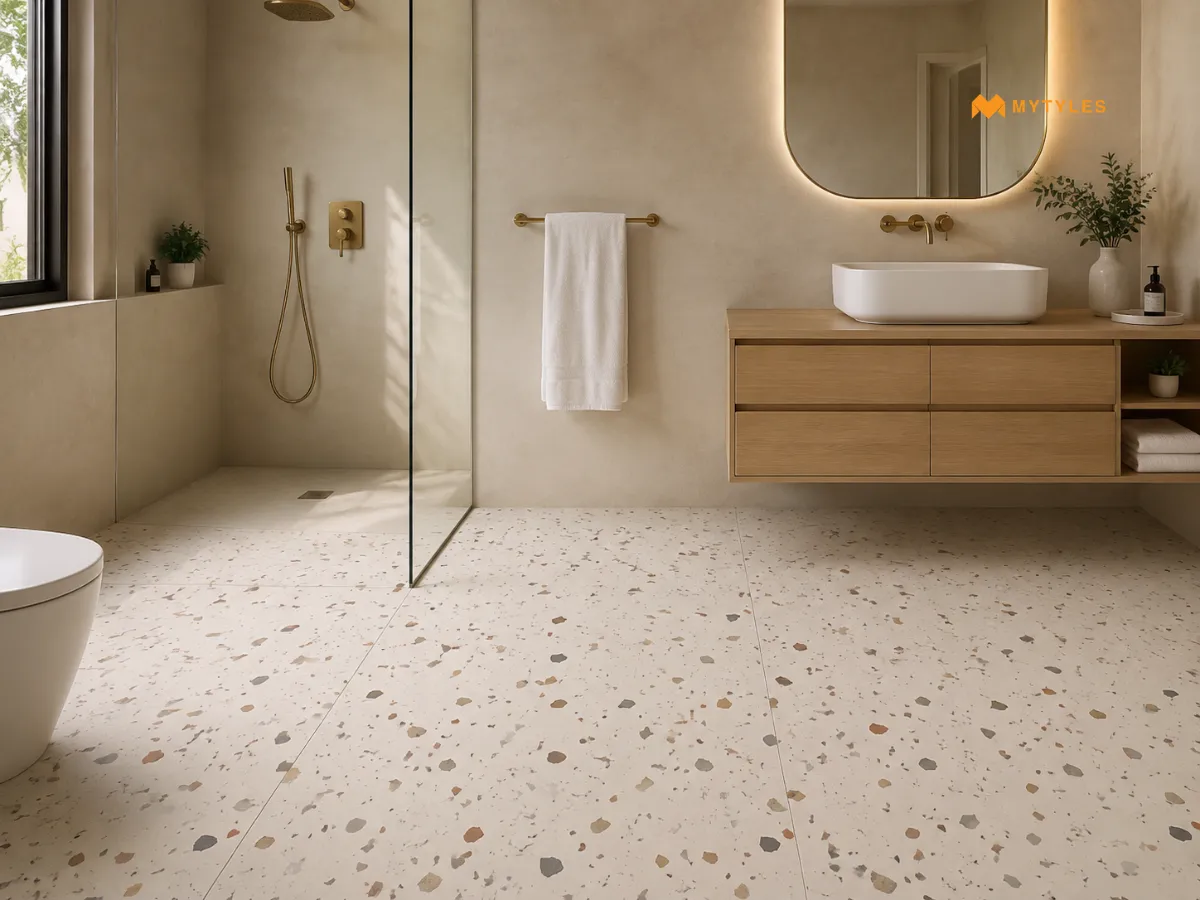
Tile size availability has expanded over the years to accommodate compact homes, spacious apartments, open living areas, and commercial environments. Understanding these sizes helps match the tile format with the purpose of each space.
Common vitrified tile sizes in mm in India include:
- 300 × 300
- 400 × 400
- 600 × 600
- 600 × 1200
- 800 × 800
- 800 × 1600
- 800 × 2400
- 800 × 3000
- 1200 × 1800
- 1200 × 2400
Each size has distinct strengths depending on the room’s scale, installation needs, and design goals.
How Does Tile Size Impact Room Look and Feel?
Tile size shapes how a room appears, how the surface flows, and how often joints break the visual pattern. Understanding these effects helps you choose sizes that improve balance, movement, and maintenance across your home.
Visual Space Enhancement
Larger tiles help rooms appear wider by reducing pattern breaks. Medium tiles work well when you want a balanced, clean layout, while smaller tiles emphasise texture and detail.
Grout Line Reduction
Bigger tiles mean fewer grout joints, which leads to easier cleaning and smoother surfaces. This is useful in living rooms, bedrooms, and high-traffic zones.
Creating Clean, Continuous Floors
Large formats, like 800 × 1600 or 1200 × 2400, create uninterrupted floors that feel organised and steady. They work well in open-plan homes or commercial interiors.
Proportion and Balance
Rooms look their best when the tile size matches the available space. Oversized tiles may crowd compact rooms, while very small tiles can make large rooms feel overly segmented.
Choosing Tile Sizes for Different Spaces
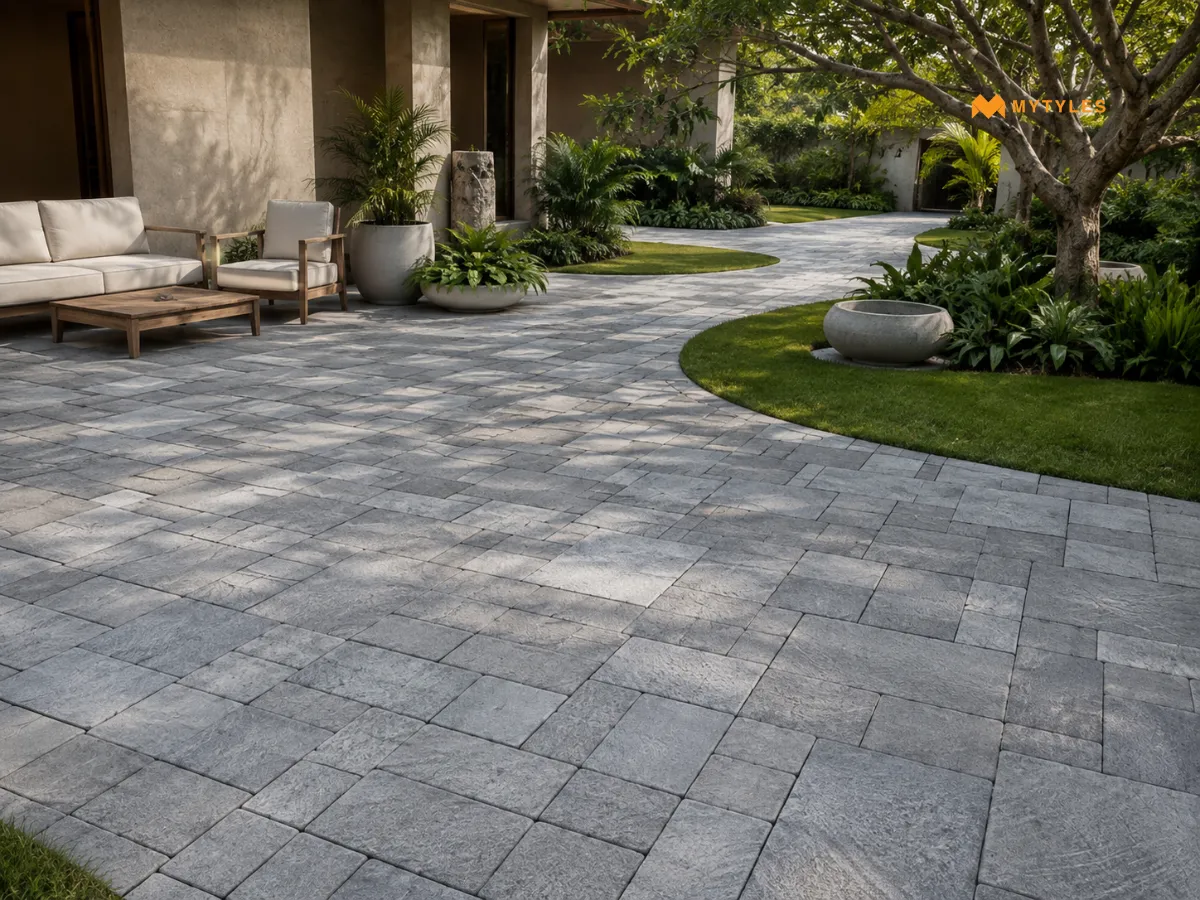
Each room needs a tile size that supports its layout, activity level, and purpose. Selecting the right dimensions can improve comfort, reduce maintenance, and create a visually balanced environment.
- Living Room: Medium and large sizes such as 600 × 600, 800 × 800, or 600 × 1200 give living rooms a neat, open appearance. Large slab tiles suit spacious living areas and homes with open living-dining layouts.
- Bedroom: Bedrooms benefit from sizes that promote calm, uniform surfaces. Options like 600 × 600 and 600 × 1200 work well. Bigger rooms can use 800 × 1600 for a broader layout.
- Kitchen: Medium formats such as 300 × 300, 400 × 400, or 600 × 600 offer steady grip, easy cleaning, and cost-effective installation. For open kitchens, consistent sizing with the living area helps maintain continuity.
- Bathroom: Bathrooms require tiles that support slope and safe footing. Sizes such as 300 × 300 or 400 × 400 allow precise gradient control and better traction.
- Balcony and Outdoor Areas: Outdoor spaces handle varying weather conditions and require tiles with grip. Formats like 400 × 400 or 600 × 600 suit most balconies. Larger terraces can use 600 × 1200 with a suitable finish.
- Commercial Spaces: Showrooms and offices need sizes that minimise joints and maintain a steady visual flow. Large formats like 800 × 1600, 1200 × 1800, or 1200 × 2400 support heavy use and long spans.
Finish & Style Selection Based on Size
Choosing the right finish enhances how the tile size performs in different rooms. Some finishes brighten spaces, others improve grip, and some emphasise patterns best seen in large formats.
Glossy Finish
Glossy tiles pair well with medium and large formats. They brighten interiors and are suitable for living rooms, lobbies, and commercial halls.
Matt Finish
Matt tiles support comfortable movement and reduce glare. They work well with all sizes and are suitable for kitchens, bedrooms, and outdoor areas.
Textured Finish
Textured tiles add practical traction, especially in open balconies, utility spaces, and commercial areas. Medium formats provide the best balance of grip and layout.
Bookmatched Designs
Bookmatched slabs in sizes like 800 × 2400 or 1200 × 2400 create continuous flowing patterns ideal for large living rooms and feature walls.
Layout Patterns That Suit Each Tile Size
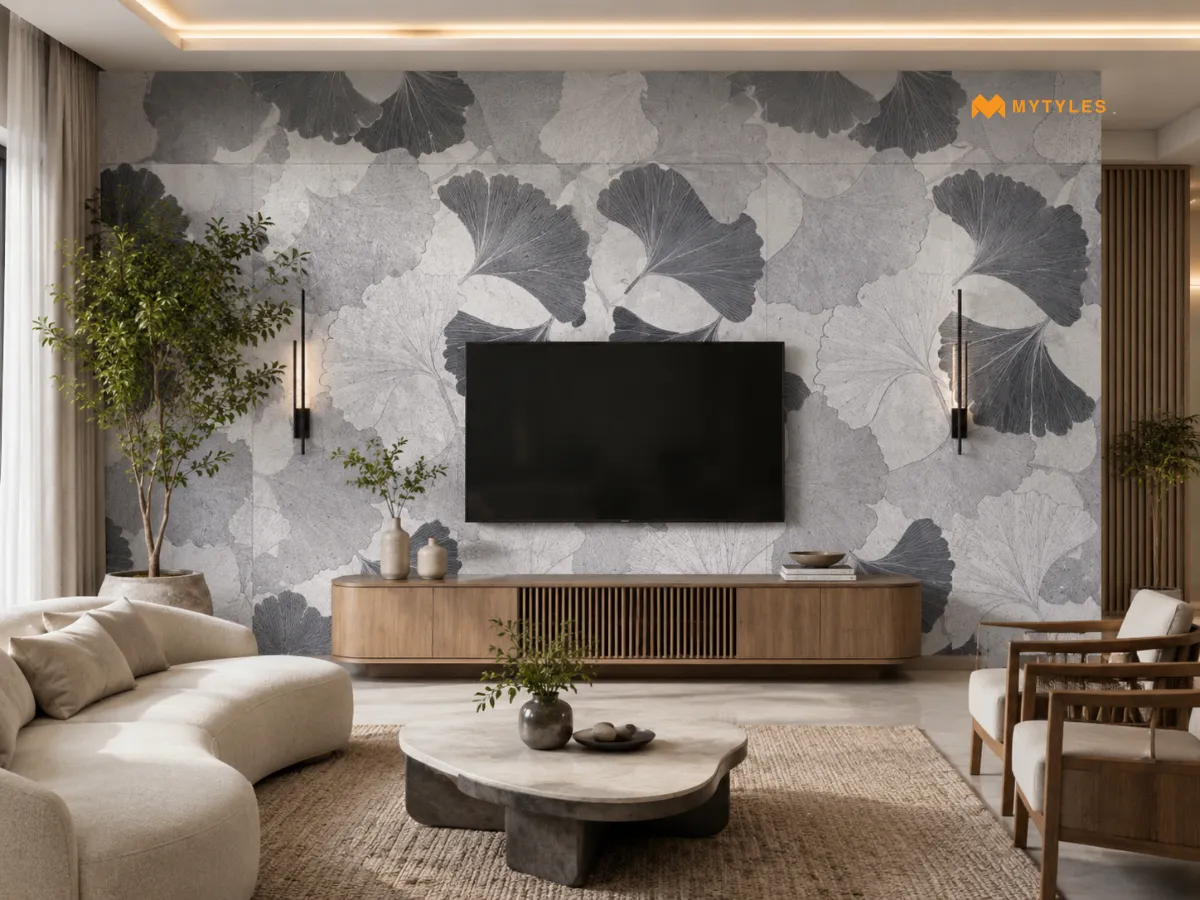
Different layouts change how tile sizes appear on the floor. Choosing the right pattern ensures the room looks structured, clear, and visually aligned with its proportions.
- Straight Lay: A clean layout suitable for all sizes. Works especially well for medium and large tiles to maintain clarity.
- Brick Pattern: Ideal for square tiles and rectangular planks. Adds movement without overpowering the room.
- Staggered Layout: Perfect for rectangular tiles like 600 × 1200 or 800 × 1600, helping guide direction in long rooms.
- Large-Format Seamless Layouts: Extra-large slabs reduce joints and enhance flow. This tile size is best suited for expansive floors in both residential and commercial interiors.
Tips for Accurate Measurement & Planning
Proper measurement ensures that the tile size fits the room correctly, reduces wastage, and makes installation smoother. Planning ahead prevents mismatched layouts or unnecessary expenses.
- Calculating Tile Quantities: Measure the total area and calculate tile requirements in square metres. Refer to the size of each tile to estimate boxes needed.
- Planning for Wastage: Keep 5–10% extra tiles for cuts and pattern adjustments, and 10–12% for large formats or complex layouts.
- Consulting Professionals: Experienced installers can evaluate slopes, alignment, subfloor condition, and layout patterns to ensure precision.
Choosing the Right Tile Size for a Lasting Flooring Upgrade
Selecting the right vitrified tile size is more than a design choice; it shapes the comfort, openness, and long-term usability of every room. When the tile size matches the layout correctly, the flooring feels stable, easy to maintain, and visually consistent for years. Larger slabs bring flowing surfaces, medium sizes offer balance, and compact formats support grip and practical installation. If you’re planning new flooring or redoing a single room, choosing the right tile size now prevents costly changes later. Visit MyTyles to check vitrified tile sizes designed for different rooms and layouts. Compare formats, understand their uses, and choose tiles that match your interior plan. Expert support is available if you need help selecting the right dimensions for your space.

What Vitrified Tile Sizes Are Commonly Available in India?

Vitrified tiles in India are available in several formats, commonly including 600×600 mm, 600×1200 mm, 800×800 mm, 800×1600 mm, and selected larger sizes. Availability varies across manufacturers, collections, finishes, and applications. Homeowners should verify the exact dimensions, thickness, packaging, and recommended use on the individual product page or technical sheet before planning the room layout.
Which Vitrified Tile Size Suits Small Rooms?
Medium-format vitrified tiles, such as 600×600 mm, often work well in compact bedrooms, kitchens, passages, and living areas because they can limit awkward cuts. Larger formats may also make small rooms appear calmer by reducing grout lines, provided the layout fits. Measure wall-to-wall dimensions and fixed elements before assuming a particular size will suit the space.
Which Vitrified Tile Sizes Suit Large Rooms?
Large-format vitrified tiles, including 600×1200 mm and other bigger options, can create a more continuous appearance in spacious living rooms, dining areas, bedrooms, and commercial-style interiors. Fewer joints highlight marble, stone, or concrete patterns. However, large tiles need a flat substrate, suitable handling space, compatible adhesive, skilled installation, and carefully planned cuts around edges and openings.
Can the Same Tile Size Be Used on Floors and Walls?
Tile size alone does not determine whether a vitrified tile suits floors or walls. Check the product’s intended application, thickness, weight, breaking strength, finish, and installation requirements. Large wall formats need adequate support and suitable adhesive, while floor tiles must match traffic and slip conditions. Never use a wall-only product on flooring simply because its dimensions fit.
How Does Tile Size Affect Grout Lines and Wastage?
Larger vitrified tiles create fewer grout lines, but they may generate more wastage when rooms contain many corners, columns, niches, or diagonal layouts. Smaller formats provide greater flexibility around irregular areas. Prepare a scaled layout before ordering, calculate full and cut tiles separately, and include reasonable extra material for breakage, installation cuts, shade matching, and future repairs.
How Does Vitrified Tile Size Influence Room Appearance?
Square vitrified tiles create a balanced grid, while rectangular formats can visually lengthen or widen a room depending on their orientation. Large marble-look tiles showcase veining, and plank formats support wood-inspired layouts. Size should coordinate with room proportions, furniture placement, doorways, and grout color. Ask the installer to dry-lay several pieces before approving the final direction.
What Should Buyers Check Before Choosing a Tile Size?
Before selecting a vitrified tile size, check actual dimensions, nominal dimensions, thickness, edge type, weight, box coverage, shade and calibre variation, finish, application, and stock availability. Measure the installation area accurately and verify lift, staircase, and doorway access for large formats. Purchase matching batches and appoint an installer equipped to cut, handle, align, and fix the chosen size.

ABOUT THE AUTHOR
Biren Agrawalla
Biren Agrawalla is the Founder of MyTyles, driven by a passion for making tile buying simpler, smarter, and more customer-friendly. With a background in technology and a strong interest in how homes are designed, he built MyTyles to bridge the gap between traditional tile retail and modern customer needs. Biren focuses on understanding what people truly look for when creating their spaces, from practical choices to design inspiration. His work is centred on building thoughtful online solutions that help homeowners discover the right tiles with more confidence, convenience, and clarity.
Latest Blogs By MyTyles