Inspiration Gallery
Blog
Tile Calculator
08065423741



.svg)


Create a Stunning Look with 3D Tiles Design
ByBiren Agrawalla

Thu , Aug 20 , 2026

Read Time: 5 Min


 Copied!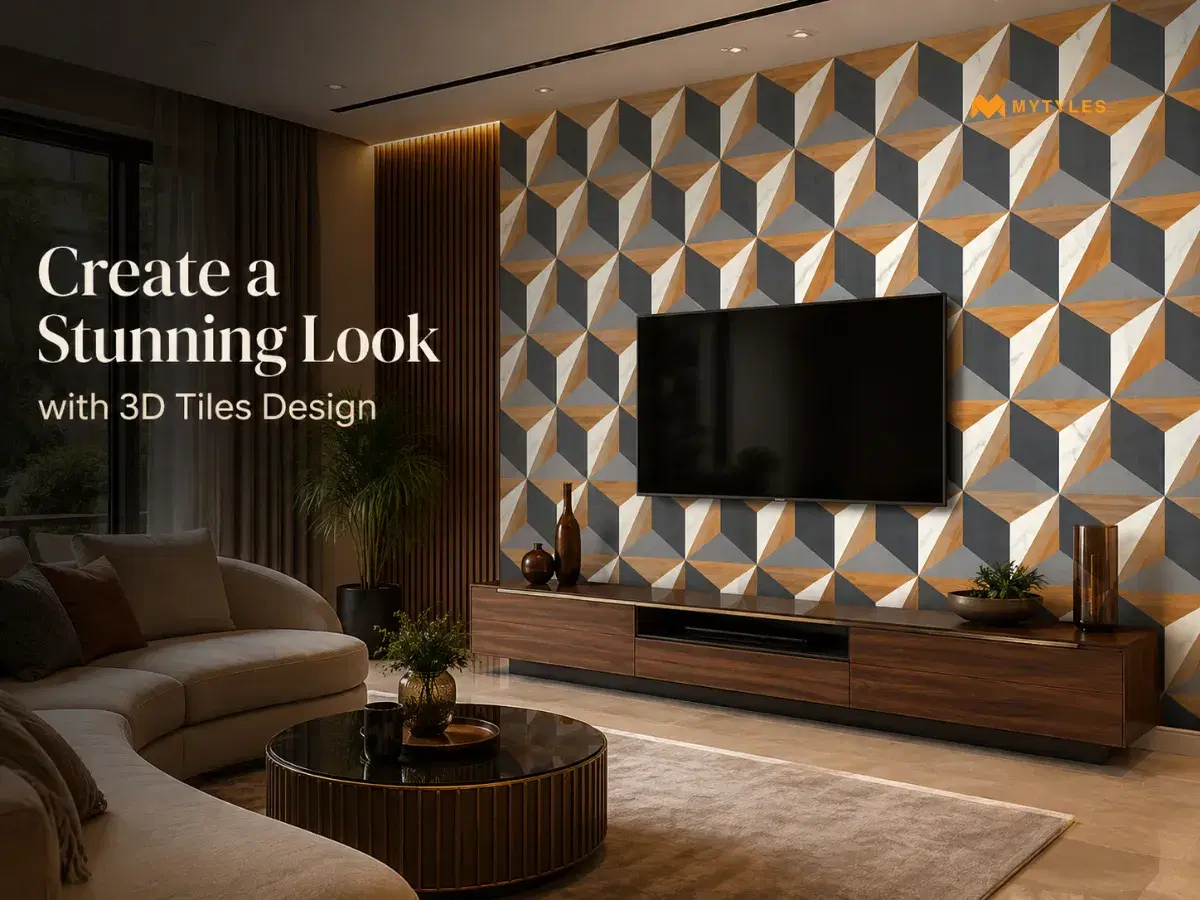
3D tiles have become a favourite among homeowners who want walls that stand out without looking overwhelming. The layered effect instantly adds depth, movement, and texture, giving even a simple room a more finished look. Today’s 3D tiles design options range from soft wave patterns to bold geometric styles, allowing you to match them with modern, minimal, rustic, or artistic interiors. They fit well into small and large spaces because the raised surface plays beautifully with light.
If your goal is to highlight one wall or refresh an entire zone, 3D tiles design helps you achieve a polished, visually engaging style with very little maintenance. This guide walks you through features, materials, placements, and patterns to help you use 3D tiles design in a way that feels intentional, stylish, and easy to live with.
What Are 3D Tiles?
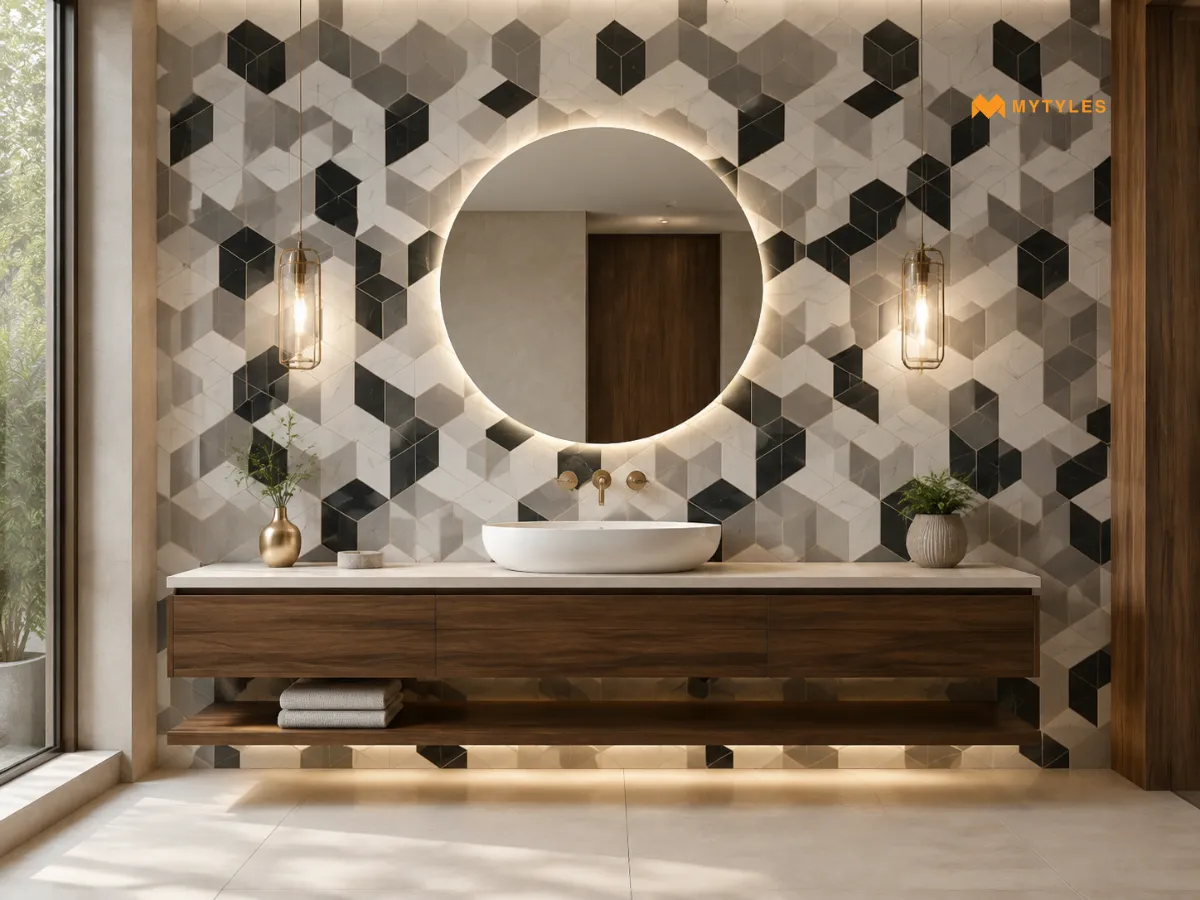
3D tiles are wall tiles shaped with raised patterns that create shadows, texture, and depth. Their unique surface gives walls more movement and visual interest compared to flat tiles, making them ideal for feature zones and updated interiors. 3D tiles are crafted to catch light at different angles, turning a plain wall into a focal point. They’re available in ceramic, porcelain, stone-inspired, and glossy variants, fitting both modern and traditional styles. Homes use them for feature walls, bathrooms, kitchen backsplashes, and staircase sidewalls.
Types of 3D Tiles
Different materials create different levels of depth, shine, strength, and texture. Knowing how each type behaves helps you pick tiles that suit your home’s conditions, usage levels, and styling preferences.
Ceramic 3D Tiles
Ceramic 3D tiles are lightweight, affordable, and available in many patterns, making them ideal for feature walls in bedrooms or living rooms. Their easy installation and smooth handling make them suitable for homeowners seeking texture and visual depth without high maintenance demands.
Porcelain 3D Tiles
Porcelain 3D tiles offer strength, moisture resistance, and long-lasting texture, making them ideal for kitchens, bathrooms, and balconies. Their dense body allows deeper sculpting, giving walls a pronounced layered effect. They maintain their finish easily across high-use areas and changing climates.
Stone-Inspired 3D Tiles
Stone-inspired 3D tiles replicate slate, sandstone, and limestone textures, bringing a grounded, naturally structured look to walls. These tiles suit outdoor zones, rustic interiors, and accent spaces that benefit from uneven depth patterns resembling real stone, without the maintenance challenges of actual stone surfaces.
Metallic and Glossy 3D Tiles
Metallic and glossy 3D tiles create reflective surfaces that interact beautifully with artificial and natural lighting. Their polished and sculpted textures suit feature zones in living rooms or commercial spaces, offering a modern visual effect that enhances depth, brightness, and contemporary styling.
3D Tile Design Ideas for Different Spaces
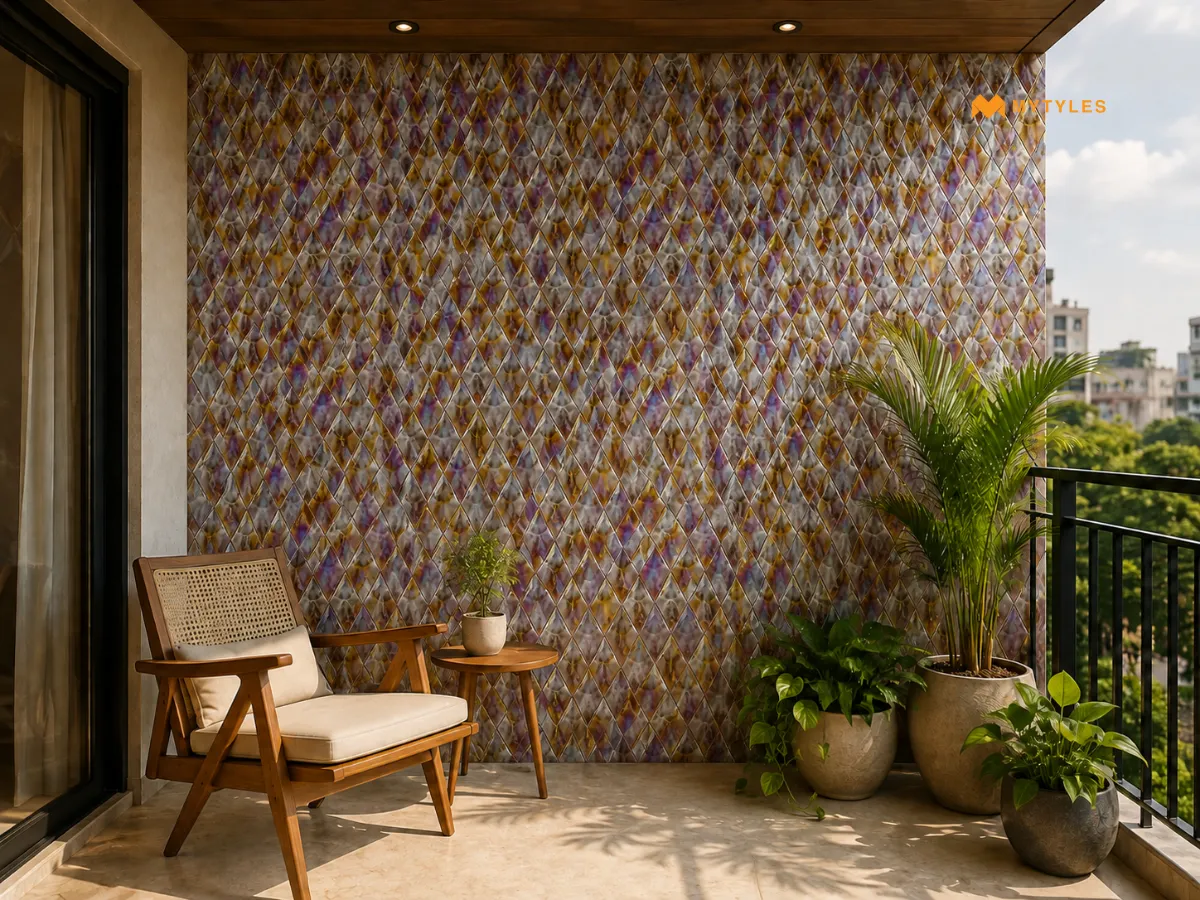
Placement plays a big role in making 3D tiles look tasteful, not overpowering. Each room benefits differently depending on how the tiles interact with light, colour, and furniture.
- Living Room Feature Walls: A 3D wave or geometric panel behind the sofa or TV unit adds depth and focus instantly.
- Bedroom Accent Walls: Soft curves, floral textures, or subtle layered tiles create a relaxing, cosy atmosphere for the headboard zone.
- Kitchen Backsplash with 3D Texture: Matte, ridged tiles create movement while maintaining easy cleaning. They work well in neutral and bold kitchens.
- Bathroom 3D Wall Concepts: Porcelain 3D tiles on shower walls or behind the vanity help achieve spa-like calmness.
- Staircase Wall Enhancements: A vertical 3D pattern along the side of the stairs adds rhythm and connects different levels visually.
- Balcony and Outdoor Walls: Weather-friendly stone-look 3D tiles make balcony walls more inviting and naturally textured.
Popular 3D Tile Patterns
Patterns define the mood of your wall, calm, bold, dramatic, or artistic. Understanding these patterns helps you choose one that matches the room’s purpose and style.
Wave and Ripple Designs
Wave and ripple patterns bring gentle movement to walls, making them ideal for calming spaces like bedrooms, living rooms, or spa-inspired bathrooms. The curved ridges catch light softly, creating a relaxing layered effect without overwhelming the overall room design or colour palette.
Geometric 3D Patterns
Geometric 3D tiles use sharp lines, angular shapes, and structured contours to create a strong visual rhythm. They suit modern interiors, TV backdrops, and staircase feature walls. Their raised surfaces create shadows that highlight shape repetition, adding depth and directionality to otherwise plain wall sections.
Hexagon and Diamond Designs
Hexagon and diamond 3D tiles introduce clean geometry with subtle depth, ideal for kitchens, bathrooms, and contemporary living spaces. Their interlocking patterns create dimensional balance without overpowering smaller rooms, making them a versatile choice for both subtle and standout feature applications.
Floral and Nature-Inspired Motifs
Nature-inspired 3D tiles use soft curves, botanical details, and sculpted petals to create soothing feature walls. They work beautifully in bedrooms, lounges, and balconies, adding organic structure and gentle texture. These designs create a sense of flow while staying easy to pair with many colours.
Layered and Sculpted Textures
Layered tiles feature deep, stacked ridges that cast pronounced shadows, giving walls a bold architectural presence. These textures suit larger living rooms, statement walls, and commercial installations where dramatic depth enhances overall visual impact. They provide structured movement and a strong three-dimensional effect.
Placement and Proportion of 3D Tiles
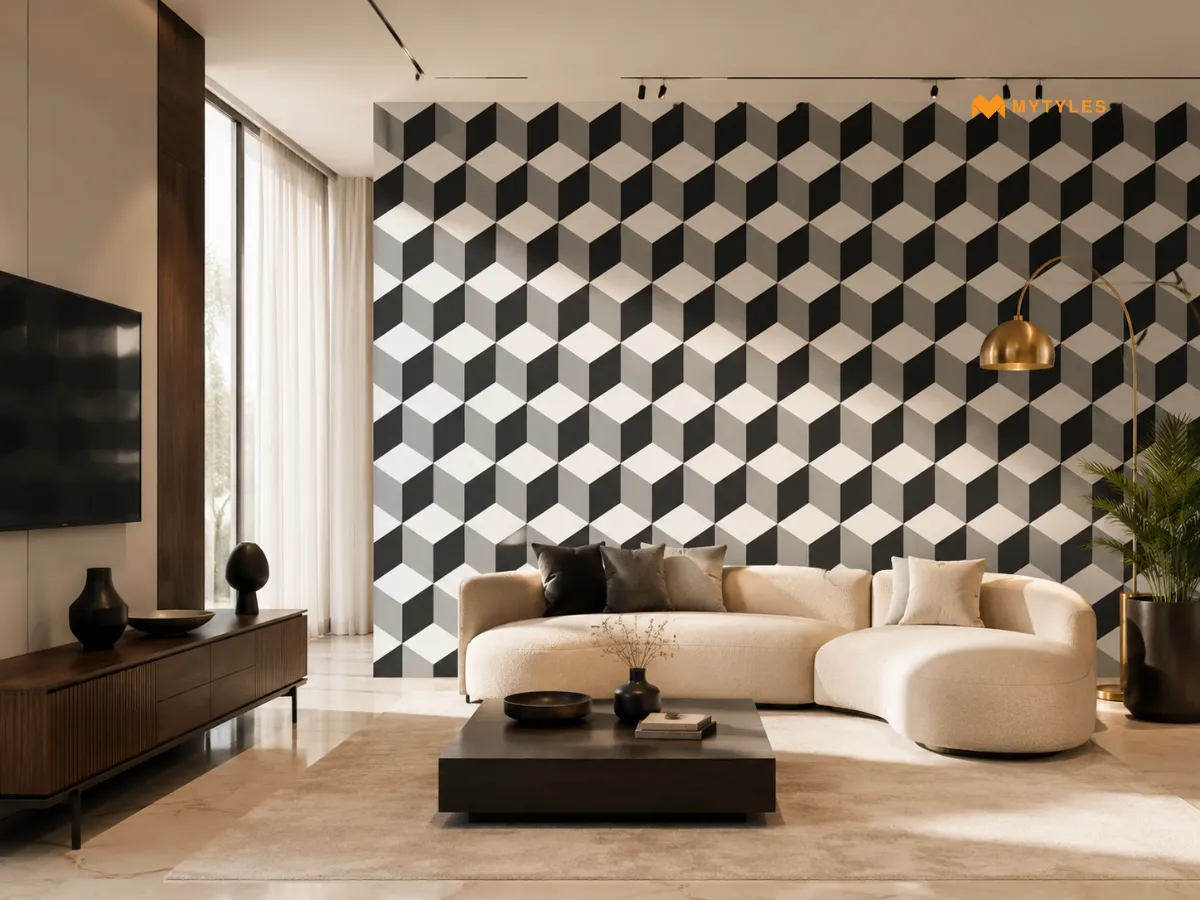
How 3D tiles are placed has a major impact on how they appear in a room. Proportion, lighting, and surrounding elements decide whether the texture feels balanced or overwhelming, making thoughtful placement essential for achieving a clean, well-coordinated visual effect.
Focus on a Single Feature Wall
Using 3D tiles on one key wall keeps the room visually balanced. A single feature zone allows the texture to stand out without overwhelming the space, making the design feel intentional and supporting clean, structured styling across the rest of the room.
Match Tile Scale to Wall Size
Large, sculpted tiles suit spacious walls with room for patterns to unfold naturally, while smaller textured tiles fit compact surfaces. Matching tile scale to the wall dimensions ensures the texture feels proportional and avoids making the wall appear crowded or visually heavy.
Pair with Thoughtful Lighting
Lighting shapes how 3D patterns appear. Soft wall lamps create gentle shadows, while spotlights or ceiling lights highlight ridges more sharply. Choosing lighting that complements the chosen texture helps emphasise depth without creating harsh contrast or uneven brightness across the wall.
Strategically Use in Smaller Rooms
In compact rooms, place 3D tiles where they naturally catch eye-level movement, such as behind a bed or near a staircase. Strategic placement ensures the depth appears intentional while maintaining openness, preventing the room from feeling visually tight or cluttered.
Bring Texture and Style to Your Walls
3D tiles can completely change the feel of a room by adding depth, light play, and a touch of modern detail. When placed on the right walls, they bring dimension without needing extra décor or complicated styling. Matching the pattern, colour, and material to your space helps you create walls that feel expressive, balanced, and easy to maintain. If you’re planning to refresh a living room, bathroom, kitchen, or balcony, exploring the latest 3D tiles design collections can help you find styles that fit your home effortlessly. To compare textures, patterns, and finishes suited for Indian homes, browse the curated 3D tile options at MyTyles, where you can find practical guidance and designs made for everyday living.

What Are 3D Tiles and Which Designs Are Popular?

3D tiles feature raised, carved, fluted, or sculpted surfaces that create visible depth through light and shadow. Popular designs include geometric waves, brick effects, floral reliefs, stone textures, linear grooves, and layered cubes. They work best as focused design elements, adding character without requiring furniture, artwork, or extensive structural changes within the room at home.
Where Can 3D Tiles Be Used at Home?
3D tiles can enhance TV backdrops, sofa walls, entrance panels, dining areas, bedroom headboards, staircase walls, wash basin backdrops, and selected bathroom or kitchen sections. Choose one main surface where lighting can reveal the texture. Covering several nearby walls with different relief patterns may create visual clutter, especially in small or heavily furnished rooms overall.
Which 3D Tiles Suit Small Rooms?
Light-colored 3D tiles in ivory, beige, white, or soft grey can add depth without making a compact room feel heavy. Shallow reliefs and vertical fluting may create a cleaner, taller appearance. Limit coverage to one panel or niche, coordinate grout closely, and avoid oversized patterns or dark textures that overpower furniture and reduce visual openness.
How Can Lighting Enhance 3D Tile Designs?
Wall washers, spotlights, side lighting, and concealed LED strips can emphasize the shadows formed by 3D surfaces. Position fixtures at an angle to reveal the relief instead of lighting the wall completely flat. Warm illumination complements beige, wood, and stone designs, while neutral light suits white, grey, or concrete effects. Test lighting before finalising installation.
Which Materials Are Available for 3D Tiles?
Ceramic, porcelain, vitrified, and selected natural stone tiles are available with three-dimensional surfaces. Ceramic products are often lighter and easier to cut, while denser or large-format tiles may require stronger support and specialised handling. Confirm wall or floor approval carefully, because many decorative 3D tiles are intended only for vertical surfaces and may not withstand foot traffic.
How Should 3D Tiles Be Cleaned and Maintained?
Dust grooves and raised sections regularly with a microfiber cloth, soft brush, or low-suction vacuum attachment. Clean marks using warm water and a mild tile-safe cleaner, then dry the surface to prevent residue. Avoid harsh acids, abrasive powders, and metal brushes. Shallow patterns are generally easier to maintain than deep, highly detailed, or porous relief surfaces.
What Should Homeowners Check Before Buying 3D Tiles?
Before buying 3D tiles, check dimensions, thickness, weight, finish, relief depth, edge quality, shade variation, pattern repeat, stain resistance, cleaning needs, and recommended application. View multiple samples under the planned lighting to understand shadow effects. Measure around sockets, shelves, corners, and furniture, purchase extra pieces for cuts, and choose an installer experienced with textured surfaces.

ABOUT THE AUTHOR
Biren Agrawalla
Biren Agrawalla is the Founder of MyTyles, driven by a passion for making tile buying simpler, smarter, and more customer-friendly. With a background in technology and a strong interest in how homes are designed, he built MyTyles to bridge the gap between traditional tile retail and modern customer needs. Biren focuses on understanding what people truly look for when creating their spaces, from practical choices to design inspiration. His work is centred on building thoughtful online solutions that help homeowners discover the right tiles with more confidence, convenience, and clarity.
Latest Blogs By MyTyles