Inspiration Gallery
Blog
Tile Calculator
08065423741



.svg)


What Are 3D Tiles? Complete Beginners Guide for 2026
ByBiren Agrawalla

Tue , Jul 28 , 2026

Read Time: 5 Min


 Copied!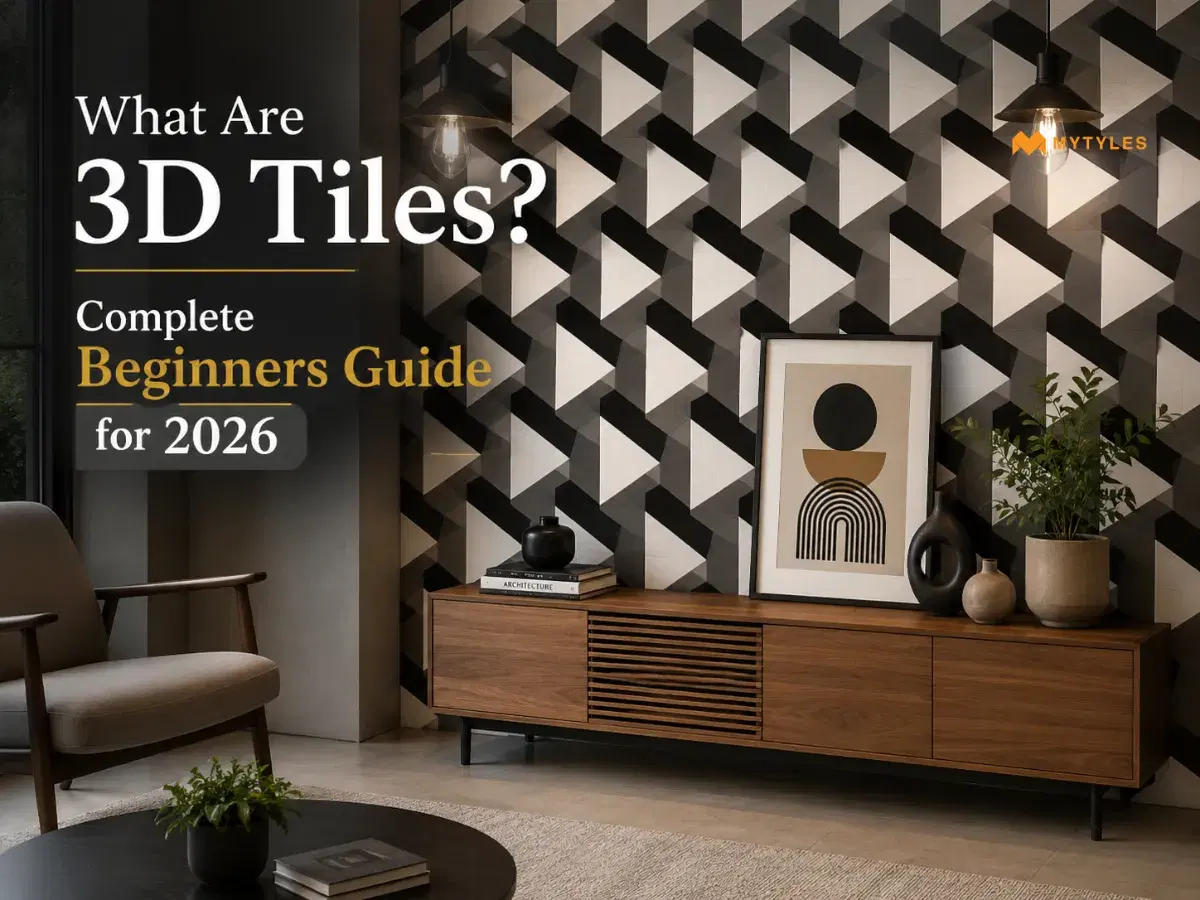
People no longer want plain walls or flat floors that fade into the background. They like surfaces which are visually appealing and yet maintain the room light. That’s why 3D tiles fit naturally into modern interiors. By adding depth and texture, they bring life to walls and selected floor areas while still keeping the overall look balanced. From subtle patterns to bold feature walls, 3D tiles for home interiors suit different tastes and room sizes. You can use them in living rooms, bedrooms, or entry areas. These tiles help shape spaces in a way that feels modern, thoughtful, and long-lasting rather than purely decorative.
Why Are 3D Tiles Everywhere in 2026?
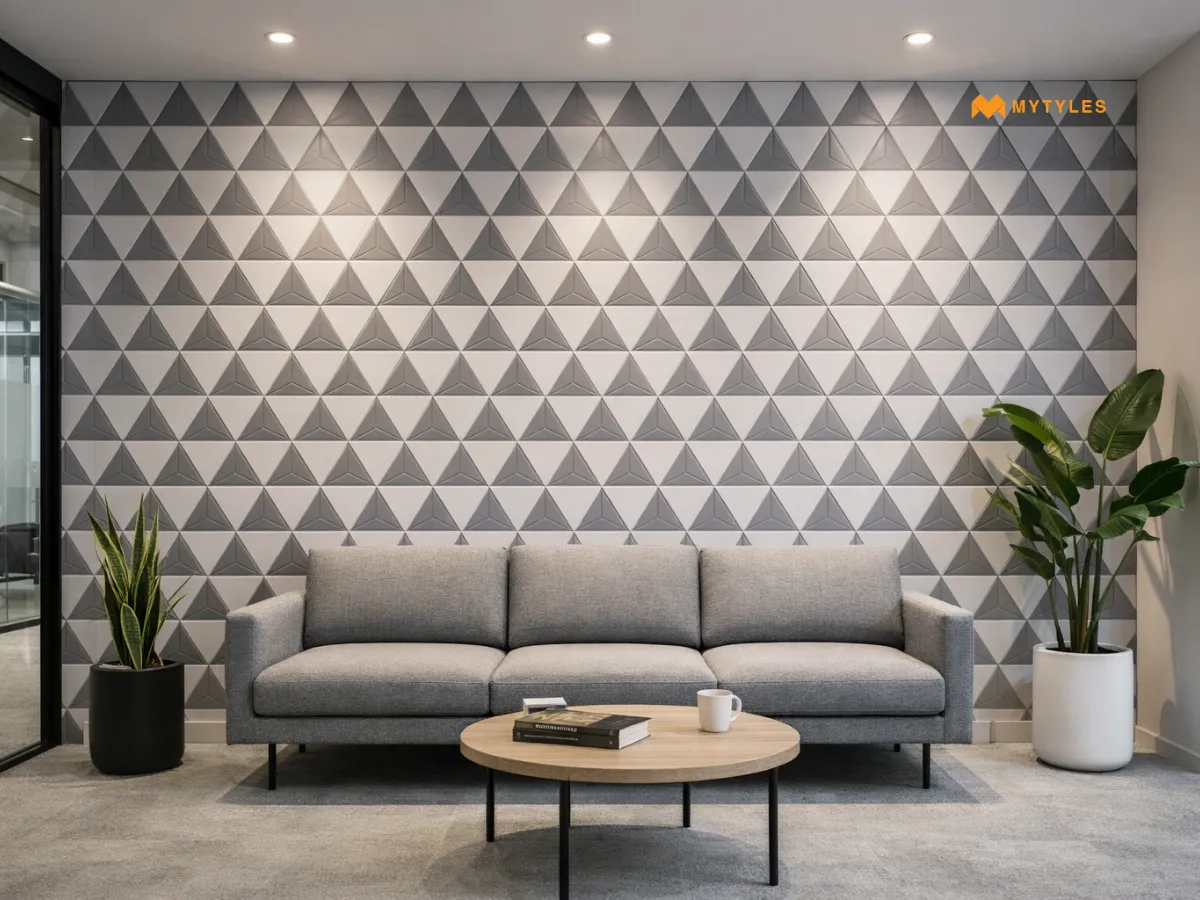
Design trends in 2026 focus on creating spaces that feel layered and complete, not overdone. 3D wall tiles allow homeowners to add interest without relying on extra decor like panels or wall art. A single 3D tile design can change how light moves across a room, making even simple layouts feel well-planned. Another reason for their popularity is flexibility. 3D tiles for wall applications work well in both small apartments and large homes. As people look for finishes that stay relevant longer, interiors are seen as a practical upgrade rather than a passing trend.
What Makes 3D Tiles Different?
3D tiles are designed with raised or layered surfaces that create a visible depth once installed. Unlike flat tiles that rely only on color or print, these tiles add texture you can actually see and feel. 3D tile designs for wall applications are commonly used to highlight specific areas. 3D floor tile designs focus on adding texture without affecting comfort or safety. These tiles are made using materials like ceramic, porcelain, or vitrified finishes, depending on usage. When placed correctly, 3D tiles for walls or floors create subtle shadows that change throughout the day, adding movement to the space.
Types of 3D Tiles
Different materials are used to create 3D tiles, depending on where they will be installed. Other tiles are more concerned with visual texture to be used on the walls but others are made to be used in regular utilisations on the floor or places that are prone to moisture.
Ceramic
Ceramic 3D tiles for walls are decorative and can be lightweight. This ensures that they can be used in residential settings and bedrooms, as well as on feature walls.
Porcelain
Porcelain 3D tiles are denser and more durable, suitable for both walls and selected floor areas. The tiles are recommended in places where the strength and low water absorption are significant.
Glass Highlighter
Glass highlighter 3D tiles designed for walls add shine and depth. They are often used in bathrooms, on dining walls, or in accent sections where light reflection helps brighten the space.
Vitrified
The design of vitrified 3D floor tiles is strong and textured. They suit halls and places of living where durability and the aesthetic appeal are demanded.
Popular 3D Tile Designs & Patterns in 2026
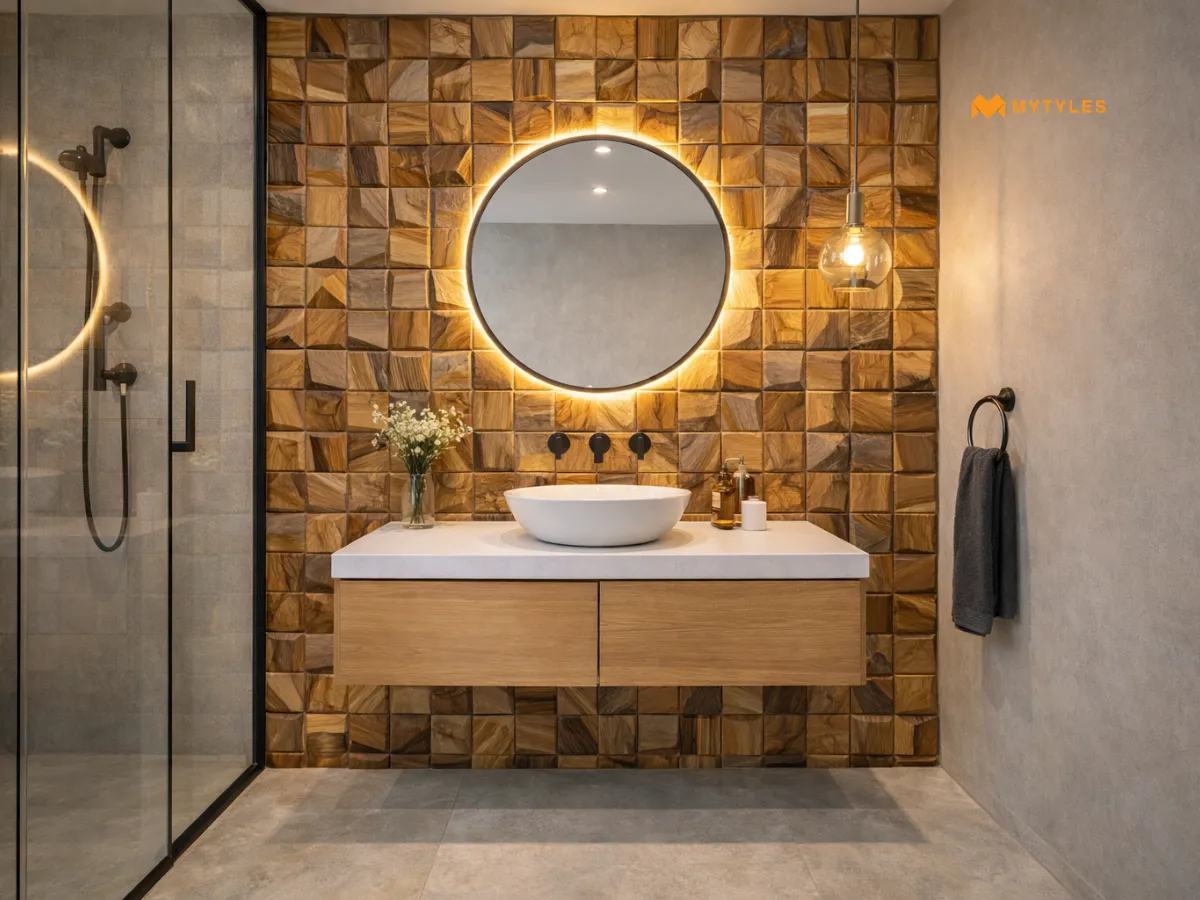
Design preferences in 2026 lean towards textures that feel thoughtful. Popular 3D tile styles focus on balance rather than boldness. Depth and surface detail are used to add interest while keeping interiors calm and orderly.
Geometric Layered Patterns
Geometric layered designs bring structure to modern interiors. Their raised forms suit living room walls and add character without dominating the space.
Stone-Inspired 3D Surfaces
Natural surface finishes bring a relaxed feel to interiors. 3D tiles recreate stone surfaces. It makes cleaning and maintenance simple compared to real stones.
Soft Floral Patterns
Floral patterns add natural softness to interiors. Floral 3D tile design for the wall keeps spaces elegant without feeling heavy.
Wave Patterns
Wavy textures introduce movement and soft shadows. 3D tiles for hall walls benefit from this relaxed and visually open effect.
Where Can 3D Tiles Be Used?
3D tiles work best when placed thoughtfully rather than everywhere. Different rooms benefit from different textures, helping 3D tiles for room design blend naturally with daily use, lighting, and furniture placement.
- Living Room: A textured accent wall highlights seating or TV areas. 3D tiles for living room spaces add depth while keeping layouts uncluttered.
- Bedroom: Soft surface detailing works best in quiet spaces. 3D wall tiles placed behind the bed to add interest while keeping the room restful.
- Pooja Room: Surface texture helps mark the space with clarity. 3D tiles for the pooja room bring depth while keeping the setting simple and undistracted.
- Bathroom: Raised surfaces enhance smaller areas visually. 3D tile designs for bathroom wall sections work best near vanities or shower zones.
- Dining Room: Accent walls help frame dining spaces clearly. 3D tiles for dining room walls add visual interest.
Advantages of Using 3D Tiles
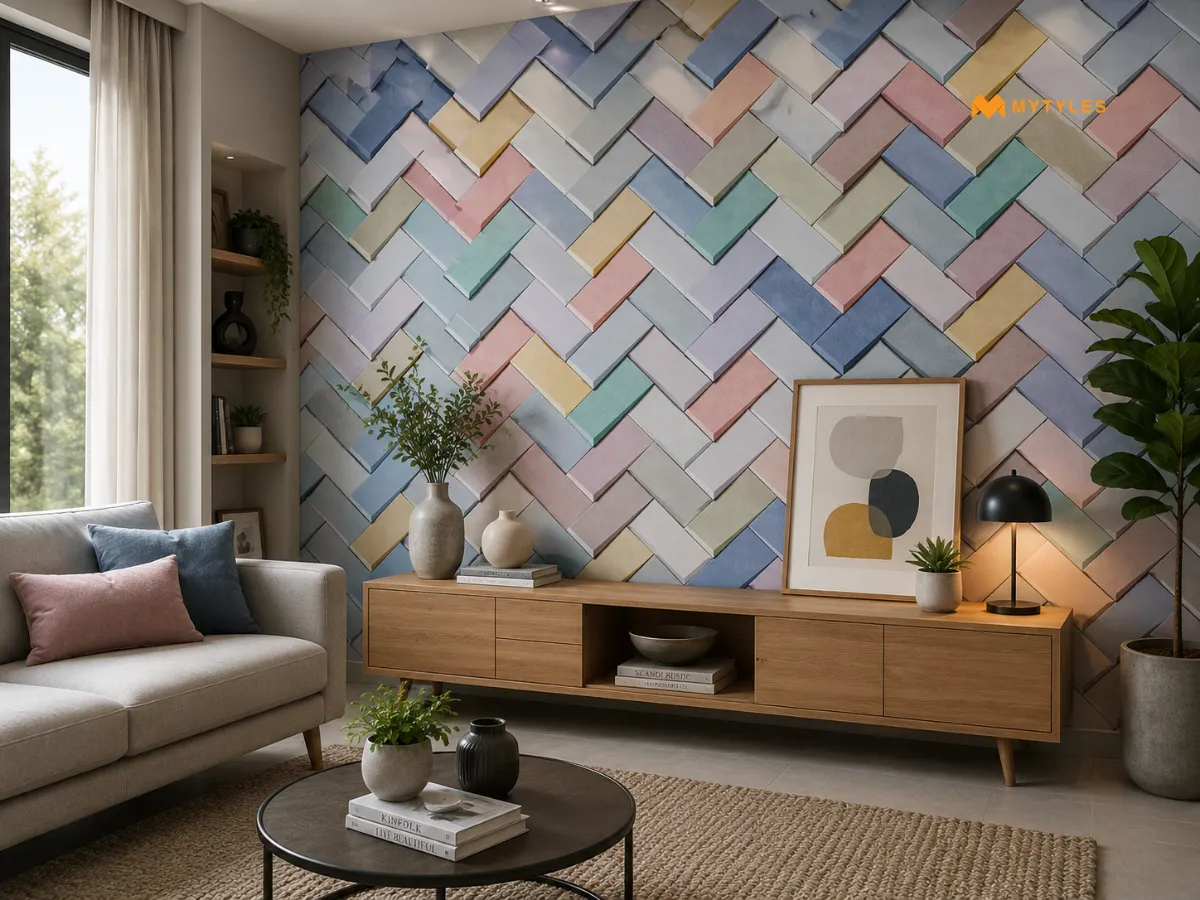
3D tiles improve how walls and floors feel within a space by adding texture and visual interest. They add depth, form and definition to walls and elevations without the use of other elements.
- Adds Visual Depth: Layered textures create shadows and highlights that change through the day. A single 3D tile image can explain this depth better than flat surface finishes.
- Creates a Clear Focal Point: Feature walls using 3D tiles for front wall applications naturally draw attention and give entry areas a defined, intentional appearance.
- Durable and Long-Lasting: Exterior-facing designs such as 3D elevation tiles are built to hold texture and finish over time, even when exposed to changing weather conditions.
- Floor Application: Textured options such as 3D floor tiles for the hall are used selectively, while standard tiles remain preferred for continuous flooring.
- Easy to Pair: Textured walls using modern 3D wall tiles for living room designs blend well with wood furniture, neutral colors, and simple lighting arrangements.
3D Tiles vs Regular Wall Tiles
3D and regular tiles have various functions in a house and they can be used to accommodate different designs. Regular tiles suit full-area coverage and everyday use. 3D tiles are selected for visual impact, controlled placement, and adding depth to specific sections.
Features | 3D Tiles | Regular Tiles |
Primary Purpose | Mainly to add texture and visual interest to selected areas | Chosen for everyday use and complete surface coverage |
Best Areas for Applications | Works best on feature walls, entrances, TV units and elevations | Commonly used on floors, in kitchens, in bathrooms and in other spaces. |
Maintenance | May need extra attention due to raised surfaces. | Easy to clean and maintain |
Visual Impact | Adds depth and creates a noticeable design that highlights the space | Keeps the look clean, simple and neat |
Lighting Effect | Lights falls unevenly due to the texture, creates a natural shadow and depth | Light falls on and reflects evenly without much variation. |
Durability | 3D tiles are designed more for their appearance than daily use | Regular tiles are built to handle regular use, moisture and foot traffic |
Add A Third Dimensions to Your Space
3D tiles have become a thoughtful design choice rather than a passing trend. Careful placement enhances interiors and surface detail without making the room feel heavy. These tiles give walls a clear purpose through surface detail. The room feels finished without visual overload. Homeowners today prefer finishes that feel intentional and long-lasting, which is why 3D tiles for room design continue to gain attention.
If you’re exploring 3D tiles and want options that feel considered rather than overdone, take a look at the collections at MyTyles. It's a good place to compare styles, understand finishes, and find tiles that suit your space without second-guessing your choices.

Are Front Wall Tile Designs Weather Resistant?

Modern 3D wall tiles for front exteriors perform well outdoors when manufactured for exterior use and installed with proper adhesives and sealing methods.
Are 3D Wall Tiles For Bedrooms Hard To Maintain?
3D wall tiles for bedrooms are easy to maintain with regular dusting and light cleaning, especially when the texture depth remains moderate.
What Makes 3D Tiles Different From Regular Tiles?
3D tile adds visible surface depth, creating light and shadow effects that flat tiles cannot achieve on plain walls. Whereas 3D tiles are harder to clean than regular tiles.
How Do I Choose A 3D Tile Design For Bedroom Walls?
3D tile design for bedrooms should focus on soft textures and gentle patterns that support rest without creating visual distraction.
Do 3D Wall Tile Designs Suit Modern Interiors?
3D wall tile design fits modern interiors by adding texture while allowing clean furniture lines and neutral colors to remain visually dominant.

ABOUT THE AUTHOR
Biren Agrawalla
Biren Agrawalla is the Founder of MyTyles, driven by a passion for making tile buying simpler, smarter, and more customer-friendly. With a background in technology and a strong interest in how homes are designed, he built MyTyles to bridge the gap between traditional tile retail and modern customer needs. Biren focuses on understanding what people truly look for when creating their spaces, from practical choices to design inspiration. His work is centred on building thoughtful online solutions that help homeowners discover the right tiles with more confidence, convenience, and clarity.
Latest Blogs By MyTyles