ByBiren Agrawalla
Thu , Aug 06 , 2026
Read Time: 5 Min
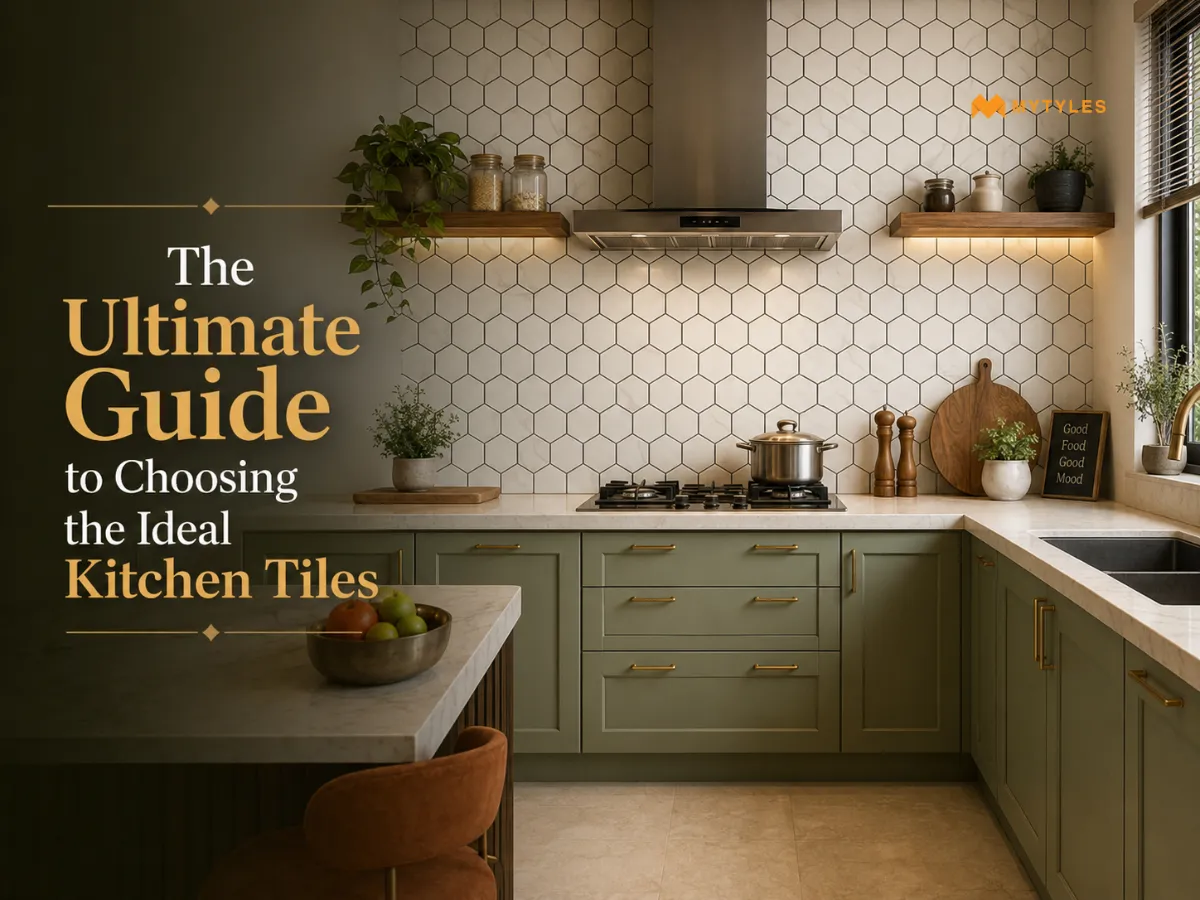
A kitchen is often called the heart of the home, where functionality goes hand in hand with style. As a result, striking a balance between the kitchen's aesthetics and durability requires careful tile selection. When designing a kitchen, one ought to consider everything from flooring to a backsplash and the material, color, or texture of the tiles they are planning to use.
Continue reading to gather expert insight and practical guidance on how to choose tiles for your kitchen floors and more. It will take you through the process: from planning a total kitchen renovation to updating your current design to weather heavy usage while improving your kitchen.
Kitchen tiles are an important design element if you want your space to serve its purpose while also looking good. Not only do the perfect tiles protect the surface from wear and tear, but they contribute to creating a homey ambiance. The process of selecting the ideal tiles for a design starts by selecting the kitchen wall and floor tiles. Kitchen wall tiles are usually used to create backsplashes that act as protection shields against moisture, grease, and stains. These come in different colors, textures, and finishes, allowing you to find the best options that match any kitchen style.
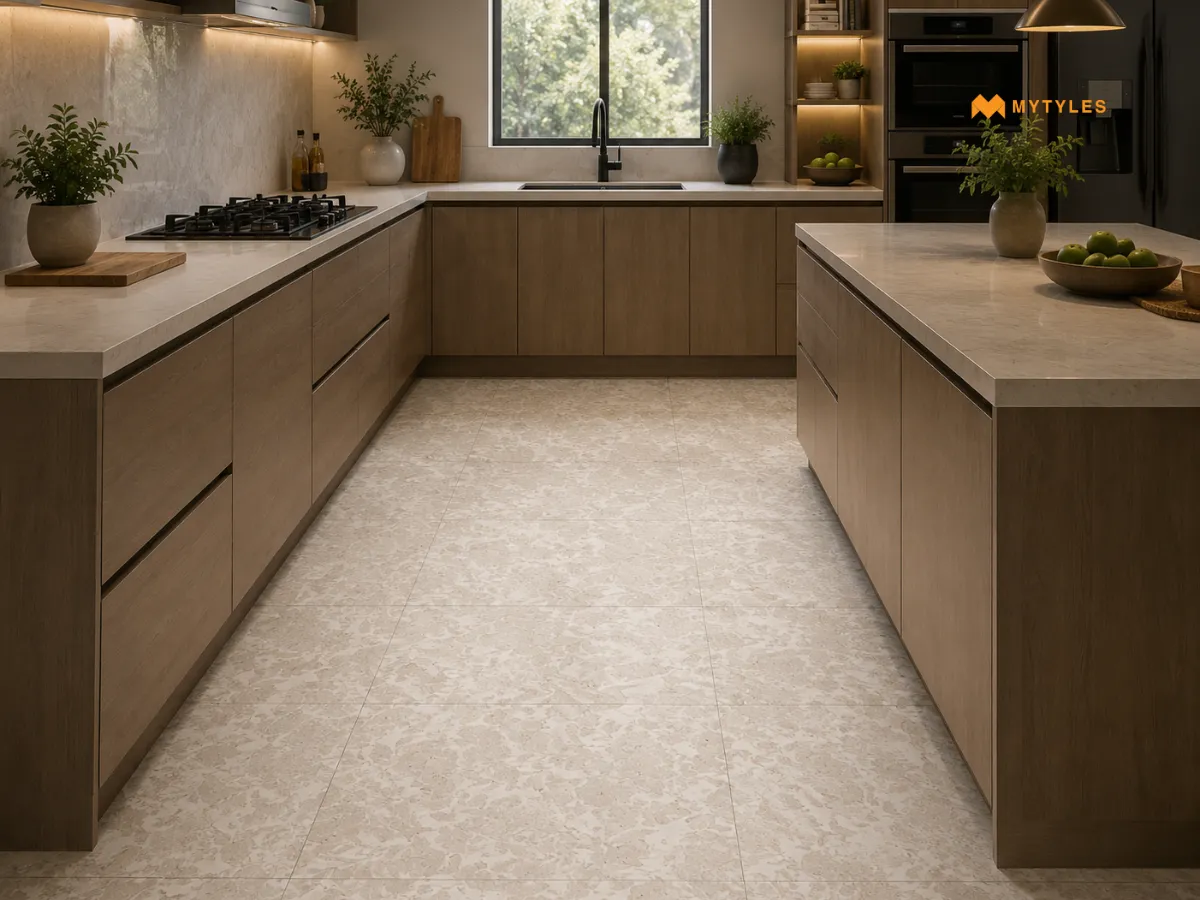
Kitchens are typically high-traffic areas, so ceramic or vitrified tiles are one of the best choices. Vitrified and natural stones like granite and marble will hold up to wear very well, making them excellent for floors and countertops. Here are some key kitchen tiling tips to guide your choice:
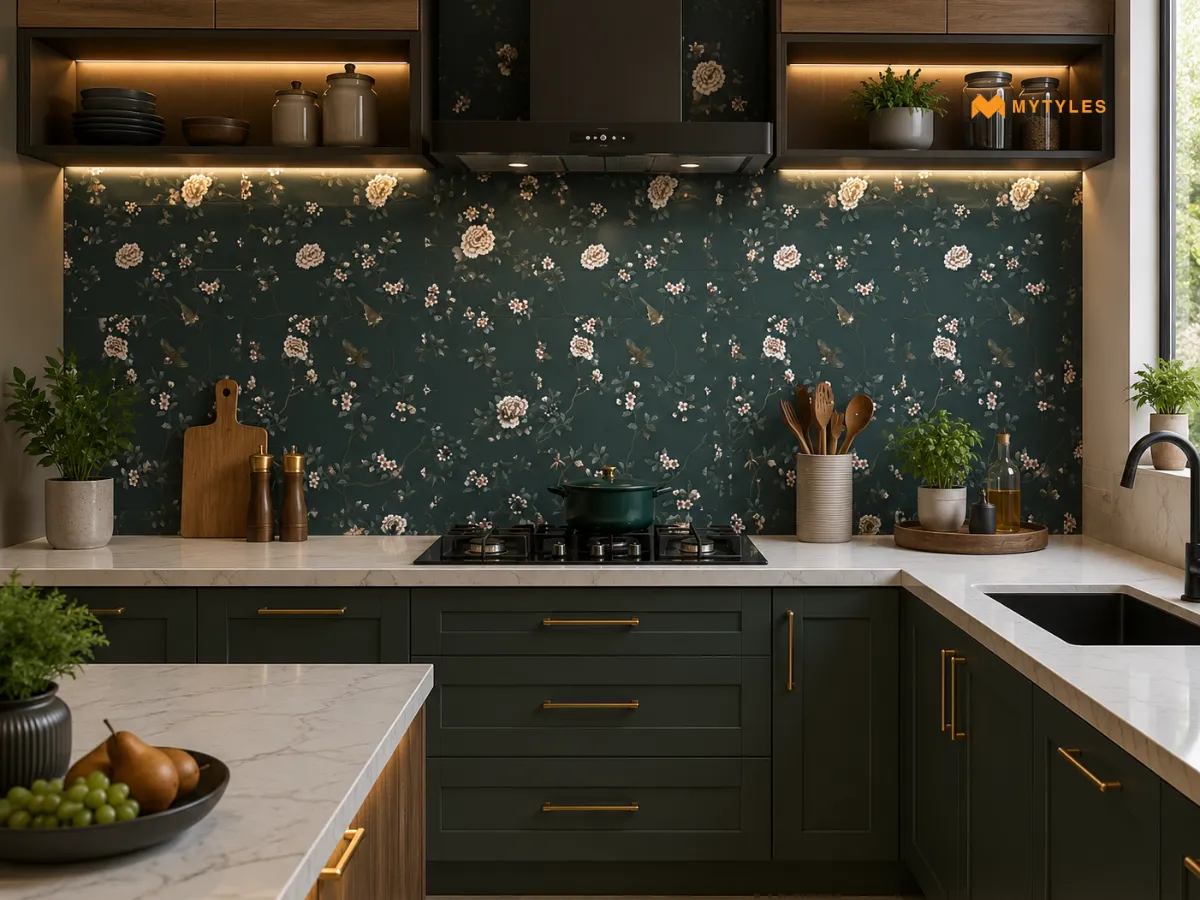
While settling on which tile will go best with your overall design, it is essential to learn the general types and different materials. Check out some of the options you must consider while setting goals on how to do tiling in the kitchen:
The right kitchen tile size affects the space's ambiance and functionality. A balance of proportions in kitchen tiles can be achieved with properly chosen tiles, leading to an airy and cozy feel. When planning tiling in the kitchen, remember not only your design concerning the layout but also how tile sizes can impact this overall design. Here are a few guidelines to consider:
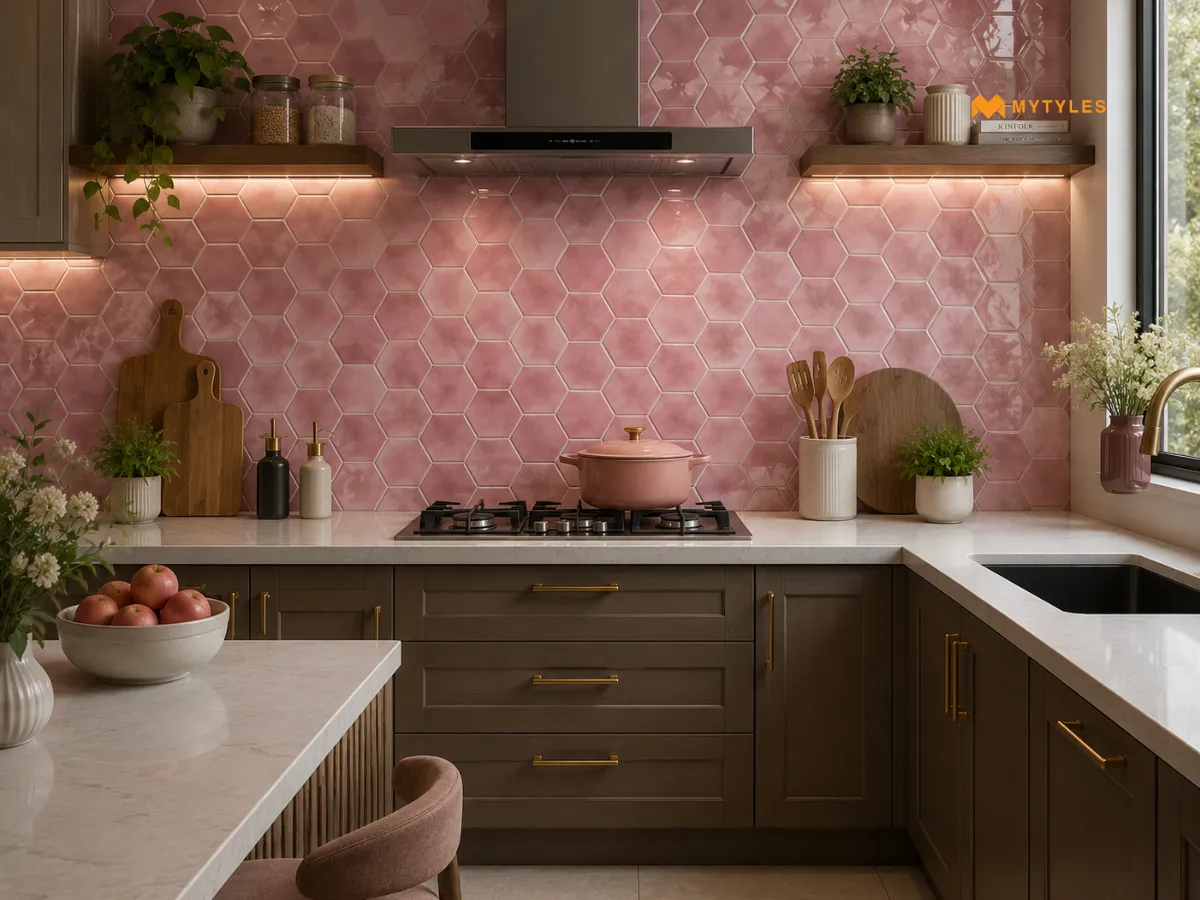
Character and the mood of the kitchen are defined by the colour of the kitchen tiles and texture. How the right shades and finishing can give the kitchen a warm and homey look, or bold effects, while the ideal kitchen tiles texture also contributes to practicality: either giving much-needed grip or smooth surface for easy cleaning. Here are a few tips to consider while finalizing the color and texture of your kitchen tile:
Creating a kitchen that is both functional and aesthetically pleasing begins with tile selection. Available in colours, textures, and sizes, choosing the ideal tiles that stand out in terms of style as well as durability can be challenging. Thoughtful tile selection can enhance durability, simplify maintenance, and reflect your personal taste. MyTyles offers a comprehensive range of quality options that suit the Indian kitchen's needs. Thoroughly curated to complement every style while improving on durability and ease of maintenance, MyTyles provides expertly guided choices to lead you through the transformation of a dream design into reality.
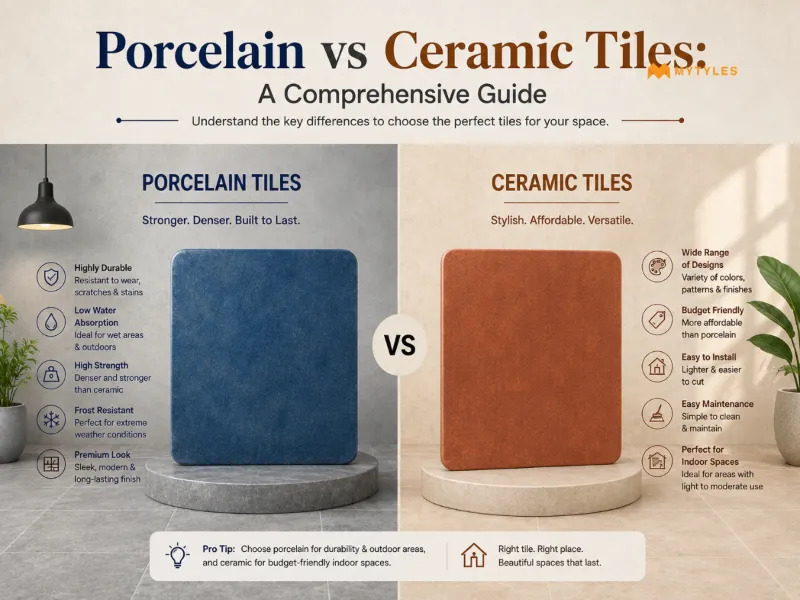
Vitrified and porcelain tiles are strong, low-porosity choices for kitchen floors, while glazed ceramic and porcelain tiles work well on walls and backsplashes. The ideal material depends on foot traffic, moisture, stain exposure, and budget. Always confirm the tile’s recommended application, as attractive wall tiles may not have the strength or slip resistance required for flooring.
Kitchen floor tiles should offer durability, load-bearing strength, stain resistance, and a surface that provides safe footing. Wall tiles can be lighter, smoother, and more decorative because they do not handle foot traffic. Using coordinated colors or patterns creates visual continuity, but each tile must still meet the practical requirements of its specific location properly.
White, ivory, beige, light grey, and soft pastel tiles reflect light and can make a compact kitchen feel more open. Low-contrast combinations between flooring, walls, cabinets, and countertops create smoother visual flow. If you prefer darker colors, use them as limited backsplash accents or borders rather than covering every surface in a small kitchen space.
Anti-skid or slip-resistant tiles are recommended because cooking spills, water, and oil can make kitchen floors hazardous. Choose a finish that provides grip without being excessively rough or difficult to clean. Safe flooring should be combined with prompt spill removal, proper drainage where needed, flat installation, and uncluttered movement paths around counters and appliances daily.
Large-format tiles reduce grout lines and can make medium or spacious kitchens appear cleaner, while smaller tiles may suit compact backsplashes, niches, and decorative sections. Rectangular tiles laid lengthwise can visually extend narrow kitchens. Select sizes that minimize awkward cuts around cabinets and corners, and ask the installer to prepare a detailed layout before fixing.
Clean loose dust regularly and wipe spills before oil, masala, tea, or food residue dries on the surface. Use warm water with a mild tile-safe cleaner and avoid harsh acids or abrasive tools. Stain-resistant grout, properly sealed joints where recommended, and an easy-to-clean backsplash can reduce discoloration and simplify maintenance in busy Indian kitchens daily.
Aditi Bardhan
31 May, 2026
Aditi Bardhan
₹76.00 / Sq.Ft
₹95.00 / Sq.Ft
₹95.00 / Sq.Ft
₹95.00 / Sq.Ft
₹95.00 / Sq.Ft
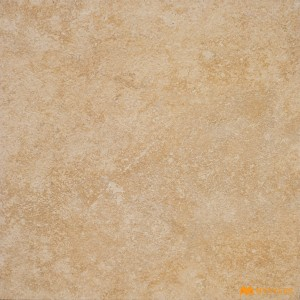
₹95.00 / Sq.Ft
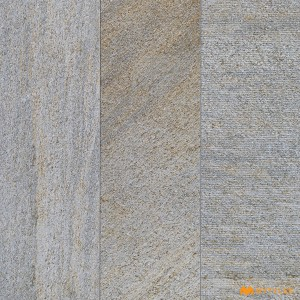
₹95.00 / Sq.Ft
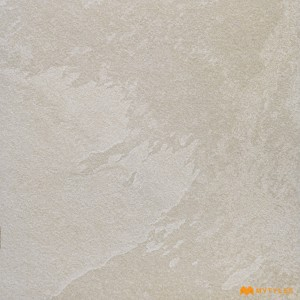
₹95.00 / Sq.Ft