Inspiration Gallery
Blog
Tile Calculator
08065423741



.svg)


Brick Tile Trends 2026: Bold Wall Designs with Timeless Appeal
ByBiren Agrawalla

Thu , Aug 06 , 2026

Read Time: 5 Min


 Copied!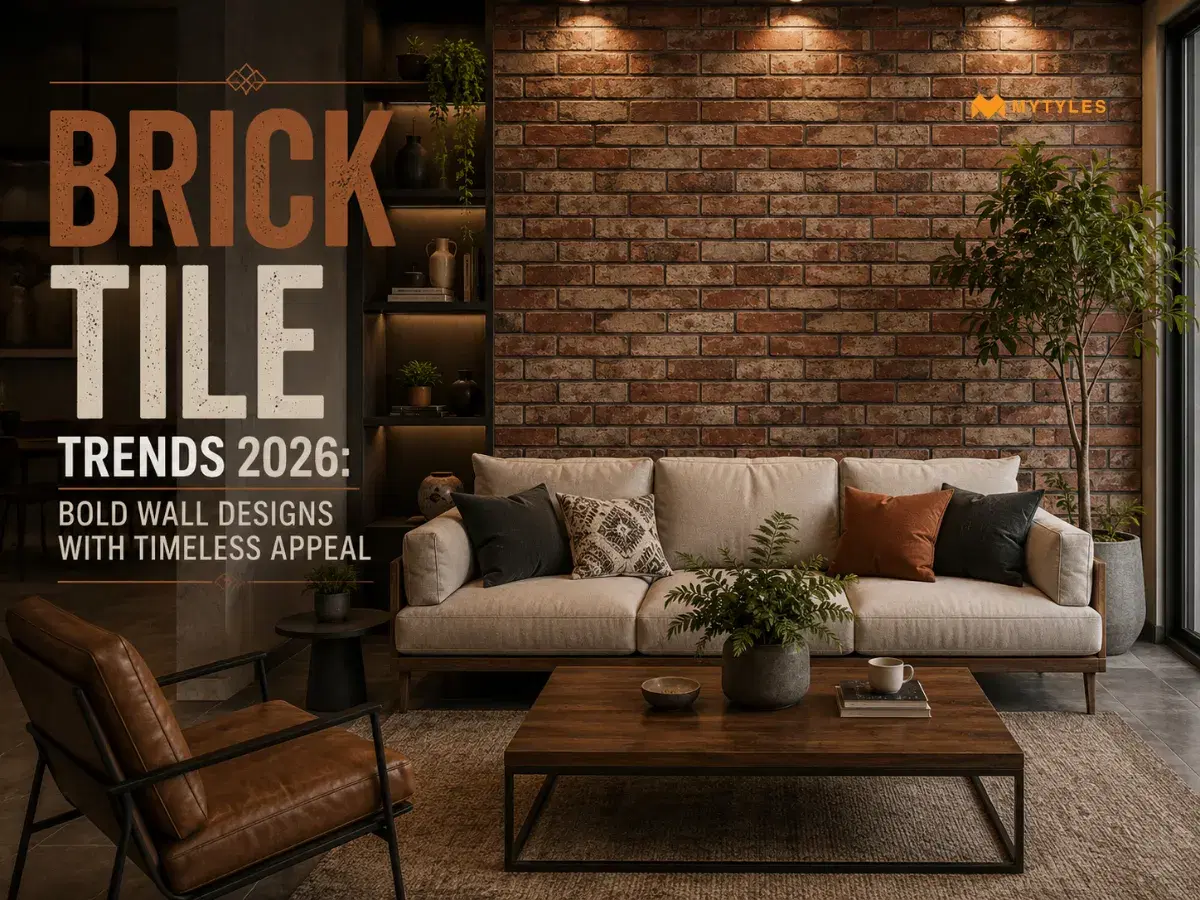
Brick tiles continue to set strong design directions in 2026 as homeowners and designers search for textured walls that carry visual depth and long-term strength. Their earthy appeal blends seamlessly with modern styling, giving every space a confident and grounded look. Growing interest in warm, tactile surfaces plays a major role this year, making brick tiles an ideal choice for living rooms, kitchens, balconies, and commercial interiors. With new finishes, shades, and patterns entering the market, 2026 welcomes a fresh era of bolder walls that still retain classic appeal.
Why Brick Tiles Stay Relevant in 2026?
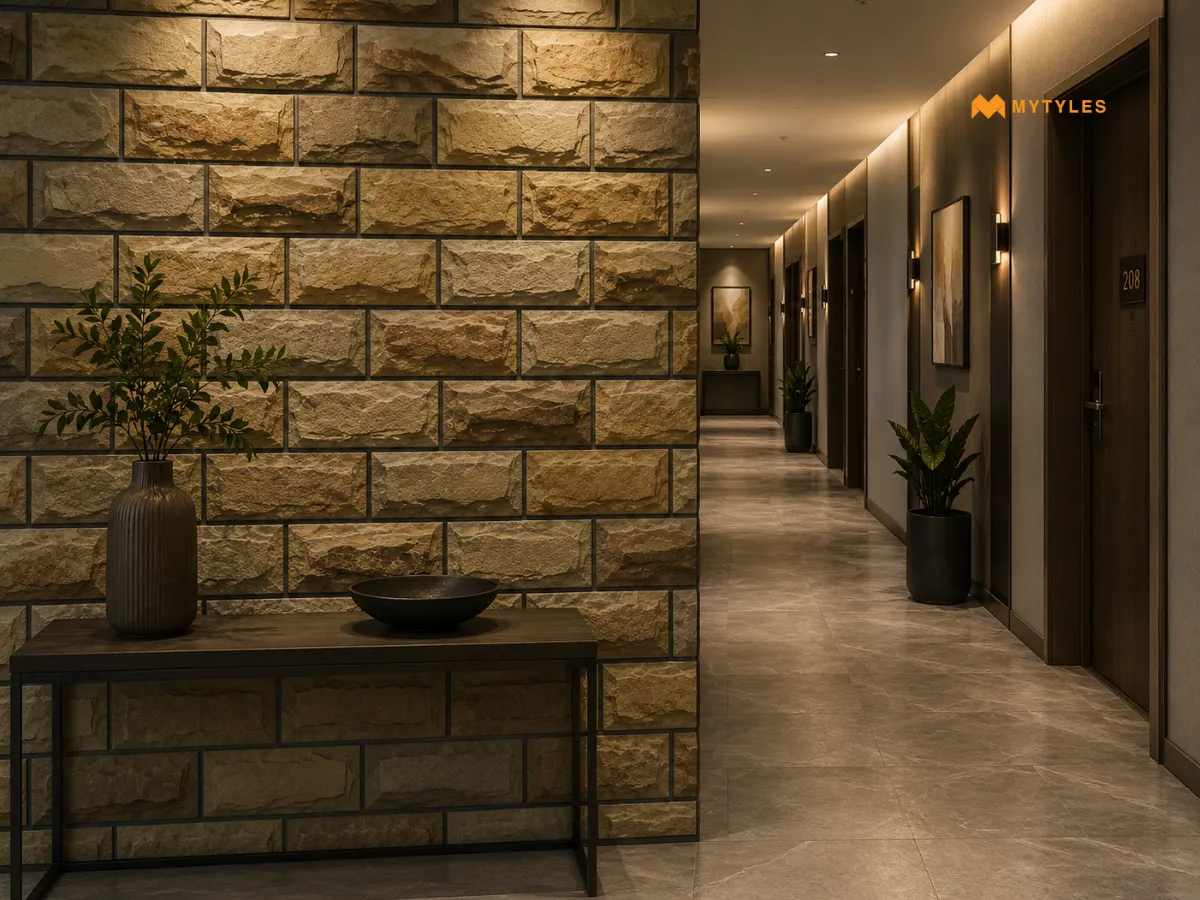
Brick tiles hold steady demand due to their balance of durability and texture, which suits various interiors. Their ability to support warm, modern, and rustic styles keeps them highly adaptable. Homes and commercial spaces benefit equally due to their strength, visual weight, and timeless nature.
- They suit both old and new homes: Brick tiles fit easily into different design styles. People use them in modern flats, old houses, cafés, and workspaces because they look natural and blend well with many settings.
- They hide wear and tear better than smooth tiles: Scratches, stains, and small marks don’t show up easily on brick tiles. This makes them practical for kitchens, balconies, hallways, and entry areas where walls get bumped often.
- They work well with warm and cool color themes: Brick tiles pair well with whites, greys, woods, and even bright colors. Homeowners and designers prefer them because they don’t limit decor choices.
- They age well and don’t look outdated: The raw, handmade style of brick never goes out of trend. Even after years, the wall still looks relevant without needing a makeover.
- They suit indoor and outdoor spaces: People in 2026 want materials they can use across different areas. Brick tiles work for balconies, patios, kitchens, TV walls, study rooms, and even commercial spots.
Trending Brick Tile Colors in 2026
Color choices in 2026 lean toward deeper reds, muted neutrals, aged browns, and bold charcoal shades. These tones help designers shape walls that feel settled, refined, and visually consistent across modern and rustic themes.
Deep Reds and Rust Shades
Red-toned tiles continue to stay strong because they hold warmth and depth. They work well behind TV units, open dining setups, and balcony walls that need a stable, expressive backdrop.
Soft Greys and Whites
Grey and white brick tiles support minimal interiors. Their calm tone helps small areas breathe, making them useful for compact kitchens, entrances, or bright living rooms.
Natural Brown and Sand Tones
These shades support organic interiors and pair well with wooden furniture. They keep rooms relaxed and steady, making them ideal for quiet lounges and reading corners.
Charcoal and Black Brick Tiles
Charcoal tiles help create bold corners in bars, workstations, or commercial seating areas. Their darker tone pairs well with metal lights and simple, functional furniture.
Popular Brick Tile Finishes in 2026
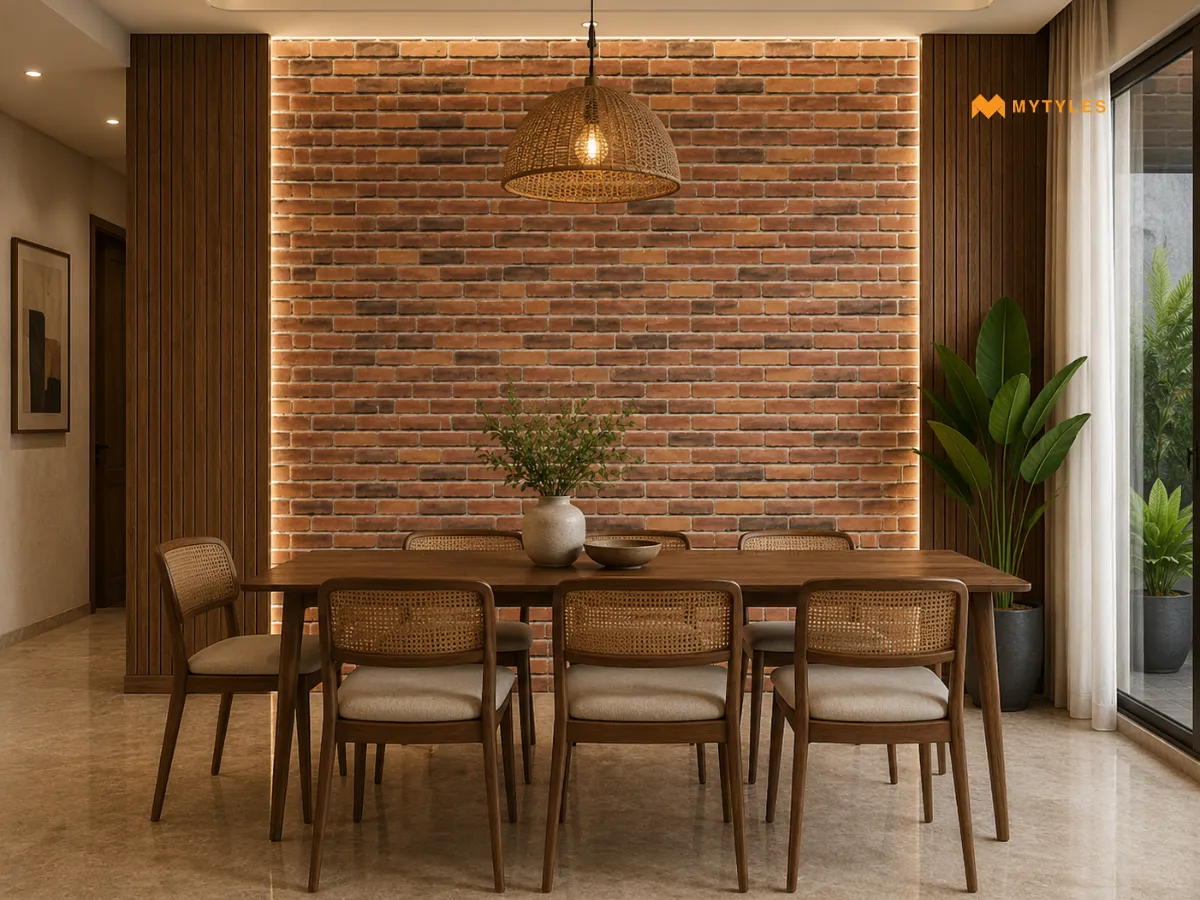
Finishes trending this year include matt, soft gloss, handmade-look textures, and tumbled edges. Each finish brings a different mood, allowing homeowners and designers to shape walls that feel balanced with their surroundings.
Matt Brick Tile Finish
Matt surfaces support calm, strong compositions without shine. Their understated texture works well in living rooms and hallways where soft lighting highlights the tile pattern gently.
Soft Gloss and Glazed Surfaces
A slight gloss helps brighten compact kitchens and bathroom walls. It reflects available light without becoming overly shiny, making cleaning easier in high-use areas.
Handmade-Look Textures
Handmade-look tiles feature gentle irregularities that give walls a lived-in feel. They suit relaxed living rooms, farm-style kitchens, and cafés that want steady character without heavy patterns.
Tumbled and Aged Brick Edges
These finishes support rustic interiors by softening edges and adding mild depth. They add interest to walls without creating sharp lines or strong contrast.
Brick Tile Patterns Dominating 2026
Patterns gaining attention this year include classic running bonds, vertical stacking, herringbone sections, and mixed-orientation designs. These layouts help walls feel balanced and structured while supporting both subtle and bold setups.
Running Bond Pattern
The running bond pattern stays relevant because of its simplicity and familiarity. It suits both small and large walls, creating a steady rhythm that blends well with most materials.
Vertical Stacking Pattern
Vertical stacking supports modern interiors by making walls appear taller. It helps rooms with low ceilings feel more open while keeping the surface neat and organised.
Herringbone Layouts for Highlights
Herringbone sections add gentle movement to corners without overwhelming the room. Designers use it behind shelves, mirrors, and small feature sections to add interest.
Mixed Orientation Walls
Combining horizontal, vertical, and angled placements introduces subtle variation. This approach works well in creative studios, open cafés, and large hall walls needing a quiet yet distinct visual structure.
Key Application Areas in 2026
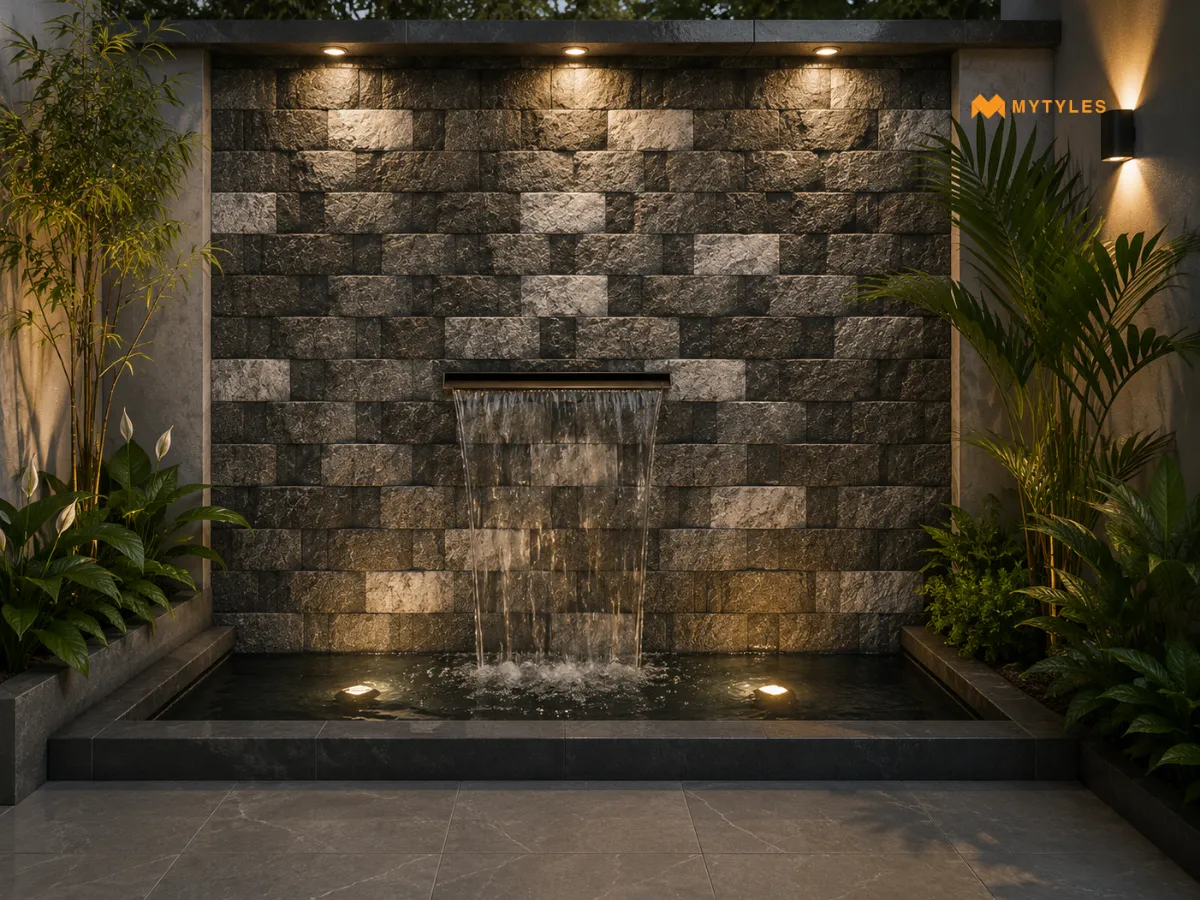
Brick tiles continue to be used across living rooms, kitchens, bathrooms, balconies, and commercial interiors. Their durability, visual weight, and consistent finish make them suitable across high-use and relaxed spaces.
- Living Room Accent Walls: Brick tiles provide a strong backdrop for seating areas, entertainment units, or open-plan layouts. Their steady tone helps anchor the space without distracting detail.
- Kitchen Backsplashes and Side Walls: Brick tiles work well in kitchens because they resist heat and hold their surface quality. Lighter shades brighten work zones while darker tones add depth to counter walls.
- Bathroom Walls and Shower Corners: Moisture-resistant brick tiles offer a grounded look in bathrooms. Their texture helps break monotony while remaining practical for daily cleaning.
- Balconies and Semi-Outdoor Walls: Brick tiles hold color well in semi-outdoor areas. They suit balcony seating corners, terrace walls, and grill spaces that need a stable surface.
- Commercial Spaces: Commercial interiors use brick tiles to build identity. Cafés, boutiques, work lounges, and waiting areas rely on their consistent surface to shape a calm and welcoming environment.
Brick Tile Styling Ideas for 2026
Styling trends this year focus on balanced lighting, earthy materials, and clean geometry. Designers use metal, wood, and neutral furniture to support brick tiles without creating visual clutter.
- Industrial-Inspired Layouts: Brick tiles pair well with simple metal lights and open shelves. Their grounded texture helps maintain a functional look suited to loft-style and workplace interiors.
- Modern Minimal Rooms: Grey or white brick tiles suit simple homes seeking clean lines. Their neutral surface works with compact furniture and limited decor to keep rooms calm and open.
- Rustic and Farmhouse Themes: Warm brown tiles pair with wooden furniture and soft fabrics. They support relaxed layouts suited to country-style homes, reading nooks, and comforting dining spaces.
- Urban Contemporary Setups: Charcoal tiles pair well with straight-lined furniture and focused lighting. This combination helps create confident corners in apartments, studios, and work pods.
Bringing the 2026 Brick Tile Trends Together
Brick tile trends in 2026 highlight practical layouts, warm colors, and finishes that support both minimal and rustic interiors. These tiles continue to stay relevant because they offer structure, durability, and a consistent surface suited for high-use areas as well as relaxed corners. Their versatility makes them suitable across kitchens, balconies, commercial lounges, and reading spaces that require steady performance. The shift toward natural tones and simple patterns reflects a growing preference for calm, grounded walls. With multiple shades and formats available today, choosing tiles that match your lighting and layout becomes simpler. Browse the latest brick-look collections on MyTyles to find reliable options designed for everyday use and long-term stability.

What Brick Tile Trends Are Popular in 2026?

In 2026, brick tile designs are moving beyond traditional red finishes toward charcoal, ivory, sand, terracotta, and weathered multicolor surfaces. Slim bricks, handmade textures, irregular edges, and mixed-tone layouts are especially popular. Homeowners are also using brick tiles selectively on feature walls, allowing their strong character to enhance interiors without making rooms feel heavy or outdated.
Which Interior Walls Work Best With Brick Tiles?
Brick tiles work well on living room feature walls, TV unit backdrops, dining walls, bedroom headboards, kitchen backsplashes, and entrance areas. Select a wall that receives good natural or artificial lighting, as shadows highlight the texture. In compact rooms, covering one focused section usually creates more impact than applying dark brick tiles across every wall.
Can Brick Tiles Be Used on Exterior Walls?
Yes, suitable exterior-grade brick tiles can enhance façades, balcony walls, compound walls, pillars, and outdoor seating areas. Choose products with low water absorption, UV resistance, and weather durability for Indian conditions. Correct adhesive, joint filling, drainage, and surface preparation are essential, particularly in regions exposed to strong sunlight, heavy monsoon rain, pollution, or temperature changes.
How Can Brick Tile Colors Be Mixed for a Bold Look?
Begin with one dominant brick color, then add closely related tones to create natural variation. Terracotta pairs beautifully with beige and brown, while charcoal works with grey, black, or warm wood accents. For a bolder design, combine light and dark bricks in a controlled pattern, keeping surrounding furniture, flooring, and wall colors visually simple and balanced.
Are Brick Tiles Suitable for Kitchens and Bathrooms?
Brick-look tiles can be used in kitchens and bathrooms when the material, finish, and installation suit wet or stain-prone conditions. Glazed ceramic or porcelain options are generally easier to clean than highly porous surfaces. Use them on backsplashes, vanity walls, or dry zones, and confirm waterproofing, grout protection, and maintenance requirements with your installer before installation.
How Do Brick Tiles Add Timeless Appeal to Modern Homes?
Brick tiles bring warmth, texture, and architectural character that works across industrial, rustic, contemporary, and traditional interiors. Their familiar masonry appearance rarely depends on a short-lived decorative theme. By selecting a balanced color palette and simple layout, homeowners can create a feature that feels current in 2026 while remaining adaptable to future furniture and décor changes.
What Should Homeowners Check Before Buying Brick Tiles?
Check whether the tile is designed for interior or exterior use, along with its material, dimensions, thickness, water absorption, finish, cleaning needs, and color variation. View multiple pieces together before ordering because textured collections may differ naturally. Measure carefully, purchase extra tiles for cuts and repairs, and confirm that the installer has experience with brick-style layouts.

ABOUT THE AUTHOR
Biren Agrawalla
Biren Agrawalla is the Founder of MyTyles, driven by a passion for making tile buying simpler, smarter, and more customer-friendly. With a background in technology and a strong interest in how homes are designed, he built MyTyles to bridge the gap between traditional tile retail and modern customer needs. Biren focuses on understanding what people truly look for when creating their spaces, from practical choices to design inspiration. His work is centred on building thoughtful online solutions that help homeowners discover the right tiles with more confidence, convenience, and clarity.
Latest Blogs By MyTyles