Inspiration Gallery
Blog
Tile Calculator
08065423741



.svg)


Cladding 101: Transform Your Space with the Right Types and Materials
ByAditi Bardhan

Mon , May 25 , 2026

Read Time: 5 Min


 Copied!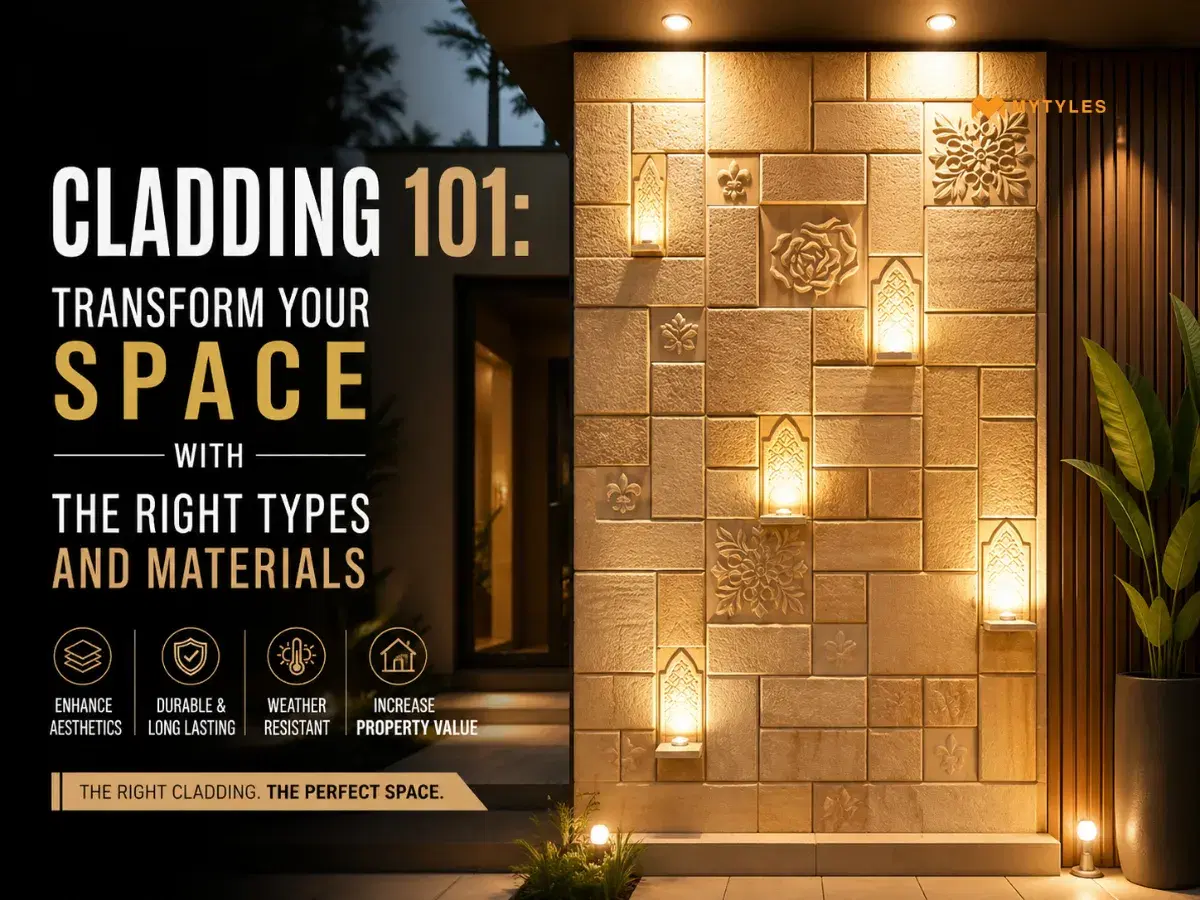
Imagine walking into a home, office, or commercial space that instantly grabs your attention, not just with its design but with the textures, colours, and finishes that define it. That’s the magic of cladding. Whether you're revamping a tired facade, adding character to interiors, or reinforcing structural durability, the right cladding material can completely transform your space.
But with so many options, wood, metal, and composite, how do you choose the one that fits your style, budget, and functional needs? Cladding isn’t just about aesthetics; it plays a crucial role in insulation, weather resistance, and long-term maintenance. Selecting the right type means balancing beauty with practicality. If you're a homeowner, architect, or business owner, understanding cladding can help you make informed decisions that enhance your space for years to come. Let's get started!
Introduction to Cladding
Cladding is a construction technique where one material is applied to the surface of another for protection, insulation, or aesthetic enhancement. It serves as an exterior covering that shields buildings from weather, temperature fluctuations, and noise while also enhancing their visual appeal with texture, color, and design elements. Now that you know what is cladding? You should know that cladding is available in a wide range of materials.
Different Types of Cladding
.webp)
When it comes to construction, cladding serves as both a functional and decorative feature. Whether you're seeking a modern appearance, durability, or insulation, the material you choose can impact your building’s overall performance. Below are some of the most common cladding types used in construction and home decor:
Brick Cladding
Brick cladding replicates the timeless charm of traditional brickwork while being lighter and easier to install. It provides excellent weather resistance, durability, and insulation, helping regulate indoor temperatures. The range of textures and colors allows creative freedom, while its low-maintenance nature ensures long-lasting appeal and enhanced structural protection for any building.
Wooden Cladding
Wooden cladding introduces natural warmth and elegance to architectural designs. Made from hardwoods like cedar or oak, it is termite-resistant, eco-friendly, and energy-efficient. When properly treated, it lasts for years without warping. Its versatility in patterns and finishes makes it suitable for both contemporary facades and rustic, nature-inspired interiors.
Natural Stone Cladding
Natural stone cladding offers a rugged yet sophisticated aesthetic using materials like granite, marble, and slate. Extremely durable and weather-resistant, it requires minimal upkeep while providing superior insulation. Its natural variations add texture and visual richness, making it ideal for luxury exteriors and statement walls that blend timeless beauty with lasting performance.
Porcelain Tile Cladding
Porcelain tile cladding combines elegance with strength, offering scratch, stain, and temperature resistance. It’s non-porous, making it easy to maintain and suitable for indoor or outdoor use. Available in matte, glossy, and textured finishes, it delivers a sleek, modern appearance that enhances both functionality and design longevity.
Ceramic Cladding
Ceramic cladding is a lightweight, durable, and stylish option ideal for modern architecture. Resistant to stains, chemicals, and fire, it requires little maintenance while providing excellent protection against environmental damage. With a wide range of colors, patterns, and finishes, ceramic cladding enhances both the aesthetic and performance value of buildings.
3D Tile Cladding
3D tile cladding transforms plain walls into textured, visually striking surfaces. Its lightweight and easy-to-install design makes it ideal for quick renovations. Available in various patterns, colors, and finishes, it adds depth and modern flair to interiors or exteriors, combining creativity, durability, and minimal maintenance requirements effectively.
Choosing the Right Cladding Material
.webp)
Selecting the right cladding material depends on factors that balance performance, cost, and appearance. Here’s a quick guide to key considerations:
Factor | Description |
Durability | Choose materials that resist weathering and wear, ensuring long-lasting protection and minimal repairs. |
Aesthetics | Select finishes that complement your building’s design, from modern to traditional styles. |
Insulation | Opt for materials that improve temperature regulation and reduce energy costs. |
Maintenance | Low-maintenance options save time, while some may need periodic cleaning or coating. |
Cost | Balance budget and longevity; affordable materials can still offer strong performance. |
Fire Resistance | Ensure safety with fire-rated materials that slow flame spread. |
Environmental Impact | Go for eco-friendly or recycled options to reduce carbon footprint. |
Weather Resistance | Pick materials that endure harsh weather, maintaining strength and appearance. |
Acoustic Performance | Soundproof materials enhance comfort by reducing noise intrusion. |
Structural Support | Verify compatibility with your building’s framework for safe installation. |
Exterior Applications of Cladding
.webp)
Cladding is more than just an exterior covering; it combines protection, style, and durability. It safeguards buildings from weather, enhances energy efficiency, and elevates visual appeal for lasting architectural beauty.
- Protection from the Elements: Acts as a shield against rain, heat, wind, and snow, preventing structural damage and extending the building’s lifespan while reducing long-term repair costs.
- Long-Term Durability: Materials such as metal, stone, or fiber cement ensure lasting strength and minimal maintenance, resisting corrosion, fading, and harsh weather conditions over the years.
- Improved Insulation: Adds an effective thermal barrier that keeps interiors warmer in winter and cooler in summer, improving energy efficiency and overall comfort levels.
- Enhanced Aesthetic Appeal: Elevates the building’s look with stylish finishes and textures like brick, wood, or stone, transforming plain exteriors into striking architectural statements.
- Noise Reduction: Minimizes outdoor noise intrusion, providing acoustic comfort in busy urban settings and creating a calmer, more peaceful indoor environment.
- Fire Resistance: Fire-rated cladding materials increase safety by slowing the spread of flames, protecting both occupants and the building structure during emergencies.
- Sustainability: Uses eco-friendly and recyclable materials that promote energy efficiency and support sustainable construction practices with minimal environmental impact.
Interior Applications of Cladding
Cladding isn’t limited to just the exterior; it plays a significant role in interior spaces as well. Wall cladding interiors can transform the way rooms look and feel, adding texture, color, and protection to walls and ceilings and making a real difference in the interior design and functionality of any space.
- Wall Protection: It creates a durable barrier that resists stains, scratches, and moisture damage, keeping walls neat and fresh in high-use areas like kitchens, bathrooms, and hallways.
- Soundproofing: Cladding minimizes echoes and outside noise, ensuring better acoustics and privacy in spaces such as home theatres, recording rooms, and office environments.
- Design Enhancement: It elevates interiors with beautiful textures and finishes using wood, metal, or stone materials that add depth, warmth, and character to any room.
- Easy Maintenance: The surface is long-lasting, easy to clean, and resistant to daily wear, making it a practical choice for busy households or commercial interiors.
- Aesthetic Versatility: With numerous colors, patterns, and materials like glass cladding available, cladding adapts to any design style, bringing both beauty and personality to interior spaces.
Make a Statement with the Ideal Cladding Solution
Choosing the right cladding is really about finding what works best for you and your space. It’s not only about appearance but also about how practical it is for your lifestyle. By considering things like maintenance, durability, and insulation, you'll end up with cladding that adds value, comfort, and protection for years to come. Are you looking to upgrade your space with the perfect cladding? MyTyles has a variety of premium options like stone, brick, wood, ceramic, porcelain tile cladding, and many more to fit every style and need.
Expert Reviewed by Biren Agrawalla
Biren Agrawalla, the Founder of MyTyles with over 10 years of experience across tile, retail, and home decor. Driven by a passion for tiles and a deep understanding of customer behaviour, he has spent his career transforming how people discover and buy tiles online. Biren combines practical retail insight with modern digital solutions to make tile shopping smarter, more intuitive, and design focused. At MyTyles, he champions a customer first approach, ensuring every experience from browsing to buying is reliable, seamless, and inspiring.

What are some common materials used for cladding?

Cladding materials include wood, metal, stone, glass, brick, etc. Each material offers distinct advantages in durability, insulation, and aesthetics, catering to various architectural styles and functional needs for residential and commercial structures
What’s the difference between external and internal cladding?
External cladding is all about protecting your building’s outer walls from the weather, while different types of interior cladding are mainly used for decoration or functionality inside. External cladding needs to handle the elements, while internal cladding focuses more on style and design.
Which type of cladding is the most durable?
Stone cladding are among the most durable options, offering excellent resistance to weathering, moisture, and physical damage. These materials require minimal maintenance and provide long-lasting protection against environmental wear and tear.
How do I choose the right cladding material for my house?
To choose the right cladding material, consider your budget, climate, and the look you want. Think about how much maintenance you're willing to do. Metal is durable, wood gives warmth, and brick cladding is low-maintenance and budget-friendly.
What are some common types of interior cladding?
When it comes to types of interior cladding, it comes in many styles, wood for warmth, stone for elegance, aluminum for affordability, metal for an industrial vibe, and glass for a sleek look. Each one sets a different mood for your space!

ABOUT THE AUTHOR
Aditi Bardhan
I'm Aditi Bardhan, a professional content writer with over five years of experience creating SEO-driven, research-backed content across multiple industries. I specialise deeply in the tile and surface materials industry, crafting high-converting content for homeowners, architects, interior designers, and trade professionals. My work is grounded in technical research, design understanding, and consumer behaviour insights, enabling me to simplify complex concepts, highlight material benefits, and help brands build authority in the tile and construction space.
Latest Blogs By MyTyles